
By Alex Turner
Quick Answer: Is infrared massager good for health? It may support comfort, relaxation, and short-term muscle tightness for many healthy adults, but it is not a treatment. People with numb skin, pregnancy, implants, or circulation concerns should check with a professional first.
Infrared massagers are everywhere now: neck wraps, back pads, handheld guns, and foot units with a glowing heat panel. The marketing sounds big, but the real answer is calmer. This guide explains what these devices do, what they do not do, who should be careful, and how to use one at home without adding risk.
If you are asking whether an infrared massager is good for your health, the honest answer depends on your body, your goal, and how you use it.
This article is for general educational information only. It does not diagnose, treat, cure, or prevent any condition. It does not replace advice from a licensed healthcare professional. Readers should seek professional help for severe, worsening, unusual, or persistent symptoms.
What an Infrared Massager Actually Is
An infrared massager pairs a massage action, such as kneading, vibration, or percussion, with a heating element that gives off infrared warmth. Many devices place a small heated panel near the massage nodes. The goal is simple: warmth plus pressure on tight areas.
Most consumer models are built for comfort and relaxation. They are not built to treat disease. In a daily routine, I usually notice people reach for them after long desk hours, after workouts, or at the end of a day spent on their feet.
Heat can make soft tissue feel looser for a short time, and massage can feel soothing. Together they may support relaxation. That is a comfort benefit, not a cure.
Common Ways People Use One
Neck and shoulders
Wraps and shiatsu-style units target the upper trapezius area. They are popular for stiffness after screen time.
Lower back
Pads and belts add warmth over muscles beside the spine. They should not be pressed hard on the spine itself.
Legs and feet
Calf and foot units suit people who stand a lot. Anyone with leg swelling or numbness should get advice first.
After activity
Some people use gentle warmth once muscles feel tight later in the day. Fresh injuries and swelling are a different situation.
Is Infrared Massager Good for Health? What May Help and What Is Hype
The short version: it can be a pleasant, low-effort comfort tool, but it is not a shortcut to better health. Research on massage and heat for everyday aches varies in size and quality, so honest claims stay modest. The National Center for Complementary and Integrative Health has a plain overview of massage therapy if you want a neutral starting point.
Popular Claims vs Practical Reality
Swipe left/right to see the full table →
| Claim you may see | Practical reality |
|---|---|
| Cures chronic pain | No device cures pain. It may ease temporary tightness. |
| Detoxes the body | Detox claims lack solid support for these devices. |
| Fixes circulation problems | Warmth feels good, but it is not a circulation treatment. |
| Speeds injury healing | Fresh injuries need advice first, not extra heat. |
| Helps you relax | Fair claim. Warmth and gentle pressure may help you unwind. |
Notice the pattern. The benefits that hold up are about comfort and relaxation. The big health promises usually do not. Treat any product page that promises more with caution.
Who Should Be Careful Before Using One
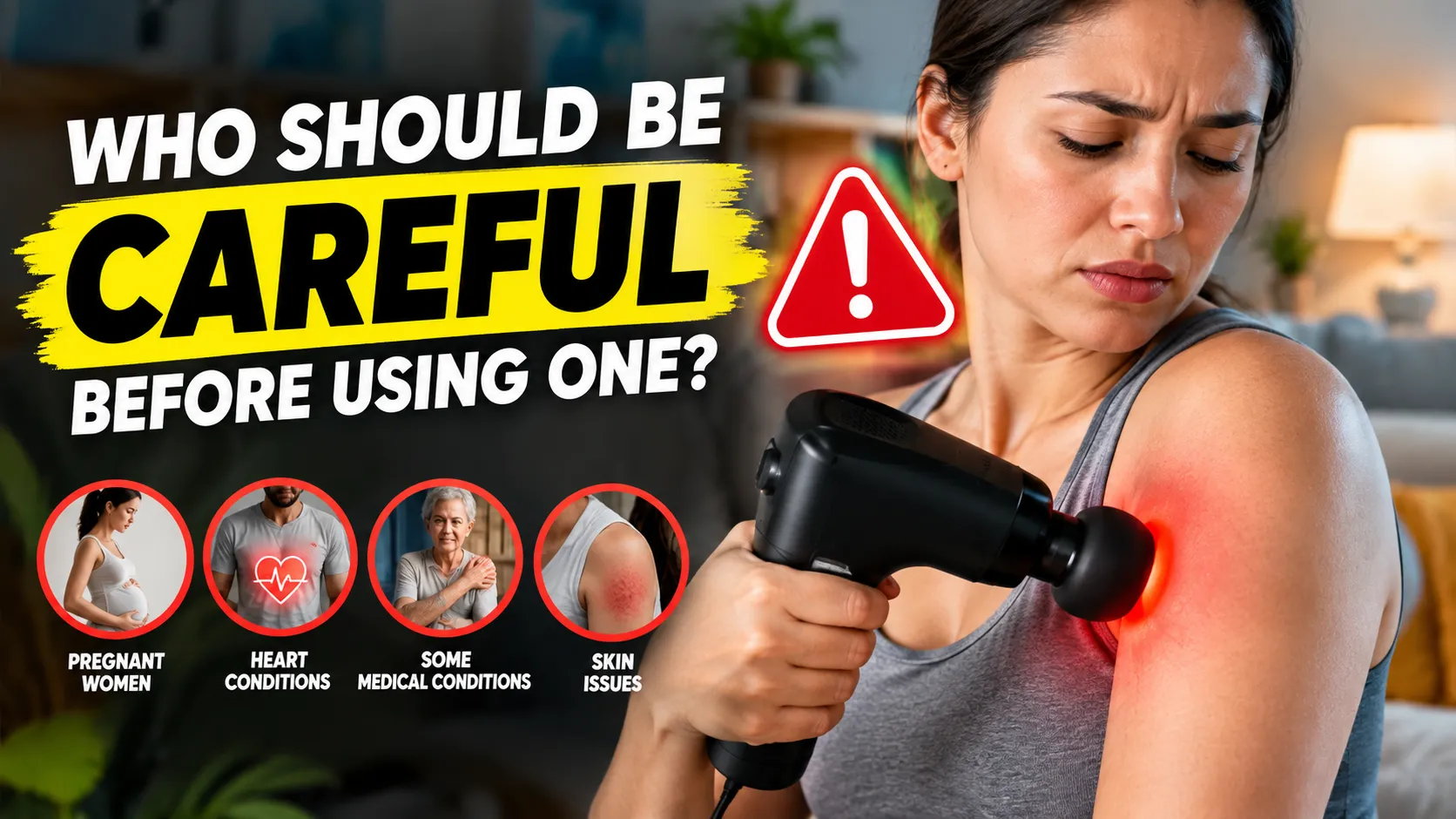
So, is infrared massager good for health for everyone? No. Heat and pressure affect the body, and some situations raise the risk of burns, bruising, or irritation. The table below lists common cases where a quick chat with a professional makes sense before you plug anything in.
Who Should Be Cautious
Swipe left/right to see the full table →
| Situation | Why caution matters | Better first step |
|---|---|---|
| Numb skin or nerve changes | You may not feel overheating | Ask a clinician about heat use |
| Pregnancy | Heat and deep pressure need guidance | Check with your prenatal provider |
| Pacemaker or implanted device | Vibration and electronics may be a concern | Confirm with your device clinic |
| Clot history or blood thinners | Deep pressure may bruise or be unsuitable | Talk with your doctor first |
| Wounds, rashes, or sunburn | Heat and friction can irritate skin | Wait until skin heals; ask a professional |
Warning: Do not use a heated massager on numb skin, open wounds, swollen joints, or new injuries. Never fall asleep with one running. Avoid looking directly into bright infrared or LED lights, and keep devices away from children and pets.
A Simple Safety Decision Path
Use this quick path before your first session and again whenever something feels different.
This is a general practical guide, not a medical test. If you land on the “ask first” side even once, that answer is worth respecting.
Red-Flag Signs to Take Seriously
Comfort tools should never mask a bigger problem. These signs deserve attention instead of another session.
Stop use right away. Ask a professional if the skin stays red or painful.
New tingling, numbness, or weakness needs a professional evaluation.
Especially after a fall or injury. Do not treat it at home with heat.
Do not massage it. Seek prompt medical advice.
Pain with fever is not a job for a massager. Contact a professional.
Seek urgent medical help.
If any card describes you, the right next step is a professional, not a higher heat setting.
Note: “Infrared” does not automatically mean stronger or better. Many devices add only mild warmth. Heat levels, session timers, and materials vary by product, so follow the maker’s label rather than general marketing.
Safer Ways to Get Similar Comfort
You do not need a gadget to feel better after a stiff day. Often the simplest options are also the gentlest. Compare them before you spend money.
Comfort Options at a Glance
Swipe left/right to see the full table →
| Option | Often used for | Keep in mind |
|---|---|---|
| Warm shower | General tightness | Test water temperature first |
| Heating pad with auto shut-off | Localized stiffness | Use a cloth layer and a timer |
| Gentle stretching or walking | Desk stiffness | Move slowly; stop if painful |
| Licensed massage therapist | Recurring tightness | Share your health history |
| Foam roller or massage ball | Muscle knots | Use light pressure; avoid joints |
An infrared massager sits somewhere between a heating pad and a hands-on massage. If your tightness comes from long sitting, movement breaks and better ergonomics often matter more than any device. For general background on managing everyday aches, see MedlinePlus on pain.
How to Use One More Safely
If you decide to try one, keep it boring: low heat, short sessions, and regular skin checks. Always read the manual, because each model has its own timer and temperature limits.
Timing and Setting Guide
Swipe left/right to see the full table →
| Factor | General starting point | Adjust if |
|---|---|---|
| Session length | 5 to 10 minutes, per label | Skin feels hot or sore |
| Heat and pressure | Lowest setting first | You feel no discomfort after a few uses |
| How often | Once or twice a day at most | Redness lingers; take days off |
| Body areas | Large muscle areas only | Avoid bones, joints, face, and eyes |
These are general starting points, not medical instructions. When in doubt, shorter and gentler wins.
Tip: Test the device on your forearm first, then use it over a thin layer of clothing on your neck or back. Set a timer so a relaxing session does not turn into an hour.
Do’s and Don’ts
A quick side-by-side you can screenshot for later.
Do
- Read the label and manual first
- Start low and short
- Check your skin after each session
- Unplug it when finished
Don’t
- Sleep with it running
- Use it on numb or injured skin
- Press hard on the spine or joints
- Ignore pain, redness, or tingling
Most problems come from too much heat, too much time, or ignoring a warning signal. The habits above prevent the big three.
What to Look For When Choosing One
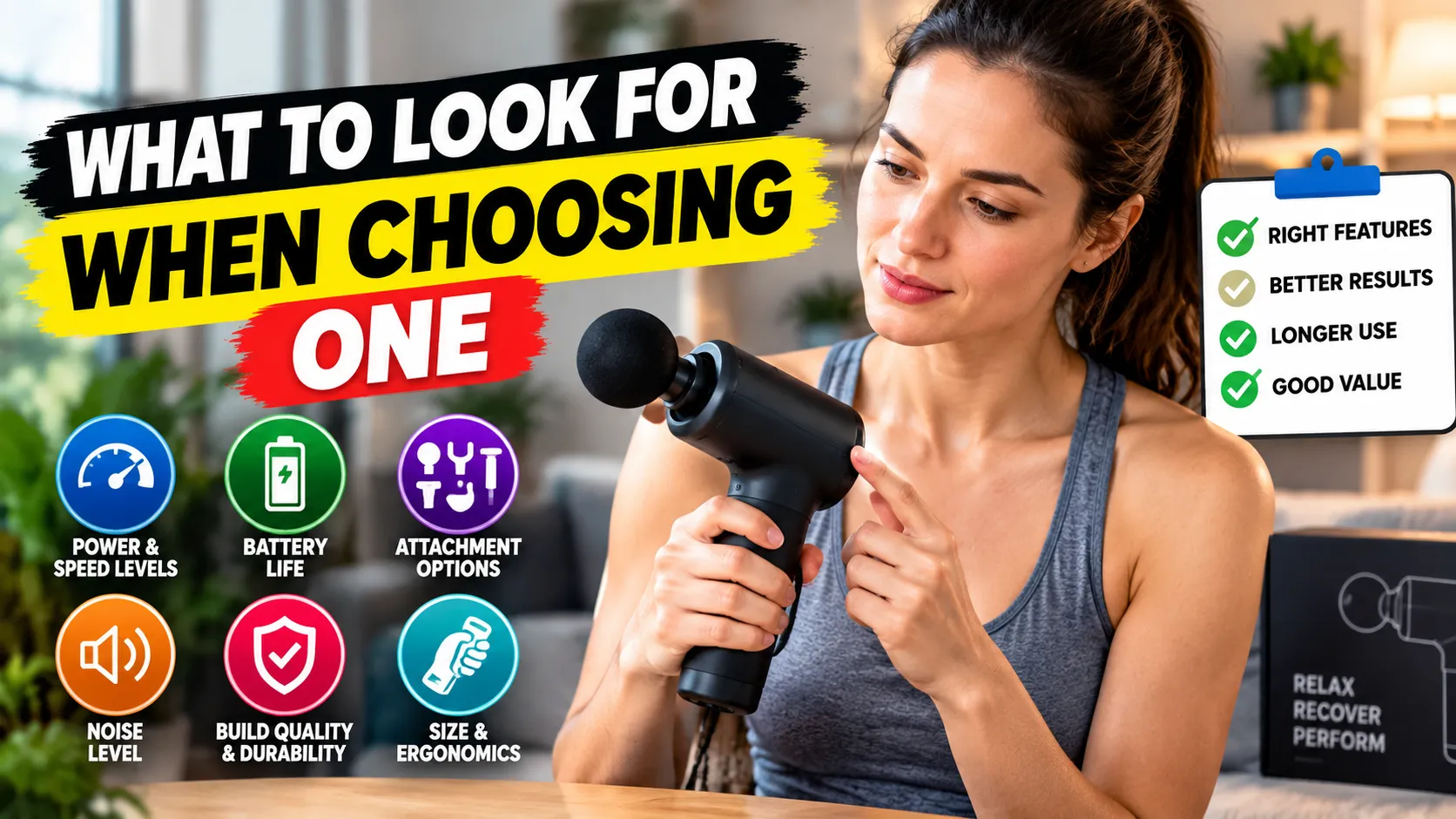
Features vary wildly, and a long list of modes does not mean a safer or more useful product. Focus on control and clarity, not gimmicks. Start by asking what area you want to target and how long you usually sit or stand.
Typical routine priority (practical guide, not scientific data)
Heat control and a timer come first because they lower the risk of overdoing it. Extra modes are nice, but they rarely change whether the device fits your body.
Common buying mistakes include chasing high wattage, trusting “medical grade” wording without a source, and buying a device for an area you cannot reach comfortably. Skip any listing that promises to treat a condition.
Products That May Fit a Basic Comfort Routine
This article may contain affiliate links. If you buy through these links, we may earn a small commission at no extra cost to you. We only mention products that fit the topic and do not replace professional medical advice.
Infrared Heated Neck and Back Massager
May support comfort and relaxation after long sitting. Look for adjustable heat, an auto shut-off timer, and a clear manual.
Electric Heating Pad with Auto Shut-Off
A simpler option that can help with routine consistency when you just want gentle warmth over tight muscles.
When to Contact a Professional
Talk with a licensed healthcare professional before use if you are pregnant, have numbness, diabetes-related nerve changes, a pacemaker or implant, a clot history, or take blood thinners. Contact one if pain is severe, worsening, or lasting more than a few weeks, or if you notice weakness, fever, or skin damage. Seek urgent medical help for chest pain, trouble breathing, or loss of bladder or bowel control.
Frequently Asked Questions
Is infrared massager good for health if I use it every day?
It may help with comfort, but daily use is not necessary for everyone. Keep sessions short, check your skin, and take breaks if you notice irritation.
Can an infrared massager help with back pain?
It may ease temporary muscle tightness for some people. Ongoing, severe, or radiating back pain should be checked by a professional.
How long should one session last?
Many people start with 5 to 10 minutes and follow the maker’s label. Stop sooner if the area feels too hot or uncomfortable.
Can I use an infrared massager during pregnancy?
Ask your prenatal provider first, since heat and deep pressure may not suit everyone.
Is the infrared light from a massager harmful?
Consumer devices are usually designed for mild warmth, but products differ. Follow the label, avoid staring at bright lights, and ask the maker or a professional if unsure.
Can I use one on a swollen or injured area?
Not without professional advice. New swelling, bruising, or injury should be checked before you apply heat or pressure.
Final Thoughts
Is infrared massager good for health? It can be a helpful comfort tool for the right person, especially for relaxing tight muscles, but it is not a treatment or a cure. Choose adjustable heat, keep sessions short, and pay attention to how your skin and body respond.
Seek professional help if symptoms are severe, worsening, unusual, persistent, or not improving.
Author
-

I’m Alex Turner, a massage product reviewer and wellness writer at RemedyTip. I specialize in researching, evaluating, and comparing massage and recovery products to help readers make informed purchasing decisions. My focus is on practical, evidence-informed product guidance covering muscle recovery, relaxation, everyday comfort, and wellness.
I take a research-driven approach to every product I review. I examine product specifications, features, materials, performance claims, user feedback, durability, comfort, ease of use, and overall value. When appropriate, I also consult trusted industry and health-related sources to verify important information and provide readers with a more complete and balanced view.
I cover a wide range of products, including massage guns, handheld massagers, neck and shoulder massagers, foot massagers, massage chairs, foam rollers, and other recovery tools. Rather than focusing only on marketing claims, I look at how products compare in real-world use and who they are actually suitable for. I also consider different budgets, use cases, and user needs when making recommendations.
At RemedyTip, I’m committed to accuracy, transparency, and unbiased product information. I clearly distinguish between manufacturer claims, available evidence, and my own product analysis so readers can understand the basis of each recommendation. I continuously research new products, technologies, and developments in the massage and recovery space to keep my content current and useful.
My goal is simple: to provide trustworthy, easy-to-understand information that helps readers choose massage and recovery products with greater confidence.

