Quick Answer
To stop neck pain, start with short movement breaks, gentle chin tucks and side stretches, heat for tight muscles, and better desk and sleep posture. A neck massager or supportive pillow may also help, but numbness, weakness, or pain after an injury needs medical care.
I’m Ethan Carter, and I’ve spent years testing massage tools, recovery products, and pain relief methods. I focus on simple, practical advice that helps people feel better and recover faster at home.
Neck pain is easy to trigger. A long workday. Too much phone time. A bad pillow. Stress that settles into your shoulders. The good news is that many cases of everyday neck tension improve with simple home habits like posture changes, light movement, heat, and gentle self massage.
In this guide, I’ll show you what usually helps first, what mistakes make neck pain worse, and which tools are actually worth using at home.
Why Your Neck Feels Tight and What Actually Helps
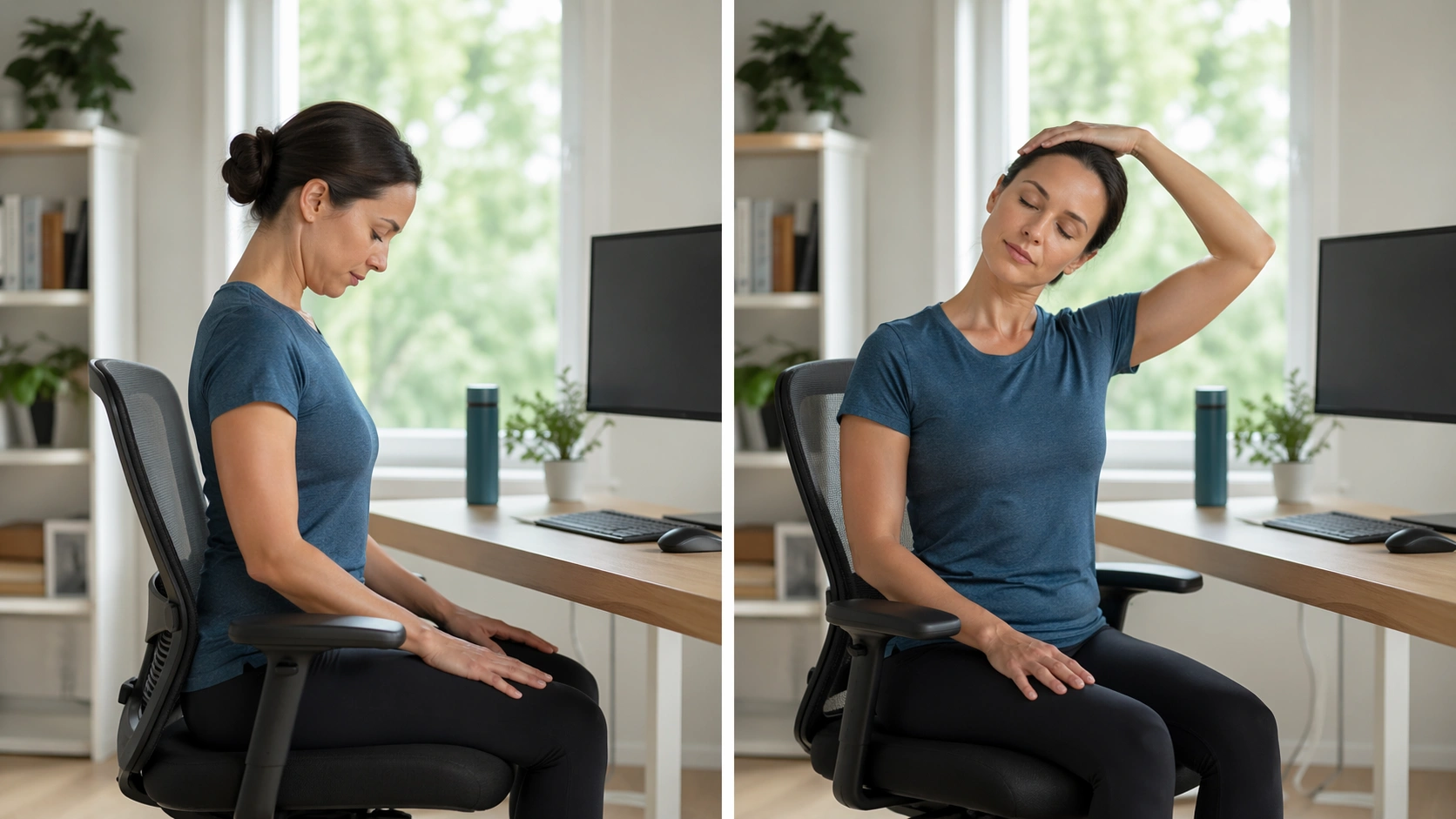
Common triggers behind everyday neck pain
Most non-emergency neck pain starts with repeated strain, not one dramatic event. The biggest triggers are usually desk work, looking down at a phone, sleeping in an awkward position, stress-related shoulder tension, and upper-trap soreness after workouts.
Poor posture can strain the muscles around your neck and shoulders. This often happens when your head stays forward for long periods at a computer, on a phone, or while driving.
That forward head position may not feel like much at first. But after hours of holding it, the neck muscles can get tired, tight, and sore.
Why neck pain matters for work, sleep, and movement
When your neck feels tight, simple things become annoying fast. Turning your head while driving feels limited. Sleep gets worse. Workouts feel off. Even your focus can drop because pain keeps pulling your attention back to your body.
That is why the best home plan is not one magic fix. It is a few small changes that lower strain all day long.
How Neck Pain Builds Up in Muscles and Joints
Muscle tension, trigger points, and stiffness
Your neck does not work alone. The muscles around your upper back, shoulders, and base of the skull all help support your head. When those muscles stay tight, they can create sore spots and trigger points that make the whole area feel stiff, tender, and hard to move.
I often see this with people who sit for hours, clench during stress, or train shoulders hard without enough recovery. The muscles tighten, movement drops, and the neck starts to feel guarded.
That is when gentle stretching, light massage, and smarter daily movement often help.
Posture, circulation, and recovery support
Neck pain often gets worse when you stay in one position too long. A little movement can help loosen tight muscles. Heat may help relax the area. Massage can also feel helpful because it encourages you to stop bracing and move more naturally again.
The goal is not to force your neck into a perfect position. The goal is to reduce tension, support blood flow, improve mobility, and stop feeding the same strain pattern every day.
How to Stop Neck Pain at Home Step by Step
Step 1: Reset your posture and screen height
Start with the easiest win. Bring your screen closer to eye level. Sit tall without forcing it. Let your shoulders drop. Keep your chin level instead of jutting forward.
I tell people to think less about sitting perfectly and more about changing positions often. Even a great posture gets uncomfortable if you freeze there for too long.
A quick posture reset every 30 to 60 minutes usually works better than one big correction at the end of the day.
Step 2: Do gentle chin tucks and side stretches
Use slow, easy movements. No forcing. No bouncing.
1. Do 5 to 8 chin tucks. Pull your head straight back gently, as if making a double chin.
2. Hold each chin tuck for 3 to 5 seconds.
3. Do a light side stretch. Tilt one ear toward one shoulder until you feel a mild stretch.
4. Hold for 15 to 20 seconds on each side.
5. Finish with slow shoulder rolls.
This kind of light routine often works well because it restores movement without making irritated muscles work too hard. If any stretch causes sharp pain, stop and switch to a smaller range of motion.
Step 3: Use heat for tight muscles
For the stiff, tight kind of neck pain, I usually prefer heat over ice. A warm shower, heated wrap, or heating pad on a low setting for about 15 minutes often feels good.
Heat can be especially useful before stretching or self massage because it helps the area relax. If your neck feels freshly strained or irritated, some people prefer ice early on. But for classic desk-job stiffness, heat is usually the first thing I reach for.
Step 4: Try a short neck self massage routine
Keep your pressure light to moderate. Focus on the muscles around the back of the neck, base of the skull, and top of the shoulders. Do not press hard into the front of the neck.
1. Use your fingertips on the upper traps and base of the skull.
2. Make slow circles for 30 to 60 seconds per sore spot.
3. Pause on tender knots and breathe instead of digging harder.
4. Move slowly from one side to the other.
5. Finish with a few chin tucks and shoulder rolls.
This works especially well after computer work, long drives, or stressful evenings when your shoulders feel glued to your ears.
Step 5: Fix your pillow and sleep position
If you wake up with a stiff neck, your sleep setup deserves attention. In my experience, the goal is not a fancy pillow. The goal is a neutral neck position.
Your head should not tilt too far up, down, or sideways for hours. Back sleeping and side sleeping are often more comfortable than stomach sleeping for neck pain.
A supportive pillow that keeps your neck in line can make a real difference over time. For more sleep-position guidance, you can read this Healthline guide to sleeping with neck pain.
Benefits and Best Uses of This Routine
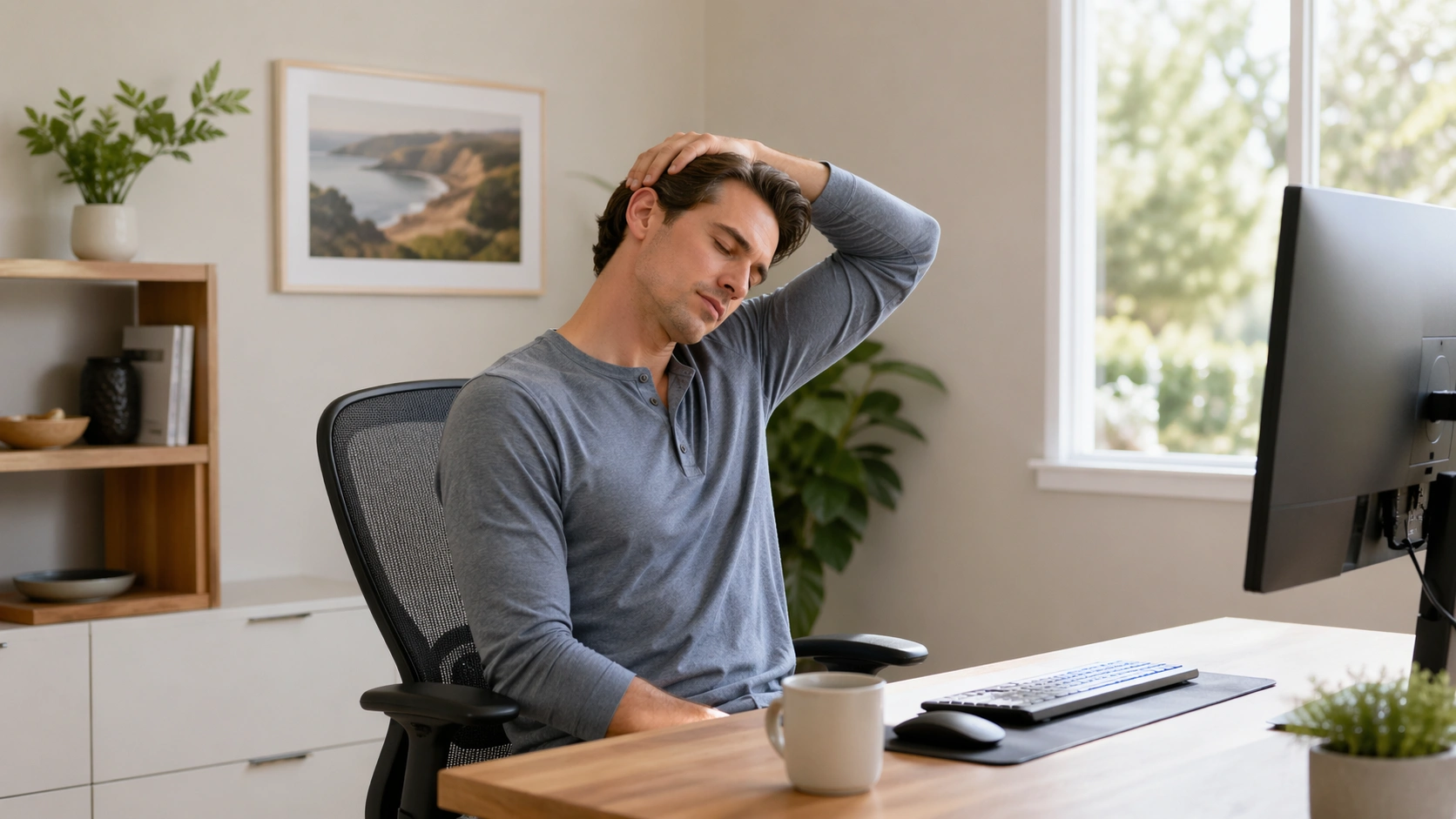
This kind of home routine is simple, but it covers the biggest daily pain triggers. Many people find it helpful for daily neck pain relief, office worker neck pain, tech neck from phone use, stress tension at night, light post-workout soreness, travel stiffness, and better sleep support.
I also like this approach because it is easy to repeat. You do not need a full recovery day. You need a few minutes of smart relief that fits normal life.
| Use Case | Best Relief Method | Why It Helps |
|---|---|---|
| Desk job neck pain | Posture resets and chin tucks | Reduces forward head strain during long work hours |
| Stress tension at night | Heat and light self massage | Helps relax tight neck and shoulder muscles |
| Post-workout tightness | Gentle mobility and recovery massage | Supports movement without overloading sore muscles |
| Travel stiffness | Movement breaks and neck support | Helps reduce stiffness from long sitting |
| Morning neck pain | Better pillow support | Helps keep the neck in a more neutral position overnight |
Common Neck Pain Problems and Quick Fixes
Here is the simple troubleshooting table I use most often.
| Problem | Likely Trigger | What Usually Helps |
|---|---|---|
| Neck feels stiff after desk work | Forward head posture and staying still too long | Chin tucks, shoulder rolls, screen reset, short walking breaks |
| You wake up with neck pain | Awkward sleep angle or poor pillow support | Adjust pillow height, avoid stomach sleeping, use gentle morning heat |
| Tight neck and shoulders after stress | Muscle guarding and upper-trap tension | Warm shower, slow breathing, light self massage, easy stretching |
| Soreness after a workout | Overuse strain in traps or shoulders | Light mobility work, heat, reduced intensity for a day or two |
| Pain when turning your head | Muscle tightness and reduced range of motion | Gentle range-of-motion drills, without forcing the stretch |
| Neck pain during travel | Long sitting and poor support | Travel pillow, posture breaks, light neck circles after sitting |
Common Mistakes to Avoid
Stretching too hard
A mild stretch is enough. Sharp pain is not the goal. If you force your neck into a painful position, your muscles may guard even more.
Using too much pressure
More pressure is not always better. Trigger points often respond better to steady, tolerable pressure than aggressive digging.
Ignoring your desk setup
If your screen, chair, or phone habit keeps recreating the same strain, relief will not last. Your daily setup matters as much as your recovery routine.
Staying still all day
One workout does not cancel eight hours of stiffness. Your neck likes regular movement. Even short breaks can make a big difference.
Using strong massage on the wrong area
Be careful around the front and side of the neck. Use lighter pressure and focus more on the upper shoulders, back of the neck, and base of the skull.
Waiting until pain is severe
Small resets done early usually work better than trying to fix a major flare-up later.
Safety Tips and Best Practices
When home care makes sense
Home care makes the most sense for mild to moderate neck pain that feels muscular, stiff, or posture-related. Heat, light stretching, self massage, and better posture habits may help many people feel better.
For general safety information, you can review this Mayo Clinic neck pain overview.
When to stop and get help
Get medical care if neck pain follows a fall, car accident, or other injury. Also get checked if you have numbness, weakness, pain shooting into an arm, severe headache, fever, or balance problems.
If pain has been hanging around for weeks, getting worse, or limiting your daily life, it is a good time to stop guessing and get proper advice. You can also review these Cleveland Clinic neck pain tips for more general guidance.
Best Tools That May Help Neck Pain at Home
I do not think you need a pile of gear to feel better. But the right tool can make a simple routine easier to stick with. These are the two products I find most practical for this keyword and this kind of reader.
Shiatsu Neck and Shoulder Massager
Best for knotty upper traps, desk-job tension, and evening stress when you want hands-free relief at home.
Cervical Neck Pillow
Best for people who wake up stiff and need better overnight support for back or side sleeping.
If you already know your neck pain gets worse from tight muscles, the massager is often the better first buy. If your pain shows up every morning, I would look at your pillow setup first.
| Tool | Best For | What to Look For |
|---|---|---|
| Neck massager | Upper trap tension and desk-job soreness | Adjustable pressure, heat option, comfortable straps |
| Cervical pillow | Morning stiffness and sleep discomfort | Supportive shape, proper height, side and back sleeping support |
| Heating pad | Stiff muscles and stress tension | Low heat setting, auto shut-off, flexible fit |
| Massage ball | Trigger points around shoulders and upper back | Firm but not too hard, easy grip, travel-friendly size |
Neck Self Massage vs Neck Massager vs Heat vs Pillow
This is the comparison I wish more people saw before buying random tools.
| Option | Best For | Main Benefit | Possible Limit |
|---|---|---|---|
| Neck self massage | Daily tension, stress knots, quick relief breaks | Low cost and easy to control | Takes your own time and effort |
| Neck massager | Desk workers, evening recovery, hands-free use | Consistent pressure and convenience | Not ideal if you use too much intensity |
| Heat therapy | Stiff muscles, stress tension, bedtime relief | Simple and relaxing | Usually temporary if posture stays poor |
| Cervical pillow | Morning stiffness and sleep-related neck pain | Supports better alignment overnight | May take time to get used to |
If I had to simplify it, I would say this: use movement and self massage to calm tight muscles, use heat to relax the area, and use a better pillow if mornings are your worst time.
FAQ
How can I stop neck pain fast at home?
A short routine often helps: reset your posture, use gentle chin tucks and side stretches, apply heat, and reduce screen strain. Many people also feel better after a few minutes of light self massage.
Is heat or ice better for neck pain?
Heat usually works better for tight, stiff muscles. Ice may feel better after a fresh strain or when the area feels irritated.
Does a neck massager really help?
A neck massager may help loosen tight muscles and reduce tension, especially after desk work or travel. Start with light pressure and stop if it increases pain.
What is the best sleeping position for neck pain?
Back sleeping or side sleeping with your neck in a neutral position is usually the most comfortable. The goal is to keep your head from tilting too far up or down.
Should I stretch a stiff neck every day?
Gentle daily stretching often helps if the movements stay easy and pain free. Do not force the range of motion or bounce into a stretch.
When should I worry about neck pain?
Get medical help if neck pain follows an injury, lasts for weeks, causes numbness or weakness, or shoots into your arm. Severe headache, fever, or balance problems also need prompt care.
Conclusion
For most everyday cases, the best way to stop neck pain is to lower the strain that keeps causing it. That means better posture, gentle movement, light self massage, smarter sleep support, and tools that fit your routine.
Start simple, stay consistent, and if you want extra help at home, a quality neck massager or supportive pillow can be a practical next step.