The best way to reduce neck pain is to lower muscle tension, improve posture, move gently, and support your neck during work and sleep. Simple stretches, heat, self-massage, and the right tools can often help calm everyday neck pain and stiffness without making your routine complicated.
Neck pain can show up fast. One long day at a desk can do it. A bad pillow can do it too. So can stress, workouts, and too much phone time.
I’m Ethan Carter, and I’ve spent years testing massage tools, recovery products, and pain relief methods. I focus on simple, practical advice that helps people feel better and recover faster at home. In this guide, I’ll walk you through what usually causes neck pain, what actually helps, how to build a simple relief routine, and which tools are worth using.
Why Your Neck Feels Tight and What Actually Helps
What neck pain is in simple terms
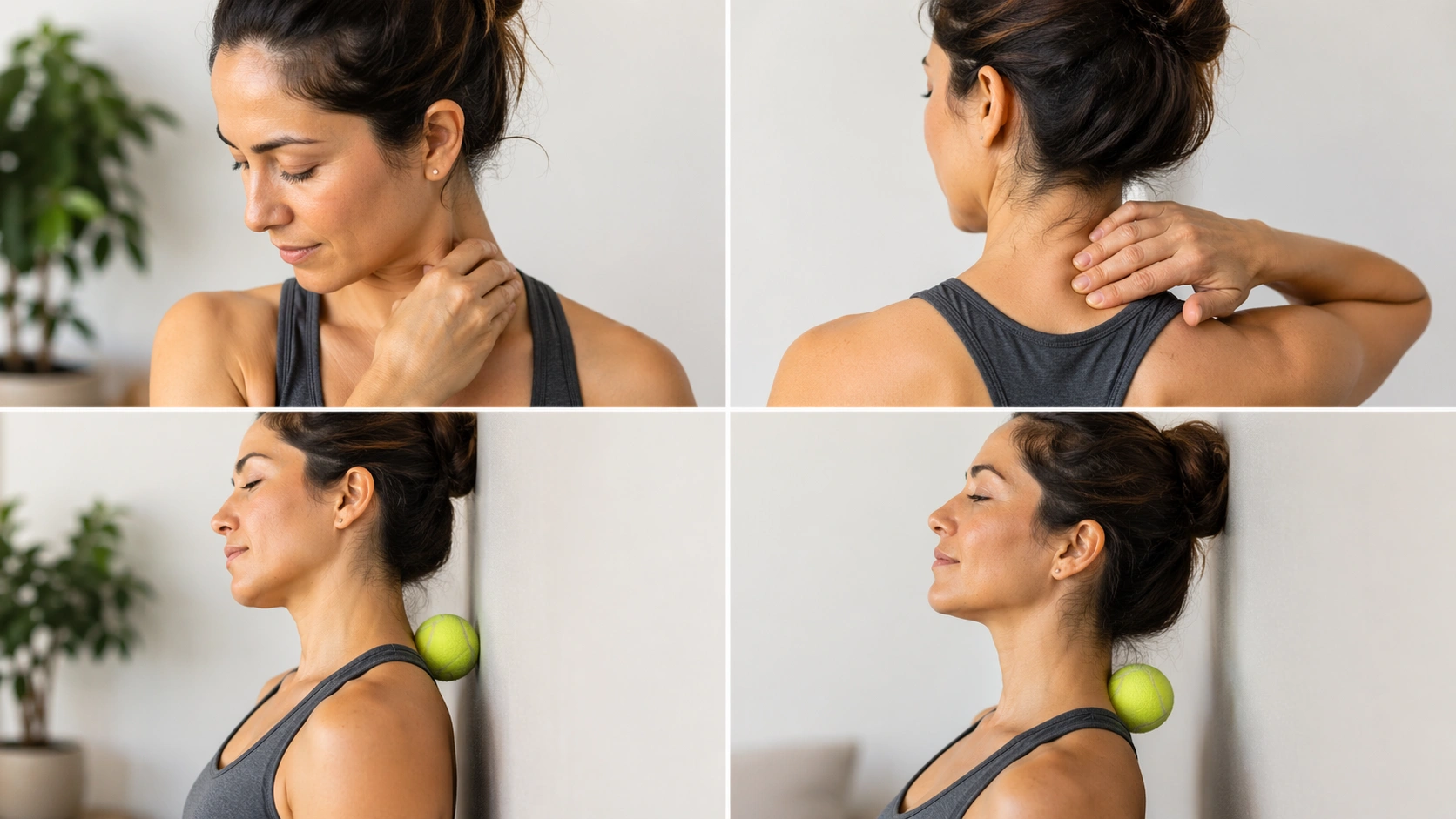
Most everyday neck pain is not about one big injury. It is often a mix of tight muscles, irritated soft tissue, stiff joints, and poor movement habits. The neck also works closely with the upper back and shoulders, so tension in one area often spreads to the others.
Common causes of neck pain
- Long hours at a desk with your head pushed forward
- Sleeping in a twisted or unsupported position
- Stress that keeps the neck and shoulders tight
- Heavy workouts that overload the upper traps
- Looking down at a phone for long periods
- Trigger points in the neck, upper back, or shoulders
Both Cleveland Clinic on neck pain and Mayo Clinic’s overview of neck pain note that posture, overuse, and muscle strain are common reasons people deal with neck discomfort.
When everyday neck pain may need extra attention
If your neck pain started after a fall, car accident, or hard hit, do not treat it like simple stiffness. The same goes for pain with numbness, arm weakness, fever, severe headache, or pain that keeps getting worse. In those cases, it is smarter to get medical help instead of trying to push through it.
How Neck Pain Builds Up in the Body
Muscle tension, trigger points, and stiff fascia
Your neck muscles do a lot of quiet work all day. They hold your head up, stabilize your posture, and react to stress. When they stay tight too long, small tender spots called trigger points can form. These spots can make your neck feel stiff, sore, and hard to turn. Tight fascia and irritated soft tissue can make that stiffness last longer than it should.
How poor posture overloads the neck and shoulders
When your head drifts forward, your neck muscles have to work harder to support it. That extra load usually lands on the back of the neck, the upper traps, and the area between the shoulder blades. This is why desk workers often feel a mix of neck pain, shoulder tightness, and upper back fatigue at the same time.
Why movement, heat, and support often help
Gentle movement can improve mobility and stop the neck from getting even stiffer. Heat may help tight muscles relax and support blood flow. Self-massage can calm trigger points and reduce that heavy, knotted feeling. Better support at your desk and in bed helps prevent the same strain from building back up.
How to Reduce Neck Pain at Home Step by Step
Step 1: Reset your posture and stop the aggravating position
First, stop doing the thing that is clearly irritating your neck. If you are hunched over a laptop, raise the screen. If you are cradling your phone between your ear and shoulder, stop. Pull your chin back gently, relax your shoulders, and sit tall without forcing a military-straight posture.
Step 2: Use heat or ice the right way
For tight, stiff muscles, heat often works best. A heating pad or warm shower for 10 to 15 minutes can help the neck loosen up. Ice may help more if the area feels freshly irritated after a workout or awkward movement. Do not put either one directly on bare skin for too long.
Step 3: Do gentle neck mobility work
Do not yank your neck into a hard stretch. Go slow. I usually tell people to start with these simple moves:
- Chin tucks for 5 to 8 reps
- Slow head turns right and left for 5 reps each side
- Gentle side bends for 3 to 5 reps each side
- Shoulder rolls for 10 reps
- Upper back chest opener for 20 to 30 seconds
If you want a basic reference for safe stretching ideas, this Healthline neck stretching guide is a helpful overview.
Step 4: Add a simple neck self-massage routine
Use your fingertips to massage the muscles on the back and sides of your neck. Work slowly. You can also use a tennis ball against a wall for the upper traps and the muscles just above the shoulder blade. Hold on sore spots for 20 to 30 seconds, then ease off. Avoid pressing hard on the front of the neck or directly on the spine.
Step 5: Support your neck during work and sleep
Your setup matters more than most people think. During the day, keep your screen closer to eye level and your elbows supported. At night, try to keep your neck in a neutral position instead of cranked too high or too low. A supportive pillow can make a big difference if you often wake up stiff.
Step 6: Repeat a short daily routine for lasting relief
The biggest mistake I see is doing one long session and then nothing for three days. Short and steady works better. A 10-minute routine done once or twice a day usually beats a random 40-minute session when your neck is already irritated.
- 5 minutes of heat
- 3 minutes of gentle movement
- 2 minutes of self-massage
- Posture check every hour
Best Uses and Real-Life Situations Where This Works Well
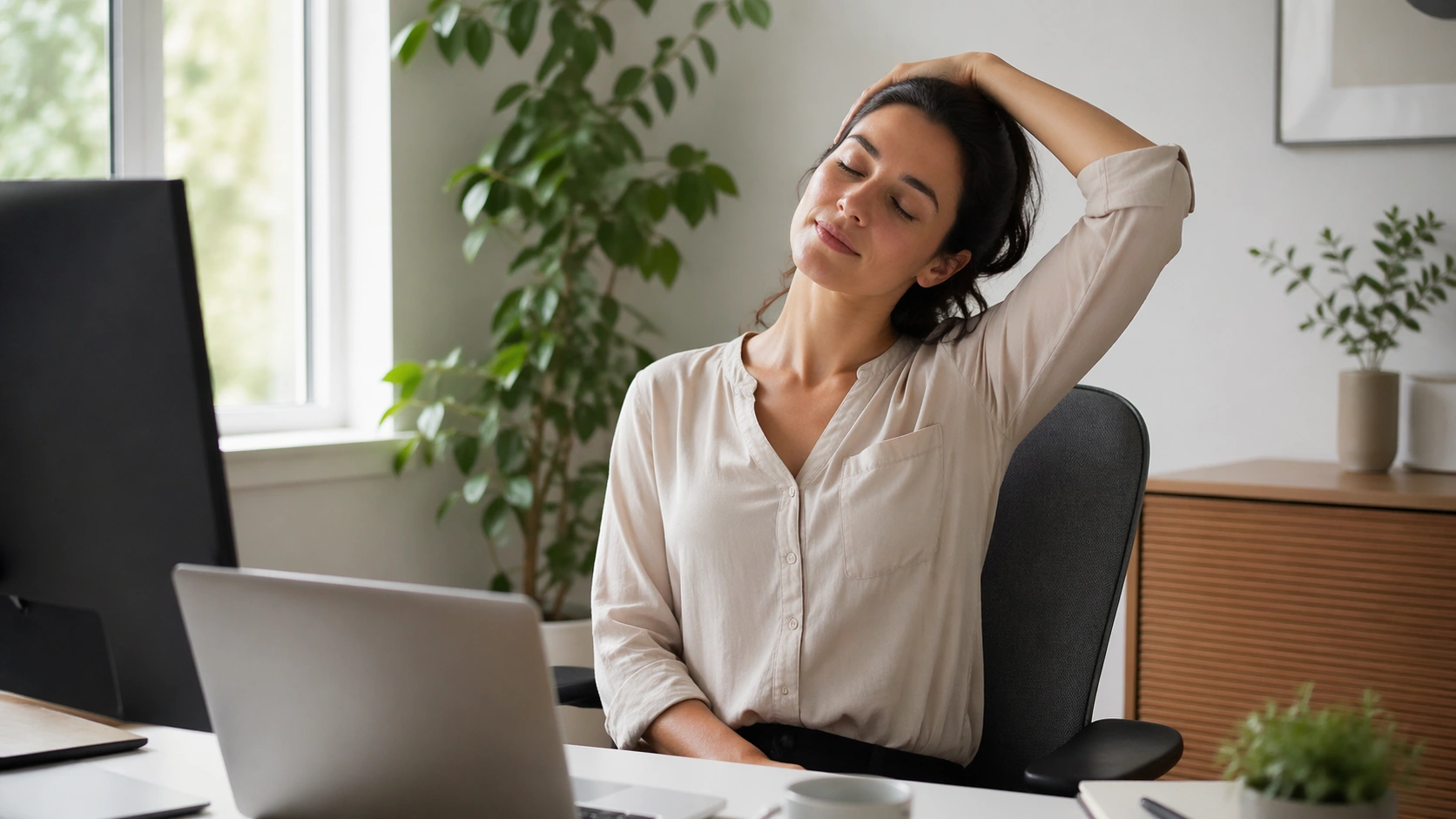
Office workers with neck tension
If your pain gets worse after emails, meetings, or laptop work, posture changes, chin tucks, and a neck massager in the evening may help a lot.
People who wake up with a stiff neck
If mornings are the worst part of your day, your pillow height and sleep position may be part of the problem. A cervical pillow often works better than trying to stretch aggressively as soon as you wake up.
Post-workout tightness in the upper traps
If your neck feels sore after lifting, the real issue is often the upper traps and shoulders. Heat, light mobility work, and gentle massage around the upper trap area may help more than hammering the neck itself.
Stress-related neck and shoulder tension
Stress has a way of making the shoulders creep upward. When that happens all day, the neck stays loaded. A short evening routine with heat, slow breathing, and self-massage can be surprisingly effective before bed.
Common Neck Pain Problems and the Fixes That Usually Help
| Problem | What It Often Means | What Usually Helps |
|---|---|---|
| Stiff neck after sleeping | Poor pillow height or awkward sleep position | Gentle movement, heat, and a better cervical pillow |
| Neck pain after desk work | Forward head posture and upper trap overload | Screen setup, chin tucks, hourly movement, self-massage |
| Sore neck after workouts | Overuse strain in traps and shoulders | Heat, light recovery work, and gentler pressure on tight spots |
| One tight knot near shoulder | Trigger point in upper trap or levator area | Tennis ball release, massage, and posture correction |
| Neck feels tight at night | Stress tension and poor relaxation habits | Warm shower, light stretching, and calming bedtime routine |
| Pain when turning your head | Limited mobility and irritated soft tissue | Slow range-of-motion work and avoiding sudden stretching |
Common Mistakes to Avoid When Trying to Relieve Neck Pain
- Stretching too hard when the area is already irritated
- Using a massage gun directly on the front or bony part of the neck
- Ignoring your desk setup and only treating the pain at night
- Using a pillow that pushes your head too far up
- Staying in one position for hours without moving
- Pressing too hard on trigger points and making the area angrier
- Trying too many tools at once instead of keeping a simple routine
Safety Tips and Best Practices
When to avoid certain tools or techniques
Avoid aggressive massage if the area feels sharply painful, bruised, or freshly injured. Be careful with massage guns around the neck. I only like them for the upper traps and surrounding shoulder muscles, not the front of the neck and not right over the spine.
How long to use heat, massage, and stretching
Keep heat sessions around 10 to 15 minutes. Self-massage can be short too. You do not need a marathon session. Gentle stretching should feel relieving, not sharp. If a move increases pain while you do it, back off right away.
When to see a healthcare professional
Get medical advice if your pain shoots down the arm, comes with numbness or weakness, follows an accident, or does not improve after a couple of weeks of simple self-care. The Mayo Clinic neck pain treatment guide is a useful reference on when self-care is enough and when more evaluation may be needed.
Tool and Product Recommendations for Neck Pain Relief
I do not think everyone needs to buy a bunch of gear. But the right tool can make your routine easier, especially if your neck pain comes from desk work, bad sleep, or daily tension.
| Tool | Best For | Why It Helps | Best Fit |
|---|---|---|---|
| Heating pad | Stiff muscles and evening tension | May help muscles relax before stretching or massage | Great for desk workers and stress-related tightness |
| Neck massager | Upper trap knots and daily tension | Provides steady pressure without tiring your hands | Best for home use after work |
| Cervical pillow | Waking up with neck pain | Supports a more neutral sleep position | Best for side and back sleepers |
| Tennis ball or lacrosse ball | Trigger point self-massage | Targets one tight spot at a time | Best for budget-friendly home relief |
| Mini massage gun | Upper traps after workouts | Can help surrounding muscles feel less tense | Best for athletes who use it carefully |
Best neck pain tools for home use
If I had to narrow it down, I would start with a heating pad if your pain feels stiff, a cervical pillow if you wake up sore, and a neck massager if your upper traps stay tight after work. Those three cover the most common everyday neck pain patterns I see.
Nekteck Shiatsu Neck and Shoulder Massager with Heat
A solid pick for desk-job tension when your upper traps feel tight and your hands are tired of doing all the work.
Ergonomic Cervical Neck Pillow
A practical choice if you wake up stiff and need better sleep support instead of more stretching every morning.
Neck Massager vs Stretching vs Cervical Pillow: What Works Best?
| Option | Best For | Main Strength | Limit |
|---|---|---|---|
| Stretching | Mild stiffness and limited mobility | Free and easy to do anywhere | Less helpful if you stretch too hard or skip posture changes |
| Self-massage | Trigger points and shoulder knots | Good targeted pressure on tight spots | Takes some technique and hand effort |
| Neck massager | Daily tension after work | Consistent pressure with less effort | Not ideal for every pain type or very sensitive necks |
| Cervical pillow | Morning neck pain and poor sleep support | Works while you sleep and may reduce repeat strain | Needs a few nights to judge properly |
| Mini massage gun | Upper trap soreness after workouts | Fast recovery support around the shoulders | Should not be used aggressively on the neck itself |
If you ask me what works best for office workers, I usually say start with stretching plus posture changes. If your pain is worst at night, a neck massager may help more. If your pain is worst in the morning, I would look at your pillow first.
FAQ
How can I reduce neck pain fast at home?
Use heat for 10 to 15 minutes, do gentle neck movements, and stop the posture or activity that is irritating the area. A short self-massage session may also help.
Is heat or ice better for neck pain?
Heat is often better for tight, stiff muscles. Ice may help more if the pain feels freshly irritated after exercise or an awkward movement.
Do neck massagers actually help?
Yes, many people find them helpful for daily muscle tension and upper trap tightness. They work best as part of a full routine, not as the only fix.
Can bad posture cause neck pain?
Yes, poor posture can overload the neck and shoulders over time. Forward head posture is one of the most common reasons desk workers feel tight and sore.
What is the best sleeping position for neck pain?
Back sleeping or side sleeping with your neck in a neutral position usually works best. A supportive pillow matters more than trying to force one perfect position.
When should I see a doctor for neck pain?
See a doctor if pain follows an accident, shoots down your arm, comes with numbness or weakness, or does not improve after a couple of weeks of basic self-care.
Conclusion
To reduce neck pain, keep it simple. Move gently. Fix the position that is causing the problem. Use heat, self-massage, and better support during work and sleep. In my experience, the people who improve fastest are the ones who stick with a short daily routine instead of waiting for one magic fix. If you want to make that routine easier, a good neck massager or cervical pillow can be a smart next step.