
By Ryan Mitchell
Last updated: October 25, 2026
As an Amazon Associate, we earn from qualifying purchases.
Quick Answer
Relaxation training often lowers resting heart rate a few beats per minute and can raise heart rate variability by shifting the body toward parasympathetic (rest-and-digest) activity. Slow breathing and progressive muscle relaxation are two common methods. Results vary by person and practice consistency.
When you feel stressed, your heart can speed up. Relaxation training aims to reverse that pattern. Techniques such as slow breathing or progressive muscle relaxation teach the nervous system to ease out of “fight-or-flight” mode. Many people notice a calmer pulse and steadier breathing after regular practice. This article explains the main effects on heart rate, why they occur, and practical ways to try the methods safely.
Key Takeaways
- Relaxation training can modestly reduce resting heart rate and improve heart rate variability in many healthy adults.
- The main pathway is increased parasympathetic (vagal) activity and reduced sympathetic drive.
- Slow breathing around 6 breaths per minute and progressive muscle relaxation are two well-studied approaches.
- Effects are usually gradual; talk with a clinician if you have heart concerns, take rate-affecting medication, or are pregnant.
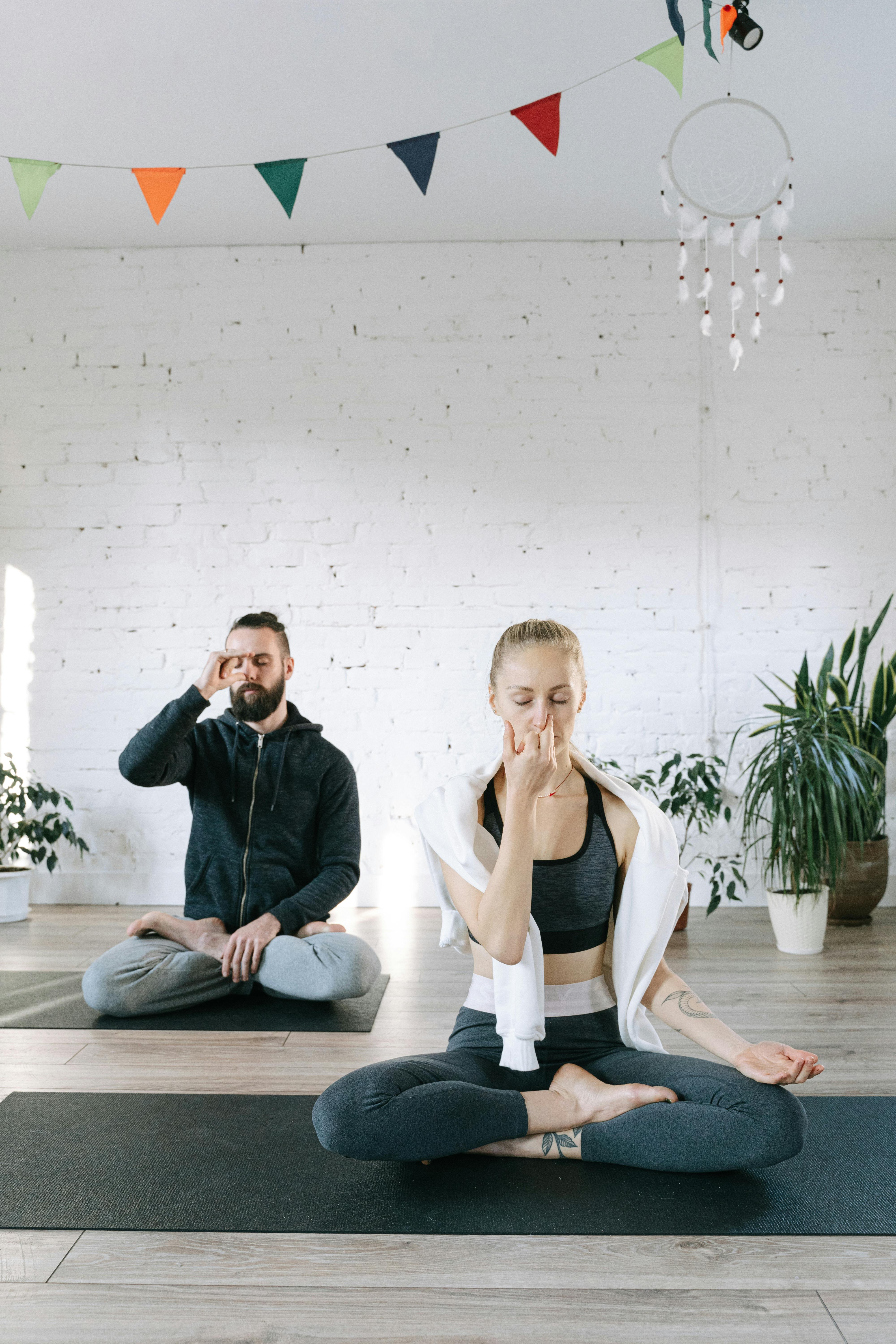
What Relaxation Training Actually Does to Heart Rate
Relaxation training is a set of deliberate practices that reduce physical tension and mental arousal. The two most studied forms for heart-rate effects are progressive muscle relaxation (systematically tensing and releasing muscle groups) and slow, paced breathing (often called resonance or diaphragmatic breathing).
In healthy adults, regular practice is linked to a small drop in resting heart rate—often around a few beats per minute in research summaries—and clearer improvements in heart rate variability (HRV). Higher HRV generally signals that the autonomic nervous system can flexibly switch between stress and rest states.
The change is not dramatic or immediate for everyone. A single short session may produce a temporary slowing; consistent practice over weeks is more likely to show lasting shifts in resting measures.
How the Autonomic Nervous System Links Relaxation and Heart Rate
Your heart rate is controlled mainly by the autonomic nervous system. The sympathetic branch speeds the heart (and raises blood pressure) when you face stress or physical demand. The parasympathetic branch, largely via the vagus nerve, slows the heart and supports recovery.
Relaxation training tips the balance toward the parasympathetic side. Slow breathing stretches the lungs and chest in a rhythm that stimulates the vagus nerve. Progressive muscle relaxation reduces ongoing muscle tension that can keep sympathetic activity elevated. Over time, both can lower baseline sympathetic tone and raise markers of vagal activity such as high-frequency HRV.
Autonomic Shift at a Glance
Sympathetic (stress)
Faster heart rate, tighter blood vessels, higher arousal
Parasympathetic (rest)
Slower heart rate, greater HRV, recovery mode
Typical Changes Seen in Studies
Research on healthy adults and some clinical groups shows several consistent patterns after weeks of practice:
| Measure | Common Direction of Change | Notes |
|---|---|---|
| Resting heart rate | Modest decrease | Often a few beats per minute |
| Heart rate variability (especially HF) | Increase | Suggests greater parasympathetic influence |
| LF/HF ratio | Often lower | Indicates less relative sympathetic dominance |
| Response to lab stressors | Blunted rise | Heart rate and blood pressure climb less sharply |
These patterns are averages. Individual results depend on baseline fitness, stress load, and how consistently the techniques are practiced.
Two Core Techniques and Their Heart-Rate Effects
1. Slow Paced Breathing
Breathing at roughly 5–7 breaths per minute (often near 6) creates a resonance effect with the baroreflex, the body’s blood-pressure control loop. This rhythm tends to increase respiratory sinus arrhythmia—the natural speeding and slowing of the heart with each breath—and raises overall HRV.
Many people start with a simple 4-second inhale and 6-second exhale, or equal counts that feel comfortable. The longer exhale especially supports parasympathetic activity. Even short daily sessions (5–10 minutes) can produce measurable HRV changes during and after the practice.
Simple Breathing Timeline
0–2 min
Settle posture, notice natural breath
2–8 min
Slow paced breathing (aim ~6/min)
8–10 min
Return to natural breathing, notice calm
2. Progressive Muscle Relaxation (PMR)
PMR involves tensing a muscle group for several seconds, then releasing it completely while noticing the contrast. Working from feet to face (or the reverse) systematically reduces residual tension. Studies show PMR can lower resting heart rate and improve HRV when practiced several times a week.
The effect appears to come from both the physical release of muscle activity and the focused attention that interrupts stress-related thought loops. Combining PMR with slow breathing often yields larger autonomic shifts than either method alone.
| Technique | Typical Session Length | Main Heart-Rate Pathway |
|---|---|---|
| Slow paced breathing | 5–15 minutes | Direct vagal stimulation via respiration |
| Progressive muscle relaxation | 10–20 minutes | Reduced muscle tension + focused attention |
| Combined practice | 15–25 minutes | Additive autonomic balancing |
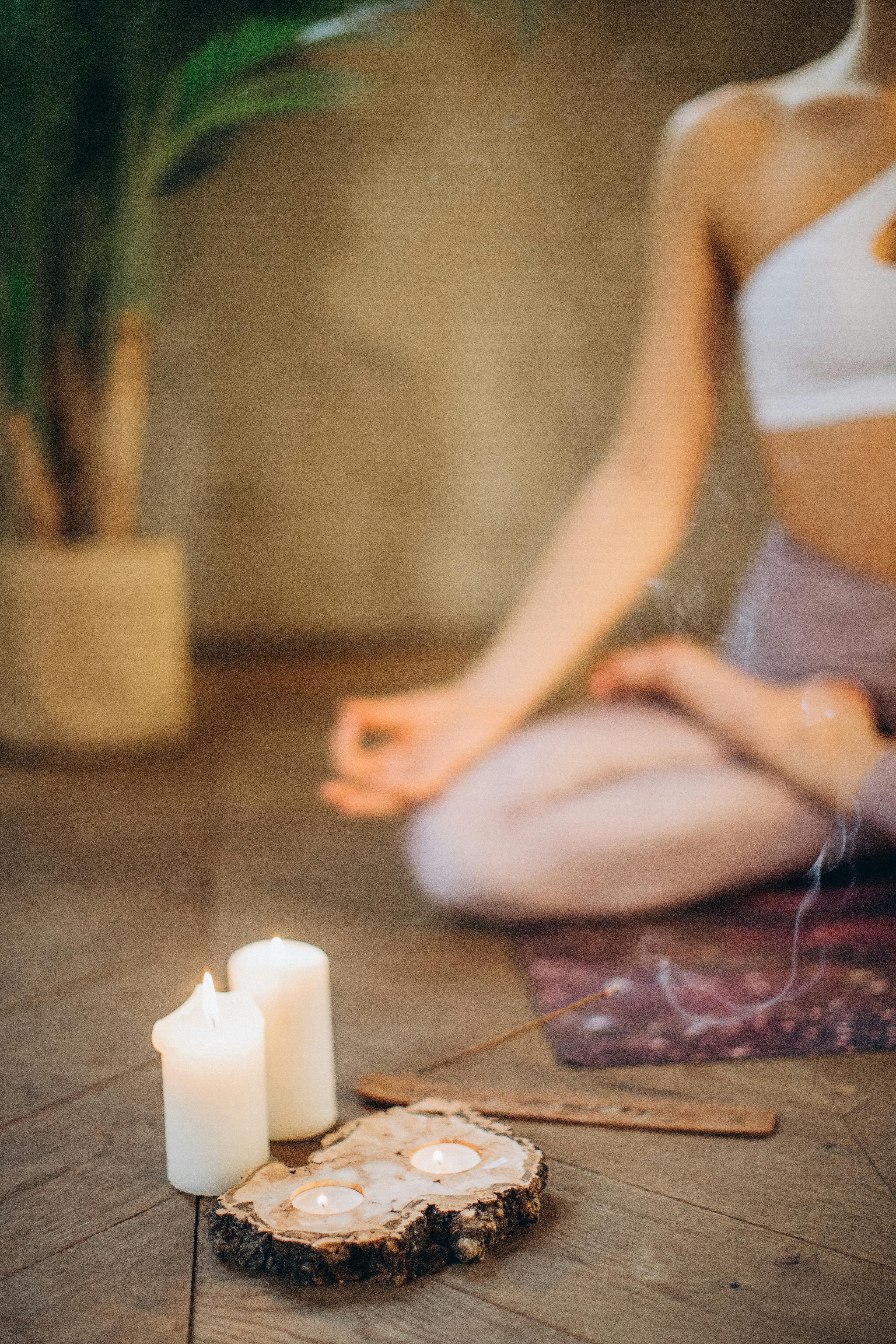
Who May Notice Changes and Who Should Be Careful
Most healthy adults can try these techniques. People under chronic stress or with elevated resting heart rates sometimes report clearer differences. Those already practicing regular aerobic exercise may start with higher baseline HRV and see smaller relative gains.
| Situation | Consideration |
|---|---|
| Healthy adult, no cardiac history | Generally suitable; start gently |
| Known heart condition or arrhythmia | Check with clinician before starting |
| Taking beta-blockers or rate-control drugs | Effects may be harder to notice; still ask provider |
| Pregnancy | Gentle breathing is usually fine; confirm with prenatal provider |
| Recent surgery or acute illness | Wait until cleared for quiet activity |
Safety Note
If you feel dizzy, light-headed, or notice unusual heart sensations during practice, stop and return to normal breathing. People with pacemakers, uncontrolled hypertension, or significant cardiac history should speak with a qualified healthcare professional before beginning any new relaxation routine.
Practical Routine You Can Start Today
A simple combined routine works for many people:
10–15 Minute Daily Sequence
- Settle (1 min) — Sit or lie comfortably. Soften the shoulders and jaw.
- Slow breathing (5–7 min) — Inhale gently through the nose for about 4 seconds, exhale for 6 seconds. Keep the belly soft.
- Brief PMR (4–5 min) — Tense and release feet, then calves, thighs, hands, arms, and shoulders. Hold each tension 5 seconds, release fully.
- Close (1 min) — Return to natural breathing and notice any change in pulse or tension.
Consistency matters more than length. Five focused minutes most days usually outperform one long session once a week. You can practice in a quiet chair at home or during a short break. Pairing the routine with gentle self-massage of the neck and shoulders can further ease residual tension; see our guide on wellness massage at home for safe techniques.
| Common Mistake | Better Approach |
|---|---|
| Forcing very deep or fast breaths | Keep the breath soft and even; stop if dizzy |
| Tensing muscles too hard in PMR | Use only 50–70 % effort; never strain |
| Expecting instant large drops in heart rate | Look for gradual changes over 2–6 weeks |
| Practicing only when already highly stressed | Build the skill on calmer days first |
Tracking Your Own Response
A simple way to notice change is to count your pulse for 15 seconds before and after a session, then multiply by four. Many consumer wearables also show resting heart rate and basic HRV trends. Record the numbers a few times a week rather than every day so you see the larger pattern.
Subjective calm and easier sleep often appear before large numerical shifts. Both matter. If numbers stay the same but you feel more settled, the practice is still useful.
Simple Tracking Checklist
- Note resting pulse (or wearable HR) on waking once or twice a week
- Rate perceived tension 1–10 before and after practice
- Log how many days you practiced that week
- Review the log after four weeks rather than daily
Limitations and Realistic Expectations
Relaxation training is not a treatment for heart disease, hypertension, or arrhythmia. It does not replace prescribed medication or medical care. Effects are generally modest and work best as part of broader habits that include movement, sleep, and stress management.
Some people feel little change in heart rate even after consistent practice; that does not mean the method failed. Autonomic responses differ widely. For pregnancy-specific guidance on calm techniques, see our page on stress relief safety during pregnancy.
| What Research Suggests | What It Does Not Claim |
|---|---|
| Modest resting HR reduction and higher HRV possible | Guaranteed large drops or “cures” for heart conditions |
| Blunted response to lab stressors after training | Protection against all real-world stress |
| Benefits often appear after several weeks of practice | Instant or permanent change after one session |
Decision Path: Is This Worth Trying?
Yes, start gently if
- You want a low-cost calming skill
- You have no major cardiac concerns
- You can spare 10 minutes most days
Check with a clinician first if
- You have known heart disease
- You take rate-affecting medication
- You are pregnant or recently postpartum
Frequently Asked Questions
Does relaxation training lower blood pressure as well as heart rate?
Many studies show parallel modest reductions in systolic and diastolic pressure alongside heart-rate changes, especially with consistent practice. The effect size varies and is not a substitute for prescribed blood-pressure care.
How long before I might notice a change in resting heart rate?
Some people feel calmer within a few sessions. Measurable resting heart-rate shifts more often appear after two to six weeks of regular practice. Individual timelines differ.
Is it safe to practice while lying down?
Yes for most people. Lying down can make it easier to notice muscle release. If you tend to fall asleep mid-practice and that is not your goal, sit upright in a comfortable chair instead.
Can I use a wearable to guide my breathing rate?
Many devices and free apps offer paced-breathing guides set to six breaths per minute. They can help you stay consistent. Focus more on comfort than exact numbers.
What if my heart rate stays the same?
That is common. Benefits can still appear as reduced tension, better sleep onset, or less reactivity to daily stressors. Keep the practice if it feels useful, or adjust the method.
Should older adults modify the techniques?
Use gentler muscle tension and shorter sessions if joints or balance are concerns. Breathing practice alone is often sufficient and easier to sustain.
Final Thoughts
Relaxation training offers a practical, low-cost way to support a calmer heart rate and greater heart rate variability by encouraging parasympathetic activity. Slow breathing and progressive muscle relaxation are the two approaches with the clearest research support for these effects.
Start with short, comfortable sessions. Track how you feel more than exact numbers. If you have any cardiac history, take medication that affects heart rate, or are pregnant, check with a qualified healthcare professional before beginning. The most useful skill is the one you can keep doing consistently and safely.