If you've ever wondered how does shiatsu massage work, here's the direct answer: it applies sustained pressure along mapped energy channels in the body, using thumbs, palms, elbows, and knees to restore circulation, decompress fascial tissue, and shift your nervous system toward recovery. It isn't a luxury spa rub-down or a freeform back massage. It's a structured therapeutic system with roots in Traditional Chinese Medicine and a growing body of clinical evidence behind it.
Shiatsu was formally recognized as a healthcare discipline by the Japanese government in 1964 under the Anma, Massage and Shiatsu Practitioners' Act, separating it legally from general massage work. As of 2026, it's practiced across more than 30 countries, with voluntary registration bodies in the UK, Europe, and parts of the US. What follows covers how it works, from founding theory to treatment table.

Image source: Pexels / cottonbro studio (Pexels License)
What Shiatsu Actually Is (And What It Isn't)
Shiatsu is a form of Japanese bodywork derived from anma, the traditional Japanese massage system, and shaped by the principles of Traditional Chinese Medicine. The word combines "shi" (finger) and "atsu" (pressure), though in practice the whole hand, forearm, elbow, and knee are used. The defining feature isn't the tool. It's the quality and direction of the pressure applied.
Unlike Swedish or deep tissue massage, shiatsu doesn't use oils or sliding strokes. The client remains fully clothed throughout, lying on a low futon mat on the floor. Pressure is applied perpendicularly into the body, held for several seconds at each point, then released before moving to the next location along a specific energy pathway.
It's also not acupuncture. Shiatsu works on the same mapped network of channels and points, but without needles. The practitioner's thumbs and palms do the work instead, making it accessible to anyone who wants the benefits of point-based stimulation without a clinical setting.
Shiatsu isn't a generic relaxation treatment a therapist improvises on the day. A skilled practitioner follows a diagnostic process before touching you, assesses which energy channels need attention, and structures the whole session around those findings. That distinction matters more than most people realize before they try it.
The Theory Behind the Pressure: Meridians, Qi, and Tsubo Explained
The theoretical framework of shiatsu comes from Traditional Chinese Medicine, specifically the concept that the body contains a network of channels (meridians) through which a vital energy called Qi (pronounced "chee," written as Ki in Japanese) flows continuously. When Qi flows freely and in balance, the body maintains health. When it becomes blocked, deficient, or excessive in a particular channel, symptoms develop.
There are 14 main meridians: 12 organ-specific channels including Lung, Large Intestine, Stomach, Spleen, Heart, Small Intestine, Bladder, Kidney, Pericardium, Triple Heater, Gallbladder, and Liver, plus two extraordinary vessels: the Governing Vessel running up the spine and the Conception Vessel running along the front midline. Each meridian connects a surface pathway on the body to an internal organ system in the TCM model.
Along these meridians sit more than 365 classical tsubo, the specific pressure points where Qi pools or can be most effectively influenced. Think of tsubo as access points where a practitioner can most directly affect the energetic and physiological state of the related channel. Symptoms like lower back pain, digestive discomfort, or persistent anxiety each map to specific meridians in this framework.
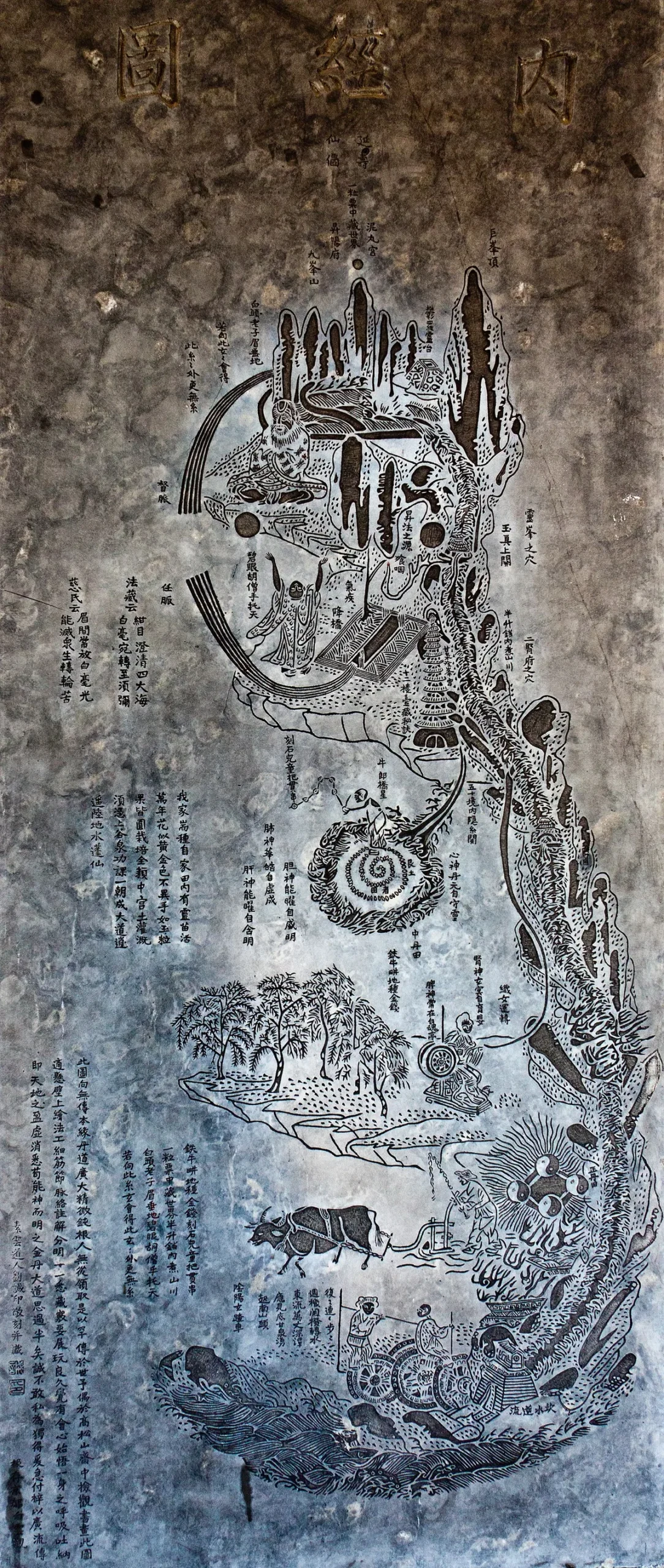
Image source: Wikimedia Commons / Nikolaj Potanin from Russia (CC BY-SA)
One important caveat: the TCM meridian model is a conceptual framework built over centuries of empirical observation. It isn't an anatomically demonstrated structure in the Western biomedical sense. Researchers are actively exploring correlations between meridian pathways and fascial planes, interstitial fluid channels, and connective tissue networks, but the physiological basis remains an open area of scientific inquiry rather than settled fact.
The Two Main Styles: Namikoshi vs. Zen Shiatsu (Masunaga)
Modern shiatsu practice traces back to two key figures, and understanding what separates their approaches clarifies what you're likely to receive in a session today.
| Style | Developer | Core Focus | Diagnostic Method | TCM Integration |
|---|---|---|---|---|
| Namikoshi Shiatsu | Tokujiro Namikoshi (1940s) | Physiological: muscles, nerves, circulation | Visual and palpatory assessment | Minimal, anatomically grounded |
| Zen Shiatsu | Shizuto Masunaga (1970s) | Energetic and holistic | Hara diagnosis, kyo/jitsu model | Full Five Element and meridian theory |
Tokujiro Namikoshi developed the original formalized system with a physiological rather than philosophical emphasis. His approach focuses on anatomy, the nervous system, and muscle function, and it earned formal government recognition. It remains the standard in Japanese professional training schools today.
Shizuto Masunaga, a student and later teacher at the Japan Shiatsu College, expanded the system significantly in the 1970s. He extended the classical meridian map into the limbs, introduced the kyo/jitsu diagnostic model, and integrated deeper Eastern philosophy into practice. His work, published as Zen Shiatsu, became the dominant style taught across the UK and much of Europe.
Most practitioners working today blend both. Namikoshi's anatomical grounding provides precision. Masunaga's diagnostic framework gives each session structure and individualization. Neither is strictly superior.
The right practitioner draws from both.
What Happens Inside Your Body During a Shiatsu Session
The effects of shiatsu aren't explained by a single mechanism. Several well-supported physiological processes work simultaneously, and they map clearly to the outcomes that clinical research and client experience consistently report.
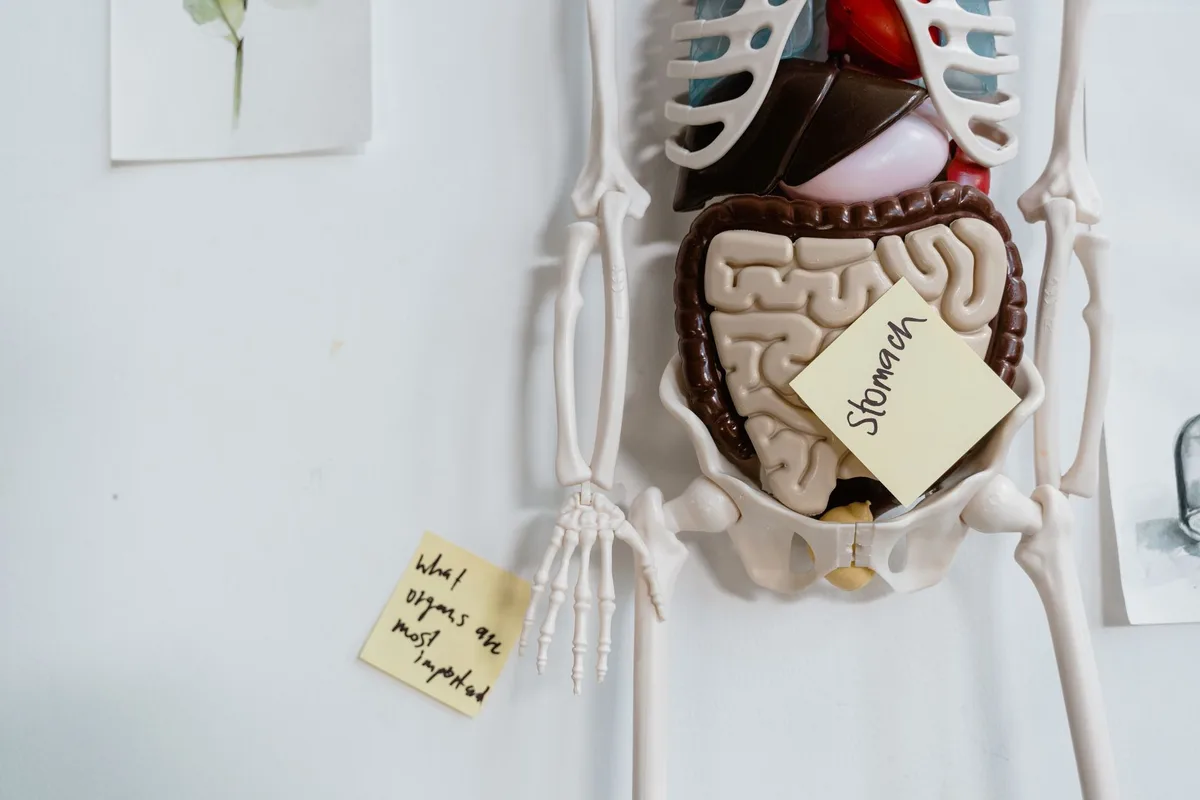
Image source: Pexels / MART PRODUCTION (Pexels License)
The Nervous System Response: Why Sustained Pressure Triggers Deep Relaxation
Sustained, still pressure activates the parasympathetic branch of the autonomic nervous system, which governs rest, digestion, and recovery. This is the counterpart to the sympathetic state that chronic stress keeps most people locked into.
Research reviewed by the National Center for Complementary and Integrative Health shows that manual pressure therapies consistently reduce cortisol levels, slow heart rate, and lower blood pressure in clinical settings. The held-pressure technique central to shiatsu appears particularly effective at triggering this response compared to moving strokes, because it sustains the proprioceptive input to the nervous system rather than passing through it.
Endorphin and serotonin release follow, which explains the mood lift and pain reduction many clients report. Vagal tone, the measure of how well the vagus nerve regulates the stress response, also improves with repeated treatment over time.
Fascia, Circulation, and the Tissue-Level Effects
Shiatsu also works at the level of the myofascial network: the continuous web of connective tissue surrounding every muscle, organ, and bone in the body.
Sustained perpendicular pressure compresses and then decompresses fascial tissue. This draws fresh interstitial fluid into the matrix, hydrating the tissue and reducing the local stiffness that builds in areas of chronic tension. It's a clear reason clients often feel physically lighter after a session, even when no aggressive stretching was applied.
Local circulation improves at each pressure point, and lymphatic drainage benefits from the rhythmic compression and release across a full meridian treatment sequence. These effects don't require TCM theory to explain; they're consistent with what Western manual therapy research has established for sustained pressure techniques generally.
The Kyo and Jitsu Model: Reading Deficiency and Excess in the Body
Masunaga's kyo and jitsu model gives practitioners a palpatory language for what their hands are finding. Kyo means deficient, hollow, lacking vitality: tissue that feels empty, cool, or collapses under gentle pressure. Jitsu means excess, blocked, reactive: tissue that feels tense or pushes back.
A practitioner trained in this model doesn't apply uniform pressure across the whole body. They locate the most kyo meridian through hara diagnosis and give it deep, sustained, tonifying contact. Jitsu areas receive lighter, dispersing pressure to release what's excessive and restore flow.
Skilled practitioners report consistent correlations between palpatory findings and a client's presenting symptoms. The underlying mechanism remains an active area of research, but the diagnostic framework gives each session a level of personalization well beyond any standardized protocol.
What a Real Shiatsu Session Looks Like From Start to Finish
Here's the actual sequence of a professional session, from the first diagnostic contact to the end of treatment.

Image source: Pexels / RDNE Stock project (Pexels License)
The Hara Diagnosis: Why a Practitioner Touches Your Abdomen First
Hara means abdomen in Japanese, and in Zen Shiatsu, the abdominal surface functions as a diagnostic map where all 12 organ meridians have representative zones. The practitioner places their hands gently on the abdomen and palpates each zone in turn, comparing the tissue quality beneath.
What they're looking for is the most kyo zone (softest, most vacant) and the most jitsu zone (most reactive, most tense). The relationship between those two findings shapes the entire treatment plan for that session.
For clients new to shiatsu, this part can feel unexpected. It's gentle and non-invasive, taking only a few minutes. It's often the most diagnostically rich moment of the whole session.
How Meridians Are Worked in Sequence
Once the diagnostic picture is established, the practitioner works through the body systematically. The client moves between several positions: prone (face down), supine (face up), side-lying, and sometimes seated.
Pressure is applied along the full length of each meridian pathway, from its proximal origin toward its distal end. Palms and forearms cover broader sections. Thumbs work individual tsubo with sustained holds. Passive stretches and joint rotations extend the treatment's reach into tissue that direct pressure alone can't access.
Both sides of the body are assessed and compared throughout. Asymmetry in tissue quality between left and right often reveals additional information about which meridians are most imbalanced.
Pressure Tools Used: Thumbs, Palms, Elbows, and Knees
The range of contact surfaces a shiatsu practitioner uses sets it apart from most other massage modalities.
- Thumbs: Most precise contact point. Used for individual tsubo, particularly along the back, legs, and arm channels.
- Palms and fingers: Applied to broader areas like the upper back, sacrum, and hips. Good for warming the meridian before deeper work.
- Elbows and forearms: Used on large muscle groups such as the gluteals and upper trapezius where deeper penetration is needed.
- Knees and feet: Applied by some practitioners for broad, weight-distributed contact on the back and legs.
The critical principle across all of these is that pressure comes from the practitioner's body weight leaning in, not from muscular force. This produces contact that clients consistently describe as penetrating but not aggressive. Sessions typically run 60 to 90 minutes.
What the Research Actually Says About Shiatsu's Effects
Research on shiatsu is genuinely promising in several areas, but the evidence base deserves an honest look. Most studies to date are small, use varying treatment protocols, and don't always control well for placebo effects. That doesn't mean shiatsu doesn't work. It means the research is still catching up to the clinical experience.
The best-evidenced outcomes are in anxiety reduction, sleep quality, and pain management. Multiple randomised controlled trials have found statistically significant reductions in anxiety symptoms following a course of shiatsu sessions. Studies on insomnia consistently report improved sleep onset and quality, particularly in populations managing chronic stress or fatigue.
For pain, the evidence is solid for musculoskeletal conditions including lower back pain, neck tension, and headache. Evidence for shiatsu's effects on cancer-related symptoms, including nausea, fatigue, and pain, is also growing, particularly in palliative care settings where it's increasingly included in formal supportive care programmes.
Where the research is thinner is in TCM-specific mechanisms. Studies can measure outcomes but haven't yet established a clear causal link between specific meridian stimulation and those outcomes. Researchers affiliated with university integrative medicine programmes continue to investigate the physiological pathways involved, with fascial and autonomic nervous system models currently attracting the most scientific interest.
Proven Benefits of Shiatsu Massage
The outcomes that aggregate evidence and clinical practice consistently support fall into several categories.
Nervous system and stress:
- Reduced cortisol levels following a session
- Lower heart rate and blood pressure during treatment
- Measurable improvement in vagal tone with repeated sessions
- Reduced severity of anxiety symptoms across multiple clinical trials
Sleep and fatigue:
- Improved sleep onset and quality in chronic stress and insomnia populations
- Reduced fatigue scores in cancer patients receiving supportive care
- Reported energy recovery in clients presenting with burnout patterns
Pain and musculoskeletal function:
- Reduced lower back pain intensity and improved mobility
- Decreased neck and shoulder tension, particularly in postural strain patterns
- Reduced frequency and severity of tension headaches
- Improved joint range of motion following sessions that include passive mobilisation
Digestive and systemic:
- Reported improvement in IBS-related symptoms including bloating and irregular bowel patterns
- Lymphatic drainage improvement from rhythmic meridian compression and release
Who Shiatsu Is Best For — And When It Makes the Most Sense
Shiatsu works best for people whose issues have a strong nervous system, musculoskeletal, or stress-related component. If your body is holding chronic tension, if you're not sleeping, or if you've tried physiotherapy for persistent pain without lasting relief, shiatsu is worth a genuine trial.
It's particularly well-suited to:
- Office workers and desk-based professionals with postural neck and shoulder tension, repetitive strain patterns, and stress-driven fatigue
- Athletes in recovery who want deep circulatory and fascial work without massage oil or the clinical environment of sports physiotherapy
- People managing chronic anxiety or burnout who want treatment working on the nervous system rather than just the muscles
- Anyone who dislikes oil massage or finds conventional massage too passive and disconnected from their actual symptoms
- Elderly clients seeking gentle bodywork that addresses circulation and joint mobility without aggressive pressure
- Pregnant clients in the second and third trimester where adapted shiatsu with a qualified practitioner can support lower back pain, pelvic discomfort, and disrupted sleep
Shiatsu is less well-matched to people looking for targeted sports massage on a specific acute injury, or those expecting the gentle oil massage of a spa setting. Managing that expectation before booking avoids disappointment.
Hard Contraindications: When Shiatsu Is Not Safe
This section matters. Shiatsu involves sustained, directed pressure, and there are conditions where receiving it carries genuine risk. A responsible practitioner screens for all of these at intake. If you have any of the following, shiatsu should not proceed without direct guidance from your GP or specialist.
Absolute contraindications:
- Deep vein thrombosis (DVT): Pressure over or near a clot carries a risk of dislodgement. Never proceed until medically cleared.
- Active cancer at a treatment site: Pressure over a tumour or active lymphatic involvement should be avoided entirely. Adapted work away from affected areas may be possible under oncology guidance.
- Severe osteoporosis: Risk of fracture under sustained pressure. Medical clearance required before any session.
- Open wounds, burns, or active skin infections: No direct pressure or contact over affected tissue.
- Acute fever or infectious illness: Treatment should wait until full recovery.
- Blood clotting disorders or anticoagulant therapy: Including warfarin, heparin, and newer anticoagulants. Increased bruising risk and potential for vascular complications.
- Post-surgical sites or recent fractures: No pressure over healing tissue until medically cleared.
- Acute inflammatory arthritis flare: Working during a flare can aggravate inflammation. Treatment should wait until the flare subsides.
- Cardiovascular instability or acute cardiac event recovery: Requires direct medical clearance before any manual therapy.
Conditions That Need a Modified Approach
Several health situations don't rule out shiatsu but require a practitioner with specific training and a carefully adapted treatment.
Pregnancy is the most common. During the first trimester, many practitioners decline to treat, not because a causal link between shiatsu and miscarriage has been established, but because several tsubo are traditionally associated with stimulating uterine contractions. The points most consistently avoided during pregnancy include SP6 (Spleen 6, above the inner ankle), LI4 (Large Intestine 4, between thumb and index finger), GB21 (Gallbladder 21, at the shoulder summit), and BL67 (Bladder 67, at the outer tip of the little toe). A practitioner trained in pregnancy shiatsu will work around these points and adapt overall pressure throughout.
For elderly clients, the primary adaptations are reduced overall pressure, careful attention to skin fragility, and avoiding deep elbow work in areas where bone density may be compromised. Ask specifically whether the practitioner has experience with older clients before booking for a relative.
For oncology clients, adapted shiatsu has a growing evidence base in supportive and palliative care settings. Qualified practitioners in this context avoid direct pressure over tumour sites, active lymph node involvement, and areas undergoing radiation treatment. Always inform both your oncologist and your shiatsu practitioner before starting.
Hypermobility syndromes, including hypermobile Ehlers-Danlos Syndrome, require a practitioner who understands joint instability. The passive stretching elements of shiatsu should be significantly reduced, and pressure near unstable joints applied with care. Ask about this directly when booking.
Shiatsu vs. Acupuncture, Swedish Massage, and Tuina: What's Actually Different
The clearest way to understand shiatsu is to place it directly against the therapies it's most often confused with.
| Modality | Origin | Contact style | Theory base | Core technique | Best suited to |
|---|---|---|---|---|---|
| Shiatsu | Japan | Clothed, no oil | TCM meridians, Ki | Sustained perpendicular pressure | Stress, chronic pain, nervous system |
| Acupuncture | China | Needles at tsubo | TCM meridians, Qi | Needle insertion | Precise point stimulation |
| Swedish massage | Europe | Oil on bare skin | Western anatomy | Gliding and kneading strokes | General relaxation, muscle tension |
| Tuina | China | Clothed or bare, variable | TCM meridians, Qi | Rolling, grasping, percussion | Musculoskeletal, active manipulation |
Shiatsu vs. acupuncture is the most common point of confusion because both share the same theoretical foundation: TCM meridian theory, Qi, and tsubo. The difference is purely delivery. Acupuncture uses fine needles inserted at specific tsubo. Shiatsu uses manual pressure at the same points.
Clinical outcomes across both modalities overlap considerably, and people who want meridian-based treatment without needles often move from acupuncture to shiatsu for exactly this reason.
Shiatsu vs. Swedish massage is almost a non-comparison in practice. Swedish uses gliding effleurage and kneading petrissage on bare skin with oil, targeting muscle tissue directly. Shiatsu works through clothing, uses no oil, follows meridian pathways rather than muscle groups, and holds pressure rather than moving through it.
The feel, the theory, and the intent are entirely different.
Shiatsu vs. Tuina is where genuine overlap exists. Tuina is the Chinese manual therapy tradition rooted in the same TCM meridian framework as shiatsu. Both work without needles on the same channel and point system.
The distinction is technique: Tuina uses dynamic rolling, grasping, and percussion that feels more vigorous and physically active. Shiatsu uses quieter, held pressure with a slower rhythm. Which suits you better is largely a preference for the quality of contact.
What to Expect After Your First Session (Including the Healing Response)
Most people leave a shiatsu session feeling deeply relaxed, sometimes almost drowsy. That's the parasympathetic shift at work and it's entirely normal. What happens in the following 12 to 48 hours is worth knowing about before you go.
Common post-session responses include:
- Temporary fatigue or sleepiness, particularly in the evening after a session
- Mild muscle soreness, similar to the aching you'd feel a day after moderate exercise
- Increased thirst, as the body processes the circulatory and lymphatic shifts from treatment
- Changes in bowel or digestive patterns, usually settling within 24 hours
- Emotional sensitivity or mild mood shifts, particularly if the session addressed chronic stress patterns
These are collectively called the healing response. They're a sign the treatment is working, not a sign something went wrong.
How to tell a healing response from an actual injury: a healing response settles within 48 hours and is followed by noticeable improvement. Persistent sharp pain, new swelling, worsening symptoms, or neurological changes such as numbness or tingling beyond 48 hours warrant contact with your practitioner and, if needed, your GP.
Subsequent sessions tend to produce less soreness as the body adapts. Effects also build over time. Most research and clinical consensus suggests a course of four to six sessions is needed to see lasting change in a chronic condition, rather than expecting a single session to resolve something that's been accumulating for months.
How to Find a Qualified Shiatsu Practitioner
The title "shiatsu practitioner" has no legal protection in most English-speaking countries. Anyone can use it. That makes checking credentials genuinely important before booking.
What to look for:
- Registration with a recognised professional body. In the UK, check the Shiatsu Society or the Complementary and Natural Healthcare Council (CNHC). In Europe, look for members of the European Shiatsu Federation. In Australia, ATMS (Australian Traditional Medicine Society) registration is the relevant standard.
- Completed professional training of at least three years, comprising 500 to 800 contact hours plus supervised clinical practice.
- Current professional indemnity and public liability insurance.
- A thorough health intake before your first session, including screening for all contraindications.
- A clear ability to explain their diagnostic approach and how they'd address your specific situation.
Red flags:
- No professional registration or clear training background
- No health screening before treatment begins
- Pressure to pre-purchase a block of sessions before your first appointment
- Claims to cure specific named medical conditions
Word of mouth from someone you trust is one of the most reliable ways to find a good practitioner. Failing that, the professional body directories above are the safest starting point. A brief phone call before booking, where you describe your situation and ask how they'd approach it, tells you a lot about both their competence and their communication style.
FAQs About How Shiatsu Massage Works
Is shiatsu massage painful?
Shiatsu shouldn't be painful, but it can feel intense, particularly over areas of significant tension or active kyo/jitsu imbalance. Most clients describe the pressure as a good kind of uncomfortable, similar to a deep stretch releasing. If anything causes sharp or genuinely unpleasant pain, tell your practitioner immediately. A skilled practitioner adjusts without hesitation.
Is shiatsu the same as acupressure?
Shiatsu and acupressure both apply manual pressure to TCM tsubo without needles, but they're not identical. Acupressure typically targets individual points in isolation, often as a self-care practice. Shiatsu treats the full meridian system in a structured sequence following a diagnostic assessment, performed by a trained practitioner. Think of acupressure as point-specific and shiatsu as system-wide.
How many sessions do I need to notice a difference?
For acute stress or tension, many clients report improvement after a single session. For chronic conditions including persistent lower back pain, anxiety, or longstanding sleep issues, expect a course of four to six sessions before drawing conclusions. Effects accumulate: one session gives you a data point; a course of treatment gives you a trend.
Can you do shiatsu on yourself?
Yes, within limits. Do-In is the Japanese self-care practice of applying pressure to your own tsubo and meridian pathways. It's a legitimate tradition, useful for maintenance between professional sessions. It can't replicate the diagnostic depth a skilled practitioner provides, but it's a genuine complement to professional treatment.
Does shiatsu work for anxiety?
The evidence here is among the strongest in the shiatsu research base. Multiple controlled trials have found significant reductions in anxiety symptom severity following shiatsu treatment, with effects attributed to parasympathetic activation, cortisol reduction, and improved vagal tone. It isn't a replacement for evidence-based psychological therapy where that's indicated, but as somatic support for anxiety management, the research consistently backs its use.
Can children receive shiatsu?
Yes, with appropriate practitioner training. Paediatric shiatsu is a specialist area requiring dedicated study beyond standard qualification. Pressure is significantly lighter, sessions are shorter, and the approach is adapted to the child's age and ability to communicate. Parents or guardians should remain present throughout, and the practitioner should hold relevant paediatric training and current safeguarding qualifications.