A neck massage may help a person relax, but it does not directly massage or reliably activate the vagus nerve. The nerve lies deep in the neck, so pressing firmly cannot safely target it.
Gentle massage may ease muscle tension and support relaxation, but research has not shown that ordinary neck massage produces specific vagus nerve benefits. This article explains what science suggests, which neck areas need caution, and safer ways to support calm.
Key Takeaways
- Neck massage may promote relaxation without directly stimulating the vagus nerve.
- Firm pressure near the front or side of the neck can cause harm.
- Breathing exercises, sleep, and regular activity offer safer ways to support calm.
Vagus Nerve Function And Regulation
The vagus nerve helps regulate digestion, breathing, heart rate, and recovery after stress. Gentle neck massage may support relaxation, but direct stimulation of the nerve has not been clearly proven.
Role In Rest And Digest Responses
The vagus nerve is the main pathway of the parasympathetic nervous system, often called the “rest and digest” system. It carries signals between the brainstem and organs such as the heart, lungs, and digestive tract.
When the body shifts into a calmer state, vagal activity can help slow the heart, support steady breathing, and increase digestive function. It also helps the body return to normal after a stressful event. These effects involve several body systems, so they cannot be measured by neck sensations alone.
The vagus nerve runs deep in the neck beside major blood vessels. Because of this location, pressing firmly on the front or side of the neck can affect blood pressure or heart rhythm. A person should use only light pressure and avoid the carotid artery area.
Connection To Heart Rate And Stress Signals
The vagus nerve helps the brain respond to changes in heart rate and internal stress signals. Increased parasympathetic activity can briefly slow the heart, while stress activates the sympathetic nervous system and raises heart rate, breathing rate, and alertness.
| Body response | Vagal involvement |
|---|---|
| Heart rate | Can help slow the rate during rest |
| Breathing | Supports calm breathing patterns |
| Digestion | Helps regulate digestive activity |
A neck massage may lower muscle tension and create a general sense of calm. That relaxation could influence heart rate and stress responses indirectly, but research does not show that ordinary massage reliably activates the vagus nerve in a specific or lasting way.
How Neck Massage May Influence Relaxation
Gentle neck massage may reduce muscle tension and create a calmer physical state. This relaxation can support the parasympathetic nervous system, but it does not directly massage or reliably activate the vagus nerve.
Muscle Tension Relief
Neck massage can loosen tight muscles around the upper shoulders, neck, and base of the skull. Slow pressure and gentle kneading may reduce discomfort caused by prolonged sitting, stress, or poor posture. As muscle tension falls, breathing may feel easier and the body may become less alert.
Massage also provides calming sensory input through the skin and muscles. This input may shift attention away from stressful thoughts and encourage slower breathing. These effects can indirectly support vagal activity, but research has not shown that routine neck massage directly stimulates the vagus nerve.
The massage should remain comfortable. Excessive pressure, deep work at the front or side of the neck, or forceful movements can cause pain, dizziness, or other problems.
Parasympathetic Nervous System Effects
The parasympathetic nervous system helps the body rest after stress. A quiet setting, slow massage, and steady breathing may help lower physical signs of tension, such as rapid breathing and tight muscles. These changes may reflect increased relaxation rather than direct vagus nerve stimulation.
| Possible effect | What it may mean |
|---|---|
| Slower breathing | Reduced physical arousal |
| Lower muscle tension | Less strain in the neck and shoulders |
| Increased comfort | A calmer stress response |
| Temporary sleepiness | A shift toward rest |
The vagus nerve plays a major role in parasympathetic control, including heart rate and digestion. However, neck massage has limited direct evidence as a vagus nerve treatment. People with neck injuries, blood vessel problems, fainting disorders, or unexplained dizziness should avoid neck massage unless a health professional approves it.
What Research Says About Massage And Vagal Activity
Neck massage may influence heart rate and relaxation, but research does not prove that it directly stimulates the vagus nerve. Studies often measure heart rate variability (HRV), which can reflect changes in the autonomic nervous system but cannot identify one specific cause.
Heart Rate Variability Findings
Some small studies report higher short-term HRV after massage. This change may suggest greater parasympathetic activity, the part of the nervous system linked with rest and digestion. However, HRV can also change because of slower breathing, reduced stress, body position, or simple rest.
| Finding | What it may indicate | What it cannot prove |
|---|---|---|
| Higher short-term HRV | A possible shift toward parasympathetic activity | Direct vagus nerve stimulation |
| Lower heart rate | Relaxation or reduced stress | A specific effect from neck pressure |
| Subjective calm | A perceived relaxation response | Increased vagal tone |
Massage studies also vary in length, pressure, location, and comparison groups. Results from a general neck or shoulder massage should not automatically apply to a technique marketed as “vagus nerve massage.”
Limits Of Current Evidence
Research has several important limits. Many studies include few participants, measure effects only immediately after treatment, or lack a true no-treatment comparison. Researchers also use different HRV measures, making results difficult to compare.
A change in HRV does not show that massage mechanically activated the vagus nerve. The response could result from comfort, slower breathing, reduced muscle tension, or lower anxiety. Stronger evidence would require larger controlled trials, consistent massage methods, longer follow-up, and direct comparison with rest or light touch.
People should also avoid pressing firmly on the front or side of the neck. This area contains the carotid arteries and other sensitive structures. A gentle massage may feel relaxing, but it should not replace medical treatment or supervised vagus nerve stimulation.
Neck Areas That Require Extra Caution
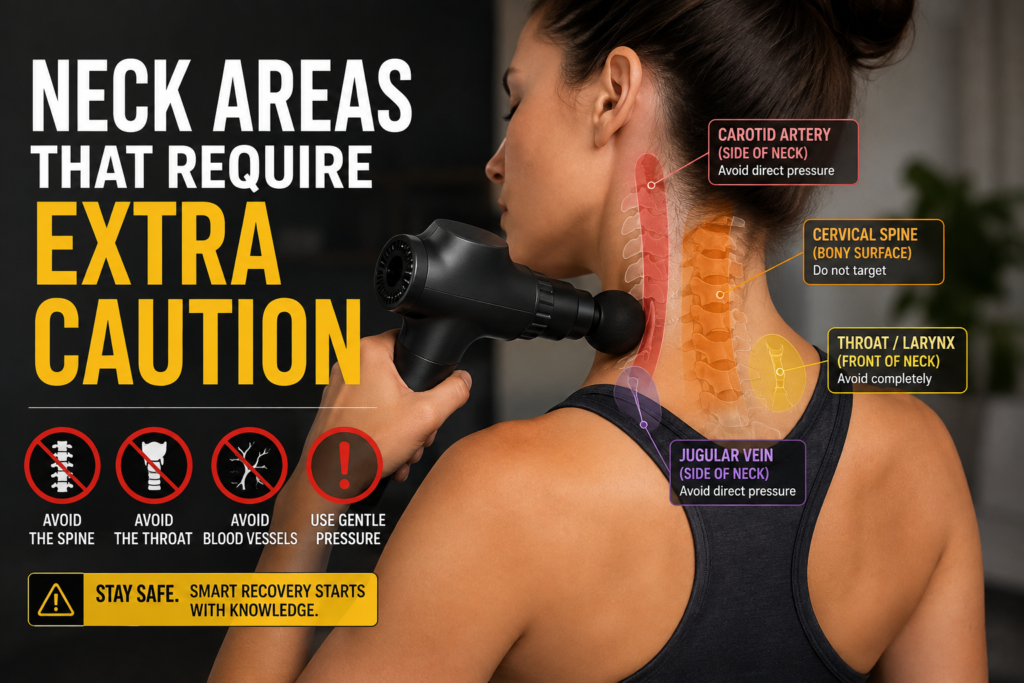
Pressure on certain neck areas can affect blood vessels, nerves, the airway, or the spinal structures. Gentle work on the side and back muscles may be safer, but it should never target deep structures or attempt to “stimulate” the vagus nerve directly.
Carotid Sinus Sensitivity
The carotid sinuses sit on both sides of the neck, near the carotid arteries below the jaw. Pressure in these areas can trigger a sudden drop in heart rate or blood pressure in sensitive people. This may cause dizziness, fainting, weakness, or, rarely, serious heart rhythm problems.
A massage should avoid the front and side-front of the neck, especially over a noticeable pulse. It should also avoid pressing near the throat, windpipe, thyroid, or jugular veins. A person should stop immediately if they feel lightheaded, nauseated, short of breath, confused, or unusually weak.
People with fainting episodes, heart rhythm problems, very low blood pressure, or carotid artery disease should seek medical advice before receiving neck massage. No massage technique has been proven to safely or reliably improve vagus nerve function.
Cervical Spine And Blood Vessel Considerations
The bony bumps along the back of the neck mark the cervical spine. Direct pressure over these bones can cause pain and may irritate already inflamed joints, discs, or nerves. Massage should instead use light pressure on the muscles beside the spine, not on the spine itself or the base of the skull.
| Area | Safer approach | Area to avoid |
|---|---|---|
| Back of neck | Gentle muscle work beside the spine | Direct pressure on the vertebrae |
| Front and side-front | No deep pressure | Carotid pulse, throat, and airway |
Deep or forceful neck work can also strain blood vessels and nerves. People with recent injury, severe neck pain, numbness, weakness, fever, unexplained headache, or known vascular disease should avoid massage and obtain medical assessment.
Safer Massage Techniques And Practical Tips
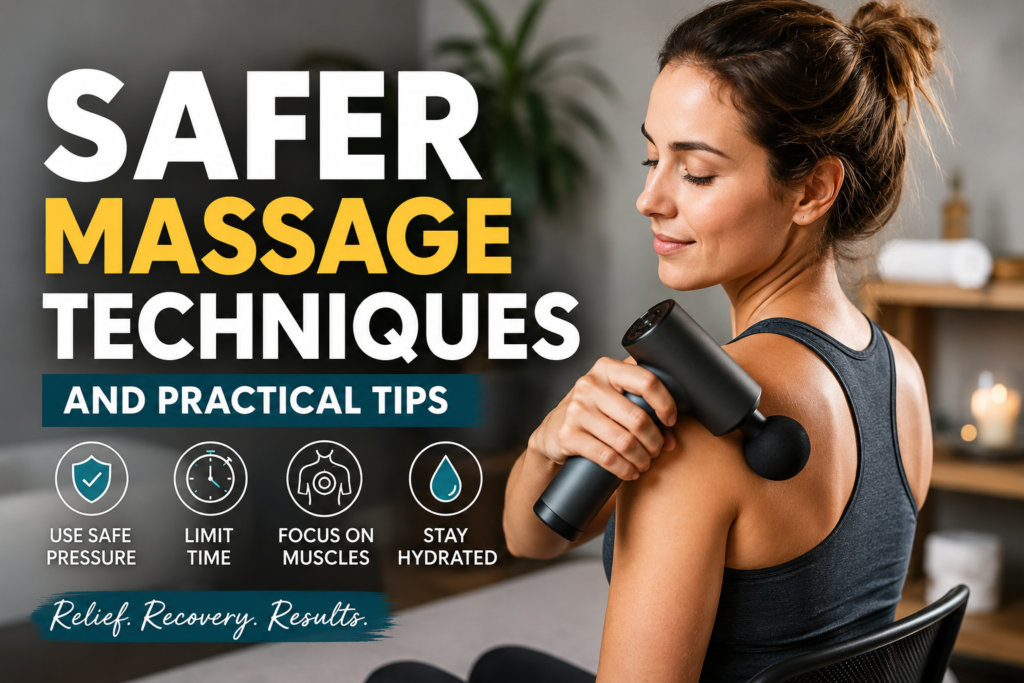
Light touch and short sessions reduce the chance of pain, dizziness, or pressure on sensitive structures. Neck massage may relax nearby muscles, but it has not been proven to directly stimulate the vagus nerve in a reliable way.
Gentle Pressure And Duration
A person should use the fingertips to massage the back and sides of the neck, not the front or the area directly over the throat. Slow, shallow strokes can target the upper shoulders and the muscles beside the spine. Pressure should feel comfortable and never cause sharp pain, numbness, tingling, or a pulsing sensation.
A practical approach is 5–10 minutes at a time, using mild pressure and relaxed breathing. The person should stop if symptoms worsen and should avoid forceful stretching, deep tissue work, or pressing on the carotid arteries. Gentle shoulder massage may offer similar relaxation with less risk.
Massage should not replace medical treatment for fainting, abnormal heart rhythms, severe anxiety, or other health problems. People seeking reliable information about the vagus nerve can review its basic function through this overview of the vagus nerve.
When To Choose Professional Care
A qualified health professional should assess neck massage concerns when a person has neck injury, recent surgery, severe arthritis, nerve symptoms, or a history of stroke or blood vessel disease. Medical advice also matters for people with unexplained dizziness, fainting, chest pain, or irregular heartbeats.
A licensed massage therapist can adjust pressure and avoid unsafe areas. The person should share relevant medical conditions, medicines, and symptoms before treatment. Massage should stop immediately if it causes weakness, trouble speaking, vision changes, severe headache, breathing trouble, or new pain. Those symptoms require urgent medical care, not self-massage.
Who Should Avoid Neck Massage Or Seek Medical Advice
Neck massage may ease muscle tension, but it cannot directly reach or “massage” the vagus nerve. People with certain medical conditions should avoid neck pressure or ask a clinician first, especially when blood vessels, nerves, bones, or the spine may be affected.
Relevant Medical Conditions
People should avoid neck massage or seek medical advice first if they have:
- Recent stroke, heart attack, or transient ischemic attack
- Carotid artery narrowing, plaque, or another blood vessel disorder
- A history of vertebral artery dissection
- Connective tissue disorders that raise artery injury risk
- Neck fracture, instability, severe arthritis, or a herniated disc
- Recent neck surgery or a significant neck injury
- Unexplained fainting, severe dizziness, or heart rhythm problems
They should not allow anyone to press on the front or side of the neck. This area contains the carotid arteries and other sensitive structures. Massage should use light pressure on the muscles at the back and sides of the neck, and it should never involve forceful stretching, sudden movement, or neck cracking.
Pregnant people, anyone taking blood thinners, and people with cancer or an active infection should ask a healthcare professional before receiving neck massage.
Warning Signs That Need Urgent Evaluation
Neck massage should stop immediately if a person develops sudden dizziness, fainting, nausea, severe headache, vision changes, weakness, numbness, trouble speaking, or loss of balance. These symptoms can signal a serious problem and need urgent medical evaluation.
Chest pain, shortness of breath, a fast or irregular heartbeat, or trouble swallowing also require prompt medical care. A person should call emergency services for signs of stroke, including facial drooping, arm weakness, or speech difficulty.
Mild soreness can occur after massage, but severe neck pain, new arm pain, or symptoms that worsen over several hours need medical advice. No massage technique should attempt to stimulate the vagus nerve by pressing the throat or carotid area.
Other Evidence-Based Ways To Support Calm
Slow, controlled breathing can lower stress-related arousal and may support normal vagus nerve activity. Regular sleep, physical activity, and stress-management habits also help the nervous system recover without relying on neck pressure.
Slow Breathing Exercises
Slow breathing may help the body shift toward a calmer state by increasing the time spent during exhalation. A person can try breathing in through the nose for four seconds, then breathing out gently for six seconds. They can repeat this pattern for five to ten minutes while keeping the shoulders relaxed.
Breathing should feel easy, not forced. If dizziness, chest discomfort, or shortness of breath develops, the person should stop and return to normal breathing. People with lung or heart conditions should ask a health professional before starting formal breathing exercises.
A steady pace matters more than taking very deep breaths. Slow breathing may reduce muscle tension and help lower heart rate for a short time, but it does not “reset” the vagus nerve or treat an underlying medical condition.
Sleep, Movement, And Stress Management
Adults generally need seven to nine hours of sleep each night. A regular sleep and wake time, less evening screen use, and a dark, cool bedroom can support better sleep. Poor sleep can make stress responses stronger and may increase sensitivity to pain.
Moderate movement also supports mood and physical health. Walking, cycling, swimming, or similar activity for about 150 minutes per week can help, when a person’s health allows it. Even short walks may provide a useful break from prolonged sitting or mental strain.
Other helpful options include mindfulness practice, progressive muscle relaxation, and counseling. These methods may reduce stress symptoms over time, but persistent anxiety, sleep problems, or neck pain warrants evaluation by a qualified clinician.
FAQs
Can a neck massage stimulate the vagus nerve?
A gentle neck massage may affect nearby tissues and support relaxation, but research has not shown that it directly or reliably stimulates the vagus nerve. Any calming effect may also come from reduced muscle tension and slower breathing.
Can neck massage improve heart rate or digestion?
Massage may briefly lower stress and heart rate in some people. However, there is not enough evidence to use neck massage as a treatment for heart, digestive, or nervous system conditions.
Is it safe to massage the front of the neck?
The front and sides of the neck contain major blood vessels, nerves, and sensitive structures. People should avoid deep pressure, pressing on the throat, or massaging directly over the carotid arteries.
What type of massage is safer?
Gentle work on the upper shoulders and the muscles at the back of the neck is generally safer. Pressure should remain comfortable, and the person should stop if they feel pain, dizziness, nausea, faintness, vision changes, or a racing heartbeat.
Who should ask a health professional first?
People with heart or blood vessel disease, a history of stroke, fainting, blood clots, or neck surgery should seek medical advice before trying neck massage. They should not use it to replace prescribed care.
Conclusion
A neck massage may support relaxation and reduce muscle tension, which can affect the body’s stress response. However, current evidence does not show that massage directly or reliably stimulates the vagus nerve.
The vagus nerve runs through the neck, but it lies deep beneath muscles and other tissues. Pressing firmly on the front or side of the neck could cause harm, including dizziness, fainting, or changes in heart rate.
For safer relaxation, a person can use gentle massage on the shoulders, upper back, and the muscles at the base of the skull. Slow breathing, restful movement, and mindfulness may also help promote calm without placing pressure over the throat or major blood vessels.
Anyone with heart rhythm problems, fainting episodes, blood vessel disease, or a recent neck injury should speak with a health professional before receiving neck massage. A trained therapist can help choose safe techniques and avoid sensitive areas.