Using a leg massager after eating may feel comfortable, but timing matters. Most people can use a leg massager during their period and after a light meal, but they should wait after a large meal and stop if discomfort occurs.
Gentle settings may ease muscle tension and support relaxation during menstruation. People with heavy bleeding, severe pain, circulation problems, blood clots, swelling, or recent surgery should seek medical advice before using compression. Michael Hayes of RemedyTip.com also emphasizes following the device instructions and choosing comfort over strong pressure.
Key Takeaways
- Light meals usually require little waiting before use.
- Gentle compression may provide comfort during menstruation.
- Medical advice may be needed for circulation concerns or unusual symptoms.
How Leg Massagers Affect Circulation
Leg massagers may briefly improve blood movement by gently squeezing muscles and blood vessels. Their effects depend on the device type, pressure level, heat setting, and the user’s health.
Compression, Vibration, And Heat Functions
Compression devices use air-filled chambers to squeeze the legs in cycles. This action can help move blood and fluid upward toward the heart, which may reduce temporary feelings of heaviness or mild swelling. It does not remove a blood clot or treat vein disease.
Vibration and kneading functions relax tight muscles and may increase local blood flow for a short time. They can help with muscle fatigue after sitting, standing, or light activity. Heat may also relax muscles and widen nearby blood vessels, but it can increase swelling or cause skin burns if the setting is too high.
| Function | Possible short-term effect |
|---|---|
| Compression | Supports fluid and blood movement |
| Vibration or kneading | Relaxes muscles and eases tension |
| Heat | Warms tissues and may improve comfort |
People with suspected deep vein thrombosis, severe circulation problems, heart failure, open wounds, or reduced sensation should avoid these devices unless a clinician approves them.
Typical Short-Term Body Responses
A person may notice warmth, mild tingling, muscle relaxation, or less leg fatigue during or after use. Compression can leave temporary marks or a feeling of pressure, while vibration may cause mild itching as blood flow changes near the skin.
These effects should remain mild and fade after the session ends. Sharp pain, increasing swelling, numbness, skin discoloration, dizziness, chest pain, or shortness of breath requires stopping the device and seeking medical advice.
After eating, a person may feel relaxed while using a leg massager, but strong compression or heat can feel uncomfortable if the stomach feels full. During menstruation, the device may ease leg tension for some people, but it does not treat heavy bleeding, severe cramps, or an underlying medical condition.
Timing Sessions Around Meals
Meal size and body position affect comfort when using a leg massager. A light snack usually requires less waiting, while a large meal may cause pressure, bloating, or nausea during the session.
Using A Device After A Light Meal
A person can usually use a leg massager after a light meal or snack if they feel comfortable. Foods such as yogurt, fruit, toast, or a small sandwich are less likely to cause fullness than fried or high-fat meals.
Waiting 30 to 60 minutes gives the body time to begin digestion. The user should start with a low setting and a short session, such as 10 to 15 minutes. They should stop if they notice nausea, stomach pressure, dizziness, sweating, or pain.
The device should not press against the abdomen. It should massage the legs only, and the user should keep water nearby. People with diabetes, circulation problems, or other medical conditions should follow their clinician’s advice.
When To Wait After A Large Meal
After a large meal, waiting one to two hours can reduce discomfort. A meal high in fat, fiber, or spice may take longer to settle, so the person should wait until the feeling of fullness has eased.
Using strong compression too soon may feel uncomfortable, especially if the user reclines or bends at the hips. The user should avoid a session if they have heartburn, bloating, cramps, nausea, or unusual weakness.
| Meal size | Suggested waiting time |
|---|---|
| Small snack | 30–60 minutes |
| Regular meal | 60–90 minutes |
| Large or heavy meal | 1–2 hours or until comfortable |
Comfortable Positioning During Digestion
The user should sit in a position that keeps the upper body slightly raised. This position may reduce pressure on the stomach compared with lying completely flat. The knees should remain relaxed, and the legs should stay supported without forcing the hips into a tight bend.
The massager should fit correctly and should not cause numbness, tingling, sharp pain, or skin color changes. During the first session after eating, the user should choose gentle pressure and avoid heat if warmth makes them feel flushed or uncomfortable.
If symptoms continue after the device stops, the person should rest and seek medical advice when needed. They should also avoid using the massager while vomiting, faint, or experiencing severe abdominal pain.
Using Compression During Menstruation
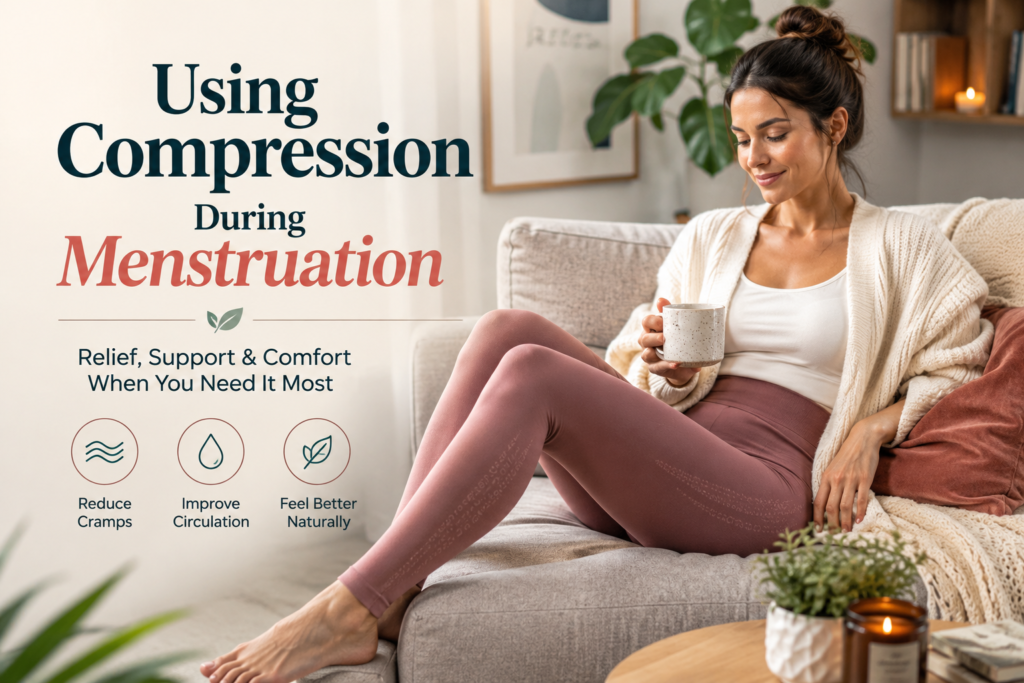
A leg massager may ease mild swelling, heaviness, and muscle tension during menstruation. Comfort matters most, so users should choose low pressure, stay hydrated, and stop if pain, numbness, dizziness, or increased bleeding occurs.
Potential Relief For Leg Heaviness And Swelling
Hormonal changes during menstruation can cause temporary fluid retention. Some people may notice heavier, tighter, or mildly swollen legs, especially after sitting or standing for long periods.
Gentle compression may support comfort by applying steady pressure to the legs. It should feel firm but not painful, and it should not leave deep marks or cause tingling. A leg massager does not treat the cause of swelling.
| Situation | Safer approach |
|---|---|
| Mild heaviness without pain | Use the lowest comfortable setting |
| Mild swelling | Keep sessions short and check the skin afterward |
| One-sided swelling, warmth, or redness | Do not use the device; seek medical advice |
| Sudden swelling with chest pain or shortness of breath | Seek urgent medical care |
People with a history of blood clots, circulation problems, or unexplained swelling should ask a health professional before using compression.
Managing Cramps, Fatigue, And Sensitivity
A leg massager does not directly treat uterine cramps, but gentle massage may relax tense leg muscles and provide comfort. It may also help someone who feels tired or achy during a period, particularly after normal daily activity.
Menstrual sensitivity can change from day to day. If the legs feel tender, the device may increase discomfort rather than reduce it. The user should avoid placing strong pressure over painful areas, bruises, varicose veins, irritated skin, or areas with reduced sensation.
The device should not replace medical care for severe or unusual symptoms. Heavy bleeding, faintness, severe weakness, or pain that prevents normal activities requires medical guidance.
Choosing Gentle Settings For Comfort
The user should begin with the lowest pressure and shortest program, such as 5 to 10 minutes. If the legs feel normal during and after the session, the person can slowly increase the time according to the device instructions.
A seated or reclined position may feel more comfortable than standing. The user should keep the skin covered if the device causes friction and should avoid using it immediately after a large meal if reclining causes nausea or discomfort.
The user should stop the session if the device causes sharp pain, cramping, numbness, pins and needles, skin discoloration, or increased swelling. A properly fitted device should not feel excessively tight around the knee, ankle, or calf.
Who Should Use Extra Caution
People with heavy bleeding, severe pelvic pain, blood-clot risks, vein disease, or pregnancy-related concerns should use a leg massager carefully. They may need to pause use and seek medical advice before starting or restarting a session.
Heavy Bleeding Or Severe Pelvic Pain
A leg massager does not treat heavy menstrual bleeding or severe pelvic pain. Someone who is soaking a pad or tampon every hour for several hours, passing large clots, or feeling weak or faint should stop and seek medical care.
Severe pelvic pain can have causes that a leg massager will not address, such as endometriosis, ovarian cysts, or another medical problem. If the pain is new, sudden, or much worse than usual, medical advice should come before using the device.
If a healthcare professional allows use, the person should choose a gentle setting, avoid placing pressure on the abdomen, and stop if cramping, dizziness, nausea, or bleeding worsens.
History Of Blood Clots Or Vein Disease
People with a current or past deep vein thrombosis, pulmonary embolism, varicose veins with swelling, or other vein disease should ask a healthcare professional before using a leg massager. Compression or kneading may be unsafe when a clot may be present.
A person should not massage a leg that is suddenly swollen, red, warm, painful, or noticeably larger than the other leg. These symptoms need prompt medical assessment, especially when they appear without a clear injury.
Shortness of breath, chest pain, coughing blood, or sudden faintness requires emergency care. A leg massager should not be used while waiting for help.
Pregnancy And Postpartum Considerations
Pregnant people should check with their maternity clinician before using a leg massager, especially if they have high blood pressure, swelling in one leg, a clotting history, or other pregnancy complications. They should use low pressure and avoid settings that cause pain or numbness.
During pregnancy, sudden swelling of the face, hands, or one leg needs medical advice rather than massage. Severe headache, vision changes, chest pain, or breathing trouble also requires urgent care.
After delivery, the risk of blood clots remains higher for a period of time. Anyone with a cesarean wound, heavy postpartum bleeding, fever, or one-sided leg symptoms should wait for medical guidance before using a leg massager.
Safe Session Guidelines
A leg massager can often be used after a light meal and during a typical menstrual period if the person feels well. Short, gentle sessions, comfortable clothing, enough water, and close attention to symptoms help reduce discomfort.
Recommended Duration And Intensity
After a small meal, waiting about 30–60 minutes before using a leg massager can improve comfort. After a large or heavy meal, waiting longer may help prevent nausea, bloating, or stomach pressure.
The user should begin with the lowest pressure and a 5–10 minute session. If the body responds well, the session can increase gradually, usually up to 15–20 minutes. The user should avoid strong compression during heavy bleeding, severe cramps, dizziness, or unusual leg pain.
During a period, gentle settings may ease muscle tension, but a leg massager will not treat the cause of severe pain. A pregnant person should ask a health professional before using one, especially if the device applies strong pressure or heat.
Hydration And Clothing Considerations
The user should drink water before and after the session, especially during heavy menstrual bleeding, hot weather, or exercise. Small sips are usually enough; drinking a large amount immediately before use may cause stomach discomfort.
Loose, breathable clothing allows the device to fit correctly. Thick fabric, tight socks, or folded clothing can create uneven pressure. The user should check that the legs remain warm but not overheated and should keep the device away from irritated skin, rashes, cuts, or swelling.
The user should follow the device instructions for bare skin or clothing. Heat settings should remain low, since reduced sensation can make it harder to notice excessive warmth.
Warning Signs To Stop Immediately
The user should stop the device if they develop sharp pain, numbness, tingling, burning, severe pressure, or skin discoloration. They should also stop if they feel faint, nauseated, short of breath, or unusually weak.
One-sided leg swelling, redness, warmth, or sudden calf pain requires medical advice rather than continued massage. Sudden chest pain or breathing trouble requires emergency care.
The user should not restart the session until symptoms have fully cleared and a health professional has confirmed that massage is safe when symptoms persist or return.
When To Seek Medical Advice

A leg massager may worsen an unknown circulation problem, nerve issue, or injury. Medical advice matters when swelling persists, new symptoms appear, or symptoms suggest a clot or another urgent condition.
Persistent One-Sided Swelling
Swelling in one leg that lasts, worsens, or develops without a clear cause needs medical assessment before using a leg massager. This is especially important when the swollen leg feels warmer than the other leg, looks red, or feels tender in the calf or thigh.
These signs can occur with a deep vein thrombosis (DVT), which requires prompt care. A massager cannot treat a suspected clot and may delay diagnosis. The person should stop using the device and contact a healthcare professional. Recent surgery, long travel, bed rest, pregnancy, hormone treatment, cancer, or a past clot increases the need for prompt advice.
New Numbness, Pain, Or Skin Changes
A person should stop the massager if it causes sharp pain, burning, tingling, weakness, or new numbness. Reduced sensation can make it difficult to notice excessive pressure, heat, bruising, or skin injury.
Medical advice also helps when the skin becomes pale, blue, unusually cold, blistered, or bruised after use. People with diabetes, peripheral neuropathy, poor circulation, or blood vessel disease should ask a clinician before using a leg massager. The clinician can recommend safe pressure, session length, and settings based on the person’s condition.
Symptoms Requiring Urgent Evaluation
Sudden shortness of breath, chest pain, coughing blood, fainting, or a fast, irregular heartbeat requires emergency medical help. These symptoms can occur when a blood clot travels to the lungs.
Severe or rapidly increasing leg swelling, intense calf pain, or a cold, pale, or blue foot also needs urgent evaluation. The person should not massage the leg while waiting for care. Menstrual cramps alone usually do not require emergency attention, but unusually severe bleeding, fainting, extreme weakness, or severe abdominal pain needs prompt medical assessment.
FAQs
Can someone use a leg massager after eating?
Most people can use one after a light meal, but waiting 30–60 minutes may feel more comfortable. A person should avoid strong compression if they feel full, nauseated, bloated, or dizzy.
Can a leg massager be used during a period?
Menstruation does not usually prevent massage use. Gentle settings may help relax tense muscles and ease general discomfort, but a leg massager does not treat the cause of menstrual pain.
Which setting is safest during menstruation?
The user should start with low pressure and a short session, such as 10–15 minutes. They should stop if the device causes pain, heavier bleeding, numbness, dizziness, or unusual discomfort.
Can it be used for severe cramps?
A leg massager may not help severe abdominal cramps because it targets the legs. A healthcare professional should assess pain that is unusually strong, sudden, or not relieved by normal care.
Who should avoid a leg massager?
People with a suspected blood clot, severe circulation problems, open wounds, unexplained leg swelling, or significant varicose veins should avoid it unless a clinician approves. Pregnancy, recent surgery, and heart or vascular conditions may also require medical advice.
What should the user do if symptoms worsen?
They should stop the device and seek medical advice for chest pain, trouble breathing, one-sided leg swelling, severe pain, or fainting.
Conclusion
A person can usually use a leg massager after eating or during their period. After a meal, waiting about 30–60 minutes may reduce discomfort, especially when the device applies strong pressure or heat. A gentle setting is better than intense compression.
During menstruation, leg or foot massage may ease muscle tension and support relaxation. It should not normally affect the menstrual cycle, but heavier flow or increased sensitivity may occur briefly in some people.
The device should be stopped if it causes pain, dizziness, nausea, numbness, or unusual bleeding. Anyone with unexplained leg swelling, poor circulation, a history of blood clots, heart disease, diabetes-related nerve damage, or another serious medical condition should ask a healthcare professional before use.