Quick answer: For most people, an acetaminophen 500 mg extra-strength pill is the best OTC painkiller choice.
You know the scene: a throbbing headache right before a meeting, a sore back after yard work, or a stubborn toothache that ruins dinner. Over-the-counter painkillers step in fast to ease pain and let you carry on. I’ve tested many options and written product reviews for Amazon shoppers for years. In this guide I’ll walk you through the best otc painkiller picks, what they do, and who should use them so you can choose with confidence and safety.



Extra-Strength Acetaminophen 500mg
I reach for acetaminophen when I need quick relief without stomach upset. This 500 mg formula works well for headaches, mild arthritis pain, and post-workout aches. It starts acting fast and is gentle on the gut for many people.
It’s easy to dose and fits in pill organizers. I keep bottles around the house and in my travel kit. Just remember to follow the label and avoid mixing with prescription acetaminophen to stay safe.
Pros:
- Fast-acting pain relief for headaches and mild aches
- Gentle on the stomach compared to NSAIDs
- Simple dosing—easy to follow label
- Good for people on blood thinner precautions
- Widely available and budget-friendly
Cons:
- Overdose risk if combined with other acetaminophen products
- Not anti-inflammatory—less effective for swelling
- Not suitable for severe pain alone
My Recommendation
I recommend this acetaminophen for anyone needing reliable, stomach-friendly pain relief. It’s best for headaches, mild muscle pain, and fever reduction. I like it for people who can’t take NSAIDs or who need a safe daily option when used correctly.
| Best for | Why |
|---|---|
| Headache relief | Quick onset and effective at 500 mg |
| Stomach-sensitive users | Less risk of gastric upset than NSAIDs |
| Travel kits | Compact, easy to dose, and versatile |
Ibuprofen 200 mg Pain Reliever

I use ibuprofen when inflammation is part of the problem. This 200 mg dose helps with swollen joints, toothaches, and sprains. It tends to reduce both pain and swelling for many acute injuries.
It’s a go-to for sports strains or after dental work when swelling follows. I advise taking it with food to reduce stomach upset and to follow label limits to avoid long-term risks.
Pros:
- Reduces inflammation and pain
- Works well for muscle strains and sprains
- Affordable and widely available
- Rapid relief for acute pain
- Multiple forms (tablets, caplets, gelcaps)
Cons:
- Can irritate the stomach if taken on empty stomach
- Not recommended long-term for certain heart or kidney conditions
- May interact with blood pressure meds
My Recommendation
I recommend ibuprofen 200 mg if inflammation is driving your pain. It’s my pick for sprains, swollen joints, and dental pain with swelling. Use the lowest effective dose for the shortest time to reduce risk.
| Best for | Why |
|---|---|
| Sprains and strains | Anti-inflammatory action eases swelling |
| Dental pain | Reduces pain and inflammation post-procedure |
| Short-term injury care | Fast relief for acute soft-tissue injuries |
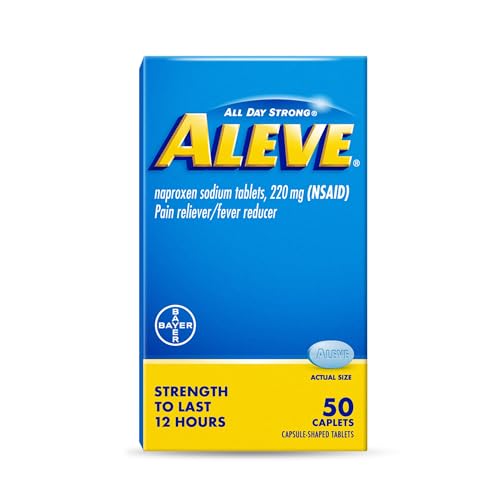
Naproxen 220 mg Long-Last Relief

Naproxen gives longer relief per dose than many OTC options. I pick it when I need 8-12 hours of pain control, such as for menstrual cramps or longer workdays. It is stronger on inflammation than plain acetaminophen.
Because it lasts longer, I use it sparingly for extended pain. It can cause stomach upset in some people, so I pair it with food and watch dosage limits on the label.
Pros:
- Long-lasting relief (8–12 hours)
- Effective against inflammatory pain
- Good for menstrual cramps and chronic flare-ups
- Reduces need for frequent redosing
- Convenient for overnight control
Cons:
- Higher risk of GI irritation than acetaminophen
- May not suit those with heart or kidney issues
- Longer duration can complicate dose timing
My Recommendation
For longer control I recommend naproxen 220 mg. I find it ideal for menstrual cramps, longer shifts, and overnight relief. It’s a solid option when inflammation needs sustained suppression.
| Best for | Why |
|---|---|
| Menstrual cramps | Long duration eases pain through the day |
| All-day relief | Fewer doses needed than ibuprofen |
| Inflammatory pain | Stronger anti-inflammatory effect |
Fast-Acting Liquid Gels

Liquid gels often hit faster than tablets. I use them when I need quick relief before a meeting or to stop a headache from worsening. The gel form dissolves quickly and helps start relief sooner.
These are great for people who have trouble swallowing pills. Keep them in a cool, dry place as label directions suggest. They’re convenient for sudden pain that can’t wait.
Pros:
- Faster absorption than tablets
- Easy to swallow for many users
- Good for acute headache relief
- Often available in travel-friendly packs
- Consistent dosing per capsule
Cons:
- May be costlier than standard tablets
- Some people avoid gels due to additives
- Storage can be sensitive to heat
My Recommendation
I recommend fast-acting liquid gels when you need speedy relief. They’re my go-to for quick headache fixes and when swallowing tablets is hard. For rapid results, liquid gels rank high among the best otc painkiller choices.
| Best for | Why |
|---|---|
| Quick headache relief | Faster absorption than tablets |
| Travel kits | Small, fast, and easy to carry |
| Swallowing difficulty | Gel is easier for many to take |
Acetaminophen Chewable Tablets

Chewable acetaminophen works well for kids and adults who prefer not to swallow pills. I keep a pack in my bag for kids’ fevers and for myself when I’m on the go. Flavored tablets make dosing simpler for young ones.
They match regular acetaminophen in effect but offer easy dosing. I always verify the milligram amount per tablet and follow pediatric guidelines when giving to children.
Pros:
- Kid-friendly dosing and flavors
- Easy to take without water
- Good for on-the-go relief
- Same active ingredient as regular tablets
- Useful for mild pain and fever
Cons:
- Flavoring may not suit everyone
- Higher risk of accidental overuse if not tracked
- Not ideal for prolonged severe pain
My Recommendation
Chewable acetaminophen is great for families and travelers. I recommend it for parents managing fevers or for adults who dislike swallowing pills. It’s a practical option among the best otc painkiller choices for convenience and quick use.
| Best for | Why |
|---|---|
| Parents | Easy dosing for kids and toddlers |
| Travelers | No water needed and compact |
| Swallowing issues | Chewable form simplifies dosing |
Topical Pain Relief Cream

Topical creams help when pain is localized. I apply them to sore knees or shoulders and feel targeted relief without ingesting pills. They work well for mild arthritis and muscle aches near the surface.
Topicals reduce systemic exposure to drugs and can be combined with oral meds when needed. I recommend patch testing a small area first if you have sensitive skin.
Pros:
- Targeted relief without oral drugs
- Reduced systemic side effects
- Good for localized joint or muscle pain
- Easy to apply and fast-acting on the area
- Can be combined with oral options if safe
Cons:
- Limited reach—works only where applied
- Some people experience skin irritation
- Not a replacement for severe systemic pain relief
My Recommendation
I recommend topical cream when pain is localized and you want to avoid pills. It’s ideal for sore spots and mild arthritis aches. For many people this is one of the best otc painkiller strategies to limit systemic exposure.
| Best for | Why |
|---|---|
| Localized joint pain | Targets the exact area for relief |
| People avoiding oral meds | Less systemic absorption and side effects |
| Combining with oral meds | Complementary pain control |
Children’s Liquid Pain Reliever

I trust liquid pain relievers for kids because dosing is flexible. This liquid formula makes it simple to match the dose to age and weight. I keep a bottle in the medicine cabinet for fevers and minor aches.
Be sure to use the dosing syringe or cup included. I always double-check the mg per ml concentration and avoid giving adult formulas to kids unless a doctor says so.
Pros:
- Adjustable dosing by weight and age
- Easy for kids to take in liquid form
- Useful for fevers and teething pain
- Often flavored for easier acceptance
- Includes dosing device for accuracy
Cons:
- Must measure carefully to avoid dosing errors
- Short shelf life after opening depending on formulation
- Not all flavors are liked by every child
My Recommendation
I recommend children’s liquid pain reliever for parents who need flexible dosing and quick fever control. It’s an essential item in family medicine cabinets. When used per label, it’s one of the best otc painkiller choices for kids’ minor pains and fevers.
| Best for | Why |
|---|---|
| Parents of infants | Precise dosing by weight |
| Teething or fever | Fast comfort in liquid form |
| Fussy kids | Flavored and simple to take |
Multi-Symptom Pain & Cold Relief

Sometimes pain comes with cold symptoms. I use multi-symptom relief when I need to fight headache, body aches, and congestion together. These combos offer convenience when multiple symptoms strike at once.
Be cautious not to double up active ingredients if you take other meds. Read labels carefully to avoid overlapping acetaminophen or decongestants with other products.
Pros:
- Combines pain relief with decongestant or antihistamine
- Convenient for cold or flu days
- Reduces the number of pills taken
- Often fast-acting for multiple symptoms
- Handy for travel and busy days
Cons:
- Risk of overlapping ingredients with other meds
- May cause drowsiness depending on formula
- Not ideal if you only want pain relief
My Recommendation
I recommend multi-symptom formulas when pain pairs with cold symptoms. They simplify dosing on bad days. For people who want broad relief, these are a practical best otc painkiller option—just double-check ingredients first.
| Best for | Why |
|---|---|
| Cold & flu days | Treats aches and congestion together |
| Sick day ease | Fewer pills to manage symptoms |
| Travel packs | Convenient single-dose relief |
Rapid Melt Pain Tablets
Rapid melt tablets dissolve on the tongue and work quickly. I use them when a headache hits and I need relief without water. They’re handy for office desks and flights when drinking water may be limited.
They are similar to liquid gels in speed but in a solid format. For me they combine speed with convenience and a mess-free profile.
Pros:
- Dissolve quickly without water
- Fast onset of relief
- Good for travel and offices
- Easy to dose and carry
- Less messy than liquids or gels
Cons:
- May have taste some dislike
- Price can be higher than tablets
- Not all formulas available in melt form
My Recommendation
I recommend rapid melt tablets for commuters and travelers who need fast relief without water. They are a solid pick among the best otc painkiller forms for quick, fuss-free use. Keep them handy in your bag for sudden headaches.
| Best for | Why |
|---|---|
| Commuters | No water needed, quick relief |
| Office use | Fast and discreet dosing |
| Travelers | Compact and mess-free |
Extended Relief Caplets

Extended relief caplets are geared for those who need longer pain control without frequent dosing. I use them on busy days or when sleep interruption is a concern. They reduce the need to remember multiple doses.
For chronic yet manageable pain, they help smooth the day. Still, I check interactions and medical conditions before recommending routine use of any extended formulation.
Pros:
- Long-lasting per dose
- Reduces frequency of dosing
- Convenient for busy schedules
- Good for overnight relief
- Often well-tolerated when used briefly
Cons:
- May have stronger side effects for some people
- Not ideal for those needing only occasional short relief
- Requires careful attention to label directions
My Recommendation
I recommend extended relief caplets for people with long days or overnight needs. They are a top choice when you want consistent control without many doses. As a measured option, they are among the best otc painkiller picks for sustained relief.
| Best for | Why |
|---|---|
| Overnight pain control | Works through the night on a single dose |
| Busy professionals | Fewer doses required during the day |
| Chronic mild pain | Helps maintain steady control |
FAQs Of best otc painkiller
Which OTC painkiller is safest for daily use?
For short-term daily use, acetaminophen at labeled doses is often safest for stomachs. I advise checking with your doctor if you plan daily use or have liver disease. Always follow label limits and avoid combining products with the same active ingredient.
Can I take ibuprofen with acetaminophen?
Yes. I sometimes alternate ibuprofen and acetaminophen for stronger pain control. Use the correct timing and doses. Talk to your doctor if you have heart, kidney, or liver concerns before combining.
Are topical pain creams effective?
Yes for localized pain. I find topicals reduce pain in joints and muscles near the surface. They limit systemic side effects and can be used with oral meds if labels allow.
How do I choose between naproxen and ibuprofen?
Choose naproxen for longer relief per dose and ibuprofen when you want more flexible dosing. I pick naproxen for overnight control and ibuprofen for short-term, frequent dosing needs. Consider health risks and talk to your clinician if you have heart or kidney issues.
What should I avoid when taking OTC painkillers?
Avoid mixing drugs with the same active ingredient, alcohol with acetaminophen, and long-term NSAID use without medical advice. I also recommend checking interactions with prescriptions and any personal health risks before regular use.
Final Verdict: Which Should You Buy?
The best otc painkiller depends on your need: acetaminophen for stomach-sensitive users, ibuprofen for inflammation, and naproxen for longer relief. I recommend choosing the form that matches your pain type and health profile.
If you want a simple all-rounder, acetaminophen 500 mg is my top pick for everyday relief. Always follow label directions and consult your doctor for long-term use or special health concerns.