By Alex Turner
Quick Answer: A percussion massager may provide temporary comfort around the calf or nearby muscles, but it is not a proven stand-alone treatment for plantar fasciitis. Avoid aggressive pressure directly on a painful heel or the bottom of the foot. Gentle use should complement, not replace, supportive footwear, stretching, activity changes, and professional guidance when needed.
A careful approach matters more than a powerful setting.
Heel pain can make even simple steps uncomfortable. Because percussion tools deliver repeated mechanical pulses, it is easy to assume that stronger pressure must be better. For plantar fasciitis, that is not a safe assumption. The more useful question is whether gentle massage around the surrounding muscles feels comfortable without increasing symptoms afterward.
This guide focuses on practical use, limitations, warning signs, and safer ways to fit a percussion massager into a broader foot-care routine.
Heel Comfort Gentle Massage Foot Safety Recovery Routine
Safety & Trust: This article is for general educational information only. It does not diagnose, treat, cure, or prevent any condition. It does not replace advice from a licensed healthcare professional. Readers should seek professional help for severe, worsening, unusual, or persistent symptoms.
What Plantar Fasciitis Means for Massage
Plantar fasciitis is a common cause of pain near the bottom of the heel. The plantar fascia is a strong band of tissue running along the bottom of the foot that helps support the arch. Symptoms often feel sharp during the first steps after getting out of bed and may also return after long periods of standing or walking. :contentReference[oaicite:0]{index=0}
That location matters when deciding where a percussion tool belongs in a routine. A percussion massager is designed to deliver repeated mechanical pulses into soft tissue. It is not the same thing as a clinician assessing the foot, and it should not be treated as a way to diagnose why heel pain is occurring.
Massage itself can be part of a conservative comfort routine. Mayo Clinic Sports Medicine lists cross-friction massage among approaches that may be used alongside stretching, strengthening, icing, supportive footwear, and other measures. However, that does not establish that a handheld percussion device is necessary or that more intense percussion produces better results. :contentReference[oaicite:1]{index=1}
Practical safety path
Is the heel acutely painful, swollen, injured, numb, or unusually sensitive?
If appropriate, focus on nearby calf or muscle tissue rather than pressing hard on the painful heel.
Low intensity and short exposure are more conservative than aggressive pressure.
Stop if symptoms become sharper, stronger, numb, or worse afterward.
This decision path is a practical guide, not a medical treatment protocol. If the answer to the first question is concerning, skip the massage experiment and consider professional evaluation.
Where a Percussion Massager May Fit
The strongest case for using percussion is as a comfort tool for surrounding soft tissue rather than as a direct attack on the painful spot. Calf tightness can coexist with heel discomfort, and gentle work on the calf may feel more comfortable than pressing directly into the plantar fascia.
This distinction is important because plantar fasciitis management usually involves several pieces. Mayo Clinic recommends measures such as stretching the plantar fascia and Achilles tendon, supportive shoes, activity adjustments, and other conservative approaches. :contentReference[oaicite:2]{index=2}
Tool location and practical fit
The table below separates areas where a gentle massage approach may fit a comfort routine from areas where more caution is appropriate.
Swipe left/right to see the full table →
| Area | Practical fit | Main caution |
|---|---|---|
| Calf muscles | Potential comfort use | Use gentle pressure |
| Arch | Higher caution | Avoid aggressive pressure |
| Painful heel | Generally avoid direct force | Stop if pain increases |
| Injured or numb area | Not a self-massage target | Seek professional advice |
Note: A massage tool should not be used simply because an area hurts. Pain can have several causes, and heel pain that does not fit the usual pattern may need an evaluation rather than more pressure.
How to Use One More Conservatively

If you decide to try a percussion massager, keep the goal modest: comfortable soft-tissue massage, not deep treatment of the painful fascia. A cautious routine can reduce the chance of turning a comfort technique into another source of irritation.
1
Start with a low setting and choose a soft or less aggressive attachment if your device offers different options.
2
Work around the calf or other comfortable muscle tissue rather than repeatedly hammering the tender heel.
3
Keep the device moving rather than holding it on one small point for a prolonged period.
4
Use only an intensity that feels comfortable; sharp or escalating pain is a reason to stop.
5
Afterward, notice how the foot feels during normal walking and later that day instead of judging the technique only by immediate sensation.
Typical routine priority — practical guide
The percentages above are not research measurements. They simply illustrate a practical priority: established conservative care should remain the foundation, while percussion massage is an optional comfort technique rather than the center of the routine. Mayo Clinic lists stretching, supportive footwear, activity changes, and related measures among common conservative approaches. :contentReference[oaicite:3]{index=3}
Safer routine vs. riskier routine
The difference is usually less about owning the device and more about how it is used.
Swipe left/right to see the full table →
| Safer choice | Riskier choice |
|---|---|
| Low intensity | Highest setting immediately |
| Comfortable calf massage | Hard pressure on heel pain |
| Brief, moving contact | Holding on one tender point |
| Stop when symptoms worsen | Pushing through sharp pain |
Tip: If gentle massage makes the foot feel temporarily more comfortable but the next morning is clearly worse, that response is a useful reason to reduce or stop the technique rather than increase the intensity.
What to Combine With Massage
A percussion tool makes more sense when it sits inside a broader routine. Supportive shoes can reduce stress on the heel, while stretching and strengthening can address flexibility and lower-leg function. Mayo Clinic and AAOS both identify stretching and appropriate foot support as important parts of conservative care. :contentReference[oaicite:4]{index=4}
Do’s and don’ts split panel
Do
Use a gentle setting.
Keep the device moving.
Favor comfortable surrounding muscle tissue.
Pair comfort work with supportive footwear and appropriate exercises.
Don’t
Chase pain with more pressure.
Use it over numb or injured tissue.
Assume soreness means the tool is working.
Use massage as a substitute for evaluation when symptoms persist or worsen.
Which tools fit which goal?
Different tools can serve different parts of a comfort routine. The point is not to use every option, but to choose the least aggressive approach that fits the situation.
Swipe left/right to see the full table →
| Tool | Potential role | Use with caution when |
|---|---|---|
| Hands | Gentle massage | Tender areas |
| Frozen bottle | Cooling plus rolling | Cold sensitivity |
| Massage ball | Controlled rolling | Too much direct pressure |
| Percussion tool | Optional soft-tissue comfort | Heel pain, numbness, injury |
Mayo Clinic also describes rolling a frozen water bottle under the foot as one possible home comfort measure. That approach provides a different sensation from percussion and may be easier to control for some people. :contentReference[oaicite:5]{index=5}
Common Mistakes That Can Backfire
The biggest mistake is treating discomfort as a target rather than a signal. A high-powered device can create a strong sensation that feels productive, but sensation alone does not show that the underlying problem is improving.
Mistake vs. better choice
Swipe left/right to see the full table →
| Common mistake | Better choice |
|---|---|
| Using maximum power | Begin gently |
| Hammering the heel | Consider surrounding muscles |
| Ignoring next-day symptoms | Reassess the whole response |
| Skipping footwear support | Build a broader routine |
Red-flag checklist dashboard
These warning signs are not a diagnosis. They are practical reasons not to keep experimenting with self-massage and to seek appropriate medical attention.
When Massage Is Not the Main Question
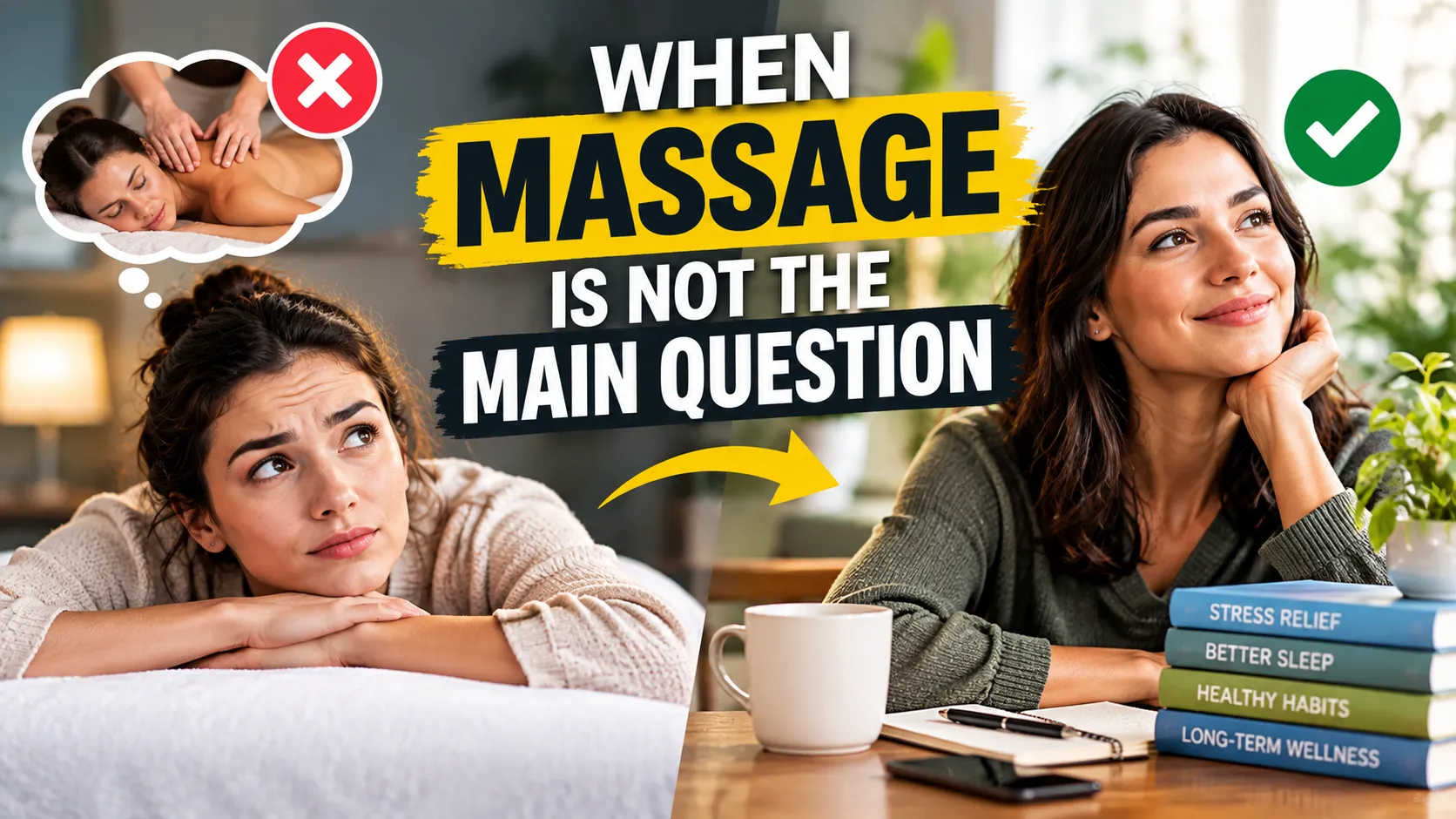
Sometimes the more important issue is whether the heel pain has actually been evaluated. Plantar fasciitis is common, but heel pain can have other causes. Mayo Clinic notes that healthcare professionals use the history and physical examination to identify the likely source, with imaging sometimes used when another problem such as a stress fracture needs to be considered. :contentReference[oaicite:6]{index=6}
If basic self-care is not helping, repeatedly increasing percussion intensity is unlikely to answer that question. A podiatrist, sports-medicine professional, physical therapist, or other appropriate healthcare professional can help determine whether the symptoms fit plantar fasciitis and whether a structured exercise or support plan makes sense.
Self-care or professional help?
Swipe left/right to see the full table →
| Situation | Practical next step |
|---|---|
| Mild, familiar discomfort | Use conservative self-care |
| Symptoms persist | Consider professional evaluation |
| Pain keeps worsening | Stop aggravating techniques |
| Red flags or injury | Seek prompt medical care |
Warning: Do not use a percussion massager to push through severe pain, numbness, weakness, a recent injury, or unexplained swelling. A strong sensation is not evidence that the tool is addressing the source of heel pain.
A simple decision rule
Gentle surrounding-muscle massage may be reasonable as an optional comfort step.
Reduce intensity or stop instead of trying to overpower the symptom.
Move from self-experimentation toward professional evaluation.
This decision rule keeps the device in its proper role: an optional comfort tool, not a substitute for identifying the cause of persistent heel pain.
When to contact a professional: Seek professional help for severe, worsening, unusual, or persistent heel pain, especially if there is numbness, weakness, a recent injury, fever, significant swelling, or difficulty bearing weight. Seek urgent medical help for serious red flags such as chest pain or loss of bladder or bowel control.
Frequently Asked Questions
Are percussion massagers good for plantar fasciitis?
They may provide temporary comfort for surrounding soft tissue, but they are not a proven stand-alone solution. Gentle use should complement broader conservative care rather than replace it.
Can I use a percussion massager directly on my heel?
Direct aggressive pressure on a painful heel is not a conservative choice. If massage is used, gentle work on comfortable surrounding muscle tissue may be more appropriate.
Can massage help plantar fasciitis pain?
Massage may be used as part of a comfort routine. Mayo Clinic includes massage among approaches that may help alongside stretching, strengthening, support, and other conservative measures.
Should I use a massage gun on my calf if my heel hurts?
Some people may find gentle calf massage comfortable. Use a low setting, avoid painful areas, and stop if symptoms become sharper or worse afterward.
What else can help with plantar fasciitis?
Supportive footwear, stretching, strengthening, activity adjustments, and other conservative measures are commonly used. A healthcare professional can help tailor the approach when symptoms persist.
When should I stop using a percussion massager for heel pain?
Stop if it causes sharp or increasing pain, numbness, unusual symptoms, or a clear worsening of your foot afterward. Persistent or worsening symptoms warrant professional guidance.
Can a percussion massager replace stretching or supportive shoes?
No. A percussion tool should not be viewed as a replacement for the broader conservative measures commonly used for plantar fasciitis.
Final Thoughts
A percussion massager can be an optional comfort tool, particularly when used gently on surrounding muscle tissue, but it should not become the main strategy for managing heel pain. Supportive footwear, appropriate stretching and strengthening, and sensible activity changes remain important parts of conservative care. If symptoms are severe, worsening, unusual, persistent, or not improving, seek professional guidance rather than increasing massage intensity.
For additional background on plantar fasciitis diagnosis and conservative care, see Mayo Clinic’s plantar fasciitis treatment guidance and the American Academy of Orthopaedic Surgeons overview.
Author
-

I’m Alex Turner, a massage product reviewer and wellness writer at RemedyTip. I specialize in researching, evaluating, and comparing massage and recovery products to help readers make informed purchasing decisions. My focus is on practical, evidence-informed product guidance covering muscle recovery, relaxation, everyday comfort, and wellness.
I take a research-driven approach to every product I review. I examine product specifications, features, materials, performance claims, user feedback, durability, comfort, ease of use, and overall value. When appropriate, I also consult trusted industry and health-related sources to verify important information and provide readers with a more complete and balanced view.
I cover a wide range of products, including massage guns, handheld massagers, neck and shoulder massagers, foot massagers, massage chairs, foam rollers, and other recovery tools. Rather than focusing only on marketing claims, I look at how products compare in real-world use and who they are actually suitable for. I also consider different budgets, use cases, and user needs when making recommendations.
At RemedyTip, I’m committed to accuracy, transparency, and unbiased product information. I clearly distinguish between manufacturer claims, available evidence, and my own product analysis so readers can understand the basis of each recommendation. I continuously research new products, technologies, and developments in the massage and recovery space to keep my content current and useful.
My goal is simple: to provide trustworthy, easy-to-understand information that helps readers choose massage and recovery products with greater confidence.