Experience fast relief from post-workout soreness with this comprehensive guide. Learn proven strategies like targeted hydration, cold/heat therapy, foam rolling, and adequate sleep to effectively soothe your muscles. Discover what truly helps sore muscles after workout to recover quicker and get back to your routine pain-free.
What Helps Sore Muscles After Workout Fast Relief
You pushed hard, you broke a sweat, and you conquered your workout! That feeling of accomplishment is fantastic. But then, a day or two later, a different feeling creeps in: muscle soreness. It’s that familiar ache, stiffness, and tenderness that makes everyday movements feel like a challenge. If you’re wondering what helps sore muscles after workout, you’re in the right place.
This discomfort, known as Delayed Onset Muscle Soreness (DOMS), is a normal physiological response to intense or new exercise. It’s a sign that your muscles have undergone microscopic damage and are now rebuilding themselves stronger. While DOMS is a natural part of the process, it doesn’t mean you have to suffer through it. There are many effective strategies for fast relief that can significantly reduce discomfort and speed up your recovery.
This comprehensive guide will walk you through practical, step-by-step methods and tips on what helps sore muscles after workout, ensuring you can get back to your fitness routine feeling refreshed and ready. From immediate post-workout actions to long-term lifestyle adjustments, we’ll cover everything you need to know to soothe those aching muscles effectively.
Key Takeaways
- Immediate Action is Key: Hydrate, cool down, and refuel with protein and carbs right after your workout to kickstart recovery and lessen the severity of soreness.
- Utilize Temperature Therapies: Alternate between cold (ice packs, baths) to reduce inflammation and heat (warm baths, heating pads) to promote blood flow and relax tight muscles.
- Mobilize and Release: Incorporate foam rolling, stretching, or massage techniques to improve circulation, break up muscle knots, and enhance flexibility, easing tension.
- Prioritize Holistic Recovery: Adequate sleep, light active recovery, and consistent nutritious eating are fundamental pillars for repairing muscle tissue and reducing prolonged soreness.
- Consider Topical Solutions: Topical pain relief creams, gels, or CBD products can offer localized comfort and temporary relief for acute muscle soreness.
- Listen to Your Body: Differentiate between normal muscle soreness (DOMS) and potential injury. Seek professional medical advice if pain is severe, persistent, or accompanied by swelling, numbness, or sharp pain.
- Prevention is Best: Gradually increase workout intensity, always warm up properly, and maintain consistent recovery habits to minimize future post-workout soreness.
Step 1: Immediate Post-Workout Strategies for Fast Recovery
The moment you finish your last rep, your recovery journey begins. Taking immediate action can significantly impact how much soreness you experience later. These steps are crucial for understanding what helps sore muscles after workout right from the start.
Hydrate Effectively
Water is essential for nearly every bodily function, including muscle repair and recovery. During exercise, you lose fluids through sweat, and dehydration can exacerbate muscle soreness and fatigue.
- Drink Plenty of Water: Start hydrating even before your workout. Continue to sip water throughout your session and make sure to replenish fluids generously afterward.
- Consider Electrolytes: For longer or more intense workouts, or in hot conditions, you might lose essential electrolytes. Drinks containing electrolytes (like potassium and sodium) can help restore your body’s balance, aiding in hydration and muscle function.
- Avoid Dehydrating Drinks: Limit alcohol and excessive caffeine, as these can contribute to dehydration and hinder recovery.
Perform a Proper Cool-Down and Stretching Routine
While often overlooked, a gentle cool-down helps transition your body from an intense state back to rest. It allows your heart rate to gradually return to normal and prevents blood pooling in your extremities.
- Light Cardio Cool-Down: Spend 5-10 minutes on light cardio, like walking or cycling at a very low intensity, immediately after your workout.
- Dynamic Stretching (Post-Workout): After your cool-down, focus on static stretches, holding each for 20-30 seconds. Target the muscle groups you just worked. Stretching helps improve flexibility and can gently lengthen muscles that have contracted during exercise. Examples include hamstring stretches, quad stretches, chest stretches, and triceps stretches.
- Focus on Major Muscle Groups: Pay special attention to the muscles you trained heavily. Gentle stretching can improve blood flow and potentially reduce the severity of soreness.
Refuel with Post-Workout Nutrition
What you eat after your workout provides the building blocks for muscle repair and energy replenishment. This is a fundamental aspect of what helps sore muscles after workout.
- Protein for Repair: Consume a source of lean protein within 30-60 minutes after your workout. Protein provides the amino acids necessary to repair and rebuild muscle tissue. Aim for 20-30 grams of protein. Examples include whey protein shakes, chicken breast, Greek yogurt, or tofu.
- Carbohydrates for Energy: Pair your protein with complex carbohydrates. Carbs replenish glycogen stores (your body’s main energy source) that were depleted during exercise. Examples include fruit, oatmeal, sweet potatoes, or whole-grain bread.
- Healthy Fats: Include some healthy fats from sources like avocados, nuts, or olive oil, which support overall health and can aid in reducing inflammation.
Step 2: External Recovery Techniques for Soothing Muscles
Once the immediate post-workout actions are complete, there are several external methods you can employ to further reduce inflammation, improve circulation, and relax tense muscles. These techniques are often what people immediately think of when asking what helps sore muscles after workout.
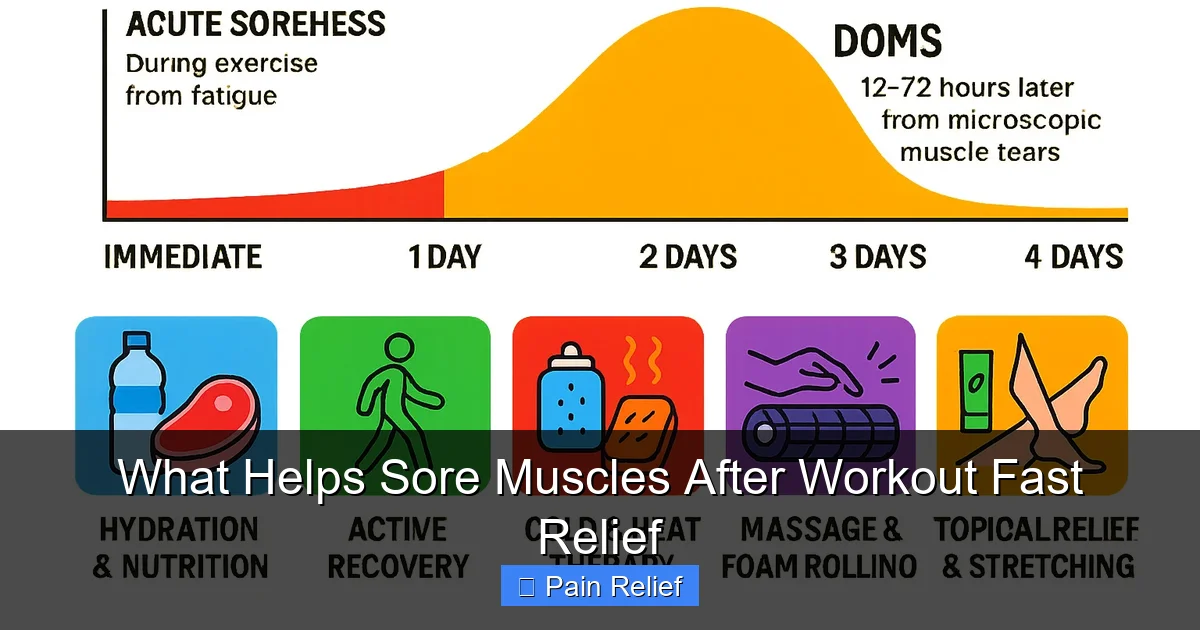
Visual guide about What Helps Sore Muscles After Workout Fast Relief
Image source: images.bannerbear.com
Embrace Temperature Therapies
Alternating between cold and heat can be incredibly effective.
-
Cold Therapy (Cryotherapy)
Cold helps constrict blood vessels, which reduces inflammation and swelling. It can also numb nerve endings, providing temporary pain relief.
- Ice Packs: Apply an ice pack (wrapped in a cloth) to sore areas for 15-20 minutes. You can repeat this several times a day.
- Cold Showers or Baths: A quick cold shower or a cold bath (50-59°F or 10-15°C) for 5-10 minutes can offer full-body relief. While intense, many athletes swear by ice baths for recovery.
-
Heat Therapy
Heat, on the other hand, promotes blood flow, which helps deliver oxygen and nutrients to damaged muscles and removes metabolic waste. It also relaxes tight muscles and can provide a comforting sensation.
- Warm Baths or Showers: A warm bath with Epsom salts (magnesium sulfate) can be particularly beneficial. The warm water relaxes muscles, and magnesium is believed to help with muscle function and relaxation (though absorption through skin is debated, the relaxation factor is undeniable).
- Heating Pads: Apply a heating pad to specific sore areas for 15-20 minutes. Ensure it’s not too hot to avoid burns.
- Sauna or Steam Room: The general warmth can help relax muscles and promote circulation, but ensure you rehydrate thoroughly afterward.
Utilize Compression
Compression garments are designed to provide gentle pressure on muscles, which can help reduce swelling and improve blood circulation. This improved circulation can aid in the removal of waste products and delivery of fresh oxygen and nutrients.
- Compression Sleeves/Garments: Wear compression socks, sleeves, or full garments on the affected areas. Many athletes wear them during or after workouts.
- Benefits: While research on their direct impact on DOMS reduction is mixed, many find them comfortable and report reduced swelling and a feeling of support.
Implement Foam Rolling and Self-Myofascial Release
Foam rolling is a form of self-massage that targets trigger points and tight areas in your muscles. It can improve flexibility, reduce muscle stiffness, and increase blood flow, making it a powerful tool for what helps sore muscles after workout.
- How to Use: Roll slowly over different muscle groups, pausing on tender spots for 20-30 seconds until the tension releases.
- Target Areas: Focus on quads, hamstrings, glutes, calves, back, and lats.
- Tools: Besides foam rollers, you can use massage balls (like lacrosse balls) for smaller, more specific areas or percussive massage guns for deeper tissue work.
Step 3: Lifestyle and Internal Support for Long-Term Relief
While immediate and external strategies offer fast relief, lasting recovery and reduced soreness depend on consistent, holistic lifestyle choices. These foundational elements are often overlooked but are paramount for understanding what helps sore muscles after workout in the long run.
Visual guide about What Helps Sore Muscles After Workout Fast Relief
Image source: dragonpainrelief.com
Prioritize Adequate Sleep
Sleep is when your body does most of its repair work. During deep sleep, your body releases growth hormone, which is vital for muscle repair and regeneration.
- Aim for 7-9 Hours: Ensure you get consistent, quality sleep each night.
- Create a Sleep Routine: Go to bed and wake up at similar times, even on weekends. Create a dark, quiet, and cool sleep environment.
- Limit Screen Time: Avoid screens (phones, tablets, computers) at least an hour before bed, as the blue light can interfere with melatonin production.
Engage in Active Recovery
While rest is important, complete inactivity can sometimes make soreness worse by reducing blood flow. Light, gentle movement, known as active recovery, can actually help.
- Low-Intensity Activities: Try a brisk walk, light cycling, swimming, or gentle yoga.
- Benefits: Active recovery increases blood flow, which helps flush out metabolic waste products and delivers fresh oxygen and nutrients to fatigued muscles, without adding further stress.
- Listen to Your Body: The key is low intensity. If an activity causes pain, stop.
Manage Stress Levels
Chronic stress can elevate cortisol levels, a hormone that can interfere with recovery and potentially increase inflammation. Managing stress can indirectly support muscle healing.
- Mindfulness and Meditation: Practice mindfulness or meditation techniques to calm your nervous system.
- Hobbies and Relaxation: Engage in relaxing hobbies, spend time in nature, or connect with loved ones.
Consider Targeted Supplementation (with caution)
While a balanced diet is primary, some supplements might offer additional support, but always consult with a healthcare professional before starting any new supplement regimen.
- Magnesium: Involved in over 300 enzymatic reactions, including muscle contraction and relaxation. Some people find magnesium supplements (or Epsom salt baths) helpful for muscle cramps and soreness.
- Branched-Chain Amino Acids (BCAAs): Essential amino acids (leucine, isoleucine, valine) that play a role in muscle protein synthesis. Some studies suggest BCAAs might reduce muscle damage and soreness, especially if taken before or during a workout.
- Omega-3 Fatty Acids: Found in fish oil, these have anti-inflammatory properties that could potentially help reduce muscle inflammation and aid recovery.
- Turmeric/Curcumin: A powerful anti-inflammatory and antioxidant, curcumin (the active compound in turmeric) may help reduce exercise-induced inflammation and muscle soreness.
Step 4: Topical Solutions & Pain Relief for Localized Comfort
For immediate, localized relief, topical solutions can be an excellent addition to your recovery toolkit. These target pain directly at the source, offering quick comfort when you’re asking what helps sore muscles after workout.
Visual guide about What Helps Sore Muscles After Workout Fast Relief
Image source: lifeworkschiropractic.ca
Apply Topical Analgesics
These creams, gels, or patches contain ingredients that create a sensation of warmth or coolness, distracting from the pain or providing minor pain relief.
- Menthol and Camphor: Found in products like Icy Hot or Biofreeze, these create a cooling sensation followed by warmth, which can temporarily relieve pain.
- Capsaicin: Derived from chili peppers, capsaicin creates a warming sensation and, with repeated use, can deplete substance P, a neurotransmitter that transmits pain signals.
- Arnica: A homeopathic remedy often used in creams for bruising and muscle soreness.
Explore CBD Creams and Oils
Cannabidiol (CBD) products have gained popularity for their potential anti-inflammatory and pain-relieving properties.
- How They Work: CBD interacts with the body’s endocannabinoid system, which plays a role in pain perception and inflammation.
- Application: CBD creams, balms, and oils can be applied directly to sore muscles for localized relief.
- Considerations: Ensure products are from reputable sources, third-party tested, and compliant with local laws. Individual effectiveness varies.
Step 5: When to Seek Professional Help
While DOMS is generally harmless and resolves on its own, it’s important to differentiate between normal muscle soreness and something more serious. Knowing when to consult a professional is crucial when exploring what helps sore muscles after workout.
Recognize Signs of Injury vs. DOMS
- DOMS: Typically appears 12-48 hours after exercise, is a dull ache, tenderness to touch, and improves with gentle movement and time. It affects a broad area of muscle.
- Injury: Pain is usually immediate during or shortly after exercise, often sharp or stabbing, localized to a specific spot, and may worsen with movement. It can be accompanied by swelling, bruising, numbness, tingling, or weakness.
When to Consult a Doctor or Physical Therapist
- Severe or Debilitating Pain: If your pain is so severe that it significantly limits your daily activities or doesn’t improve after several days.
- Persistent Pain: If muscle soreness lasts for more than 7 days without improvement.
- Sharp, Stabbing Pain: Any sudden, acute pain, especially during exercise, could indicate a muscle strain, tear, or other injury.
- Swelling, Redness, or Heat: These could be signs of a more serious inflammatory response or infection.
- Numbness or Tingling: This may suggest nerve involvement and requires professional evaluation.
- Difficulty Moving a Joint: If you cannot fully extend or flex a joint near the sore muscle.
Troubleshooting: What if Nothing Seems to Work?
Sometimes, despite your best efforts, muscle soreness lingers. If you feel like you’ve tried everything and are still struggling with what helps sore muscles after workout, consider these points:
- Re-evaluate Workout Intensity: Are you progressing too quickly? A sudden, significant increase in intensity, duration, or weight can overwhelm your muscles. Try a more gradual progression.
- Consistency is Key: Are you consistently applying recovery strategies? Sporadic efforts might not be enough. Make hydration, nutrition, and sleep non-negotiables.
- Cross-Training: If you’re consistently hammering the same muscle groups, consider rotating your workouts or incorporating different types of exercise to give those muscles a break while still staying active.
- Professional Massage: A professional sports massage therapist can often identify and address deeper muscle knots and imbalances that self-myofascial release might miss.
- Dietary Review: Ensure your diet is rich in anti-inflammatory foods (fruits, vegetables, lean proteins, healthy fats) and avoid processed foods, excessive sugar, and unhealthy fats which can promote inflammation.
Conclusion: Empowering Your Recovery
Understanding what helps sore muscles after workout is about much more than just temporary relief; it’s about optimizing your body’s ability to recover, adapt, and grow stronger. From immediate post-workout fueling and cooling to consistent lifestyle habits like sleep and active recovery, each strategy plays a vital role in minimizing discomfort and accelerating your return to peak performance.
Remember that recovery is an integral part of your fitness journey, just as important as the workout itself. By actively incorporating these practices, you’re not just alleviating pain; you’re investing in your long-term health, performance, and overall well-being. Listen to your body, be consistent with your recovery efforts, and you’ll find yourself bouncing back faster, feeling stronger, and ready to tackle your next challenge with renewed vigor.
🎥 Related Video: 4 Ways To Get Rid of Muscle Soreness (SPEED UP RECOVERY!)
📺 Andrew Kwong (DeltaBolic)
Vigorun Percussion Massager is indeed an affordable, high quality massage gun with 20 speed levels! Product link: …