Experiencing muscle soreness after a great workout is common, but you don’t have to suffer through it. This comprehensive guide provides expert tips and step-by-step strategies to effectively relieve soreness after exercise. From immediate post-workout actions to long-term recovery techniques like active recovery, proper nutrition, and quality sleep, you’ll learn how to speed up muscle repair and reduce discomfort, helping you get back to your fitness routine feeling refreshed and ready.
Expert Tips How to Relieve Soreness After Exercise Effectively
You’ve pushed yourself, you’ve conquered your workout, and now… you’re feeling it. That familiar ache, that stiffness, the tenderness when you move certain muscles. Yes, we’re talking about muscle soreness after exercise. It’s a common experience, a sign that your muscles have been challenged and are now working to adapt and grow stronger.
While a little soreness can feel like a badge of honor, excessive discomfort can sideline your progress and make everyday activities a chore. But here’s the good news: you don’t have to just “power through” it. There are many effective strategies you can employ to actively relieve soreness after exercise and speed up your recovery.
This comprehensive guide will walk you through expert-backed tips and practical steps to understand, prevent, and most importantly, relieve soreness after exercise. We’ll cover everything from immediate post-workout actions to long-term recovery strategies involving nutrition, hydration, and sleep. Get ready to feel better faster and keep crushing your fitness goals!
Key Takeaways
- Understand DOMS: Delayed Onset Muscle Soreness is a normal response to exercise that challenges your muscles, often peaking 24-72 hours later.
- Immediate Post-Workout Action: A proper cool-down, gentle static stretching, and immediate rehydration and nutrition are crucial first steps to mitigate soreness.
- Embrace Active Recovery: Light, low-impact movements like walking or swimming can significantly improve blood flow, helping to flush out waste products and deliver nutrients to sore muscles.
- Utilize Passive Recovery Tools: Foam rolling, targeted massage, and strategic use of hot and cold therapies can provide profound relief by improving circulation and relaxing tense muscles.
- Fuel Your Recovery Smartly: Adequate protein intake for muscle repair, complex carbohydrates for energy replenishment, and anti-inflammatory foods are vital components of nutritional recovery.
- Prioritize Quality Sleep: Deep sleep is when your body undertakes the most significant muscle repair and growth, making it an indispensable part of your recovery strategy.
- Prevent Future Soreness: Gradually increasing your workout intensity, consistent warm-ups, and listening to your body’s signals can prevent excessive soreness and promote long-term fitness.
1. Understanding Post-Exercise Soreness (DOMS)
Before we dive into relief strategies, let’s briefly understand what’s actually happening in your body when you feel sore. Knowing your enemy helps you fight it!
What is DOMS?
The soreness you feel is most likely Delayed Onset Muscle Soreness, or DOMS. It’s not the acute pain you feel during exercise (which might indicate an injury). Instead, DOMS typically sets in 12-24 hours after a workout and can peak anywhere between 24 and 72 hours later. It’s characterized by tenderness, stiffness, and reduced range of motion in the affected muscles.
DOMS is thought to be caused by microscopic tears in your muscle fibers, particularly during eccentric contractions (the lengthening phase of a muscle action, like lowering a dumbbell). These tiny tears lead to an inflammatory response, which is your body’s natural healing process. This inflammation, combined with fluid shifts and metabolite build-up, is what causes the sensation of soreness.
Why Does It Happen?
DOMS often occurs when you:
- Start a new exercise program.
- Increase the intensity, duration, or resistance of your usual workouts.
- Perform exercises you’re not accustomed to.
- Focus on eccentric movements.
It’s important to distinguish DOMS from injury. While uncomfortable, DOMS is a normal and temporary part of the muscle adaptation process. True injury pain is often sharper, more localized, and may not improve with rest or gentle movement.
2. Immediate Post-Workout Strategies to Mitigate Soreness
What you do immediately after your workout can significantly impact how much soreness you experience later. These steps are your first line of defense to relieve soreness after exercise.
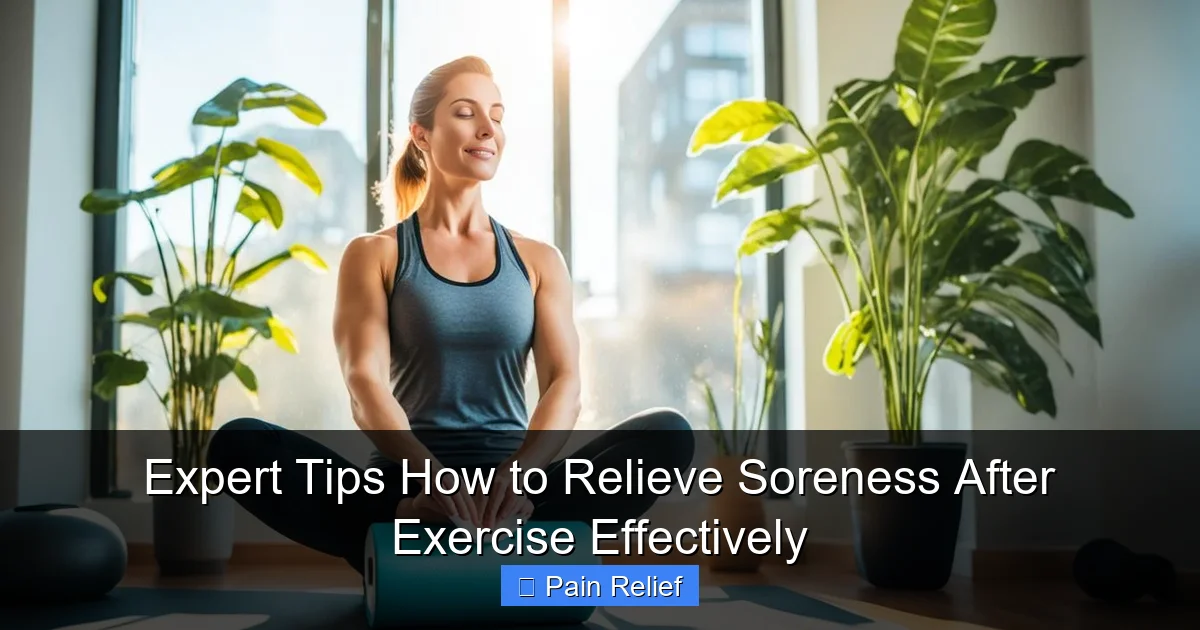
Visual guide about Expert Tips How to Relieve Soreness After Exercise Effectively
Image source: pmotionhealth.com
The Importance of a Proper Cool-Down
Don’t just stop exercising abruptly. A cool-down period helps your heart rate and breathing return to normal gradually. It also promotes blood flow, which can help flush metabolic waste products (like lactic acid) from your muscles, potentially reducing future soreness.
- Light Cardio: Spend 5-10 minutes performing light aerobic activity, such as walking, cycling at a low intensity, or using an elliptical.
- Dynamic Movements: Gentle, fluid movements can help maintain flexibility without overstretching cold muscles. Think arm circles, leg swings, or torso twists.
Static Stretching for Flexibility
After your cool-down, when your muscles are still warm and pliable, is the ideal time for static stretching. Static stretches involve holding a stretch for a period of time, typically 20-30 seconds, without bouncing. This helps improve flexibility and can gently lengthen muscle fibers, which some research suggests may help relieve soreness after exercise.
- Target Major Muscle Groups: Focus on the muscles you’ve just worked. For example, if you did a leg workout, stretch your quads, hamstrings, glutes, and calves.
- Hold, Don’t Bounce: Stretch to the point of mild tension, never pain. Breathe deeply and relax into the stretch.
- Consistency is Key: Make stretching a regular part of your post-workout routine.
Replenish with Hydration and Nutrition
What you consume after your workout is critical for muscle repair and recovery. It directly supports your body’s ability to heal and thus helps relieve soreness after exercise.
- Hydrate Immediately: Drink plenty of water. Dehydration can exacerbate muscle cramps and delay recovery. Consider adding electrolytes if your workout was intense or lasted a long time.
- Refuel with Protein and Carbs: Within 30-60 minutes after your workout, consume a snack or meal that contains both protein and carbohydrates. Protein helps repair muscle tissue, while carbohydrates replenish glycogen stores (your muscle’s energy source). A protein shake with a banana, or a piece of whole-wheat toast with eggs, are great options.
3. Active Recovery: Keep Moving Gently
It might sound counterintuitive to move when you’re sore, but active recovery is one of the most effective ways to relieve soreness after exercise. The goal is light, low-intensity movement, not another intense workout.
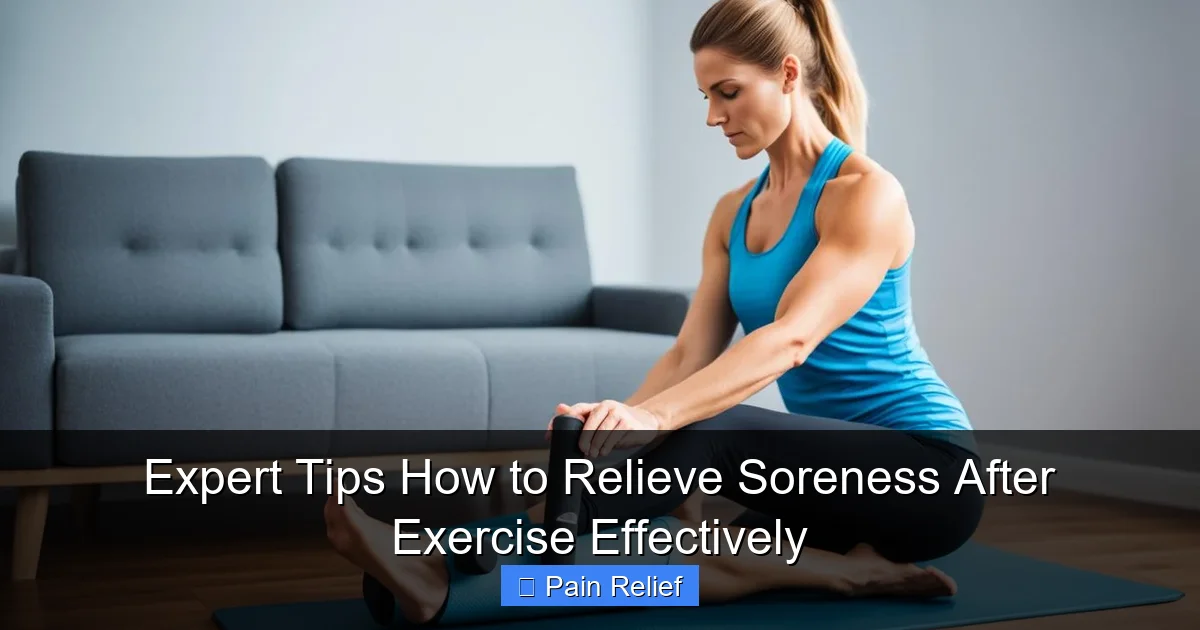
Visual guide about Expert Tips How to Relieve Soreness After Exercise Effectively
Image source: pmotionhealth.com
Why Active Recovery Helps
Gentle movement increases blood flow to your muscles without putting them under significant stress. Increased blood flow helps deliver oxygen and nutrients essential for repair, while simultaneously carrying away metabolic waste products that contribute to soreness. It’s like giving your muscles a gentle internal massage.
Gentle Aerobic Activities
On your recovery days, or even the day after a tough workout, consider these activities:
- Walking: A brisk walk is simple, accessible, and highly effective.
- Light Cycling: Indoors on a stationary bike or outdoors on flat terrain at a moderate pace.
- Swimming or Water Aerobics: The buoyancy of water reduces impact, making it ideal for sore joints and muscles.
- Elliptical Trainer: Offers a low-impact full-body workout.
Aim for 20-45 minutes of these activities at a low intensity where you can easily hold a conversation.
Light Mobility Exercises
Activities that focus on gentle movement and flexibility can also be beneficial:
- Yoga or Pilates: Opt for a restorative or beginner’s class that emphasizes gentle stretching, breathing, and body awareness rather than intense poses.
- Tai Chi: A series of slow, flowing movements that improve balance, flexibility, and relaxation.
These exercises help to increase your range of motion and reduce stiffness, making it easier to relieve soreness after exercise.
4. Passive Recovery Techniques for Deep Relief
While active recovery gets things moving, passive techniques provide targeted relief and relaxation, further aiding your body’s natural healing processes.
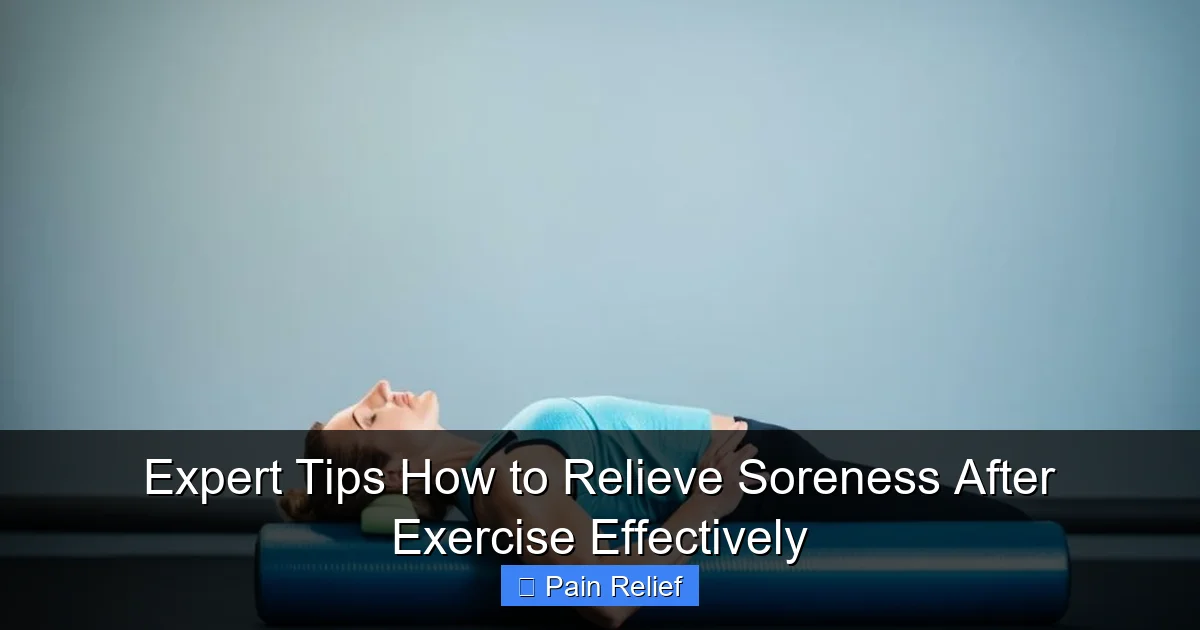
Visual guide about Expert Tips How to Relieve Soreness After Exercise Effectively
Image source: pmotionhealth.com
Foam Rolling and Self-Myofascial Release
Foam rolling is like giving yourself a deep tissue massage. By applying pressure to specific points on your body, you can help break up muscle knots (adhesions), improve blood flow, and release tension in your fascia (the connective tissue surrounding your muscles). This can be incredibly effective to relieve soreness after exercise.
- Technique: Slowly roll over the targeted muscle group, pausing on tender spots for 20-30 seconds. Breathe deeply through any discomfort.
- Target Areas: Quads, hamstrings, glutes, calves, back, and even chest muscles can benefit.
- Tools: Foam rollers come in various densities. You can also use a lacrosse ball for more targeted pressure on smaller areas.
Massage Therapy
Professional massage therapy, particularly sports massage or deep tissue massage, can be highly effective in reducing muscle soreness. A skilled therapist can pinpoint tight spots, improve circulation, and help flush out metabolic waste. Even a gentle self-massage with your hands or a massage gun can provide relief.
Hot and Cold Therapy
Alternating between hot and cold can be a powerful way to reduce inflammation and increase circulation.
- Ice Baths/Cold Packs: Cold therapy constricts blood vessels, reducing inflammation and numbing pain. Apply ice packs to specific sore areas for 15-20 minutes, or consider a full cold shower or ice bath if you’re brave (and if intense soreness warrants it).
- Warm Baths/Showers: Heat therapy, on the other hand, dilates blood vessels, increasing blood flow and promoting muscle relaxation. A warm bath or shower can be incredibly soothing and help relieve soreness after exercise.
- Contrast Showers: Alternate between 30-60 seconds of cold water and 1-2 minutes of warm water for several cycles. This “pump” action of constricting and dilating blood vessels can effectively reduce swelling and promote recovery.
Epsom Salt Baths
A warm bath infused with Epsom salts (magnesium sulfate) can be a wonderfully relaxing and effective way to relieve soreness after exercise. Magnesium is known for its muscle-relaxing properties, and some believe it can be absorbed through the skin, helping to calm sore muscles and reduce inflammation.
- How To: Add 1-2 cups of Epsom salts to a warm bath and soak for 20-30 minutes. Combine with essential oils like lavender for added relaxation.
Topical Pain Relief Creams
Over-the-counter creams, gels, and patches containing ingredients like menthol, capsaicin, or arnica can provide temporary localized relief for sore muscles. These work by either creating a warming or cooling sensation that distracts from pain, or by reducing inflammation topically. Always follow the product’s instructions.
5. Optimize Your Nutrition and Hydration
Beyond immediate post-workout fueling, your overall diet plays a huge role in your body’s ability to recover and relieve soreness after exercise.
Protein for Muscle Repair
Protein is the building block of muscle tissue. Ensuring adequate protein intake throughout the day, not just after workouts, is crucial for muscle repair and growth. Aim for 0.7-1 gram of protein per pound of body weight per day, distributed across your meals.
- Sources: Lean meats, poultry, fish, eggs, dairy (Greek yogurt, cottage cheese), legumes, tofu, tempeh, and protein supplements (whey, casein, plant-based).
Carbohydrates for Energy Restoration
While protein repairs, carbohydrates replenish your muscle glycogen stores, which are your primary fuel source during exercise. Without adequate carbs, your body might break down protein for energy, hindering recovery.
- Sources: Whole grains (oats, brown rice, quinoa), fruits, vegetables, sweet potatoes.
Anti-Inflammatory Foods
Since soreness involves inflammation, incorporating foods with anti-inflammatory properties can help reduce discomfort.
- Omega-3 Fatty Acids: Found in fatty fish (salmon, mackerel), flaxseeds, chia seeds, and walnuts.
- Antioxidants: Abundant in colorful fruits (berries, cherries) and vegetables (spinach, kale).
- Spices: Turmeric (curcumin), ginger, and garlic have known anti-inflammatory benefits.
The Power of Hydration
Don’t underestimate the power of consistent hydration. Water is essential for every bodily function, including nutrient transport, waste removal, and maintaining joint lubrication. Dehydration can exacerbate muscle soreness and fatigue. Aim to drink plenty of water throughout the day, especially around your workouts. Consider electrolyte-rich beverages if you’re sweating a lot.
6. Prioritize Quality Sleep for Muscle Repair
Sleep is often overlooked, but it’s arguably the most critical component of recovery. Your body does its most significant repair work while you sleep, making it essential to relieve soreness after exercise.
How Sleep Aids Recovery
- Hormone Release: During deep sleep, your body releases human growth hormone (HGH), which is vital for tissue repair, muscle growth, and fat metabolism.
- Cellular Repair: Sleep allows your body to dedicate energy to cellular repair processes, rebuilding damaged muscle fibers.
- Reduced Inflammation: Adequate sleep helps regulate inflammatory responses in the body.
Tips for Better Sleep
- Aim for 7-9 Hours: Most adults need this amount of sleep for optimal recovery and overall health.
- Establish a Routine: Go to bed and wake up at roughly the same time each day, even on weekends.
- Create a Relaxing Environment: Keep your bedroom dark, quiet, and cool.
- Limit Screen Time: Avoid blue light from screens at least an hour before bed.
- Avoid Caffeine and Heavy Meals: Especially close to bedtime.
7. Preventing Future Soreness: A Proactive Approach
While some soreness is inevitable when challenging your body, you can take steps to minimize its severity and frequency, helping you to proactively relieve soreness after exercise.
Gradual Progression
The biggest mistake people make is doing too much, too soon. Whether you’re new to exercise or returning after a break, gradually increase the intensity, duration, and volume of your workouts. Allow your muscles time to adapt to new demands.
- “Progressive Overload”: Increase one variable at a time (e.g., add more reps, then more weight, then more sets, then a new exercise).
- Listen to Your Body: If a muscle group is still significantly sore, give it another day of rest or engage in very light active recovery.
Proper Warm-Up
Just as a cool-down is important, a dynamic warm-up prepares your muscles for activity. A good warm-up increases blood flow to your muscles, raises your core body temperature, and improves joint mobility, making your muscles more pliable and less prone to microscopic damage.
- Dynamic Stretches: Movements that take your joints and muscles through a full range of motion, like leg swings, arm circles, torso twists, and high knees.
- Light Cardio: 5-10 minutes of light cardio like jogging or jumping jacks.
Listen to Your Body
This is perhaps the most crucial tip. Your body gives you signals. Pain is its way of telling you something is wrong. Soreness is different from sharp, acute pain. Learn to distinguish between the two. Don’t be afraid to take rest days or adjust your workout plan if you’re feeling overly fatigued or sore.
Consistency is Key
Regular exercise, even at a moderate intensity, tends to lead to less severe DOMS than sporadic, intense workouts. Your body adapts better to consistent demands. Similarly, consistent recovery habits (stretching, hydration, sleep) will continuously help you relieve soreness after exercise and improve your overall well-being.
8. When to Consult a Professional
While most post-exercise soreness is benign and resolves within a few days, there are instances when you should seek professional medical advice.
Red Flags to Watch For
- Severe, Disabling Pain: If the pain is so intense that it significantly limits your movement or prevents you from performing daily tasks.
- Pain That Persists: If soreness lasts for more than 5-7 days and doesn’t improve with rest and recovery strategies.
- Sharp, Localized Pain: Unlike the dull ache of DOMS, sharp pain in a specific area could indicate an acute injury.
- Significant Swelling or Bruising: Especially if it’s localized to one joint or muscle area.
- Numbness or Tingling: These could be signs of nerve involvement.
- Dark Urine: In very rare cases, extreme muscle breakdown can lead to rhabdomyolysis, a serious condition requiring immediate medical attention.
Seeking Expert Advice
If you experience any of these red flags, or if you’re concerned about your soreness, consult a doctor, physical therapist, or sports medicine specialist. They can accurately diagnose the issue and recommend appropriate treatment.
Conclusion
Post-exercise soreness is a normal part of the fitness journey, a testament to your hard work and your body’s amazing ability to adapt. However, you don’t have to simply endure the discomfort. By implementing a combination of immediate post-workout actions, active and passive recovery techniques, smart nutrition, and prioritizing sleep, you can significantly relieve soreness after exercise and accelerate your return to peak performance.
Remember that consistency in both your workouts and your recovery efforts is the most powerful tool. Listen to your body, fuel it well, move gently, and give it the rest it deserves. By adopting these expert tips, you’ll not only effectively relieve soreness after exercise but also build a more resilient, healthier, and stronger body ready for whatever challenges you throw its way.
🎥 Related Video: How to Relieve Muscle Soreness and Recover FAST (4 Science-Based Tips)
📺 Jeremy Ethier
Muscle soreness (also known as delayed onset muscle soreness or “DOMS”) is something we can all relate to. The sore legs and …