After an intense workout, muscle soreness, known as DOMS, can be uncomfortable. This guide provides actionable steps to quickly relieve muscle pain after exercise, helping you bounce back faster. From immediate post-workout strategies like cooling down and hydration to long-term recovery methods such as active rest, targeted stretching, and proper nutrition, you’ll learn effective ways to minimize discomfort and optimize your recovery process. Embrace these techniques to reduce soreness and enhance your fitness journey.
How to Relieve Muscle Pain After Exercise Fast
There’s a special kind of satisfaction that comes after a tough workout. You’ve pushed your limits, challenged your body, and you know you’re getting stronger. But often, that satisfaction is followed by an unwelcome guest: muscle pain. That deep, aching soreness that can make everyday tasks feel like an Olympic sport is something almost everyone experiences, from seasoned athletes to weekend warriors.
This discomfort, often referred to as Delayed Onset Muscle Soreness (DOMS), is a perfectly normal part of the fitness journey. It’s your body’s way of adapting and building stronger muscles. However, just because it’s normal doesn’t mean you have to suffer through it. Knowing how to relieve muscle pain after exercise can significantly improve your comfort, enhance your recovery, and keep you consistent with your fitness routine.
In this comprehensive guide, we’ll walk you through effective, science-backed strategies to not only understand why your muscles ache but, more importantly, how to relieve muscle pain after exercise quickly and efficiently. We’ll cover everything from immediate post-workout actions to long-term recovery habits. Get ready to bounce back faster, feel better, and keep smashing your fitness goals!
Key Takeaways
- Understand DOMS: Delayed Onset Muscle Soreness (DOMS) is a normal response to exercise, peaking 24-72 hours later. It signifies your muscles adapting and growing stronger, but understanding it is the first step to knowing how to relieve muscle pain after exercise effectively.
- Immediate Post-Workout Care is Crucial: Start your recovery right after your workout with an active cool-down, smart rehydration, and a timely intake of protein and carbohydrates. These steps significantly help to prevent and relieve muscle pain after exercise.
- Utilize Thermotherapy Strategically: Incorporate both cold therapy (like ice packs or cold showers) to reduce inflammation, and heat therapy (warm baths or heating pads) to improve blood flow and relax tight muscles. Alternating these can be a powerful way to relieve muscle pain after exercise.
- Embrace Active Recovery and Mobility: Gentle movement, such as light walking, swimming, or foam rolling, increases blood circulation, which helps deliver nutrients and remove metabolic waste, effectively aiding in the process to relieve muscle pain after exercise.
- Prioritize Rest, Sleep, and Nutrition: Adequate sleep is fundamental for muscle repair and growth, as is a balanced diet rich in protein, complex carbohydrates, and anti-inflammatory foods. These lifestyle factors are critical to supporting your body’s ability to relieve muscle pain after exercise.
- Incorporate Gentle Stretching and Foam Rolling: Post-workout, gentle static stretching and foam rolling can improve flexibility, reduce muscle tension, and break up knots, providing targeted relief and helping to alleviate discomfort. This is an excellent technique to relieve muscle pain after exercise.
Step 1: Understand Delayed Onset Muscle Soreness (DOMS)
Before we dive into solutions, let’s clarify what we’re dealing with. DOMS typically sets in 12 to 24 hours after an intense or new workout and can peak anywhere from 24 to 72 hours later. It’s characterized by tenderness, stiffness, and a reduced range of motion in the affected muscles.
What causes it? DOMS is primarily caused by microscopic tears in your muscle fibers, not lactic acid buildup as once commonly believed. When these tiny tears occur, your body initiates an inflammatory response to repair them. This repair process is what ultimately makes your muscles stronger and more resilient, but it also causes the familiar ache. Understanding this helps you appreciate that DOMS is a sign of adaptation, but we still want to relieve muscle pain after exercise to feel better.
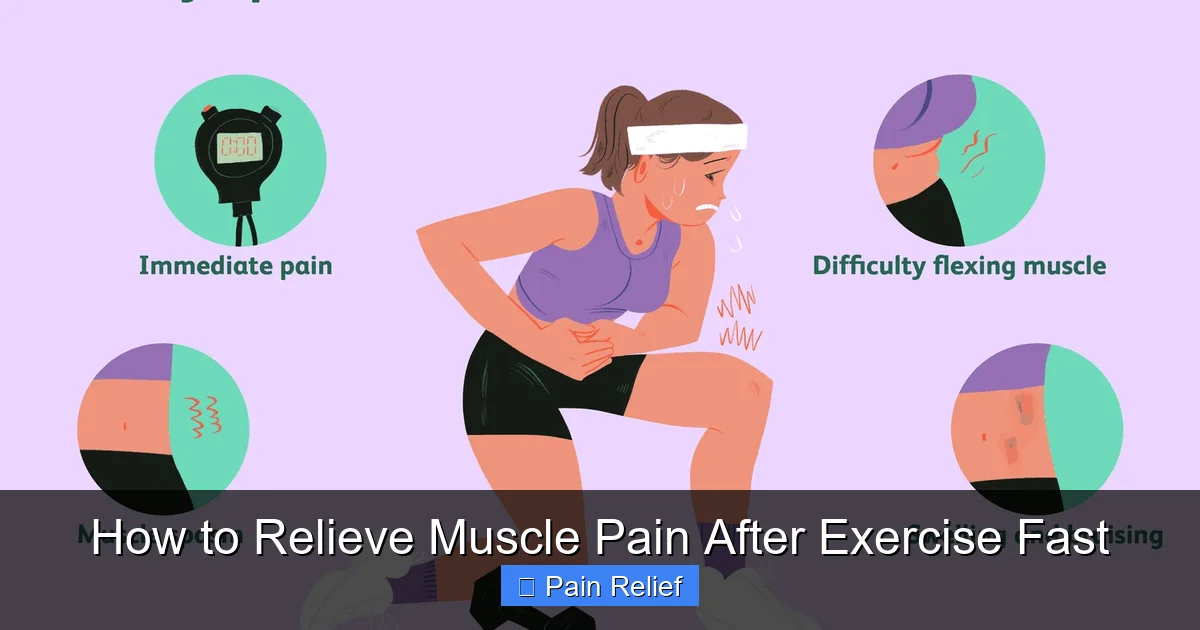
It’s important to distinguish DOMS from injury. While DOMS is a dull, general ache that improves with movement, an injury often presents as sharp, localized pain that worsens with specific movements or pressure. If you suspect an injury, it’s always best to consult a healthcare professional.
Step 2: Immediate Post-Workout Protocol
Your actions immediately after exercise play a huge role in how quickly you can relieve muscle pain after exercise. Don’t just stop cold; transition gradually.
Visual guide about How to Relieve Muscle Pain After Exercise Fast
Image source: blog.smarthealthshop.com
Cool Down Effectively
An active cool-down helps your heart rate and breathing return to normal gradually. It also helps flush metabolic byproducts out of your muscles, which can reduce stiffness and soreness. Think of it as gently winding down your engine.
- How to do it: Spend 5-10 minutes performing light cardio, such as walking or very slow cycling. This can be as simple as walking around the gym or your neighborhood after a run.
- Practical Tip: Combine your cool-down with a few minutes of gentle stretching while your muscles are still warm. This preps them for better recovery.
Rehydrate Smartly
During exercise, you lose fluids through sweat. Dehydration can exacerbate muscle cramps and delay recovery, making muscle pain feel worse. Proper rehydration is vital to relieve muscle pain after exercise.
- What to drink: Water is essential, but if your workout was particularly intense or long (over an hour), consider an electrolyte-rich beverage. Electrolytes like sodium, potassium, and magnesium are crucial for muscle function and can be lost through sweat.
- How much: Aim to drink 16-24 ounces of fluid for every pound of weight lost during exercise. Keep a water bottle handy and sip throughout the rest of your day.
Refuel with Protein and Carbs
The “anabolic window” post-workout (roughly 30 minutes to 2 hours) is a prime time to provide your muscles with the nutrients they need for repair and growth. This proactive step helps to dramatically relieve muscle pain after exercise.
- Protein: Essential for repairing those microscopic muscle tears. Aim for 20-30 grams of high-quality protein.
- Carbohydrates: Replenish glycogen stores, which are your muscles’ primary energy source. This helps prepare them for your next workout.
- Examples: A protein shake, Greek yogurt with berries, chicken and rice, or a whole-wheat turkey sandwich.
Step 3: Embrace Active Recovery
While rest is important, complete inactivity can sometimes make DOMS worse by causing muscles to stiffen. Active recovery, on the other hand, can be a fantastic way to relieve muscle pain after exercise.

Visual guide about How to Relieve Muscle Pain After Exercise Fast
Image source: media.andhrajyothy.com
Why Active Recovery Works
Light movement increases blood flow to your muscles. This enhanced circulation delivers fresh oxygen and nutrients needed for repair, while simultaneously helping to flush out metabolic waste products that contribute to soreness. It’s like giving your muscles a gentle internal massage.
Low-Impact Activities
The key is “low-impact” and “gentle.” You’re not looking to break a sweat or challenge your muscles again.
- Examples:
- Walking: A brisk walk for 20-30 minutes.
- Light Cycling: Gentle spin on a stationary bike or a leisurely outdoor ride.
- Swimming or Aqua Jogging: The buoyancy of water reduces stress on your joints while still allowing for movement.
- Yoga or Pilates: Opt for restorative or beginner classes that focus on gentle movement and stretching, not intense poses.
- Frequency: Perform active recovery on your rest days or when you’re feeling particularly sore, but make sure to listen to your body and avoid pushing through sharp pain.
Step 4: Master the Art of Stretching and Mobility
Stretching helps improve flexibility and reduce muscle stiffness. While it might not prevent DOMS, it can certainly help to relieve muscle pain after exercise once it sets in.
Visual guide about How to Relieve Muscle Pain After Exercise Fast
Image source: verywellhealth.com
Gentle Static Stretching
Static stretching involves holding a stretch for a sustained period. It’s best done when your muscles are warm, ideally after your cool-down or a warm bath.
- Technique: Gently extend the muscle until you feel a mild pull, never pain. Hold each stretch for 20-30 seconds. Avoid bouncing, as this can activate the stretch reflex and potentially cause injury.
- Key Areas: Focus on the muscles you just worked. For example, if you trained legs, stretch your quadriceps, hamstrings, glutes, and calves.
- Practical Tip: Incorporate a full-body stretching routine 2-3 times a week, especially on days you feel sore.
Foam Rolling and Self-Massage
Foam rolling is a form of self-myofascial release, which can be incredibly effective to relieve muscle pain after exercise. It applies pressure to muscle knots and tight spots, helping to break them up and improve blood flow.
- How to do it: Use a foam roller, massage ball, or even a tennis ball. Slowly roll over sore areas. When you find a tender spot, pause and apply sustained pressure for 30-60 seconds, or until you feel the tension release.
- Benefits: Reduces muscle stiffness, improves range of motion, and can feel like a mini massage.
- Key Areas: Hamstrings, quads, IT band, glutes, back, and calves are common targets.
- Word of Caution: It can be uncomfortable, but it shouldn’t be excruciating. If it’s too painful, lighten the pressure.
Step 5: Harness the Power of Thermotherapy
Using temperature to your advantage is a time-tested method to relieve muscle pain after exercise.
Cold Therapy (Cryotherapy)
Cold therapy works by constricting blood vessels, which reduces blood flow to the area. This helps to numb pain and decrease inflammation and swelling immediately after injury or intense exercise.
- Methods:
- Ice Packs: Apply an ice pack (wrapped in a cloth) to sore areas for 15-20 minutes.
- Cold Showers/Baths: A full-body cold shower or an ice bath (submerging yourself in cold water) can be intense but very effective. Start with shorter durations and cooler, not freezing, water if you’re new to it.
- When to use: Best used immediately after a workout or within the first 24 hours to target acute inflammation.
Heat Therapy
Conversely, heat therapy increases blood flow, which helps relax tight muscles and deliver nutrients for repair. It’s generally better for chronic stiffness or after the initial inflammatory phase has passed.
- Methods:
- Warm Baths/Showers: Soaking in a warm bath (you can add Epsom salts for extra benefit) is incredibly relaxing and can soothe aching muscles.
- Heating Pads: Apply a heating pad to specific sore areas for 15-20 minutes.
- Saunas/Steam Rooms: These can also promote muscle relaxation and improve circulation.
- When to use: Use 24-48 hours after your workout, or whenever your muscles feel stiff and tight.
- Practical Tip: Some people find alternating hot and cold therapies (contrast therapy) beneficial for promoting circulation and recovery.
Step 6: Prioritize Nutrition and Supplements for Recovery
What you put into your body has a profound impact on its ability to recover and repair. Good nutrition is key to learning how to relieve muscle pain after exercise effectively.
Protein for Repair
As mentioned before, protein is the building block of muscle. Ensure you’re getting adequate protein throughout your day, not just immediately after your workout. Aim for 0.7-1 gram of protein per pound of body weight daily, spread across meals.
- Sources: Lean meats, poultry, fish, eggs, dairy products (Greek yogurt, cottage cheese), legumes, tofu, and protein powders.
Anti-Inflammatory Foods
Some foods naturally help reduce inflammation in the body, which can lessen DOMS severity.
- Examples:
- Omega-3 Fatty Acids: Found in fatty fish (salmon, mackerel), flaxseeds, chia seeds, and walnuts.
- Antioxidant-Rich Foods: Berries, leafy greens (spinach, kale), turmeric, ginger, and green tea.
- Magnesium-Rich Foods: Dark leafy greens, nuts, seeds, legumes, whole grains, dark chocolate. Magnesium plays a vital role in muscle function and relaxation.
Key Supplements (Optional)
While a balanced diet is paramount, certain supplements might offer additional support to relieve muscle pain after exercise, especially for those with specific deficiencies or intense training schedules. Always consult a healthcare professional before starting new supplements.
- Creatine: Helps replenish ATP for energy, allowing for more intense workouts and potentially faster recovery.
- BCAAs (Branched-Chain Amino Acids): May help reduce muscle breakdown during exercise and support muscle repair.
- Magnesium: Can help with muscle relaxation and reduce cramping.
- Omega-3 Fatty Acids: Supplementation can help reduce systemic inflammation.
Step 7: Optimize Rest and Sleep
This is arguably the most underrated component of recovery. Sleep is when your body does its most significant repair work. Without sufficient, quality sleep, all other efforts to relieve muscle pain after exercise will be less effective.
The Healing Power of Sleep
During deep sleep stages, your body releases growth hormone (GH), which is crucial for muscle repair, growth, and tissue regeneration. Your muscles also get a chance to completely relax, reducing tension.
- Recommended Hours: Most adults need 7-9 hours of quality sleep per night. Athletes or those with intense training might need even more.
- Tips for Better Sleep:
- Establish a consistent sleep schedule.
- Create a dark, quiet, and cool sleep environment.
- Avoid caffeine and heavy meals close to bedtime.
- Limit screen time before bed.
Step 8: Consider Topical Solutions and OTC Pain Relievers
Sometimes, you need a little extra help to relieve muscle pain after exercise, especially when it’s particularly stubborn.
Topical Pain Relief Creams/Gels
These products can provide localized relief by either creating a warming or cooling sensation, or by delivering anti-inflammatory ingredients directly to the skin.
- Ingredients: Look for products containing menthol, capsaicin, camphor, arnica, or magnesium.
- Application: Apply directly to the sore area and massage gently until absorbed. Wash your hands thoroughly after use.
NSAIDs (Non-Steroidal Anti-Inflammatory Drugs)
Over-the-counter NSAIDs like ibuprofen (Advil) or naproxen (Aleve) can help reduce pain and inflammation associated with DOMS. However, they should be used sparingly and cautiously.
- Word of Caution: While they offer temporary relief, some research suggests that regular use of NSAIDs might interfere with the muscle repair process. Always follow dosage instructions and consult your doctor if you plan on using them frequently, as they can have side effects on the stomach and kidneys.
Step 9: When to Seek Professional Help (Troubleshooting)
While DOMS is normal, there are times when muscle pain after exercise might indicate something more serious. Knowing when to consult a professional is crucial.
- Persistent or Worsening Pain: If your muscle pain doesn’t improve after 72 hours, or if it gets worse.
- Sharp, Localized Pain: Unlike the diffuse ache of DOMS, sharp pain in a specific area could indicate a strain, sprain, or other injury.
- Severe Swelling or Bruising: Significant swelling, redness, or bruising around the sore area.
- Limited Range of Motion: If you can’t move a joint normally, or if the pain makes it impossible to put weight on a limb.
- Numbness, Tingling, or Weakness: These could be signs of nerve involvement.
- Unusual Symptoms: Fever, chills, or extreme fatigue accompanying muscle pain.
If you experience any of these symptoms, it’s best to consult a doctor, physical therapist, or sports medicine specialist. They can accurately diagnose the issue and provide appropriate treatment, helping you get back to your routine safely.
Conclusion
Muscle pain after exercise doesn’t have to be an inevitable consequence of pushing your limits. By understanding why it happens and implementing these effective strategies, you can significantly relieve muscle pain after exercise and speed up your recovery.
Remember, recovery is just as important as the workout itself. It’s a vital part of building strength, improving performance, and preventing injuries. By consistently incorporating proper cool-downs, hydration, nutrition, active recovery, thermotherapy, and quality sleep, you’ll not only soothe those aching muscles but also optimize your long-term fitness journey. Listen to your body, be patient with yourself, and embrace these practices to stay strong, healthy, and pain-free. Happy training!
🎥 Related Video: 4 Ways To Get Rid of Muscle Soreness (SPEED UP RECOVERY!)
📺 Andrew Kwong (DeltaBolic)
Vigorun Percussion Massager is indeed an affordable, high quality massage gun with 20 speed levels! Product link: …