Tired of post-workout aches? This comprehensive guide provides essential, actionable steps to reduce muscle pain after exercise immediately and for the long term. Learn how proper warm-ups, nutrition, active recovery, and smart sleep habits can transform your recovery. By understanding and implementing these strategies, you can significantly minimize discomfort, enhance performance, and get back to your fitness routine feeling refreshed and ready.
Stop The Ache: How to Reduce Muscle Pain After Exercise Now
You did it! You pushed through that tough workout, lifted heavier, ran further, or tried a new class. The exhilaration is real. But then, a few hours later, or sometimes even a day or two after, it hits. That familiar, sometimes debilitating, muscle pain. Walking down stairs feels like a heroic feat, reaching for something on a high shelf becomes a comical struggle, and simply sitting down can be an adventure. We’ve all been there.
This common phenomenon is known as Delayed Onset Muscle Soreness, or DOMS. It’s the discomfort you feel 24 to 72 hours after unfamiliar or intense exercise. While it can be a sign of a good workout, indicating that your muscles are adapting and growing stronger, it doesn’t have to be a torturous experience. The good news is that you don’t have to just “power through” the pain. There are many effective strategies you can employ to significantly reduce muscle pain after exercise and speed up your recovery.
In this comprehensive guide, we’ll walk you through everything you need to know about why you experience muscle pain, and more importantly, exactly what you can do about it. From immediate post-workout actions to long-term lifestyle changes, we’ll equip you with practical, science-backed steps to minimize discomfort, enhance your recovery, and keep you moving towards your fitness goals without the constant ache. Let’s learn how to reduce muscle pain after exercise and make your fitness journey a more comfortable and enjoyable one.
Key Takeaways
- Embrace Immediate Post-Workout Care: Prioritize a proper cool-down, gentle stretching, and immediate rehydration to kickstart the recovery process and effectively reduce muscle pain after exercise.
- Fuel Your Recovery Smartly: Consume adequate protein for muscle repair, complex carbohydrates for energy replenishment, and anti-inflammatory foods to fight soreness.
- Utilize Active Recovery Techniques: Incorporate light movement, foam rolling, and dynamic stretching on rest days to improve blood flow and reduce stiffness.
- Leverage Thermal Therapies: Experiment with cold therapy (ice baths) to reduce inflammation and heat therapy (warm baths) to relax muscles, or combine them with contrast showers.
- Prioritize Rest and Quality Sleep: Understand that deep sleep is crucial for muscle repair and hormone regulation, making it a cornerstone strategy to reduce muscle pain after exercise.
- Prevent Pain with Smart Progression: Gradually increase your workout intensity and duration, always warm up thoroughly, and listen to your body’s signals to avoid overtraining and excessive soreness.
- Know When to Seek Help: Differentiate between normal muscle soreness (DOMS) and acute injury pain, and don’t hesitate to consult a professional if pain is sharp, persistent, or accompanied by other worrying symptoms.
Understanding Muscle Pain After Exercise (DOMS)
Before we dive into solutions, let’s quickly understand the enemy – DOMS. It’s not caused by lactic acid buildup, as once commonly believed. Instead, DOMS is primarily the result of microscopic tears in your muscle fibers, particularly after eccentric exercises (movements where muscles lengthen under tension, like the lowering phase of a bicep curl or running downhill). These micro-tears trigger an inflammatory response in your body, which leads to swelling and increased sensitivity, resulting in the pain you feel. It’s a natural part of the muscle repair and rebuilding process. While it’s uncomfortable, it’s usually a sign your muscles are getting stronger.
Step 1: Immediate Post-Workout Care – Laying the Foundation for Recovery
What you do immediately after your workout sets the stage for how quickly and effectively you can reduce muscle pain after exercise.

Visual guide about Stop The Ache How to Reduce Muscle Pain After Exercise Now
Image source: i.ytimg.com
Cool-Down Properly
Never skip your cool-down! Think of it as gently bringing your body back to a resting state. Abruptly stopping intense activity can cause blood to pool in your muscles, making soreness worse. A proper cool-down helps gradually lower your heart rate, blood pressure, and body temperature. This simple act aids in flushing metabolic waste products from your muscles.
- Practical Tip: Dedicate 5-10 minutes to light cardio like walking or cycling at a very low intensity, followed by gentle, static stretches.
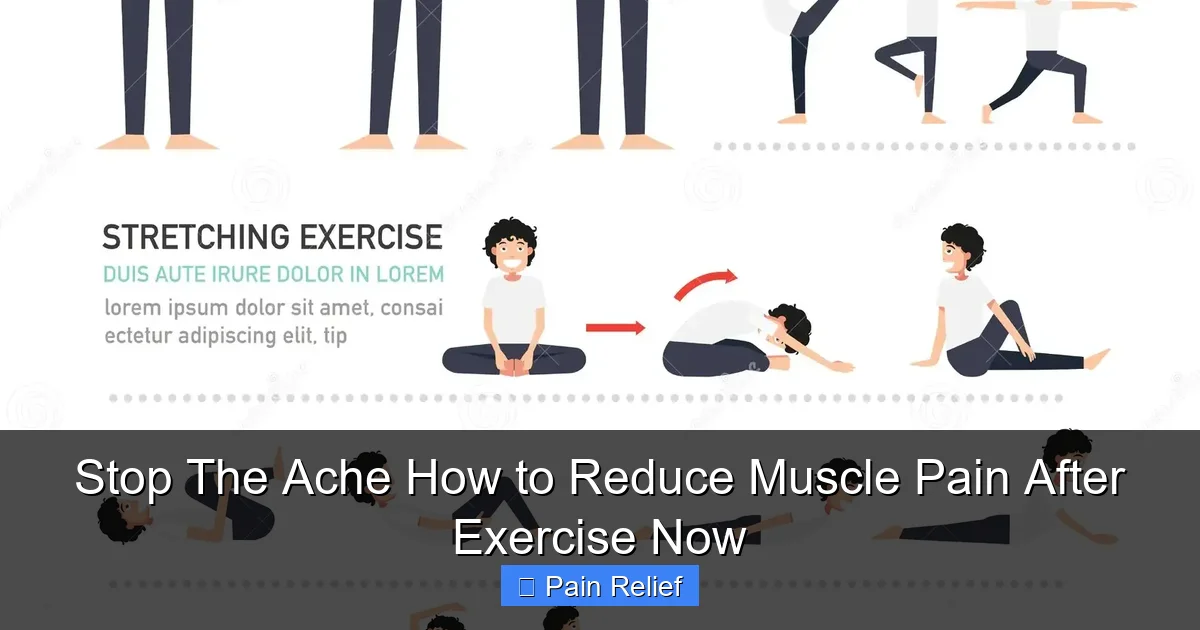
Gentle Static Stretching
After your cool-down, static stretching is your friend. This involves holding a stretch for 20-30 seconds per muscle group, without bouncing. Focus on the muscles you’ve just worked. Stretching helps to improve flexibility and blood flow, which can contribute to reducing muscle stiffness and tightness. It won’t eliminate DOMS, but it can certainly make the experience less severe.
- Practical Tip: Stretch major muscle groups like hamstrings, quads, glutes, chest, and back. Don’t push into pain, just a comfortable stretch.
Hydrate Right Away
Your body loses a lot of fluid during exercise, primarily through sweat. Dehydration can exacerbate muscle cramps and contribute to overall fatigue. Replenishing these fluids is crucial for cellular function, nutrient transport, and waste removal – all vital processes for muscle recovery and to reduce muscle pain after exercise.
- Practical Tip: Drink water consistently throughout your workout and aim to consume at least 16-20 ounces of water for every pound of body weight lost during exercise within an hour or two post-workout. Electrolyte-rich beverages can also be beneficial, especially after intense or prolonged sessions.
Step 2: Nutrition for Recovery – Fueling Your Body to Heal
What you eat after your workout is just as important as the workout itself. Your muscles need specific nutrients to repair, rebuild, and reduce inflammation.
Visual guide about Stop The Ache How to Reduce Muscle Pain After Exercise Now
Image source: thumbs.dreamstime.com
Prioritize Protein Intake
Protein is the building block of muscles. After exercise, your muscles are in a state where they are ready to absorb amino acids to repair those microscopic tears. Consuming protein within 30-60 minutes post-workout is often called the “anabolic window,” though research suggests this window is wider than once thought. Still, getting protein in helps kickstart recovery.
- Practical Tip: Aim for 20-40 grams of high-quality protein (e.g., lean meat, fish, eggs, Greek yogurt, protein powder, legumes) in your post-workout meal or snack.
Don’t Forget Carbohydrates
While protein gets a lot of attention, carbohydrates are equally important. They replenish your glycogen stores, which are your muscles’ primary energy source. If these stores aren’t refilled, your body might start breaking down muscle for energy, hindering recovery and potentially making soreness worse.
- Practical Tip: Combine your protein with complex carbohydrates like whole grains, fruits, sweet potatoes, or quinoa. A balanced post-workout meal might be chicken and brown rice, or a protein smoothie with fruit.
Incorporate Anti-Inflammatory Foods
Since DOMS is largely an inflammatory response, eating foods that naturally reduce inflammation can be highly beneficial. These foods provide antioxidants and other compounds that help your body manage the inflammatory process.
- Practical Tip: Include foods rich in omega-3 fatty acids (fatty fish, flaxseeds, chia seeds), berries, dark leafy greens, turmeric, and ginger in your diet regularly.
Consider Targeted Supplements (Consult a Professional First)
While whole foods are always best, certain supplements might offer additional support to reduce muscle pain after exercise for some individuals.
- Branched-Chain Amino Acids (BCAAs): These essential amino acids (leucine, isoleucine, valine) are crucial for muscle protein synthesis and may help reduce muscle damage and soreness.
- Creatine: Known for improving strength and power, creatine also helps with muscle recovery and can reduce muscle pain.
- Omega-3 Fatty Acids: Supplements can provide a concentrated dose of these anti-inflammatory fats, which may help manage muscle soreness.
- Magnesium: Can aid in muscle relaxation and reduce cramps.
- Important Note: Always consult with a doctor or registered dietitian before adding new supplements to your routine.
Step 3: Active Recovery & Movement – Gentle Motion for Healing
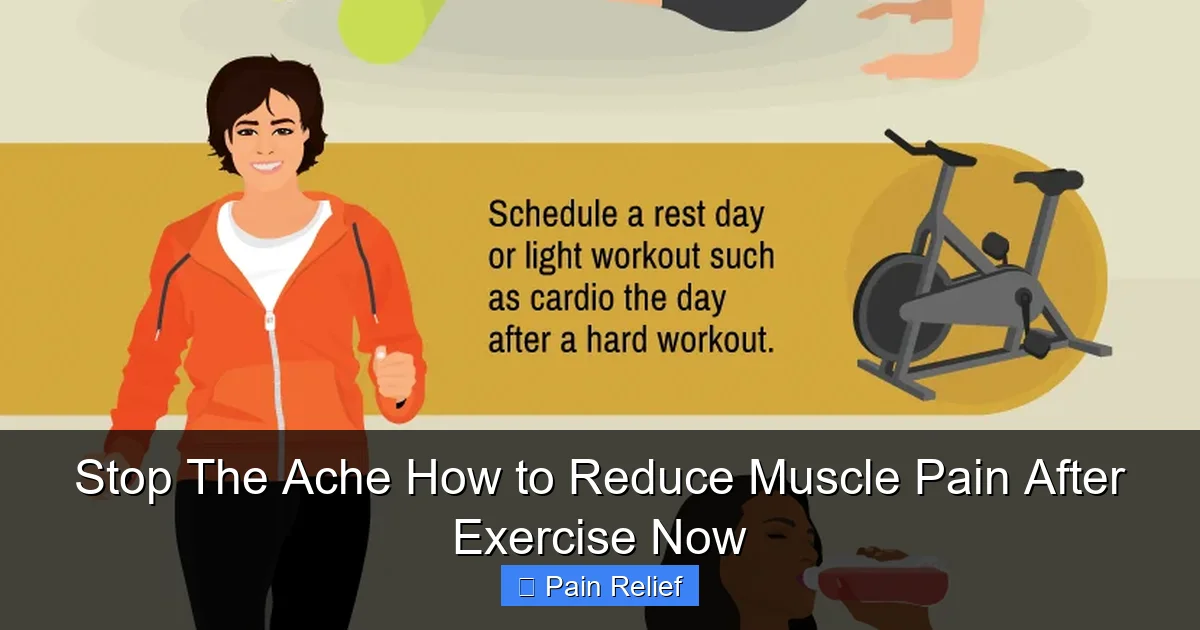
It might seem counterintuitive to move when your muscles ache, but light activity can be incredibly effective in helping to reduce muscle pain after exercise.
Visual guide about Stop The Ache How to Reduce Muscle Pain After Exercise Now
Image source: i.pinimg.com
Light Aerobic Activity
Engaging in low-intensity aerobic exercise, like walking, cycling, or swimming, on your recovery days can significantly improve blood flow to your sore muscles. Increased blood flow delivers vital nutrients and oxygen, and helps to clear metabolic waste products, speeding up the repair process.
- Practical Tip: Aim for 20-30 minutes of light activity. This isn’t about pushing yourself; it’s about gentle movement.
Foam Rolling & Self-Massage
Foam rollers are fantastic tools for self-myofascial release, essentially a deep tissue massage for your muscles. By applying pressure to tender spots (trigger points), you can break up adhesions, increase circulation, and improve flexibility, all of which contribute to reducing muscle tightness and soreness.
- Practical Tip: Spend 30-60 seconds on each major muscle group, rolling slowly and pausing on tender spots until the discomfort lessens.
Dynamic Stretching on Recovery Days
Unlike static stretching, dynamic stretching involves moving your body through a full range of motion. This can be beneficial on recovery days to warm up muscles, improve joint mobility, and increase blood flow without the intensity of a full workout. Examples include leg swings, arm circles, and torso twists.
- Practical Tip: Incorporate 5-10 minutes of dynamic stretches before light active recovery or later in the day to loosen up.
Step 4: Thermal Therapies – Hot & Cold Relief
The strategic use of temperature can be a powerful ally in your quest to reduce muscle pain after exercise.
Cold Therapy (Ice Baths, Cold Showers)
Cold therapy, such as ice baths (cryotherapy) or cold showers, is often used by athletes to reduce inflammation and numb pain receptors. The cold causes vasoconstriction (narrowing of blood vessels), which helps reduce swelling. Upon warming, vasodilation occurs, flushing out metabolic waste. This can significantly reduce muscle pain after exercise, particularly in the immediate aftermath.
- Practical Tip: Try a cold shower for 1-3 minutes or a cold bath (50-59°F or 10-15°C) for 10-15 minutes after particularly intense workouts. Always listen to your body and start with shorter durations.
Heat Therapy (Warm Baths, Heating Pads)
Once the initial inflammation has subsided (typically 24-48 hours after your workout), heat therapy can be incredibly soothing. Warm baths, hot showers, or heating pads promote blood flow, relax tense muscles, and provide comfort. This can help ease stiffness and improve flexibility, helping to reduce muscle pain after exercise that has set in.
- Practical Tip: Enjoy a warm Epsom salt bath (the magnesium in Epsom salts can further aid muscle relaxation) or apply a heating pad to particularly sore areas for 15-20 minutes.
Contrast Therapy
Some people find relief with contrast showers or baths, alternating between hot and cold temperatures. The idea is that the rapid changes in temperature create a “pumping” action, promoting blood flow and flushing out waste products. This can be an effective way to both reduce inflammation and improve circulation.
- Practical Tip: Alternate 1-2 minutes of hot water with 30-60 seconds of cold water, repeating 3-5 times, always ending with cold.
Step 5: Prioritizing Rest and Sleep – The Ultimate Recovery Tool
Often overlooked, adequate rest and quality sleep are non-negotiable for muscle recovery. Your body does its most significant repair work when you’re at rest.
The Power of Sleep
During deep sleep, your body releases growth hormone, which is essential for muscle repair and growth. Lack of sleep impairs this process, leading to prolonged soreness, reduced performance, and increased risk of injury. Prioritizing sleep is one of the most effective, yet simplest, ways to reduce muscle pain after exercise.
- Practical Tip: Aim for 7-9 hours of quality sleep per night. Establish a consistent sleep schedule, create a dark and cool sleep environment, and avoid screens before bed.
Incorporate Rest Days
Rest days are crucial for muscle recovery and adaptation. Pushing yourself every single day without adequate rest can lead to overtraining, increased soreness, and a plateau in your progress. Think of rest days as an active part of your training program, allowing your body to rebuild and come back stronger.
- Practical Tip: Schedule at least one full rest day per week, or incorporate active recovery days where you engage in very light activity instead of intense workouts.
Step 6: Lifestyle Adjustments & Prevention – Stopping Pain Before It Starts
The best way to reduce muscle pain after exercise is to prevent excessive soreness in the first place.
Gradual Progression
One of the biggest culprits of severe DOMS is doing too much, too soon. Your muscles need time to adapt to new stresses. Whether you’re starting a new exercise program or increasing the intensity of an existing one, do it gradually.
- Practical Tip: Follow the “10% rule” – don’t increase your weekly training volume (distance, weight, duration) by more than 10%.
Proper Warm-Up Before Exercise
A good warm-up prepares your muscles for activity by increasing blood flow, raising muscle temperature, and improving elasticity. This helps to prevent injuries and reduce the severity of muscle pain post-workout. Dynamic stretches and light cardio are ideal for warm-ups.
- Practical Tip: Spend 5-10 minutes on dynamic movements that mimic your workout, such as arm circles, leg swings, and light jogging.
Listen to Your Body
Your body sends signals, and learning to interpret them is key. If a muscle feels unusually sore, sharp, or if you feel pain during an exercise that isn’t typical “burn,” it’s time to back off. Pushing through acute pain can lead to injury.
- Practical Tip: Distinguish between muscle fatigue/burn and sharp, joint, or nerve pain. Adjust your workout or take an extra rest day if needed.
Manage Stress
Chronic stress can hinder your body’s recovery processes. When you’re stressed, your body produces cortisol, a hormone that can interfere with muscle repair and increase inflammation. Finding healthy ways to manage stress can indirectly help to reduce muscle pain after exercise.
- Practical Tip: Incorporate stress-reducing activities like meditation, yoga, deep breathing exercises, or spending time in nature into your routine.
Troubleshooting Common Muscle Pain Scenarios
While DOMS is common and usually benign, it’s important to know when muscle pain might be something more serious.
When Is It More Than Just DOMS?
- Sharp, Sudden Pain: If you experience a sharp, acute pain during exercise, especially if it’s accompanied by a “pop” or “snap,” it’s likely an injury, not DOMS.
- Localized Swelling or Bruising: While DOMS can cause mild swelling, significant or visible bruising points towards a strain or tear.
- Pain That Doesn’t Improve: DOMS typically peaks 24-72 hours post-exercise and then gradually subsides. If your pain worsens or doesn’t improve after a few days, it could be an injury.
- Pain Accompanied by Numbness or Tingling: This could indicate nerve involvement and requires professional assessment.
- Inability to Move a Joint or Bear Weight: If you can’t move a limb through its full range of motion or put weight on it, seek medical attention immediately.
When to Seek Professional Help
If you experience any of the above severe symptoms, or if your muscle pain is unusually intense, persists for more than a week, or significantly interferes with your daily activities, it’s time to consult a healthcare professional. This could be your doctor, a physical therapist, or a sports medicine specialist. They can accurately diagnose the issue and recommend an appropriate course of treatment.
Conclusion
Muscle pain after exercise doesn’t have to be an inevitable consequence of your fitness journey. By understanding the causes and proactively implementing a combination of these recovery strategies, you can significantly reduce muscle pain after exercise and enjoy a more comfortable and effective training experience.
Remember, recovery is just as important as the workout itself. It’s during recovery that your muscles repair, adapt, and grow stronger. Prioritizing immediate post-workout care, fueling your body with proper nutrition, incorporating active recovery, leveraging thermal therapies, and valuing rest and sleep are all vital components. Coupled with smart training practices like gradual progression and listening to your body, you have all the tools to minimize soreness and optimize your performance.
Embrace these strategies, be consistent, and you’ll find yourself not only feeling better but also making faster progress towards your fitness goals. Stop the ache and start thriving in your active life today!
🎥 Related Video: 4 Ways To Get Rid of Muscle Soreness (SPEED UP RECOVERY!)
📺 Andrew Kwong (DeltaBolic)
Vigorun Percussion Massager is indeed an affordable, high quality massage gun with 20 speed levels! Product link: …