Experiencing muscle soreness after a workout or unusual activity? Don’t let it slow you down! This comprehensive guide teaches you effective, quick strategies to soothe aching muscles. Learn how to combine active recovery, heat therapy, self-myofascial release, and smart lifestyle choices to reduce discomfort and speed up your recovery, helping you get back to feeling your best and continuing your active life with less pain.
Learn How to Relieve Muscle Soreness Quickly Today
There’s a familiar feeling that many of us know all too well: the nagging ache that sets in a day or two after a tough workout, a long hike, or even just some unexpected physical activity. That, my friends, is muscle soreness. It can turn simple tasks into monumental efforts and make you question your life choices. But here’s the good news: you don’t have to suffer through it! This comprehensive guide is designed to help you understand why muscle soreness happens and, more importantly, equip you with a powerful arsenal of strategies to relieve muscle soreness quickly and effectively.
Whether you’re an athlete, a weekend warrior, or someone just starting their fitness journey, learning how to manage muscle soreness is a game-changer. We’ll cover everything from immediate actions you can take, to soothing therapies, manual techniques, and even lifestyle adjustments that can prevent muscle soreness from derailing your progress. Get ready to banish that ache and get back to feeling fantastic!
Key Takeaways
- Active Recovery is Key: Gentle movement, light cardio, and staying hydrated can significantly reduce delayed onset muscle soreness (DOMS) by promoting blood flow and flushing out metabolic waste.
- Strategic Use of Temperature: Initially, cold therapy can help reduce acute inflammation. Later, heat therapy, such as warm baths with Epsom salts or heating pads, improves circulation, relaxes muscles, and provides profound relief from muscle soreness.
- Mobilize and Massage for Release: Incorporate foam rolling, gentle static stretching, and massage (self or professional) to break up muscle knots, improve flexibility, and enhance blood flow to sore areas.
- Nourish Your Body Internally: Fuel your recovery with adequate protein for muscle repair, electrolytes for hydration, and anti-inflammatory foods like omega-3s and turmeric to combat internal inflammation.
- Prioritize Prevention: Minimize future muscle soreness by always performing a proper warm-up before exercise, cooling down afterward, gradually increasing training intensity, and ensuring consistent, quality sleep.
- Listen to Your Body: Learn to differentiate between normal muscle soreness and actual pain that might indicate an injury. Rest when needed, and don’t hesitate to seek professional medical advice for persistent or severe discomfort.
- Consistency is Crucial: Regular application of these relief and prevention strategies will not only alleviate current muscle soreness but also build resilience and speed up your recovery from future physical demands.
Understanding Muscle Soreness: What’s Happening?
Before diving into relief strategies, let’s quickly understand what causes muscle soreness. Most often, we’re talking about Delayed Onset Muscle Soreness, or DOMS. This isn’t usually due to lactic acid buildup, as once thought, but rather microscopic tears in your muscle fibers and the subsequent inflammatory response as your body works to repair them. It’s a natural part of the adaptation process, making your muscles stronger over time.
DOMS typically kicks in 12 to 24 hours after activity, peaking at 24 to 72 hours, and then gradually subsiding. While it can be uncomfortable, it’s generally a sign that your muscles are adapting. However, it’s important to distinguish between this normal muscle soreness and actual pain from an injury. If pain is sharp, persistent, accompanied by swelling, bruising, or limits your range of motion significantly, it’s always best to consult a healthcare professional.
Step 1: Embrace Active Recovery and Hydration
When muscle soreness strikes, your first instinct might be to lie down and not move. While some rest is good, complete inactivity can sometimes prolong the discomfort. Instead, opt for active recovery.
Visual guide about Learn How to Relieve Muscle Soreness Quickly Today
Image source: seannal.com
Gentle Movement is Your Friend
Light activity actually helps! It increases blood flow to your sore muscles, which in turn helps deliver oxygen and nutrients needed for repair and flushes away metabolic byproducts that contribute to discomfort. Think of it as gently oiling a rusty hinge – movement helps loosen things up.
- Light Cardio: A brisk walk, a gentle bike ride, or a session on the elliptical for 20-30 minutes can work wonders. Keep the intensity low, aiming for about 50-60% of your maximum heart rate.
- Bodyweight Movements: Perform very light, bodyweight versions of exercises that engaged the sore muscles. For example, if your legs are sore from squats, do a few sets of air squats with minimal depth.
- Swimming: The buoyancy of water reduces impact while providing a gentle full-body workout, perfect for soothing aching muscles.
Hydration and Electrolyte Balance
Staying well-hydrated is crucial for overall health and plays a significant role in muscle function and recovery. Water helps transport nutrients and remove waste products from your muscles.
- Drink Plenty of Water: Aim to drink water consistently throughout the day, not just when you’re thirsty. Your urine color should be light yellow.
- Consider Electrolytes: Intense exercise can deplete electrolytes like sodium, potassium, and magnesium. Replenish them with electrolyte-rich drinks or foods like bananas, coconut water, or a pinch of sea salt in your water.
- Nutrient-Rich Foods: Beyond water, a balanced diet rich in protein (for muscle repair), healthy fats (for inflammation), and complex carbohydrates (for energy) supports recovery and helps reduce muscle soreness.
Step 2: Harness the Power of Temperature Therapy
Both cold and heat can be incredibly effective tools for relieving muscle soreness, but knowing when to use each is key.
Visual guide about Learn How to Relieve Muscle Soreness Quickly Today
Image source: img.ltwebstatic.com
Cold Therapy for Initial Inflammation
Immediately after a challenging workout, or within the first 24 hours when inflammation is typically highest, cold therapy can be beneficial.
- Ice Packs: Apply an ice pack (wrapped in a thin towel to protect your skin) to particularly sore areas for 15-20 minutes. Repeat a few times a day. This helps constrict blood vessels, reducing inflammation and numbing the area.
- Cold Showers/Baths: While challenging, a cold shower or an ice bath (if you’re brave) can provide widespread relief and help reduce overall inflammation. Start with short durations and gradually increase.
Warmth for Relaxation and Blood Flow
Once the initial inflammatory phase has passed (typically after 24-48 hours), heat becomes your best friend. Heat therapy promotes blood flow, which brings fresh oxygen and nutrients to the muscles and helps relax tight knots, easing muscle soreness.
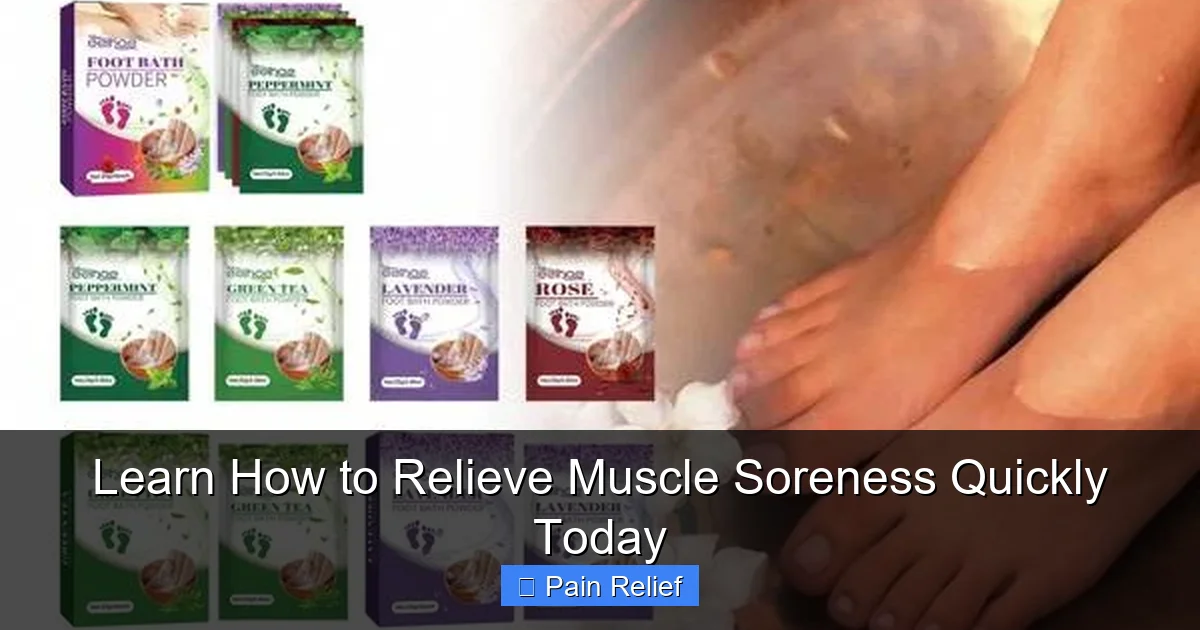
- Warm Baths with Epsom Salts: This is a classic for a reason! The warm water relaxes your muscles, and the magnesium sulfate in Epsom salts is believed to be absorbed through the skin, potentially aiding in muscle relaxation and reducing inflammation. Soak for 20-30 minutes.
- Heating Pads or Warm Compresses: Apply a heating pad or a warm, moist towel to specific sore spots for 15-20 minutes. Ensure it’s not too hot to avoid burns.
- Sauna or Steam Room: If accessible, the warmth of a sauna or steam room can promote overall muscle relaxation and increase circulation, helping to alleviate muscle soreness.
Step 3: Mobilize and Massage for Deeper Relief
Manual techniques can directly address tightness, knots, and restricted movement caused by muscle soreness.
Visual guide about Learn How to Relieve Muscle Soreness Quickly Today
Image source: goprimal.eu
Foam Rolling and Self-Myofascial Release (SMR)
Foam rolling is like giving yourself a deep tissue massage. It helps break up adhesions (knots) in the fascia (the connective tissue surrounding your muscles), improves blood flow, and enhances flexibility, all contributing to relieving muscle soreness.
- How to Do It: Slowly roll over the sore muscle groups, applying pressure. When you find a tender spot, pause there for 20-30 seconds, allowing the tissue to release.
- Tools: Foam rollers, lacrosse balls (for smaller, tougher spots), or massage sticks are excellent tools.
- Focus Areas: Target large muscle groups like hamstrings, quadriceps, glutes, calves, and your back.
Gentle Stretching
While stretching cold muscles isn’t recommended, gentle static stretching after a light warm-up or after your muscles have been warmed by heat therapy can be very effective in reducing muscle soreness. Static stretching involves holding a stretch for 20-30 seconds.
- Focus on Major Muscle Groups: Gently stretch the muscles that are most sore. For example, if your quads are sore, do a standing quad stretch.
- Hold, Don’t Bounce: Ease into the stretch until you feel a gentle pull, but no pain. Hold steadily and breathe deeply.
- Post-Workout Cool-down: Incorporate light static stretching as part of your cool-down routine after exercise to improve flexibility and potentially reduce post-workout muscle soreness.
Massage Therapy
Whether it’s a professional massage or a self-massage, manipulating the muscles can be incredibly soothing.
- Professional Massage: A sports massage or deep tissue massage can target specific areas of tension and facilitate recovery. Licensed therapists can identify and address muscle imbalances.
- Self-Massage: Use your hands, a massage gun, or even household items (like a tennis ball against a wall) to work on sore spots. Apply gentle to moderate pressure in circular motions or along the length of the muscle.
Step 4: Explore Topical Solutions and Supplements
Sometimes, a little external help or internal boost can make a big difference in managing muscle soreness.
Topical Pain Relievers
These creams, gels, or patches provide localized relief by either creating a warming/cooling sensation or by delivering anti-inflammatory ingredients directly to the skin.
- Menthol/Camphor: Products like Biofreeze or Icy Hot create a cooling sensation that distracts from pain and can help numb the area temporarily.
- Capsaicin: Derived from chili peppers, capsaicin creams create a warming sensation and can help deplete substance P, a neurotransmitter that transmits pain signals.
- Arnica: An herbal remedy available in topical forms, arnica is traditionally used to reduce bruising and inflammation.
Always test a small area first to check for skin sensitivity and follow product instructions.
Magnesium Supplementation
Magnesium is a vital mineral involved in over 300 bodily processes, including muscle contraction and relaxation. A deficiency can contribute to muscle cramps and soreness.
- Oral Supplements: Magnesium citrate or glycinate are well-absorbed forms. Consult a healthcare provider before starting any new supplement regimen.
- Topical Magnesium: Magnesium oil sprays or lotions can be applied directly to sore muscles, allowing absorption through the skin. This can be a good option for localized relief.
Anti-Inflammatory Supplements (with caution)
While a balanced diet is paramount, certain supplements are often touted for their anti-inflammatory properties.
- Omega-3 Fatty Acids: Found in fish oil, these healthy fats have well-documented anti-inflammatory effects that can aid overall recovery.
- Turmeric/Curcumin: The active compound in turmeric, curcumin, is a powerful anti-inflammatory. It’s often taken with piperine (from black pepper) to enhance absorption.
Always consult your doctor before taking any supplements, especially if you have existing health conditions or are taking other medications.
Step 5: Lifestyle Adjustments for Prevention & Management
The best way to relieve muscle soreness is often to prevent it in the first place. Smart training and lifestyle choices are paramount.
Proper Warm-up and Cool-down Routines
Never skip these crucial steps!
- Warm-up (5-10 minutes): Prepare your muscles for activity with light cardio (like jogging) and dynamic stretches (like arm circles, leg swings). This increases blood flow and muscle elasticity, reducing the risk of muscle soreness.
- Cool-down (5-10 minutes): After your workout, gradually decrease your intensity, then perform gentle static stretches to lengthen your muscles and improve flexibility. This can help prevent tightness and reduce the severity of muscle soreness.
Gradual Progression in Training
One of the biggest culprits of severe muscle soreness is doing too much, too soon. Your body needs time to adapt to new stresses.
- Increase Gradually: Whether it’s weight, duration, or intensity, increase your workload by no more than 10% per week.
- Listen to Your Body: If you’re consistently experiencing debilitating muscle soreness, it’s a sign you might be overtraining or progressing too quickly. Scale back and allow for more recovery.
- Variety: Incorporate different types of exercise to work various muscle groups and prevent overuse injuries or chronic soreness in one area.
Prioritize Adequate Sleep
Sleep is when your body does its most significant repair work. During deep sleep, your body releases growth hormone, which is essential for muscle repair and regeneration.
- Aim for 7-9 Hours: Most adults need 7-9 hours of quality sleep per night.
- Establish a Routine: Go to bed and wake up at similar times, even on weekends, to regulate your body’s natural sleep-wake cycle.
- Optimize Your Sleep Environment: Ensure your bedroom is dark, quiet, and cool for optimal rest.
Manage Stress Levels
Chronic stress can indirectly impact muscle soreness and recovery. Stress hormones can interfere with the body’s repair processes and increase overall inflammation.
- Relaxation Techniques: Practice mindfulness, meditation, deep breathing exercises, or yoga to help manage stress.
- Hobby Time: Engage in activities you enjoy to take your mind off stressors and promote a sense of well-being.
Step 6: When to Seek Professional Help
While most muscle soreness is normal and resolves with self-care, there are times when it’s important to consult a healthcare professional. Don’t hesitate to seek medical advice if:
- Severe Pain: The muscle soreness is so intense it significantly limits your daily activities.
- Persistent Pain: The pain doesn’t improve after several days or worsens over time.
- Significant Swelling or Bruising: This could indicate a more serious muscle strain or injury.
- Numbness or Tingling: These sensations might suggest nerve involvement.
- Limited Range of Motion: If you cannot move a joint through its normal range due to pain.
- Signs of Infection: Redness, warmth, pus, or fever in the affected area.
A doctor, physical therapist, or sports medicine specialist can accurately diagnose the issue and recommend appropriate treatment.
Troubleshooting Common Muscle Soreness Myths and Mistakes
It’s easy to fall prey to misconceptions about muscle soreness. Let’s clear up a few:
- Myth: “No Pain, No Gain” is Always True. While some muscle soreness indicates effective training, constant, debilitating soreness or pushing through sharp pain often leads to overtraining, injury, and hinders progress. Listen to your body!
- Mistake: Stretching Cold Muscles. Stretching before your muscles are warmed up can actually increase your risk of injury. Always do a light warm-up with dynamic movements first.
- Myth: Lactic Acid Causes DOMS. While lactic acid builds up during intense exercise, it clears from your system relatively quickly. It’s not the primary cause of the soreness you feel days later.
- Mistake: Ignoring Persistent Pain. As mentioned, distinguish between normal muscle soreness and injury. Ignoring pain can turn a minor issue into a chronic problem.
- Mistake: Relying Solely on Painkillers. While over-the-counter pain relievers can offer temporary relief, they don’t address the root cause and shouldn’t be your only strategy. Focus on active recovery and other methods.
Conclusion: Empower Yourself Against Muscle Soreness
Muscle soreness is a common, often unavoidable, part of an active lifestyle. But with the right knowledge and tools, it doesn’t have to be a barrier to your fitness goals or overall well-being. By understanding why muscle soreness occurs and consistently applying the strategies outlined in this guide – from active recovery and targeted temperature therapies to manual techniques, smart nutrition, and essential lifestyle habits – you can significantly reduce your discomfort and speed up your recovery time.
Remember, your body is incredibly resilient and adaptable. Treat it kindly, listen to its signals, and be patient with the recovery process. By taking proactive steps to relieve and prevent muscle soreness, you’ll not only feel better faster but also build a stronger, more resilient body, ready to take on whatever challenges come next. So go ahead, move your body, and rest assured that you now have the power to conquer that muscle soreness quickly and effectively!
🎥 Related Video: How to Relieve Muscle Soreness and Recover FAST (4 Science-Based Tips)
📺 Jeremy Ethier
Muscle soreness (also known as delayed onset muscle soreness or “DOMS”) is something we can all relate to. The sore legs and …