A sore back can disrupt your day, but quick relief is possible. This guide offers practical, step-by-step advice to help you stop a sore back fast, from immediate pain management techniques like ice and gentle movement to long-term strategies for prevention. Learn how to identify causes, improve posture, strengthen your core, and know when to seek professional help to keep your back healthy and pain-free and truly stop a sore back from limiting you.
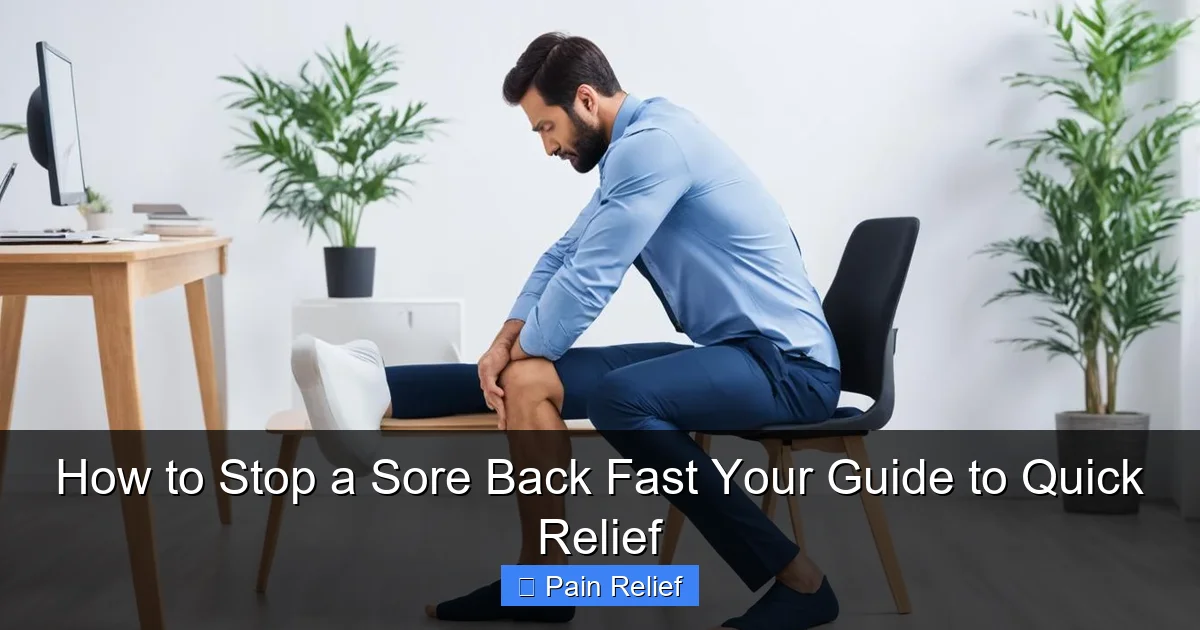
How to Stop a Sore Back Fast Your Guide to Quick Relief
Do you ever wake up with a stiff, achy back? Or perhaps that nagging pain just creeps up on you during the day, making everyday tasks a struggle? You’re not alone. A sore back is one of the most common complaints, affecting millions of people worldwide. It can be incredibly frustrating, limiting your movement, impacting your mood, and generally making life feel a lot harder than it needs to be. But here’s the good news: in many cases, you can find relief and learn how to stop a sore back quickly and effectively.
This comprehensive guide is designed to empower you with the knowledge and practical steps needed to tackle that uncomfortable back pain head-on. We’ll walk you through immediate relief strategies, delve into understanding common causes, and equip you with long-term prevention techniques. Our goal is to help you not only stop a sore back when it flares up but also to build habits that keep your back healthy and pain-free in the future. Ready to take control and feel better? Let’s get started!
Key Takeaways
- Immediate Action is Key: Learn to apply ice or heat correctly and perform gentle movements for quick relief to start stopping a sore back.
- Move Gently, Don’t Stay Still: While brief rest is important, prolonged inactivity can worsen a sore back; controlled, gentle movement is crucial for recovery.
- Improve Posture and Ergonomics: Small, conscious changes in how you sit, stand, lift, and sleep can significantly prevent and alleviate back pain.
- Strengthen Your Core: A strong and flexible core supports your spine, acting as a natural brace against future back discomfort and helping to stop a sore back before it starts.
- Listen to Your Body and Hydrate: Pay attention to pain signals, manage stress effectively, and ensure adequate hydration for overall back health and faster recovery.
- Know When to Seek Help: Understand the “red flag” symptoms that indicate it’s time to consult a doctor or physical therapist for persistent or severe back pain.
Step 1: Act Fast for Immediate Relief
When you feel that familiar ache starting, the first few hours can make a big difference. Acting quickly can often prevent a minor irritation from turning into a debilitating sore back. Here’s what you can do right away to ease the discomfort.
Apply Ice or Heat
This is often the first line of defense, but knowing when to use which can be tricky. Generally:
- Ice for Acute Pain: If your back pain is new, sudden, or due to an injury (within the first 24-48 hours), ice is your best friend. It helps reduce inflammation, swelling, and numbs the area, providing quick pain relief. Apply an ice pack (wrapped in a thin towel to protect your skin) to the affected area for 15-20 minutes at a time, several times a day.
- Heat for Chronic Pain or Muscle Spasms: If your back pain has been lingering for more than 48 hours, or if you feel stiffness and muscle tightness, heat can be more beneficial. Heat increases blood flow, which can relax tight muscles and soothe aching joints. Use a heating pad, a warm bath, or a hot water bottle for 15-20 minutes, being careful not to fall asleep with the heat source on.
- Alternating Therapy: Sometimes, alternating between ice and heat can provide the most comprehensive relief. Start with ice, then switch to heat after a day or two, or use them as needed based on how your body responds.
Gentle Movement and Stretching
While rest can be important, too much rest can actually make a sore back worse. Lying still for prolonged periods can cause muscles to stiffen and weaken. The key is gentle, controlled movement. Listen to your body and stop if you feel sharp pain.
- Pelvic Tilts: Lie on your back with knees bent and feet flat on the floor. Flatten your lower back against the floor by tightening your abdominal muscles and tilting your pelvis slightly up. Hold for a few seconds, then release. Repeat 8-12 times.
- Knee-to-Chest Stretch: While lying on your back, gently pull one knee towards your chest, holding it for 20-30 seconds. Repeat with the other leg. Then, gently pull both knees towards your chest. This can help stretch the lower back and glutes.
- Cat-Cow Stretch: Get on your hands and knees. Arch your back like a cat, pulling your belly button towards your spine. Then, gently let your belly drop towards the floor, arching your lower back slightly (cow position). Move slowly and rhythmically between the two.
Over-the-Counter (OTC) Pain Relief
Non-steroidal anti-inflammatory drugs (NSAIDs) like ibuprofen (Advil, Motrin) or naproxen (Aleve) can help reduce inflammation and pain. Acetaminophen (Tylenol) can also help with pain, but it doesn’t reduce inflammation. Always follow the dosage instructions on the label and consult your doctor or pharmacist if you have underlying health conditions or are taking other medications.
Proper Resting Positions
When your back is sore, finding a comfortable position to rest can be challenging. Experiment with these options:
- Side Sleeper: Lie on your side with a pillow between your knees to keep your hips, pelvis, and spine in alignment.
- Back Sleeper: Place a pillow under your knees to reduce pressure on your lower back and maintain the natural curve of your spine.
- Stomach Sleeper: This position is generally not recommended as it can strain your neck and lower back. If you must sleep on your stomach, place a pillow under your lower abdomen and pelvis to reduce strain, and try to use a very flat pillow for your head, or no pillow at all.
Step 2: Understand and Address the Root Cause
While immediate relief is crucial, to truly stop a sore back from returning, you need to understand why it’s happening. Many factors contribute to back pain, and identifying yours is the first step toward long-term solutions.

Visual guide about How to Stop a Sore Back Fast Your Guide to Quick Relief
Image source: bioinfolabe.com
Poor Posture
Whether sitting, standing, or lifting, poor posture puts undue stress on your spine, muscles, and ligaments. Slouching, hunching over a computer, or standing with a swayback can lead to chronic back pain.
Sedentary Lifestyle
Lack of physical activity can weaken core muscles that support your spine. When these muscles are weak, your back has to work harder, leading to strain and soreness. Prolonged sitting is a major culprit in developing a sore back.
Improper Lifting Techniques
Lifting heavy objects by bending at your waist instead of your knees places immense strain on your lower back, often resulting in sudden and sharp pain.
Stress and Tension
Stress isn’t just mental; it manifests physically. When you’re stressed, your muscles, particularly in your neck and back, can tense up. Chronic muscle tension can lead to a persistent sore back.
Overuse or Injury
Repetitive motions, strenuous physical activity, or a sudden injury (like a fall or sports injury) can directly damage back muscles, ligaments, or discs, causing acute or chronic pain.
Step 3: Improve Your Posture and Ergonomics
One of the most effective ways to prevent and alleviate a sore back is to be mindful of your body mechanics. Small adjustments can make a huge difference.

Visual guide about How to Stop a Sore Back Fast Your Guide to Quick Relief
Image source: builtinwashington.com
Sitting Posture
Many of us spend hours sitting, whether at work or home. Bad sitting posture is a prime cause of a sore back.
- Keep your feet flat on the floor: Or use a footrest if your feet don’t reach.
- Maintain a natural curve: Use a lumbar support pillow or a rolled towel to support the natural inward curve of your lower back.
- Sit upright: Avoid slouching. Your shoulders should be relaxed, and your ears should be directly over your shoulders.
- Monitor position: Your computer monitor should be at arm’s length, with the top of the screen at or slightly below eye level.
- Take breaks: Get up, stretch, and walk around for a few minutes every 30-60 minutes. This helps reset your posture and relieve pressure.
Standing Posture
How you stand affects your back just as much as how you sit.
- Shoulders back and relaxed: Avoid hunching.
- Distribute weight evenly: Stand with your weight balanced on both feet. Avoid shifting all your weight to one hip.
- Slight knee bend: Don’t lock your knees. Keep them slightly bent.
- Avoid prolonged standing: If your job requires standing for long periods, try to elevate one foot on a small stool or step to shift the weight and reduce strain on your lower back.
Sleeping Posture
We’ve already touched on this, but it’s worth reiterating its importance. A good mattress and pillow are essential. Your mattress should support your body without sagging, and your pillow should keep your head and neck in alignment with your spine.
Ergonomics at Work
Your workspace setup plays a huge role in preventing a sore back. Make sure your chair, desk, and computer are arranged to support good posture.
- Adjustable Chair: Invest in an ergonomic chair that allows you to adjust height, backrest, and armrests.
- Keyboard and Mouse: Position your keyboard close to your body and your mouse within easy reach to avoid straining your shoulders and arms.
- Regular Movement: Consider a standing desk or incorporate regular breaks to move around, even for a minute or two.
Step 4: Incorporate Gentle Exercise and Strengthening
Once the initial acute pain has subsided, gentle exercise is vital for long-term back health. It strengthens the muscles that support your spine, improves flexibility, and boosts circulation. This is a critical step to stop a sore back from coming back.
Visual guide about How to Stop a Sore Back Fast Your Guide to Quick Relief
Image source: fastlowerbackpainrelief.com
Core Strengthening Exercises
Your core muscles (abdominal and back muscles) act like a natural corset for your spine. A strong core is your best defense against a sore back.
- Plank: Start in a push-up position, then lower yourself onto your forearms. Keep your body in a straight line from head to heels. Engage your core and glutes. Hold for 20-60 seconds, or as long as you can maintain good form.
- Bird-Dog: Start on your hands and knees. Slowly extend one arm straight forward and the opposite leg straight back, keeping your core engaged and your back flat. Hold briefly, then return to the starting position. Alternate sides.
- Bridges: Lie on your back with knees bent, feet flat on the floor, hip-width apart. Lift your hips off the floor until your body forms a straight line from shoulders to knees. Squeeze your glutes at the top. Lower slowly.
Always start slowly and gradually increase repetitions or holding times as your strength improves. Consult a physical therapist for personalized guidance, especially if you have chronic pain.
Stretching Routines
Flexibility helps prevent stiffness and muscle imbalances. Incorporate these gentle stretches into your daily routine to help stop a sore back:
- Hamstring Stretch: Tight hamstrings can pull on your pelvis, contributing to lower back pain. Lie on your back, loop a towel around one foot, and gently pull your leg straight up towards the ceiling until you feel a stretch in the back of your thigh.
- Piriformis Stretch: The piriformis muscle, located deep in the buttock, can sometimes compress the sciatic nerve. Lie on your back, cross one ankle over the opposite knee, and gently pull the bottom knee towards your chest until you feel a stretch in your glute.
- Spinal Twists: Lie on your back with knees bent, feet flat. Let both knees gently fall to one side, keeping your shoulders flat on the floor. Hold, then repeat on the other side.
Low-Impact Aerobics
Activities that get your heart rate up without jarring your spine are excellent for overall back health. They improve circulation, strengthen muscles, and release endorphins, which are natural pain relievers.
- Walking: A brisk walk is simple, effective, and accessible.
- Swimming or Water Aerobics: The buoyancy of water reduces stress on your joints and spine.
- Cycling (Stationary or Outdoor): Be sure to adjust your bike for proper posture to avoid straining your back.
Step 5: Adopt Healthy Lifestyle Habits
Your overall health significantly impacts your back. Incorporating these healthy habits can help prevent and alleviate a sore back, contributing to a more resilient spine.
Stay Hydrated
Your spinal discs, which cushion the vertebrae, are mostly water. Staying well-hydrated helps keep these discs pliable and healthy, allowing them to absorb shock effectively. Drink plenty of water throughout the day.
Maintain a Healthy Weight
Excess body weight, particularly around the midsection, puts extra strain on your lower back. Losing even a few pounds can significantly reduce the load on your spine and help alleviate a sore back.
Manage Stress Effectively
As mentioned earlier, stress often leads to muscle tension. Finding healthy ways to manage stress can prevent your back muscles from tensing up.
- Mindfulness and Meditation: Practices like meditation, deep breathing exercises, and yoga can help calm your nervous system and relax tense muscles.
- Hobbies and Relaxation: Engage in activities you enjoy, whether it’s reading, listening to music, or spending time in nature.
- Adequate Sleep: Ensure you get 7-9 hours of quality sleep each night. This allows your body to repair and rejuvenate.
Quit Smoking
Smoking reduces blood flow to the spinal discs, which can accelerate their degeneration and hinder healing. It also makes you more susceptible to chronic back pain. If you smoke, quitting is one of the best things you can do for your back health.
Step 6: When to Seek Professional Help
While many cases of a sore back can be managed at home, it’s crucial to know when to consult a healthcare professional. Don’t hesitate to seek help if you experience certain “red flag” symptoms or if your pain is persistent.
Red Flag Symptoms
Contact your doctor immediately if your back pain is accompanied by any of these:
- Severe pain that doesn’t improve with rest or home remedies.
- Numbness, tingling, or weakness in your legs or feet.
- Pain that radiates down one or both legs, especially if it goes below the knee.
- Loss of bladder or bowel control.
- Unexplained weight loss.
- Fever, chills, or night sweats.
- Pain after a fall, injury, or trauma.
These symptoms could indicate a more serious underlying condition that requires medical attention.
Types of Professionals Who Can Help
- General Practitioner (GP): Your family doctor can diagnose common causes of back pain, prescribe medication, and refer you to specialists.
- Physical Therapist (PT): PTs specialize in movement and function. They can create a personalized exercise program to strengthen your back, improve flexibility, and teach you proper body mechanics to stop a sore back.
- Chiropractor: Chiropractors focus on spinal manipulation and adjustments to alleviate pain and improve spinal function.
- Osteopath: Osteopaths use a holistic approach, including massage, stretching, and articulation, to improve body mechanics.
- Pain Management Specialist: For chronic or severe pain, these specialists can offer advanced treatments like injections or nerve blocks.
Troubleshooting: What if Your Sore Back Isn’t Improving?
It can be disheartening when you’re diligently following advice, but your sore back just isn’t getting better. Don’t give up! Here’s what to consider if you’re stuck.
Re-evaluate Your Routine
Take an honest look at your daily habits. Are you consistently maintaining good posture? Are you doing your exercises regularly? Are you truly managing your stress? Sometimes, we unconsciously slip back into old habits. Consider keeping a pain diary to track when your back hurts most and what activities precede it. This can help identify triggers you might be missing.
Consider Alternative Therapies
If conventional methods aren’t fully effective, exploring complementary therapies might offer additional relief to stop a sore back. Options like acupuncture, therapeutic massage, or biofeedback have helped many individuals with chronic back pain. Always discuss these options with your doctor to ensure they are safe and appropriate for your specific condition.
Don’t Delay Professional Consultation
If your pain persists for more than a few weeks despite consistent self-care, or if it worsens, it’s definitely time to see a healthcare professional. Early diagnosis and treatment can prevent a minor issue from becoming a long-term problem. Your doctor might suggest imaging tests (X-rays, MRI) to get a clearer picture of what’s happening internally, or refer you to a specialist who can offer more targeted interventions. Remember, advocating for your health is key to finding the right solution and getting that relief for your sore back.
Conclusion
Living with a sore back doesn’t have to be your normal. By taking proactive steps, listening to your body, and understanding the causes of your pain, you can take control and significantly improve your quality of life. From immediate relief strategies like ice and gentle movement to long-term solutions involving posture correction, core strengthening, and healthy lifestyle choices, you have a wealth of tools at your disposal to stop a sore back.
Remember, consistency is key. Small, consistent efforts over time yield the best results. Don’t be afraid to experiment to find what works best for you, and never hesitate to seek professional guidance when needed. Your back supports you every day; it’s time to return the favor. Embrace these strategies, and look forward to a healthier, pain-free back!
🎥 Related Video: 4 Great Stretches For FAST Back Pain Relief!
📺 Tone and Tighten
Alleviate your lower back pain FAST! See the full video here: https://youtu.be/OrIyVLPjKAQ The best stretches and exercises for …