This comprehensive guide provides actionable steps to help you reduce back pain and achieve lasting relief. You’ll learn how to improve your posture, incorporate specific exercises, optimize your daily habits, and know when to seek professional help. By adopting these practical strategies, you can significantly improve your comfort and quality of life, moving towards a healthier, pain-free back.
Effective Ways How to Reduce Back Pain For Lasting Relief
Hello there! If you’re reading this, chances are you’ve experienced that familiar, unwelcome ache in your back. You’re not alone. Back pain is incredibly common, affecting millions of people worldwide. It can range from a dull, persistent ache to a sudden, sharp jolt that makes simple movements feel impossible. The good news is that you don’t have to live with it. Many effective strategies can help you reduce back pain and reclaim your comfort and quality of life.
This comprehensive guide is designed to empower you with practical, actionable steps to alleviate and prevent back pain. We’ll explore everything from improving your posture and incorporating beneficial exercises to making simple lifestyle adjustments and knowing when to seek professional help. Our goal is to provide you with the knowledge and tools needed to not just manage but truly reduce back pain for lasting relief. Get ready to embark on a journey towards a stronger, healthier, and happier back!
Key Takeaways
- Understand the Root Cause: Identifying the type and potential causes of your back pain is the first crucial step towards effective reduction and management.
- Prioritize Proper Posture & Ergonomics: Consciously maintaining good posture while sitting, standing, lifting, and sleeping, alongside an ergonomic workstation setup, significantly reduces strain on your back.
- Embrace Regular Movement & Exercise: Gentle stretching, core strengthening, and low-impact aerobic activities are essential for flexibility, muscle support, and overall back health to reduce back pain.
- Manage Lifestyle Factors: Healthy habits like maintaining a healthy weight, reducing stress, staying hydrated, and avoiding smoking play a vital role in preventing and alleviating back pain.
- Utilize Home Relief Techniques: Simple methods such as heat/cold therapy, topical pain relief, and self-massage can provide immediate comfort and help reduce back pain symptoms.
- Know When to Seek Professional Help: Don’t hesitate to consult a doctor, physical therapist, or other specialists if your pain is severe, persistent, or accompanied by other concerning symptoms.
Step 1: Understand Your Back Pain
Before you can effectively reduce back pain, it’s helpful to understand what might be causing it. Back pain isn’t a single condition; it’s a symptom that can stem from various issues. Taking a moment to consider your pain can guide your next steps.
What Kind of Pain Are You Experiencing?
Back pain can manifest in many ways. Is it a sharp, stabbing pain? A dull, persistent ache? Does it radiate down your leg? Is it worse in the morning or after a long day? Knowing the characteristics of your pain can provide clues. For example, a sharp pain often suggests nerve involvement, while a dull ache might be muscular. Understanding this helps you target the best ways to reduce back pain.
Common Causes of Back Pain
Many factors contribute to back pain. Here are some of the most common culprits:
- Muscle Strain or Sprain: This is often due to heavy lifting, sudden awkward movements, or prolonged poor posture.
- Bulging or Herniated Discs: The soft cushions between your vertebrae can sometimes bulge or rupture, pressing on nerves.
- Arthritis: Osteoarthritis can affect the lower back, leading to stiffness and pain.
- Sciatica: A specific type of pain caused by compression of the sciatic nerve, often radiating down one leg.
- Skeletal Irregularities: Conditions like scoliosis (a curvature of the spine) can lead to back pain.
- Osteoporosis: Weak, brittle bones can lead to compression fractures in the vertebrae.
- Lifestyle Factors: Poor posture, obesity, lack of exercise, and stress significantly contribute to back pain.
Understanding these potential causes isn’t about self-diagnosing, but rather about being informed. This information will be useful when discussing your symptoms with a healthcare professional, helping them better assist you to reduce back pain.
Step 2: Improve Your Posture and Ergonomics
Visual guide about Effective Ways How to Reduce Back Pain For Lasting Relief
Image source: myfourandmore.com
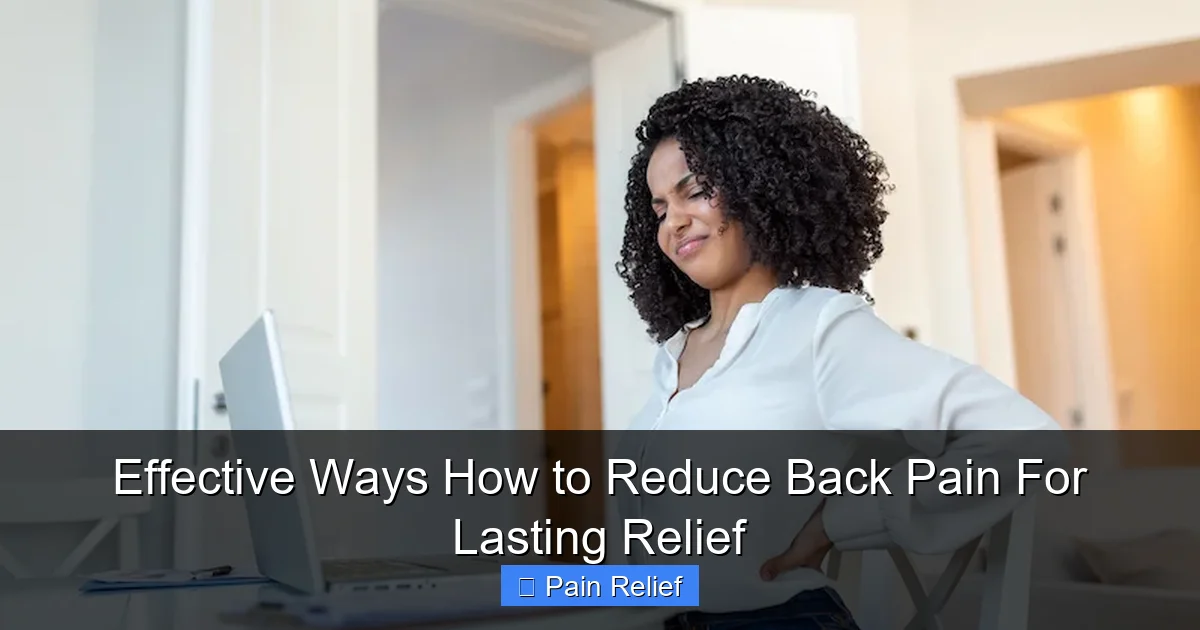
One of the most significant factors contributing to back pain, and one of the easiest to adjust, is your posture. How you hold your body throughout the day profoundly impacts the stress on your spine. Learning to maintain good posture and optimizing your environment can dramatically reduce back pain.
Master Sitting Posture
Many of us spend hours sitting, whether at a desk, in a car, or on the couch. Incorrect sitting posture is a prime cause of lower back pain.
- Keep Your Feet Flat: Your feet should be flat on the floor or on a footrest. Avoid crossing your legs.
- Maintain a Neutral Spine: Sit tall, with your shoulders relaxed and back. Avoid slouching or arching excessively. Your ears, shoulders, and hips should form a straight line.
- Support Your Lower Back: Use a rolled-up towel, a small pillow, or a lumbar support cushion to maintain the natural curve of your lower back.
- Elbows at 90 Degrees: If you’re at a desk, your elbows should be at a 90-degree angle, close to your body, with your forearms resting on the desk or armrests.
- Take Frequent Breaks: Don’t sit for too long. Get up, stretch, and move around every 30-60 minutes. This is crucial to reduce back pain from prolonged sitting.
Perfect Standing Posture
Standing incorrectly can also put unnecessary strain on your back.
- Stand Tall: Imagine a string pulling you upwards from the top of your head.
- Shoulders Back and Relaxed: Avoid hunching forward.
- Distribute Weight Evenly: Keep your weight evenly balanced on both feet. Avoid locking your knees.
- Abdominal Muscles Engaged: Gently pull your belly button towards your spine to engage your core muscles, providing natural support for your back.
Learn Safe Lifting Techniques
Lifting heavy objects incorrectly is a common way to injure your back.
- Bend Your Knees, Not Your Back: Squat down, keeping your back straight and your chest up.
- Lift With Your Legs: Use the powerful muscles in your legs and glutes to lift, not your back.
- Keep the Object Close: Hold the object as close to your body as possible to reduce strain.
- Avoid Twisting: If you need to turn, move your feet and pivot your entire body rather than twisting your spine.
Optimize Your Workstation Ergonomics
If you work at a desk, an ergonomic setup is your best friend in the fight to reduce back pain.
- Monitor at Eye Level: The top of your computer monitor should be at or slightly below eye level. This prevents neck strain that can lead to back pain.
- Keyboard and Mouse Placement: Keep them close enough so your wrists are straight and comfortable.
- Adjustable Chair: Invest in a good ergonomic chair that provides excellent lumbar support and allows for various adjustments.
- Standing Desks: Consider a sit-stand desk to alternate between sitting and standing throughout the day. This variation is excellent for preventing stiffness and reducing back pain.
Choose the Right Sleep Posture and Mattress
How you sleep and what you sleep on greatly impact your spinal health.
- Side Sleepers: Place a pillow between your knees to keep your hips, pelvis, and spine aligned.
- Back Sleepers: Place a small pillow under your knees to maintain the natural curve of your lower back.
- Stomach Sleepers: This position is generally not recommended as it can strain your neck and back. If you must, place a pillow under your pelvis to reduce stress on your lower back.
- Supportive Mattress: A medium-firm mattress is often recommended, but personal preference varies. The key is that it supports your spine’s natural curves without sagging. Replace old, unsupportive mattresses.
Step 3: Incorporate Gentle Exercise and Movement
Visual guide about Effective Ways How to Reduce Back Pain For Lasting Relief
Image source: trympt.com
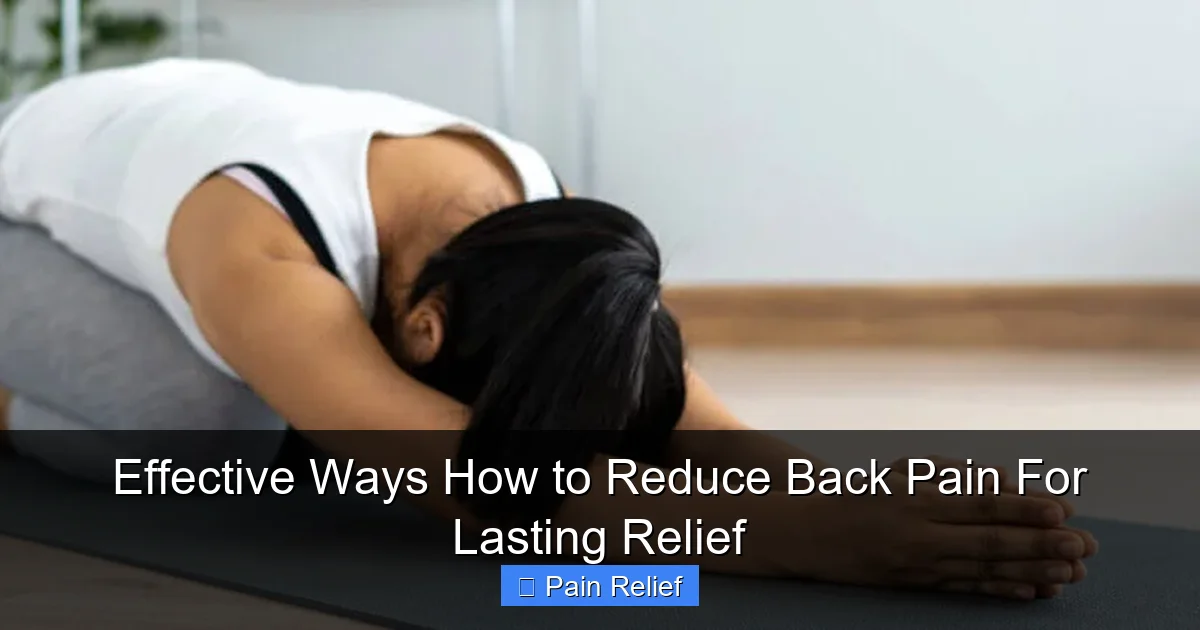
While it might seem counterintuitive to move when your back hurts, a sedentary lifestyle often makes back pain worse. Regular, gentle exercise is one of the most effective ways to reduce back pain by strengthening supporting muscles, improving flexibility, and boosting blood flow.
Gentle Stretching for Flexibility
Stretching helps lengthen tight muscles and improve your range of motion. Aim for gentle, controlled movements.
- Knee-to-Chest Stretch: Lie on your back, bring one knee towards your chest, holding for 20-30 seconds. Repeat on the other side. Then, bring both knees to your chest.
- Pelvic Tilts: Lie on your back with knees bent, feet flat. Flatten your lower back against the floor by tightening your abdominal muscles, then gently arch it. Repeat slowly.
- Cat-Cow Stretch: On hands and knees, arch your back like a cat, then drop your belly towards the floor like a cow. This gently mobilizes the spine.
- Child’s Pose: From hands and knees, sit back on your heels, extending your arms forward. This can gently decompress the spine.
Always listen to your body and stop if you feel any sharp pain. The goal is to gently reduce back pain, not exacerbate it.
Strengthening Exercises for Support
Strong core and gluteal muscles are crucial for supporting your spine and preventing back pain.
- Bridges: Lie on your back, knees bent, feet flat. Lift your hips off the floor, engaging your glutes and core, forming a straight line from shoulders to knees. Hold briefly, then lower slowly.
- Bird-Dog: On hands and knees, extend one arm straight forward and the opposite leg straight back, keeping your back flat. Hold, then switch sides. This improves core stability.
- Plank: Start on your forearms and toes, keeping your body in a straight line from head to heels. Engage your core tightly. Begin with short holds and gradually increase duration.
- Superman: Lie on your stomach, arms extended forward. Gently lift your arms, chest, and legs off the floor, engaging your back and glute muscles. Hold briefly, then lower.
These exercises help build a strong foundation to reduce back pain by giving your spine the support it needs.
Low-Impact Aerobic Activities
Activities that get your heart rate up without jarring your spine are excellent for overall health and reducing back pain.
- Walking: A simple yet powerful exercise. Start with short walks and gradually increase duration and pace. Wear supportive shoes.
- Swimming or Water Aerobics: The buoyancy of water reduces stress on your joints and spine, making it ideal for many people with back pain.
- Cycling (stationary bike): A reclined stationary bike can be gentle on the back while providing a good cardiovascular workout.
Aim for at least 30 minutes of moderate-intensity activity most days of the week. Consistent movement is key to keeping your back healthy and helping to reduce back pain.
Consider Yoga or Pilates
Both yoga and Pilates focus on core strength, flexibility, and body awareness, making them excellent choices for back health. Many specific poses and exercises in these disciplines are designed to stretch and strengthen the muscles that support your spine. Look for beginner or therapeutic classes if you’re new to them. They can be incredibly effective in helping to reduce back pain.
Step 4: Manage Lifestyle Factors
Visual guide about Effective Ways How to Reduce Back Pain For Lasting Relief
Image source: img.freepik.com
Your daily habits and overall lifestyle play a huge role in your back health. Addressing these factors can significantly help to reduce back pain.
Maintain a Healthy Weight
Excess body weight, especially around the midsection, puts extra strain on your lower back. Losing even a few pounds can make a significant difference in alleviating this pressure and helping to reduce back pain. Focus on a balanced diet and regular exercise.
Reduce Stress
Stress and tension often manifest as physical pain, including back pain. When you’re stressed, your muscles tend to tense up, particularly in your neck, shoulders, and back. This muscle tension can lead to chronic aches.
- Mindfulness and Meditation: Practices like meditation or deep breathing can help calm your nervous system and relax tense muscles.
- Yoga or Tai Chi: These practices combine physical movement with mindfulness, promoting relaxation and flexibility.
- Hobbies and Relaxation: Engage in activities you enjoy, ensure adequate sleep, and take time for yourself to unwind.
Addressing stress is an often-overlooked but powerful way to reduce back pain.
Prioritize Nutrition and Hydration
What you put into your body impacts your overall health, including your bones and muscles.
- Anti-Inflammatory Diet: Focus on whole foods, fruits, vegetables, lean proteins, and healthy fats. Limit processed foods, sugar, and excessive saturated fats, which can promote inflammation.
- Calcium and Vitamin D: Essential for strong bones. Ensure you’re getting enough through diet or supplements, especially as you age.
- Stay Hydrated: Water helps maintain the elasticity and flexibility of the soft tissues in your spine, including the intervertebral discs. Dehydrated discs can be less effective shock absorbers. Drink plenty of water throughout the day to reduce back pain from stiffness.
Quit Smoking
Smoking is detrimental to overall health and can contribute to back pain. Nicotine restricts blood flow to the discs in your spine, which can accelerate degeneration and hinder the healing process. Smokers are also more prone to osteoporosis and have a higher risk of developing chronic back pain. Quitting smoking is one of the best things you can do for your back and your overall health.
Step 5: Utilize Pain Relief Techniques at Home
When back pain strikes, several simple home remedies can provide immediate comfort and help you reduce back pain symptoms.
Heat and Cold Therapy
This is a classic and effective approach.
- Cold Pack: For acute pain, inflammation, or after an injury (within the first 48-72 hours), apply a cold pack (ice wrapped in a cloth) for 15-20 minutes several times a day. This helps numb the area and reduce swelling.
- Heat Pack: For chronic stiffness, muscle soreness, or to relax tense muscles, apply moist heat (a warm bath, hot shower, or heating pad) for 15-20 minutes. Heat increases blood flow and helps muscles relax, which can significantly reduce back pain.
Experiment to see which works best for your specific type of pain.
Topical Pain Relief Creams and Gels
Over-the-counter creams, gels, and patches containing ingredients like menthol, capsaicin, ibuprofen, or diclofenac can be applied directly to the painful area. These can provide temporary relief by creating a cooling or warming sensation or by reducing local inflammation. Always follow the product’s instructions.
Self-Massage Tools
Sometimes a gentle massage can release muscle tension and knots that contribute to back pain.
- Foam Roller: Use a foam roller to gently roll out tight spots in your back, glutes, and hamstrings. Be cautious and avoid rolling directly over your spine.
- Tennis Ball or Lacrosse Ball: Place a tennis ball or a firmer lacrosse ball between your back and a wall or the floor. Gently roll over tight spots, applying pressure as tolerated. This can pinpoint and release muscle knots.
- Massage Gun: These handheld percussive devices can offer targeted relief for muscle stiffness and soreness. Use them carefully, especially on the back, and avoid bony areas.
These tools can be great for daily self-care to reduce back pain.
Step 6: Seek Professional Help When Needed
While many strategies can help you reduce back pain at home, it’s crucial to know when to consult a healthcare professional. Sometimes, back pain requires expert diagnosis and treatment.
When to See a Doctor
It’s important to seek medical attention if your back pain:
- Is severe and doesn’t improve with rest or home remedies after a few days.
- Radiates down one or both legs, especially if it goes below the knee.
- Causes weakness, numbness, or tingling in your legs.
- Is accompanied by fever, unexplained weight loss, or bowel/bladder problems. These could be signs of a more serious condition.
- Follows an injury, such as a fall or a car accident.
- Is worse at night or when lying down.
A doctor can diagnose the underlying cause of your back pain and recommend appropriate treatment options.
Physical Therapy
A physical therapist is a specialist in movement and function. They can create a personalized exercise program to:
- Strengthen weak muscles (especially core and glutes).
- Improve flexibility and range of motion.
- Correct posture and body mechanics.
- Teach you techniques to reduce back pain and prevent future episodes.
Physical therapy is often considered the gold standard for non-invasive back pain treatment.
Chiropractic Care
Chiropractors focus on spinal adjustments to improve alignment and function. They believe that proper spinal alignment can alleviate nerve compression and reduce back pain. If you’re considering chiropractic care, ensure your chiropractor is licensed and experienced.
Acupuncture
This traditional Chinese medicine technique involves inserting thin needles into specific points on the body. It is believed to stimulate the body’s natural pain-relieving chemicals and improve energy flow. Many people find acupuncture effective for chronic back pain.
Medication Options
Your doctor might recommend various medications to manage back pain, depending on its severity and cause:
- Over-the-counter pain relievers: NSAIDs (like ibuprofen or naproxen) or acetaminophen can reduce pain and inflammation.
- Muscle relaxants: For muscle spasms.
- Topical medications: Stronger versions of creams and patches mentioned earlier.
- Nerve pain medications: For pain caused by nerve compression.
- Injections: Steroid injections can sometimes reduce inflammation around nerve roots.
Always discuss medication options with your doctor to ensure they are safe and appropriate for you.
Troubleshooting: What If My Back Pain Persists?
It can be frustrating when you’ve tried many things and your back pain doesn’t go away. If your efforts to reduce back pain haven’t yielded lasting relief, don’t lose hope.
Re-evaluate Your Approach
- Consistency is Key: Are you consistently applying the strategies outlined here? Small, daily efforts compound over time.
- Identify Triggers: Pay close attention to activities, postures, or stressors that seem to worsen your pain. Keep a pain journal.
- Seek a Second Opinion: If you’re not satisfied with your current diagnosis or treatment plan, don’t hesitate to consult another healthcare professional.
- Consider a Multidisciplinary Approach: Sometimes, combining different therapies (e.g., physical therapy with acupuncture and stress management) yields better results than a single approach.
- Explore Advanced Diagnostics: If conservative treatments fail, your doctor might order imaging tests (MRI, X-ray) to get a clearer picture of what’s happening internally.
The journey to reduce back pain is often personal and might involve some trial and error. Be patient with yourself and persistent in your efforts.
Conclusion
Living with back pain can be debilitating, but it doesn’t have to be your permanent reality. By understanding the common causes, committing to proper posture and ergonomics, incorporating regular movement and strengthening exercises, and adopting a healthy lifestyle, you can significantly reduce back pain and achieve lasting relief.
Remember, this guide provides a wealth of strategies, but your body is unique. Listen to its signals, be consistent with your efforts, and don’t hesitate to seek professional help when your pain warrants it. With dedication and the right approach, you can take control of your back health, move more freely, and enjoy a life with less pain. Here’s to a stronger, more comfortable you!
🎥 Related Video: 3 SIMPLE Exercises For Lower Back Pain Relief! (Strengthen Your Spine)
📺 Tone and Tighten
CHECK OUT THE FULL VIDEO HERE: https://youtu.be/pGZ5BgmJnHg One of the best ways to eliminate and prevent lower back …