Experiencing back pain can be debilitating, but many cases can be significantly improved with simple strategies right at home. This guide provides actionable steps, from immediate relief techniques like heat and cold therapy to essential stretches and lifestyle adjustments. Learn how to strengthen your core, improve posture, and incorporate natural remedies to effectively relieve pain in the back and regain comfort.
Discover How To Relieve Pain In The Back Quickly At Home
Back pain is a common companion for many of us, striking with varying intensity and often disrupting our daily lives. Whether it’s a dull ache, a sharp twinge, or a persistent stiffness, it can make simple tasks feel like monumental challenges. The good news is that for many types of non-serious back pain, relief is often achievable right in the comfort of your own home. You don’t always need complex treatments or expensive therapies to start feeling better.
This comprehensive guide is designed to empower you with practical, easy-to-follow steps to help you relieve pain in the back. We’ll explore immediate remedies, gentle stretches, crucial posture adjustments, and sustainable lifestyle changes that can significantly reduce your discomfort and even prevent future episodes. Our goal is to equip you with the knowledge and tools to take control of your back health, allowing you to move more freely and live with less pain.
Remember, while this guide offers excellent strategies for common back pain, it’s always wise to consult a healthcare professional if your pain is severe, persistent, worsens, or is accompanied by other concerning symptoms like numbness, weakness, or bladder/bowel issues. Your doctor can rule out serious conditions and provide personalized advice. But for everyday aches and strains, let’s dive into how you can effectively relieve pain in the back right now.
Key Takeaways
- Start with Immediate Relief: Utilize heat or cold therapy, consider over-the-counter pain relievers, and allow for brief rest to quickly alleviate acute back pain.
- Embrace Gentle Movement: Regular, gentle stretching (like knee-to-chest, cat-cow, and pelvic tilts) is crucial to improve flexibility and reduce stiffness, helping to relieve pain in the back.
- Master Good Posture: Consciously adjust your sitting, standing, and sleeping posture, along with proper lifting techniques, to prevent strain and support your spine effectively.
- Strengthen Your Core: Developing strong abdominal and back muscles through exercises like the bird-dog and Superman is fundamental for providing essential support to your lower back and preventing future pain.
- Make Lasting Lifestyle Changes: Maintain a healthy weight, stay hydrated, manage stress, and ensure an ergonomic workspace to support long-term back health and prevent recurrence of pain.
- Know When to Seek Help: While many back pains respond to home care, be aware of red flag symptoms (severe pain, numbness, weakness, pain after injury) that warrant immediate medical attention.
Understanding Your Back Pain: When Home Care Helps
Before we jump into the remedies, it’s helpful to understand that most back pain that can be managed at home falls into the category of “mechanical back pain.” This often means it’s related to strain on muscles, ligaments, discs, or joints in your spine, often due to:
- Muscle strains or sprains from overexertion.
- Poor posture.
- Minor injuries or sudden awkward movements.
- Degenerative changes that are not severe.
Home strategies are particularly effective for these types of issues. They aim to reduce inflammation, improve flexibility, strengthen supporting muscles, and correct harmful habits.
Step 1: Immediate Strategies to Relieve Pain In The Back
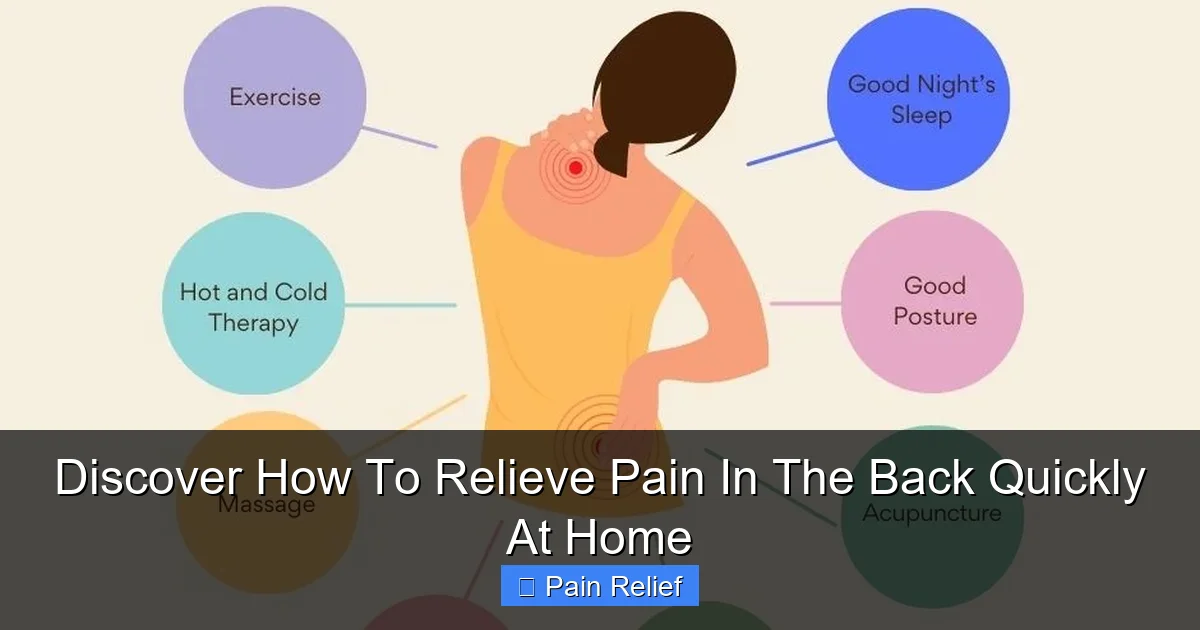
Visual guide about Discover How To Relieve Pain In The Back Quickly At Home
Image source: backpaininsider.com
When back pain strikes, your first priority is often to find quick relief. These initial steps can help calm the pain and make you more comfortable.
Apply Heat or Cold Therapy
This is one of the quickest and most effective ways to relieve pain in the back, especially for acute muscle aches or stiffness.
- For Acute Pain (First 24-48 hours): Start with cold therapy. Cold helps reduce inflammation and numbs the area, decreasing pain signals. Apply an ice pack (wrapped in a thin cloth to protect your skin) to the painful area for 15-20 minutes at a time, several times a day.
- For Chronic Pain or Stiffness: After the initial acute phase, or for chronic muscle tension, switch to heat therapy. Heat helps relax tight muscles and improves blood flow to the area, promoting healing. Use a heating pad, a warm bath, or a hot pack for 15-20 minutes, several times a day.
- Alternating Therapy: Some people find a combination most effective. You can alternate between heat and cold, or use what feels best for your specific pain.
Practical Tip: Keep an ice pack and a heating pad readily available. A bag of frozen peas works great as a flexible ice pack!
Consider Over-the-Counter Pain Relievers
Non-prescription medications can be very helpful for managing mild to moderate back pain, especially when combined with other home remedies.
- NSAIDs (Nonsteroidal Anti-Inflammatory Drugs): Medications like ibuprofen (Advil, Motrin) or naproxen (Aleve) can reduce both pain and inflammation.
- Acetaminophen (Tylenol): This option primarily targets pain, with less anti-inflammatory effect.
Important Note: Always follow dosage instructions carefully and consult your doctor or pharmacist if you have underlying health conditions or are taking other medications. These are for short-term use.
Rest (But Not Too Much!)
When back pain is severe, a short period of rest (1-2 days at most) can be beneficial. However, prolonged bed rest is generally not recommended as it can lead to stiffness and weaken muscles, potentially prolonging your recovery.
- Gentle Movement is Key: As soon as you can, try to incorporate light activity. Walking, even for a few minutes, can help keep your spine mobile and muscles from stiffening further.
- Find a Comfortable Position: Lying on your back with a pillow under your knees, or on your side with a pillow between your knees, can help take pressure off your lower back.
Practical Tip: Avoid activities that exacerbate your pain during the initial acute phase. Listen to your body.
Step 2: Gentle Movement and Stretching to Relieve Pain In The Back

Visual guide about Discover How To Relieve Pain In The Back Quickly At Home
Image source: stylepersuit.com
Once the initial acute pain subsides a bit, gentle movement and stretching become incredibly important. They improve flexibility, reduce stiffness, and help restore normal function, significantly helping to relieve pain in the back. Perform these stretches slowly and smoothly, stopping if you feel any sharp pain.
Knee-to-Chest Stretch
This stretch helps lengthen the lower back muscles and hamstrings.
- Lie on your back with knees bent and feet flat on the floor.
- Gently bring one knee towards your chest, grasping it with both hands.
- Hold for 20-30 seconds, feeling a gentle stretch in your lower back.
- Lower the leg and repeat with the other leg.
- You can also do both knees to the chest simultaneously for a deeper stretch.
Pelvic Tilt
A great exercise for mobilizing the lower spine and engaging core muscles.
- Lie on your back with knees bent and feet flat on the floor, about hip-width apart.
- Flatten your lower back against the floor by tightening your abdominal muscles and gently tilting your pelvis up. Imagine pressing your belly button towards your spine.
- Hold for 5-10 seconds, then release slowly.
- Repeat 8-12 times.
Cat-Cow Stretch
This yoga-inspired movement gently mobilizes the spine and can relieve tension.
- Start on your hands and knees, hands directly under your shoulders, knees under your hips.
- Cat Pose: As you exhale, round your back towards the ceiling, tucking your chin to your chest. Feel a stretch along your spine.
- Cow Pose: As you inhale, drop your belly towards the floor, lift your head and tailbone, creating a gentle arch in your lower back.
- Flow smoothly between these two poses for 10-15 repetitions.
Child’s Pose
A restorative stretch that can calm the nervous system and lengthen the spine.
- Kneel on the floor, big toes touching, knees hip-width apart.
- Sit your hips back towards your heels.
- Walk your hands forward, resting your torso between your thighs and your forehead on the floor.
- Hold for 30 seconds to a minute, breathing deeply.
Spinal Twist (Gentle)
Helps improve spinal mobility and release tension.
- Lie on your back with knees bent, feet flat on the floor.
- Extend your arms out to the sides in a “T” shape.
- Keeping your knees together, gently let them fall to one side, while keeping your shoulders on the floor.
- Hold for 20-30 seconds, then slowly bring them back to center and repeat on the other side.
Practical Tip: Consistency is key. Aim to do these stretches daily, or at least several times a week, to maintain flexibility and continue to relieve pain in the back.
Step 3: Improve Your Posture to Prevent and Relieve Pain In The Back

Visual guide about Discover How To Relieve Pain In The Back Quickly At Home
Image source: continentalhospitals.com
Poor posture is a huge contributor to back pain. Making conscious efforts to improve how you sit, stand, and move can dramatically reduce strain on your spine and help you to relieve pain in the back.
Sitting Posture
Many of us spend hours sitting, often slouching.
- Sit Up Straight: Keep your feet flat on the floor, hip-width apart. Your knees should be at a 90-degree angle, or slightly lower than your hips.
- Support Your Lower Back: Use a rolled towel or a lumbar support pillow to maintain the natural curve of your lower back.
- Shoulders Relaxed: Avoid hunching. Keep your shoulders relaxed and back.
- Screen Level: Position your computer screen at eye level to prevent neck and upper back strain.
- Take Breaks: Stand up, stretch, and walk around every 30-60 minutes.
Standing Posture
How you stand impacts your spine alignment.
- Shoulders Back and Down: Avoid slumping forward.
- Engage Core: Gently pull your belly button towards your spine to support your lower back.
- Weight Evenly Distributed: Stand with your feet hip-width apart, distributing your weight evenly. Avoid locking your knees.
- Avoid Prolonged Standing: If you must stand for long periods, shift your weight from foot to foot or use a footrest.
Lifting Techniques
Improper lifting is a common cause of sudden back pain.
- Bend Your Knees, Not Your Back: Squat down to pick up objects, keeping your back straight.
- Lift with Your Legs: Use the powerful muscles in your legs and glutes, not your back, to lift.
- Keep Object Close: Hold the object close to your body.
- Avoid Twisting: Turn your whole body, including your feet, instead of twisting at the waist.
Sleeping Position
Your sleeping posture can significantly affect your back.
- Side Sleeper: Place a firm pillow between your knees to keep your hips, pelvis, and spine in alignment.
- Back Sleeper: Place a small pillow under your knees to maintain the natural curve of your lower back.
- Stomach Sleeper: This position is generally discouraged as it can strain your neck and back. If you must sleep on your stomach, place a pillow under your hips and avoid a thick pillow under your head (or no pillow at all).
- Invest in a Good Mattress: A supportive mattress is crucial. Replace old, sagging mattresses.
Practical Tip: Be mindful of your posture throughout the day. It takes conscious effort to change habits, but the payoff for your back health is immense, helping you to truly relieve pain in the back.
Step 4: Strengthen Your Core Muscles to Relieve Pain In The Back
A strong core is like a natural back brace. The muscles in your abdomen, back, and pelvis work together to support your spine. Strengthening them is paramount for preventing and helping to relieve pain in the back.
Core Engagement Basics
Learning to activate your core is the first step.
- Transverse Abdominis: This deep abdominal muscle acts like a corset. To engage it, lie on your back, breathe out, and gently draw your belly button towards your spine without moving your pelvis. Hold and breathe normally.
Pelvic Floor Exercises (Kegels)
These muscles are part of your deep core system.
- Contract the muscles you would use to stop urine flow. Hold for a few seconds, then relax. Repeat 10-15 times. These are small movements but can contribute to overall core stability.
Superman Exercise (Modified)
Strengthens the lower back and glutes.
- Lie on your stomach with arms extended overhead.
- Gently lift your head, chest, and arms a few inches off the floor, keeping your neck neutral. You can also lift one arm and the opposite leg simultaneously.
- Hold briefly, then lower slowly.
- Repeat 8-12 times.
Bird-Dog Exercise
Excellent for core stability and balance.
- Start on your hands and knees.
- Engage your core, keeping your back flat.
- Slowly extend one arm straight forward and the opposite leg straight back, keeping them parallel to the floor.
- Avoid arching your back or shifting your weight significantly.
- Hold for a few seconds, then return to the starting position.
- Repeat 8-12 times on each side.
Practical Tip: Start with a few repetitions and gradually increase as your strength improves. Proper form is more important than the number of repetitions. Consistency will help you to relieve pain in the back and prevent its return.
Step 5: Lifestyle Adjustments for Long-Term Relief
Beyond immediate fixes and exercises, certain lifestyle choices play a significant role in your overall back health. Adopting these habits can help you to relieve pain in the back permanently and improve your well-being.
Stay Active
Regular physical activity keeps your joints mobile, muscles strong, and weight in check.
- Low-Impact Aerobics: Walking, swimming, cycling, or using an elliptical machine are excellent choices. Aim for at least 30 minutes most days of the week.
- Avoid Sedentary Habits: Break up long periods of sitting with short walks or stretches.
Maintain a Healthy Weight
Excess body weight, particularly around the abdomen, puts extra strain on your lower back.
- Balanced Diet: Focus on whole foods, lean proteins, fruits, and vegetables.
- Portion Control: Be mindful of how much you eat.
- Consult a Professional: If you struggle with weight loss, consider speaking with a nutritionist or doctor.
Hydration and Nutrition
Believe it or not, what you eat and drink impacts your back.
- Stay Hydrated: Water is essential for maintaining the elasticity of your spinal discs, which act as shock absorbers.
- Anti-Inflammatory Foods: Incorporate foods rich in omega-3 fatty acids (fatty fish, flaxseed), antioxidants (berries, leafy greens), and turmeric, which can naturally help reduce inflammation.
- Calcium and Vitamin D: Crucial for bone health.
Stress Management
Stress often manifests as physical tension, especially in the neck and back.
- Relaxation Techniques: Practice deep breathing exercises, meditation, or yoga.
- Hobbies: Engage in activities you enjoy to take your mind off stressors.
- Adequate Sleep: Aim for 7-9 hours of quality sleep each night. Sleep allows your body to repair and recover.
Ergonomics at Work and Home
Optimizing your environment can prevent strain.
- Adjust Your Chair: Ensure it provides good lumbar support.
- Keyboard and Mouse Placement: Keep them close to your body to avoid reaching.
- Regular Assessments: Periodically assess your workspace and make adjustments as needed.
Practical Tip: Making small, consistent changes in these areas will compound over time, leading to significant improvements in your ability to relieve pain in the back and maintain a healthy spine.
Step 6: Natural Remedies and Complementary Therapies
While not primary treatments, some natural approaches can complement your efforts to relieve pain in the back.
Massage
Massage can relieve muscle tension, improve circulation, and reduce pain.
- Self-Massage: Use a foam roller or a tennis ball to gently roll out tight spots in your glutes and lower back.
- Professional Massage: A licensed massage therapist can target specific muscle groups and provide deeper relief.
Essential Oils
Certain essential oils have anti-inflammatory or pain-relieving properties.
- Lavender: Known for its calming and muscle-relaxing effects.
- Peppermint: Can provide a cooling sensation and pain relief.
- Eucalyptus: May help reduce inflammation.
Caution: Always dilute essential oils with a carrier oil (like coconut or jojoba oil) before applying to the skin. Perform a patch test first. Consult with a doctor, especially if pregnant or have health conditions.
Herbal Remedies
Some herbs are known for their anti-inflammatory properties.
- Turmeric: Contains curcumin, a powerful anti-inflammatory compound. Can be taken as a supplement or added to food.
- Ginger: Also has anti-inflammatory effects. Can be consumed as tea or in food.
Caution: Always consult your doctor before taking herbal supplements, especially if you are on other medications, as they can interact.
Acupuncture/Acupressure
These ancient practices involve stimulating specific points on the body.
- Acupuncture: Performed by a trained practitioner using thin needles.
- Acupressure: You can apply gentle pressure to specific points yourself or with a tool.
These therapies aim to balance the body’s energy flow and can be helpful for some in reducing chronic back pain.
Troubleshooting: When Home Remedies Aren’t Enough
While this guide provides many effective ways to relieve pain in the back, it’s crucial to know when to seek professional medical help.
Signs to See a Doctor Immediately:
- Severe pain that doesn’t improve with rest or home remedies.
- Pain following a fall or injury.
- Numbness, tingling, or weakness in your legs or feet.
- Pain that radiates down one or both legs, especially if it goes below the knee.
- Loss of bladder or bowel control (this is a medical emergency).
- Unexplained weight loss with back pain.
- Fever, chills, or night sweats with back pain.
- Back pain that is worse at night or doesn’t improve with activity.
These symptoms could indicate a more serious underlying condition requiring prompt medical attention.
Common Mistakes to Avoid:
- Ignoring the Pain: Hoping it will just go away often leads to it getting worse.
- Overdoing It: Pushing through pain can exacerbate an injury. Listen to your body.
- Staying Inactive: While rest is good initially, prolonged inactivity leads to stiffness and weakness.
- Poor Posture Habits: Reverting to old habits will likely bring the pain back.
- Self-Diagnosing Serious Issues: Don’t try to guess the cause of severe or persistent pain; see a doctor.
Conclusion
Relieving pain in the back is often a journey that starts right in your own home. By consistently applying the strategies outlined in this guide – from immediate pain relief with heat and cold, to gentle stretching, diligent posture correction, and strengthening your core – you can make significant strides toward a more comfortable, pain-free life.
Remember that progress isn’t always linear. There might be good days and not-so-good days. The key is consistency, patience, and a willingness to listen to your body. Incorporate these tips into your daily routine, and you’ll not only learn how to relieve pain in the back quickly but also how to build a resilient, healthy back for the long term. Take control of your back health today and rediscover the joy of movement without pain!
🎥 Related Video: Instantly Fix Lower Back Pain #Shorts
📺 SpineCare Decompression and Chiropractic Center
Dr. Rowe shows one of his personal favorite exercises, the scorpion cobra. This exercise takes two popular yoga poses and …