In this guide, you will learn about the potential causes of tingling in the back, along with effective solutions to alleviate the discomfort. We will cover everything from nerve issues to lifestyle factors, ensuring you understand how to manage your symptoms effectively.
Key Takeaways
- Understanding Tingling: Tingling in the back can be caused by nerve compression, injury, or poor posture.
- Common Causes: Conditions such as sciatica, herniated discs, and pinched nerves are frequent culprits.
- Importance of Posture: Maintaining good posture can prevent and alleviate tingling sensations.
- Exercises for Relief: Specific stretches and exercises can help relieve nerve pressure and reduce tingling.
- When to Seek Help: If tingling persists or worsens, consult a healthcare professional for a proper diagnosis.
- Home Remedies: Simple home remedies, like heat and cold therapy, can offer immediate relief.
- Long-Term Solutions: Lifestyle changes, including ergonomic adjustments, can help prevent future occurrences.
Comprehensive Guide to Tingling Back Causes and Solutions
Tingling in the back is a sensation that many people experience at some point in their lives. It can range from a mild annoyance to a significant source of discomfort. In this guide, we will explore the most common causes of tingling in the back and provide practical solutions to help you find relief.
What Causes Tingling in the Back?
Tingling sensations in the back can arise from various sources. Understanding these causes is the first step toward effective management.
Visual guide about Comprehensive Guide to Tingling Back Causes and Solutions
Image source: cyvigor.com
Nerve Compression
Nerve compression occurs when surrounding tissues put pressure on nerves. This can happen due to:
- Herniated Discs: When the soft material inside a spinal disc pushes out and presses on nearby nerves.
- Pinched Nerves: Often caused by muscle tension or injury, pinched nerves can lead to tingling sensations.
Injuries
Injuries to the back, whether from sports or accidents, can lead to tingling. These injuries may affect the spinal cord or nerves directly.
Poor Posture
Slouching or sitting for extended periods without proper support can lead to nerve compression and tingling. Maintaining good posture is crucial for nerve health.
Medical Conditions
Several medical conditions can contribute to tingling in the back, including:
- Sciatica: This condition occurs when the sciatic nerve is compressed, causing pain and tingling that often radiates down the leg.
- Multiple Sclerosis: MS can affect the nerves in the spine, leading to various sensations, including tingling.
- Diabetes: High blood sugar levels can damage nerves, leading to a condition called diabetic neuropathy, which may cause tingling.
Identifying Your Symptoms
Before addressing tingling sensations, it’s essential to identify the type and duration of your symptoms.
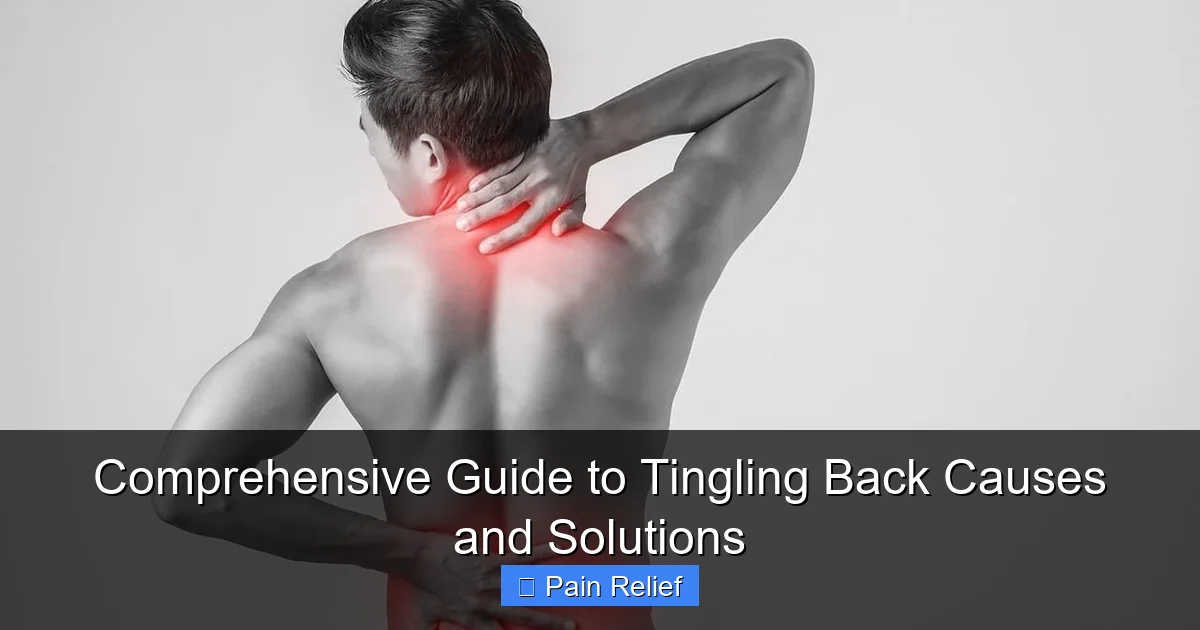
Visual guide about Comprehensive Guide to Tingling Back Causes and Solutions
Image source: d1qpnt4t1p05jk.cloudfront.net
Temporary vs. Chronic Tingling
Tingling can be temporary, lasting only a few minutes, or chronic, persisting for longer periods. Identifying this can guide your next steps.
Associated Symptoms
Take note of any additional symptoms, such as:
- Pain
- Numbness
- Weakness
- Radiating sensations
Step-by-Step Solutions
Once you have a better understanding of the causes, you can take actionable steps to reduce or eliminate the tingling sensation.
1. Adjust Your Posture
Improving your posture can significantly alleviate tingling. Here’s how:
- Ergonomic Workspace: Ensure your chair and desk are set up to support a natural spine position.
- Regular Breaks: Stand and stretch every 30 minutes to relieve tension.
2. Stretch and Strengthen
Incorporate exercises that target the back and promote flexibility and strength.
- Stretching: Simple stretches like the cat-cow stretch or child’s pose can relieve pressure on the spine.
- Strengthening Exercises: Focus on core stability exercises, such as planks and bridges, to support your back.
3. Apply Heat or Cold
Heat and cold therapy can provide immediate relief from tingling sensations.
- Heat Therapy: Use a heating pad to relax tense muscles.
- Cold Therapy: An ice pack can reduce inflammation and numb acute pain.
4. Consider Lifestyle Changes
Implementing lifestyle changes can have lasting benefits:
- Stay Active: Regular physical activity can improve circulation and nerve health.
- Healthy Diet: A diet rich in vitamins B12 and D can support nerve function.
5. Seek Professional Help
If tingling persists or is accompanied by severe symptoms, it’s time to consult a healthcare professional. They may recommend:
- Physical Therapy: A therapist can provide targeted exercises and treatments.
- Medication: Over-the-counter or prescription medications may help manage pain and inflammation.
Troubleshooting Common Issues
If you find that your efforts aren’t yielding results, consider the following:
- Consistency: Are you consistently practicing your stretches and exercises?
- Environment: Is your workspace conducive to good posture?
- Underlying Conditions: Have you consulted a healthcare professional about potential medical issues?
Conclusion
Tingling in the back can be unsettling, but understanding its causes and implementing effective solutions can lead to relief. By focusing on posture, exercise, and lifestyle changes, you can significantly reduce the discomfort associated with tingling. Remember, if symptoms persist, don’t hesitate to seek medical advice. Your health is worth it!
🎥 Related Video: Instant Relief for Pinched Nerve Pain in the Back and Leg
📺 SpineCare Decompression and Chiropractic Center
Dr. Rowe shows how to quickly relieve pinched nerve pain in the back and leg. This exercise can be done standing and used …