Recovering from a lower back strain can be challenging, but with the right approach, you can achieve relief and regain strength. This guide offers effective tips and techniques to help you recover quickly and safely, ensuring you return to your daily activities pain-free.
Key Takeaways
- Rest is Essential: Allow your body time to heal by avoiding strenuous activities and giving your back a break.
- Ice and Heat Therapy: Use ice packs for the first 48 hours, followed by heat to relieve muscle tension.
- Gentle Stretching: Incorporate stretching exercises to improve flexibility and reduce stiffness.
- Stay Active: Engage in light activities, like walking, to promote circulation and avoid stiffness.
- Proper Posture: Maintain good posture during daily activities to prevent further strain.
- Consult a Professional: If pain persists, seek advice from a healthcare provider or physical therapist for tailored guidance.
- Hydration and Nutrition: Drink plenty of water and eat a balanced diet to support your recovery.
Effective Lower Back Strain Recovery Tips for Quick Relief
Lower back strain is a common issue that can occur due to various reasons, such as lifting heavy objects, poor posture, or even sudden movements. If you’re experiencing discomfort, fear not; this guide will walk you through effective recovery tips. You’ll learn how to manage your pain, regain strength, and prevent future injuries.
Understand Your Injury
Before diving into recovery methods, it’s crucial to understand what a lower back strain is. A strain occurs when muscles or ligaments in your back are stretched or torn. Symptoms may include pain, stiffness, or muscle spasms. Understanding your injury can help you take the appropriate steps for recovery.
Visual guide about Effective Lower Back Strain Recovery Tips for Quick Relief
Image source: i.ytimg.com
Step 1: Rest and Give Your Back Time to Heal
The first step in recovering from a lower back strain is to allow your body to rest. Here’s how:
Visual guide about Effective Lower Back Strain Recovery Tips for Quick Relief
Image source: i.pinimg.com
Take a Break
Avoid activities that worsen your pain, such as heavy lifting or strenuous exercise. Rest is essential for healing.
Modify Your Activities
If you must continue working or engaging in daily activities, modify them to avoid aggravating your back. Use chairs with good lumbar support and take frequent breaks.
Step 2: Apply Ice and Heat Therapy
Using ice and heat can be beneficial for pain relief:
Ice Therapy
For the first 48 hours after the injury, apply ice packs to the affected area for 15-20 minutes every hour. Ice helps reduce swelling and numbs the pain.
Heat Therapy
After the initial 48 hours, switch to heat therapy. Use a heating pad or warm towel to relax tense muscles and improve blood flow. Apply heat for 15-20 minutes several times a day.
Step 3: Incorporate Gentle Stretching and Exercises
Once the acute pain decreases, you can start incorporating gentle stretches and exercises:
Stretching Exercises
- Cat-Cow Stretch: Get on all fours and alternate between arching your back and rounding it. This helps improve flexibility.
- Knees to Chest Stretch: Lie on your back and pull your knees toward your chest. Hold for 15-30 seconds to relieve tension.
- Child’s Pose: Kneel and sit on your heels, stretching your arms forward on the floor. This position provides a gentle stretch for your lower back.
Strengthening Exercises
As you feel more comfortable, begin strengthening your core:
- Pelvic Tilts: Lie on your back with knees bent and feet flat. Tighten your abdominal muscles and tilt your pelvis upward.
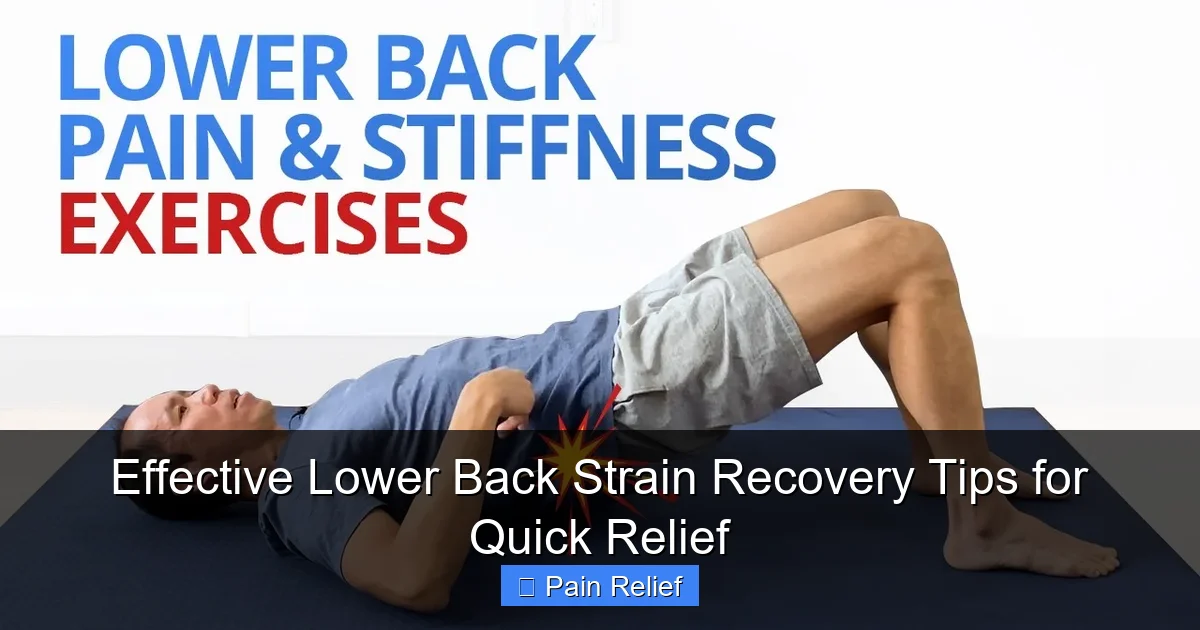
- Bridges: Lying on your back with knees bent, lift your hips off the ground while keeping your shoulders down. This strengthens your lower back and glutes.
- Wall Sits: Lean against a wall and slide down until your knees are at a 90-degree angle. Hold this position for 10-30 seconds.
Step 4: Stay Active but Avoid Strain
While rest is important, staying active is equally crucial for recovery:
Engage in Light Activities
Walking is a fantastic low-impact activity that promotes circulation and helps prevent stiffness. Aim for short walks throughout the day.
Listen to Your Body
Pay attention to how your body reacts. If an activity increases your pain, it’s essential to stop and rest.
Step 5: Focus on Posture and Ergonomics
Improper posture can lead to further strain on your lower back:
Maintain Good Posture
Keep your back straight and shoulders back when sitting or standing. Use supportive chairs and position your computer screen at eye level to avoid hunching.
Ergonomic Adjustments
If you work at a desk, consider investing in ergonomic furniture. A chair with lumbar support and a desk that allows for standing can help alleviate strain.
Step 6: Consult a Professional If Needed
If your pain persists beyond a few weeks or worsens, it’s important to consult a healthcare professional:
Physical Therapy
A physical therapist can provide tailored exercises and techniques to aid your recovery.
Medical Attention
In some cases, further investigation may be necessary. Don’t hesitate to reach out to a doctor for advice.
Step 7: Maintain Proper Hydration and Nutrition
Your diet and hydration play a significant role in recovery:
Stay Hydrated
Drink plenty of water to keep your muscles hydrated and support overall health.
Balanced Diet
Eating a variety of fruits, vegetables, and lean proteins can aid in recovery. Foods rich in omega-3 fatty acids, like fish, can help reduce inflammation.
Conclusion
Recovering from a lower back strain requires time and careful attention to your body. By following these effective tips, you can achieve quick relief and return to your daily activities. Remember to rest, use ice and heat appropriately, incorporate gentle exercises, and consult a professional if needed. With patience and the right approach, you’ll be on the road to recovery in no time.
🎥 Related Video: 3 SIMPLE Exercises For Lower Back Pain Relief! (Strengthen Your Spine)
📺 Tone and Tighten
CHECK OUT THE FULL VIDEO HERE: https://youtu.be/pGZ5BgmJnHg One of the best ways to eliminate and prevent lower back …