In this guide, you will learn about various treatment options for spinal stenosis, including exercises, lifestyle changes, and medical interventions. We provide step-by-step instructions to help you find effective relief and improve your quality of life.
Key Takeaways
- Understanding Spinal Stenosis: It’s a narrowing of the spinal canal that can cause pain and discomfort.
- Symptoms: Common symptoms include back pain, numbness, and weakness in the legs.
- Conservative Treatments: Start with physical therapy, medications, and lifestyle changes for effective relief.
- Exercise Benefits: Specific exercises can strengthen your back and improve flexibility.
- Medical Interventions: When conservative methods fail, options like injections or surgery may be necessary.
- Importance of Follow-Up: Regular check-ups with your healthcare provider ensure the best treatment outcomes.
- Managing Expectations: Understand that treatment results may vary, but many find significant relief.
Ultimate Spinal Stenosis Treatment Guide for Effective Relief
Spinal stenosis is a condition that can cause various symptoms, including back pain, numbness, and weakness. This guide aims to provide you with a clear understanding of spinal stenosis and outline effective treatment options to relieve your symptoms. Whether you’re seeking conservative methods or considering surgery, this guide will walk you through every step of the process.
What is Spinal Stenosis?
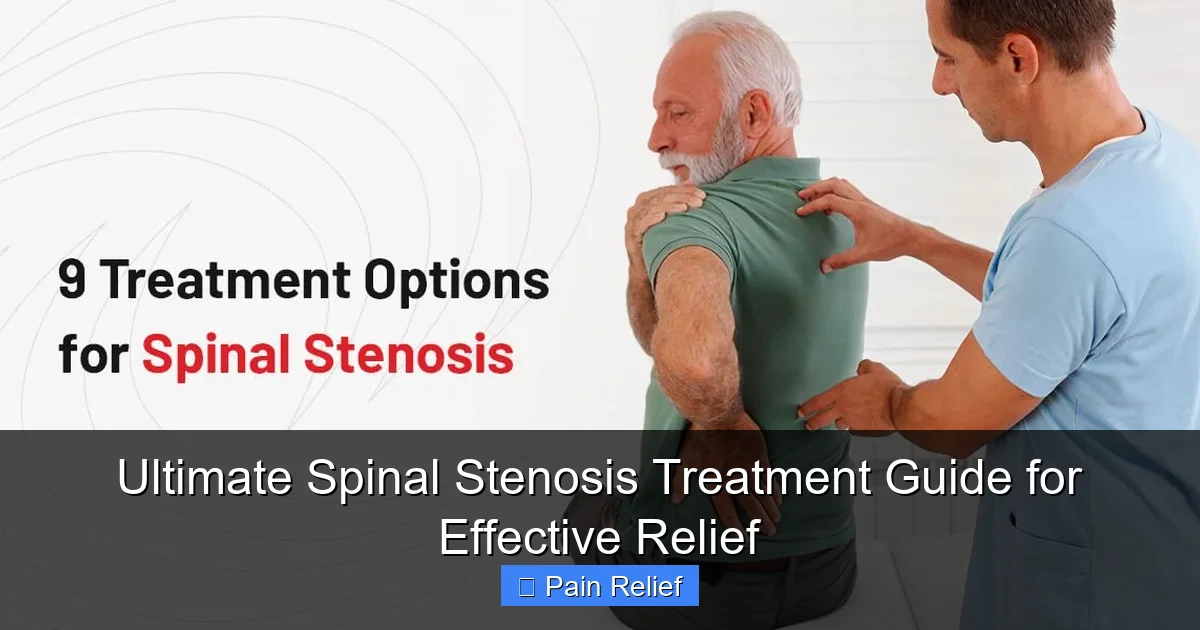
Spinal stenosis occurs when the spaces within your spine narrow, leading to pressure on the spinal cord and nerves. This condition can be caused by age-related changes, arthritis, or other factors. Understanding this condition is vital for effective treatment.
Visual guide about Ultimate Spinal Stenosis Treatment Guide for Effective Relief
Image source: sciatica.com
Recognizing Symptoms
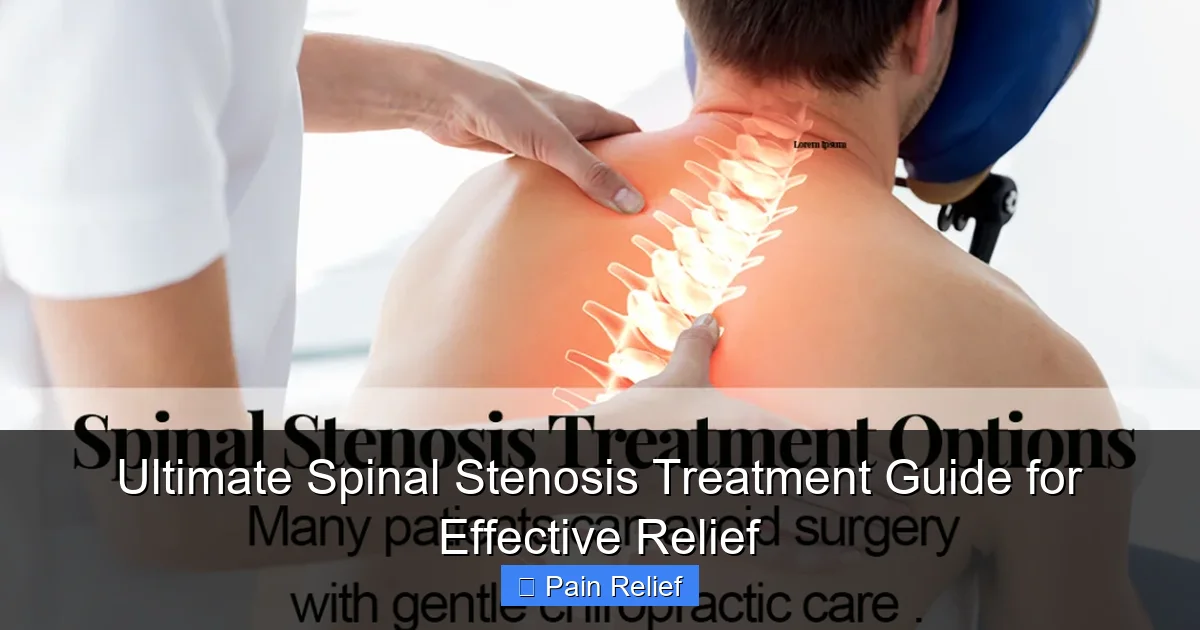
Before beginning any treatment, it’s essential to recognize the symptoms of spinal stenosis. Common symptoms include:
Visual guide about Ultimate Spinal Stenosis Treatment Guide for Effective Relief
Image source: advancedwellnesssolutions.com
- Chronic back pain
- Numbness or tingling in the legs
- Weakness in the legs
- Pain that worsens with standing or walking
- Relief of pain when sitting down or bending forward
Step 1: Initial Consultations
The first step in treating spinal stenosis is consulting with a healthcare provider. Here’s how to prepare:
Gathering Your Medical History
Be prepared to discuss your symptoms, medical history, and any previous treatments. This information will help your doctor understand your condition better.
Diagnostic Tests
Your doctor may recommend imaging tests like X-rays or MRIs to confirm the diagnosis. This will help assess the severity of the stenosis.
Step 2: Conservative Treatment Options
Most patients start with conservative treatments. Here are some effective options:
Physical Therapy
Working with a physical therapist can help you strengthen your back and improve flexibility.
- Exercises: Focus on stretching and strengthening exercises tailored to spinal stenosis.
- Posture Training: Learn proper posture techniques to relieve pressure on your spine.
Medication
Over-the-counter pain relievers, such as ibuprofen or acetaminophen, can be effective. Your doctor may also prescribe stronger medications.
Hot and Cold Therapy
Applying heat or cold can relieve pain and reduce inflammation. Try:
- Heat: Use a heating pad for 15-20 minutes.
- Cold: Apply an ice pack wrapped in a cloth for similar durations.
Lifestyle Changes
Adopting healthier habits can improve your overall well-being:
- Weight Management: Maintaining a healthy weight reduces strain on your spine.
- Regular Exercise: Engage in low-impact activities like swimming or walking.
- Ergonomic Adjustments: Modify your workspace to support your back.
Step 3: Advanced Treatment Options
If conservative treatments do not provide relief, consider more advanced options:
Corticosteroid Injections
Injections can reduce inflammation around the spinal nerves, providing temporary relief.
Surgery
In severe cases, surgical options may be necessary:
- Laminectomy: Removing part of the vertebrae to relieve pressure.
- Spinal Fusion: Joining two or more vertebrae to stabilize the spine.
Step 4: Post-Treatment Care
After treatment, follow these tips for recovery:
- Follow-Up Appointments: Keep regular check-ups with your healthcare provider.
- Physical Therapy Continuation: Continue recommended exercises to maintain strength.
- Monitor Symptoms: Keep track of any changes and report them to your doctor.
Troubleshooting Common Issues
If you’re not experiencing relief, consider these troubleshooting tips:
- Review Your Exercises: Ensure you’re performing exercises correctly.
- Consult a Specialist: A second opinion may provide new insights.
- Manage Expectations: Understand that relief may take time, and results can vary.
Conclusion
Spinal stenosis can be a challenging condition, but with the right approach, you can find effective relief. Start with conservative treatments, and if necessary, explore advanced options. Remember to consult your healthcare provider regularly to track your progress and adjust your treatment plan as needed. By taking these steps, you can improve your quality of life and manage your symptoms effectively.
🎥 Related Video: What is Lumbar Spine Stenosis? A Complete Guide to Treatments
📺 Princeton Spine & Joint Center
In this video, Dr. Grant Cooper from the Princeton Spine and Joint Center discusses Lumbar Stenosis, a common spinal condition …