In this guide, you will learn to identify the common symptoms of back strain and discover effective relief strategies. Taking quick action can alleviate pain and prevent further injury. Understanding your body’s signals is key to achieving a quicker recovery.
Key Takeaways
- Point 1: Back strains can result from improper lifting, poor posture, or sudden movements.
- Point 2: Common symptoms include localized pain, muscle spasms, and limited mobility.
- Point 3: Applying ice or heat can provide immediate relief and reduce inflammation.
- Point 4: Gentle stretching and strengthening exercises can aid recovery.
- Point 5: Maintaining good ergonomic practices prevents future strains.
- Point 6: Consult a healthcare provider if symptoms persist beyond a few days.
- Point 7: Staying active within pain limits can promote healing.
Essential Back Strain Symptoms Guide for Quick Relief
Back pain affects millions of people every day. Whether you’ve lifted something heavy, sat in an awkward position for too long, or made a sudden movement, back strain can strike at any time. In this guide, you’ll learn what back strain is, recognize its symptoms, and discover effective methods for quick relief. Understanding your body’s signals will help you recover faster and avoid future injuries.
Understanding Back Strain
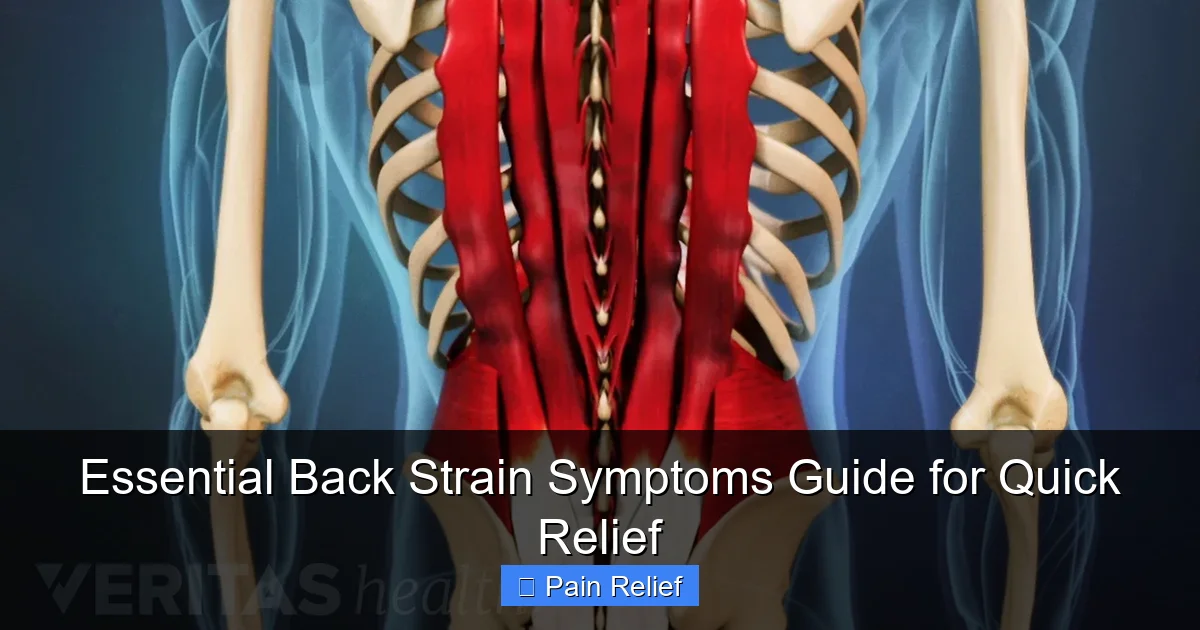
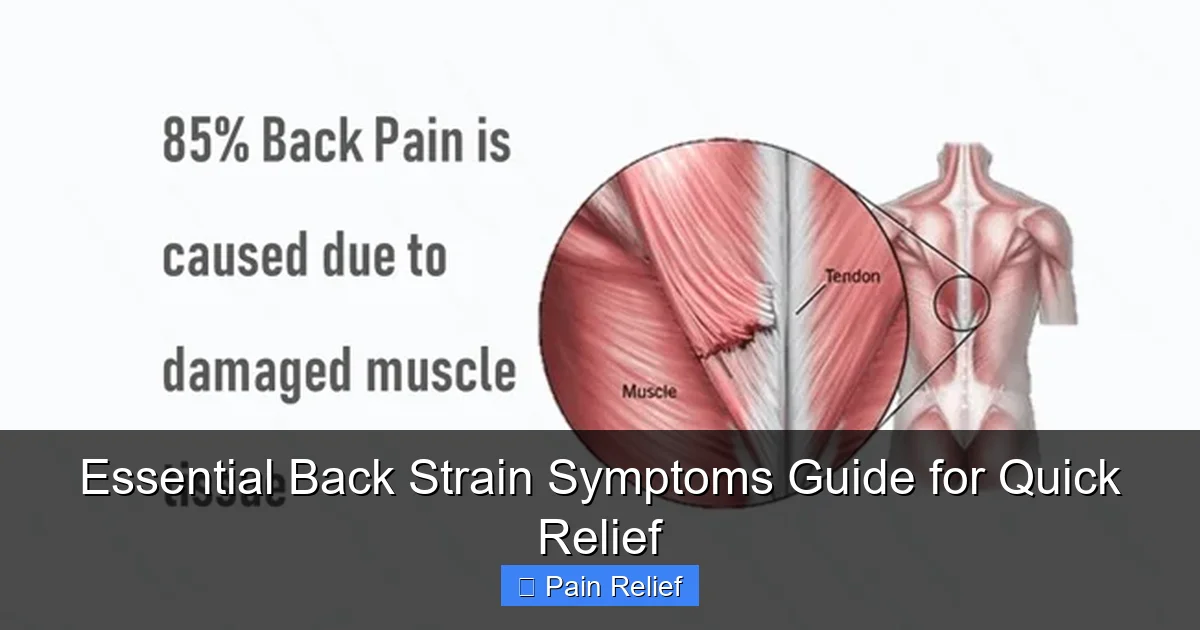
Before diving into symptoms and relief, let’s clarify what a back strain is. A back strain occurs when muscles or tendons in the back are stretched or torn. This can happen due to various activities, including lifting heavy objects, sudden twisting motions, or repetitive stress. Being aware of the risks can help you prevent future strains.
Visual guide about Essential Back Strain Symptoms Guide for Quick Relief
Image source: res.cloudinary.com
Identifying Back Strain Symptoms
Recognizing the symptoms of a back strain is crucial for effective treatment. Here are the most common signs you may experience:
Visual guide about Essential Back Strain Symptoms Guide for Quick Relief
Image source: qispine.com
Localized Pain
The most noticeable symptom is pain in the lower back. This pain can range from mild to severe, and you may feel it as a sharp or dull ache. The pain often worsens when you move, bend, or lift.
Muscle Spasms
Muscle spasms are involuntary contractions of the muscle. You might feel a tightness or cramping sensation in your back. These spasms can be quite painful and may limit your range of motion.
Limited Mobility
If you’ve strained your back, you may find it challenging to bend or twist your torso. Activities like getting out of bed or putting on shoes may become difficult.
Stiffness
Stiffness is another common symptom that can accompany a back strain. You may notice that your back feels rigid, making it hard to move comfortably.
Radiating Pain
In some cases, pain may radiate down your legs due to nerve irritation. This symptom may indicate a more severe issue, so take note if it occurs.
Swelling and Inflammation
Swelling around the affected area may indicate inflammation. You might notice the area feels tender to touch, and there could be visible swelling.
Step-by-Step Relief Techniques
Now that you understand the symptoms, let’s explore effective relief strategies for a back strain.
Step 1: Rest and Assess
Immediately after the injury, take a moment to assess the pain. Rest is essential, but try to avoid complete bed rest, as this can lead to stiffness.
Step 2: Apply Ice or Heat
Using ice or heat can provide significant relief.
Using Ice
- Apply an ice pack to the injured area for 15-20 minutes every hour.
- Wrap the ice pack in a towel to protect your skin.
- Ice can help reduce swelling and numb the pain.
Using Heat
- After the first 48 hours, you can switch to heat.
- Use a heating pad or warm towel for 15-20 minutes.
- Heat helps relax tense muscles and improve blood flow.
Step 3: Gentle Stretching
Once the initial pain subsides, gentle stretching can be beneficial. Here are a few stretches:
- Child’s Pose: Kneel on the floor, sit back on your heels, and stretch your arms forward. Hold for 30 seconds.
- Knee-to-Chest Stretch: Lie on your back, pull one knee to your chest, hold for 20 seconds, then switch legs.
- Cat-Cow Stretch: On all fours, alternate between arching your back (cat) and lowering your belly (cow). Repeat 5-10 times.
Step 4: Strengthening Exercises
After the pain decreases, engage in strengthening exercises. Here are a few to consider:
- Bridges: Lie on your back with knees bent, lift your hips, and hold for a few seconds. Repeat 10-15 times.
- Planks: Hold a plank position for as long as comfortable, aiming for 20-30 seconds.
- Bird-Dog: On all fours, extend one arm and the opposite leg, hold for a few seconds, then switch.
Step 5: Maintain Good Posture
Prevent future strains by maintaining proper posture. Here are some tips:
- Keep your back straight and shoulders back while sitting or standing.
- Use ergonomic furniture and adjust your workspace to fit your body.
- When lifting, bend at your knees, not your waist.
Troubleshooting Common Issues
If your symptoms persist or worsen, consider these pointers:
- Consult a healthcare professional for a thorough evaluation.
- Consider physical therapy to develop a personalized exercise plan.
- If you experience numbness or tingling in your legs, seek immediate medical attention.
Conclusion
Understanding back strain symptoms and knowing how to relieve them can make a significant difference in your recovery process. Remember to listen to your body and take action quickly. With rest, ice or heat application, gentle stretching, and proper strengthening exercises, you can alleviate pain and prevent future injuries. Always consult a healthcare provider if your symptoms persist or if you’re unsure about your condition. Your back health is essential, and taking proactive steps will keep you moving freely and comfortably.
🎥 Related Video: AMAZING Upper Back Pain Relief Stretch
📺 SpineCare Decompression and Chiropractic Center
Dr. Rowe shows an amazing stretch that can quickly relieve upper back pain, tightness, and stiffness. Let us know how it works for …