You may feel stuck and uncomfortable from constipation, but gentle massage can often help move things along and ease bloating. Try simple abdominal massage techniques that follow the colon’s path to stimulate digestion and encourage bowel movement.
This post shows safe, practical steps you can try at home, plus when to avoid massage and when to seek medical help. It will also point out easy ways to combine massage with other measures so you get faster, more reliable relief.
Key Takeaways
- Gentle massage can help ease constipation by stimulating the digestive tract.
- Use clear, safe techniques and stop if you feel pain or severe discomfort.
- Combine massage with hydration and movement for better results.
Understanding Constipation
Constipation means stool moves too slowly through the colon or is hard to pass. It often stems from diet, activity, medications, or underlying health issues and can cause pain, bloating, and changes in stool frequency or shape.
Common Causes of Constipation
Diet low in fiber and fluids commonly slows bowel transit. Eating few fruits, vegetables, whole grains, and drinking little water reduces stool bulk and makes passing stool harder.
Physical inactivity also raises risk. People who sit most of the day or have limited mobility often have slower bowel movements.
Many medicines cause constipation, including opioids, some antidepressants, iron supplements, and certain antacids. Side effects can continue while the drug is taken.
Medical conditions like hypothyroidism, diabetes, Parkinson’s disease, and pelvic floor dysfunction interfere with normal bowel signals or muscle action. Pregnancy changes hormones and pressure on the intestines, which can slow transit.
Stress and changes in routine, such as travel, also affect eating and bathroom habits and may trigger temporary constipation.
Symptoms of Constipation
Common signs include fewer than three bowel movements a week and stools that are hard, dry, or lumpy. Straining during bowel movements and a sense of incomplete emptying are frequent complaints.
Other symptoms are abdominal pain, bloating, and passing small stools. Some people also notice decreased appetite or rectal bleeding from hard stools.
Symptoms that suggest a more serious problem include sudden change in bowel habits, unexplained weight loss, severe pain, or blood in the stool. These require prompt medical evaluation.
Impact of Constipation on Health
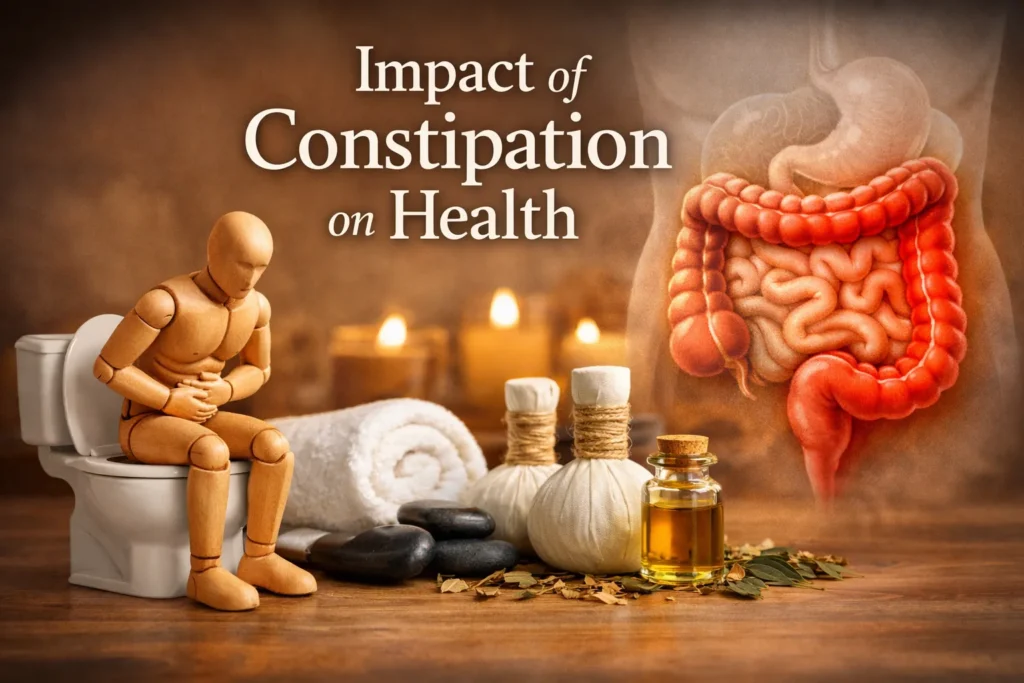
Constipation can reduce daily comfort and energy. Ongoing pain, bloating, and discomfort may impair sleep, work, and mood.
Chronic straining can cause hemorrhoids, anal fissures, or prolapse. These conditions may lead to bleeding, pain, and extra medical care.
Severe, untreated constipation can progress to fecal impaction, where stool hardens and blocks the colon. Impaction often needs medical or procedural treatment.
Constipation can also complicate other health conditions. It may worsen symptoms in people with heart disease, kidney disease, or neurological disorders and can interact with medications used to treat those diseases.
How Massage Supports Constipation Relief
Massage can ease stool movement, relax abdominal muscles, and reduce discomfort. It works through pressure, rhythm, and directed motion that can stimulate the gut and lower stress.
Benefits of Abdominal Massage
Abdominal massage can help increase bowel frequency and make stool easier to pass. It often reduces bloating and abdominal pain by moving gas and easing tight muscles.
Typical benefits include:
- Improved bowel regularity
- Reduced need for laxatives in some people
- Less cramping and bloating
- Better tolerance of bowel movements
Practical advantages for users:
- Self-administered at home with no equipment
- Can be combined with heat, hydration, and fiber changes
- Low cost and low risk when done gently
Physiological Mechanisms
Massage uses mechanical pressure and direction to affect the digestive tract. Gentle clockwise strokes follow the large intestine’s path, helping move stool toward the rectum.
Key physiological effects:
| Mechanism | How it helps |
|---|---|
| Mechanical propulsion | Direct pressure and movement can shift stool and gas along the colon |
| Parasympathetic activation | Gentle touch may boost “rest-and-digest” signals, increasing gut motility |
| Muscle relaxation | Reduces abdominal wall tension that can hinder bowel transit |
| Circulation increase | More blood flow to the intestines supports normal function |
These mechanisms work together. Massage alone may not fix severe motility problems but can support other treatments like diet changes and medications.
Evidence from Clinical Studies
Clinical studies show modest benefits, especially in older adults, people with neurological conditions, and children with chronic constipation. Trials often report increased bowel frequency and reduced laxative use after regular abdominal massage.
What studies found:
- Short-term improvements in stool frequency and ease of passing stool
- Reduced abdominal pain and bloating in several small trials
- Better quality-of-life scores in some patient groups
Limitations in the evidence:
- Many studies are small or lack blinding
- Protocols vary in duration, pressure, and technique
- More large randomized trials are needed to confirm long-term effects
Practical note: clinicians often recommend massage as an adjunct, not a sole treatment, especially when constipation is severe or caused by underlying disease.
Massage Techniques for Constipation
These techniques aim to move stool through the intestines, relax the abdominal muscles, and stimulate bowel contractions. They focus on direction, pressure, and sequence to match the natural flow of the digestive tract.
Clockwise Abdominal Massage
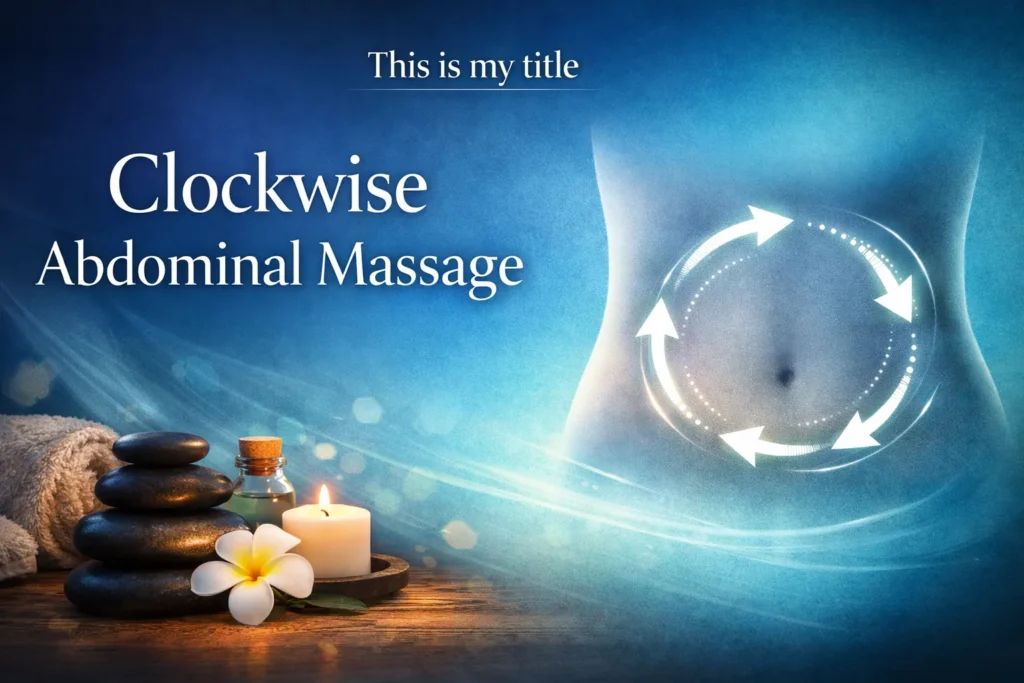
Clockwise massage follows the path of the large intestine. The person lies on their back with knees bent to relax the belly. The therapist or caregiver uses flat palms to apply gentle pressure, starting at the lower right abdomen (ascending colon), moving up toward the ribs, across the belly (transverse colon), and down the left side (descending colon).
Use slow, firm strokes with each pass lasting 5–10 seconds. Repeat the cycle 5–10 times. Keep movements smooth and continuous, always following the clockwise direction to encourage peristalsis. Stop if the person feels sharp pain or severe discomfort.
Ileocecal Valve Massage
The ileocecal valve sits where the small intestine meets the large intestine, near the lower right abdomen. Massaging this area can help release blockages that slow bowel movements. The person should be relaxed and breathing slowly.
Apply gentle, steady pressure with the fingertips in a small circular motion over the lower right quadrant. Use 1–2 minutes of mild pressure, then rest and repeat up to three times. If tenderness increases, reduce pressure or stop. This technique should not replace medical evaluation for persistent pain or suspected obstruction.
Colon Massage Sequence
A simple sequence combines several strokes to move contents along the colon. Start with light effleurage across the lower abdomen to warm tissues. Follow with clockwise stroking along the ascending colon, then short, kneading motions over the transverse colon, and finishing with downward strokes on the descending colon toward the sigmoid.
Perform each step for 30–60 seconds and repeat the full sequence 3–5 times. Maintain a rhythm: warm, move, then clear. Encourage slow, deep breathing during the massage to increase abdominal relaxation and support motility. Avoid massaging over surgical scars, inflamed areas, or during acute abdominal conditions.
Gentle Pressure and Circular Motions
Gentle pressure and circular motions reduce tension and stimulate nerves that control the gut. Use the pads of the fingers or the palm with light to moderate pressure—enough to feel tissue movement but not to cause pain. Small, clockwise circles of 1–2 inches work well.
Start near the navel and expand outward in concentric circles, then follow the colon path. Keep each circle slow and steady for 20–60 seconds. Adjust pressure to the person’s comfort and check in frequently. Do not massage within two hours after a heavy meal or over areas with swelling, bruises, or suspected hernias.
Step-by-Step Guide to Self-Massage
This guide shows how to prepare, how long to massage, and the best body positions to use. It gives clear steps, safety checks, and timing to help the massage push stool through the colon gently.
Preparation and Safety Precautions
They should wash hands and trim nails before starting. Use a small amount of lotion or oil to reduce friction and prevent skin irritation.
Check for warning signs first. Do not massage over a tender, swollen, or bruised abdomen, or if there is fever, unexplained weight loss, or recent abdominal surgery. People with inflammatory bowel disease, aneurysm, or pregnancy should ask a doctor before trying abdominal massage.
Position a pillow under knees for comfort. Start with short, gentle strokes to test sensitivity. If pain increases, stop and contact a healthcare provider. For more safety details, see guidance from NHS or consult a clinician.
Recommended Duration and Frequency
Aim for 5–15 minutes per session. Short daily sessions often work better than long infrequent ones.
Begin with once daily for one to two weeks. If this helps, continue daily or move to every other day. Combine massage with hydration and dietary fiber for best results. Track bowel patterns in a simple diary to note changes and adjust timing.
If constipation persists after two weeks or if symptoms worsen, stop massage and seek medical advice. Clinical studies often pair massage with standard care instead of replacing treatments, so use massage as a supportive therapy.
Best Positions for Effective Massage
Lie on the back with knees bent and feet flat. This relaxes the abdominal wall and makes it easier to reach the colon.
Another good position is lying on the left side with knees slightly drawn toward the chest. Gravity helps move stool from the ascending to the descending colon.
A seated position while leaning slightly forward works if lying down is not possible. Use the “I Love You” stroke pattern: follow the path of the colon—up the right side, across the top, then down the left side—to encourage movement. For step visuals and training, refer to patient guides from reputable hospitals.
Massage for Children and Older Adults
Massage can help ease constipation in both children and older adults when done safely and with the right technique. Caregivers should focus on gentle pressure, correct hand placement, and watching for discomfort or medical warning signs.
Safety Considerations for Children
Use light, steady pressure on the abdomen and avoid deep or rapid kneading. Place the child on their back with knees bent to relax the belly muscles. Start with warm hands and use a small amount of hypoallergenic oil or lotion to reduce friction.
Follow a clockwise motion along the path of the colon: right lower quadrant, up toward the ribcage, across the upper abdomen, then down the left side. Limit sessions to 5–10 minutes, once or twice daily. Stop immediately if the child cries, shows increased pain, has a fever, vomiting, or blood in stool.
Do not massage over recent surgeries, hernias, or known abdominal conditions. For infants, use very gentle strokes and avoid firm pressure near the ribs or pelvis. If constipation is persistent, recurrent, or accompanied by soiling or weight loss, caregivers should contact the child’s pediatrician.
Techniques Adapted for Older Adults
Older adults may have fragile skin, reduced muscle tone, or chronic conditions that change how massage is done. Use softer pressure and slower movements. Avoid pulling or stretching the skin; instead use flat-hand, circular motions.
A seated or reclined position with knees slightly bent eases abdominal tension. Follow the same clockwise colon path: lower right abdomen, up under the ribs, across, and down the left side. Sessions of 8–12 minutes, once daily, are often enough. Combine massage with hydration, dietary fiber, and gentle walking for better results.
Watch for signs of discomfort, bruising, dizziness, or shortness of breath. Avoid massage over bruised areas, varicose veins, recent surgical sites, or if the person is on blood thinners without medical advice. If dementia, limited communication, or frailty is present, proceed very gently and monitor closely.
When to Consult Healthcare Professionals

Seek medical advice if constipation lasts more than two weeks despite home measures or if severe symptoms occur. Contact a clinician for sudden severe abdominal pain, fever, vomiting, blood in stool, or unexplained weight loss. These signs may indicate a more serious condition.
Caregivers should consult a pediatrician for infants and young children with recurrent constipation, painful defecation, or fecal incontinence. For older adults, ask a primary care provider before starting abdominal massage when there are heart problems, recent abdominal surgery, hernias, anticoagulant use, or diagnosed bowel disease.
Bring a clear history of symptoms, medications, and any mobility or cognitive issues to the appointment. A clinician can advise safe techniques, rule out underlying causes, and recommend other treatments like laxatives, physical therapy, or referral to a specialist.
Complementary Approaches to Enhance Results
These methods target bowel movement triggers: diet and fiber change stool bulk and frequency, fluids and activity boost gut motility, and relaxation lowers stress that slows digestion.
Lifestyle and Dietary Changes
They should increase soluble and insoluble fiber gradually. Aim for 20–30 grams of fiber daily from fruits, vegetables, whole grains, beans, and nuts. Start with small increases to avoid gas and bloating.
Include high-fiber choices that act fast: prunes, pears, flaxseed, and bran cereals. A typical serving example: one medium pear (5–6 g fiber) plus 2 tablespoons of ground flaxseed (4–5 g fiber) with breakfast.
Limit constipating foods such as large amounts of dairy, processed foods, and too much meat. Replace refined grains with whole-grain bread or brown rice. Track meals for a week to spot patterns tied to bowel changes.
Hydration and Physical Activity
They keep stool soft and speed transit time. Men generally need about 3.7 liters and women about 2.7 liters of total fluid daily, including water from food; adjust upward in heat or with exercise.
Sip water throughout the day rather than drinking a lot at once. Include warm fluids in the morning; a warm drink can trigger bowel activity for some people.
Add movement: brisk walking 20–30 minutes daily, simple abdominal exercises, or gentle yoga poses like child’s pose and supine twists. Aim for at least 150 minutes of moderate activity per week, and try short walks after meals to stimulate peristalsis.
Relaxation Techniques
Stress slows digestion by activating the sympathetic nervous system. Simple relaxation can restore parasympathetic activity and improve bowel rhythm.
Practice diaphragmatic breathing for 5–10 minutes twice daily. Lie or sit comfortably, inhale slowly into the belly for 4 counts, hold 1–2 counts, and exhale for 6 counts. This calms the gut and can ease discomfort.
Try progressive muscle relaxation or a short guided meditation before bedtime. Combining relaxation with abdominal massage or a warm bath often helps people get results faster and makes bowel movements easier to achieve.
Precautions and When to Avoid Massage
People should check for specific health risks and stop massage if they notice worrying symptoms. Certain conditions make abdominal massage unsafe, and some signs mean medical care is needed right away.
Contraindications for Abdominal Massage
Do not perform abdominal massage if someone is pregnant without first getting approval from a healthcare provider. Pregnancy changes blood flow and organ position, and improper pressure can harm the pregnancy.
Avoid massage after recent abdominal surgery, including C-section, hernia repair, or laparoscopy. Scar tissue and healing tissues can tear or become irritated. Wait until a surgeon or doctor clears physical touch to the area.
Do not massage over known hernias, active infections, or inflamed organs such as appendicitis or diverticulitis. Also avoid if the person has an abdominal aneurysm, blood clotting disorders, or is taking blood thinners; massage can increase bleeding risk.
If the person has severe osteoporosis, recent fractures, or cancer in the abdominal area, get medical approval first. When in doubt, consult the person’s primary care doctor or a specialist before trying abdominal massage.
Signs to Seek Medical Advice
Stop massage and seek medical care for sudden, severe abdominal pain that lasts more than a few minutes. Sharp, worsening pain may indicate appendicitis, bowel obstruction, or other urgent problems.
If massage causes fever, chills, persistent vomiting, or bloody stools, the person should see a clinician promptly. These signs suggest infection, inflammation, or internal bleeding.
Watch for lightheadedness, fainting, or a rapid heart rate during or after massage. These symptoms can indicate a serious reaction needing immediate attention.
If massage increases breathing difficulty, causes new numbness, or produces unexplained swelling, contact emergency services or the person’s doctor without delay. Keep a clear record of symptoms and the timing to share with the healthcare team.
FAQS
What is abdominal massage and how does it help?
Abdominal massage uses gentle pressure and strokes on the belly to stimulate the colon and move stool. It can speed bowel movements and reduce bloating for some people.
How often should someone try massage for constipation?
They can try a daily 5–15 minute routine, especially after meals or when feeling bloated. Consistency helps, but results vary by person.
Is abdominal massage safe for everyone?
Most healthy adults can try it, but people with recent surgery, hernias, pregnancy, inflammatory bowel disease, or severe abdominal pain should avoid it. They should ask a healthcare provider first.
What techniques work best?
Common moves include clockwise circular motions following the colon, gentle kneading, and the ILU sequence (Ileum–Left colon–Uterus area for women). Foot reflexology and full-body relaxation can also help.
How long until someone sees results?
Some notice relief within one session; others need days or weeks of regular practice. Massage often helps short-term but may not fix chronic causes.
When should someone see a doctor?
Seek care if constipation lasts more than two weeks, causes severe pain, vomiting, blood in stool, or weight loss. These may signal a more serious problem.
Are there risks or side effects?
Minor bruising or soreness can occur if pressure is too hard. Stop if pain, dizziness, or increased discomfort happens, and consult a clinician.
Conclusion
Abdominal massage can help some people with constipation by easing tension and encouraging bowel movement. Studies and clinical reports show it may shorten time between bowel movements and improve stool consistency for many users.
It works best when combined with good diet, regular exercise, and proper fluid intake. Techniques vary, and gentle, consistent strokes along the colon path tend to be most effective.
Massage is low-risk for most people but should be avoided after recent abdominal surgery, with certain medical conditions, or if pain is severe. A healthcare provider can advise whether massage is safe and suggest suitable methods.
Practical tips help users get better results: perform massage for several minutes daily, use light oil to reduce friction, and maintain a relaxed breathing pattern. Consistency often matters more than intensity.
Key points at a glance:
- Benefits: may increase bowel movement frequency and comfort.
- Best used with lifestyle changes for lasting effect.
- Safety: consult a clinician if unsure or if symptoms are sudden or severe.
People seeking relief should try simple, gentle massage first and consult a clinician for persistent constipation or if underlying disease is suspected.