QUICK ANSWER


Yes, many people can use body lotion on the face occasionally, but it is not ideal. Body lotions are made for thicker skin and often include fragrance or heavier ingredients that may feel greasy or clog pores on the face. Patch test first, skip it near the eyes, and choose a face moisturizer for regular use.
It’s a familiar moment: your cheeks feel tight, your face cream ran out yesterday, and a big bottle of body lotion is sitting right there. Reaching for it is understandable, and for plenty of people it won’t cause a problem once in a while.
The better question is what you’re putting on skin that behaves differently from the skin on your arms and legs. This guide covers when a quick swap is reasonable, what to check on the label, and what to use instead when the shortcut becomes a habit.
Key Takeaways
- Facial skin is generally thinner and more reactive than body skin, so products made for the body may not suit it.
- Fragrance, rich textures, and active ingredients are the most common reasons a body lotion feels wrong on the face.
- A simple patch test and a plain, fragrance-free formula make an occasional swap lower risk, though never risk-free.
- For daily use, a moisturizer made for the face is usually the better fit.
Why Face Skin and Body Skin Are Treated Differently


Facial skin is exposed to sun, wind, and makeup every day, and it tends to be thinner and more sensitive than skin on the legs or torso. It also has more oil glands in some areas, which is one reason many people deal with clogged pores or breakouts on the face but not on their shins.


Body lotions are built around a different job: covering large areas, feeling comfortable on thicker skin, and often smelling pleasant. Face moisturizers are generally formulated with lighter textures and a smaller surface area in mind. Neither category is guaranteed to behave the same way for every person, so treat the table below as a general pattern, not a rule.
Face Moisturizer vs Body Lotion: General Differences
This comparison shows how the two product types usually differ. Individual products vary, so always read the label.
| Feature | Face Moisturizer | Body Lotion |
|---|---|---|
| Typical texture | Often lighter, designed to sit under sunscreen or makeup | Often thicker or more spreadable for large areas |
| Fragrance | Many fragrance-free options exist | Fragrance is common |
| Pore-related labeling | May say “non-comedogenic” (a marketing term, not a guarantee) | Rarely tested or labeled for the face |
| Sun protection | Some include SPF | Usually none; check the label if SPF is listed |
| Container size | Smaller jars and tubes | Large bottles and pumps |
If you’re curious how lotion and cream differ in general, our guide on the difference between lotion and cream explains why texture matters.
What Can Go Wrong When Body Lotion Goes on Your Face
Most problems come down to a handful of things: scent, texture, and added “extras.” Some people notice nothing at all. Others see redness, stinging, small bumps, or a greasy feel that lingers by the afternoon.


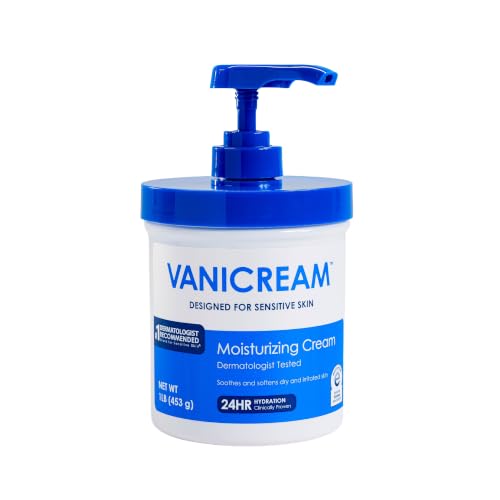
Label Details to Check Before Using It on Your Face
Scan the ingredient list and front label for the items below. This is a general checklist, not a verdict on any single product.
| On the label | Why it matters on the face | Sensible next step |
|---|---|---|
| Fragrance or essential oils | Scents can irritate some people, especially on thinner facial skin | Look for a fragrance-free version |
| Exfoliating acids or “smoothing” claims | Body-strength actives may be too strong for the face | Skip it for the face |
| Menthol, camphor, or “cooling/warming” effects | Can sting near the eyes, nose, and lips | Keep off the face |
| Shimmer, tint, or self-tanner | May streak or stain, and tanning ingredients aren’t meant for the face | Avoid |
| Very rich, buttery texture | May feel heavy and bother people prone to clogged pores | Use a thin layer, or choose a lighter product |
The pattern: the plainer the formula, the lower the chance of surprises. A simple, unscented lotion carries fewer variables than a “spa-scented” one.
Texture Spectrum (illustrative, not research data)
Products vary. Generally, thicker textures sit heavier on the skin.
When It’s Okay as a Short-Term Fix
For many adults with non-sensitive skin, a thin layer of a plain, fragrance-free body lotion on the cheeks and forehead for a night or two is unlikely to be a big deal. Think of it as a bridge until you can get a proper face moisturizer, not a long-term plan.
Reasonable Uses
- Plain, unscented formula
- Thin layer on cheeks and forehead
- One or two nights while traveling
- Skin that rarely reacts to products
Heads-Up: Better to Avoid
- Scented, shimmery, or tinted lotions
- Products with exfoliating acids
- Eyelids, lips, or broken skin
- Skin that is already irritated or breaking out
Who Can Try It and Who Should Be Careful
Skin is individual, so this table points to general cautions rather than predictions.
| Skin situation | General guidance |
|---|---|
| Normal or dry, rarely reactive | An occasional plain lotion is usually a low-stakes choice after a patch test |
| Oily or breakout-prone | A rich body lotion may feel heavy; a lightweight face product is often a better match |
| Sensitive, eczema-prone, or rosacea-prone | Check with a dermatologist or clinician before swapping products |
| Pregnant or postpartum | Check ingredient lists with your clinician, especially for actives |
| Babies and children | Ask a pediatrician before using any product on a child’s face |
How to Try It More Safely
If you decide to use body lotion on your face anyway, a few small habits lower the odds of a reaction. A patch test is the most useful one, and it takes about a day.
Simple Patch-Test Timeline
Step 1
Dab a small amount on your inner forearm.
Step 2
Wait about 24 hours and watch for redness or itching.
Step 3
If the skin looks calm, try a thin layer on one cheek.
Step 4
Stop if you notice stinging, burning, or swelling.
Correct Use vs Common Mistakes
Most issues come from how the lotion is used, not only which one is chosen.
| Better habit | Common mistake |
|---|---|
| Apply a thin layer to clean, slightly damp skin | Slathering on a thick coat |
| Keep it away from eyes, lips, and eyelids | Smoothing it right up to the lash line |
| Wash hands first and use a clean scoop or pump | Dipping dirty fingers into a jar |
| Use sunscreen made for the face during the day | Assuming body lotion replaces facial sun protection |
| Switch back to a face product when you can | Making a body lotion your everyday face routine without checking how your skin responds |
Quick Decision Path
- Is the lotion fragrance-free and plain? If not, skip it for your face.
- Is your skin irritated, broken, or prone to reactions? If yes, skip it and ask a clinician.
- Did a patch test stay calm? If yes, a thin layer on cheeks and forehead is a reasonable stopgap.
- Need it more than a couple of days? Move to a face moisturizer.
Better Options for Everyday Face Moisturizing
If you’re reaching for body lotion often, a dedicated face product is usually worth the small extra step. Our guides on what to look for in a moisturizer, how much to use on your face, and how often to moisturize can help you build a simple routine.
Face Moisturizer Types Compared
These are product types, not specific recommendations. Check each manufacturer’s current ingredient list and directions before buying.
| Type | Often suits | Trade-off | Browse |
|---|---|---|---|
| Fragrance-free face moisturizer | People wanting a plain daily option | Texture varies by brand | Check current details on Amazon |
| Lightweight gel moisturizer | Those who dislike a heavy feel | May feel less rich on very dry skin | Check current details on Amazon |
| Ceramide face cream | People with dry-feeling skin | Creamier than gels; check the full ingredient list | Check current details on Amazon |
| Face moisturizer with SPF | Simplifying a morning routine | Follow label directions for sun protection | Check current details on Amazon |
| Travel-size face moisturizer | Trips, gym bags, backup supply | Small containers run out quickly | Check current details on Amazon |
Common Situations and What to Do
Here’s how the decision may play out in everyday life.
| Situation | Practical next step |
|---|---|
| Out of face cream for a night | Use a plain, unscented lotion thinly after a patch test |
| Winter tightness on cheeks | Try a gentle face cream; see our winter hydration tips |
| New bumps after using body lotion | Stop using it and switch to a lighter face product |
| Stinging, swelling, or a rash | Rinse gently, stop use, and contact a clinician if it persists |
Safety Note
Stop using any product that causes pain, burning, swelling, or a spreading rash. Keep lotions away from your eyes and any broken or irritated skin.
If you have a skin condition, are pregnant or postpartum, or are choosing for a child, check with a dermatologist or other qualified healthcare professional first.
Frequently Asked Questions
Is it okay to use body lotion on your face once in a while?
For many people with non-sensitive skin, an occasional dab of a simple, fragrance-free body lotion is unlikely to cause problems. It is still a stopgap rather than a long-term routine, and you should avoid the eye area and stop if your skin stings, burns, or turns red.
Can body lotion cause breakouts on the face?
It can for some people. Heavier textures and certain added ingredients may feel too rich on facial skin, especially if you are prone to clogged pores. Reactions vary, so a patch test and a switch to a lighter face moisturizer are sensible steps if you notice new bumps.
Does body lotion with SPF work as facial sunscreen?
Not necessarily. Check the label for whether the product is intended for the face, and follow its directions. Many people prefer a product made and labeled for facial use, and a dermatologist can answer questions about sun protection.
Can I use face moisturizer on my body?
Generally yes, but face products usually come in smaller containers, which may not go far on large areas. A fragrance-free body lotion is often a more practical everyday choice for arms and legs.
Is it okay to put body lotion on a child’s face?
Children’s skin can be more sensitive, so ask your pediatrician before using any product on a child’s face.
When should I talk to a dermatologist?
If you have acne, eczema, rosacea, or another skin condition, or if redness, stinging, swelling, or a rash appears after using a product, check with a dermatologist or other qualified clinician. Dryness that doesn’t improve with a gentle routine is also worth discussing.
Final Thoughts
Body lotion on your face isn’t a disaster for many people, but it isn’t designed for the job. The simplest rule is to keep it occasional, plain, and patch tested, then switch to a face moisturizer once you need something regular.
Your skin is the best guide. If it feels calm, great; if it stings, itches, or breaks out, stop and reassess. For ongoing concerns, a dermatologist or other qualified healthcare professional can give advice that fits you.