
By Ryan Mitchell
Last updated: October 27, 2026
Quick Answer
Practicing gratitude can help reduce anxiety for many people by redirecting attention away from worry, activating the body’s calming response, and gently shifting everyday thought patterns. It is a low-effort habit, not a cure, and works best alongside other supportive routines and professional care when needed.
Anxiety often pulls attention toward what might go wrong. Gratitude does the opposite: it invites you to notice what is already steady, helpful, or meaningful. Over time, that shift can make space for a calmer state of mind. This guide explains the practical mechanisms, simple ways to practice, realistic limits, and how to build a sustainable routine.
Key Takeaways
- Gratitude may help interrupt worry cycles by focusing attention on present positives.
- It can support the body’s rest-and-digest response and lower the intensity of stress signals for some people.
- Short, consistent practices (a few minutes most days) tend to be more useful than occasional long sessions.
- It is a complementary habit, not a replacement for professional support when anxiety is intense or persistent.
What Gratitude Practice Actually Means
Gratitude practice is the deliberate act of noticing and appreciating people, experiences, or conditions that support your well-being. It is not forced positivity or ignoring real problems. It is a brief, intentional pause to register what is working or what feels supportive right now.
Common forms include writing three good things at the end of the day, mentally thanking someone who helped you, or taking a quiet moment to feel appreciation for a small comfort. The key is consistency and sincerity rather than volume or perfection.
Noticing
Spot something ordinary that feels supportive today.
Naming
Put the specific detail into words, spoken or written.
Feeling
Pause long enough to register the sense of appreciation.
How Gratitude May Reduce Anxiety
Anxiety often involves repetitive future-focused worry and a heightened threat response. Gratitude works in several complementary ways that researchers and clinicians have explored.
1. Attention shift away from threat
Worry narrows focus toward potential problems. Gratitude deliberately widens attention toward what is present and supportive. You cannot fully inhabit both states at the same intensity in the same moment. Regular practice can make the positive-focus pathway easier to access when anxiety rises.
2. Support for the calming nervous-system branch
Stress activates the sympathetic “fight-or-flight” system. Moments of genuine appreciation are linked with increased activity in the parasympathetic “rest-and-digest” system for many people. This can show up as slower breathing, reduced muscle tension, or a quieter sense of urgency. The effect is usually modest and temporary at first; consistency matters.
3. Reduction in repetitive negative thinking
Repetitive negative thinking (rumination and worry) fuels anxiety. Gratitude exercises that ask you to list specific positives can interrupt that loop. Some studies of brief gratitude interventions have found reductions in self-reported worry and anxiety symptoms, though effect sizes are often small to moderate and vary by person and method.
4. Gentle mood and perspective changes
Noticing good things can support the release of neurotransmitters associated with positive mood in some research contexts. Over weeks, people who keep a simple gratitude practice sometimes report a broader sense of what is going right, which can make daily stressors feel more manageable.
| Mechanism | What it may do | Practical note |
|---|---|---|
| Attention shift | Moves focus from worry to present positives | Works best when the items are specific |
| Nervous-system calm | May support rest-and-digest activity | Pair with slow breathing for added effect |
| Less rumination | Interrupts repetitive negative loops | Evening lists are popular and often preferred |
| Mood support | Can lift baseline positivity over time | Effects are usually gradual, not instant |
These pathways are interrelated. Most people notice the attention-shift benefit first.

Simple Ways to Practice Gratitude for Anxiety Relief
Choose one method and stay with it for two to three weeks before judging results. Complexity is rarely helpful at the start.
Starter Routine (5–7 minutes)
- Sit somewhere quiet for one minute and take three slow breaths.
- Write or say three specific things that felt supportive today (a conversation, a meal, a moment of ease).
- For each item, add one short reason why it mattered.
- Close by noticing how your body feels for ten seconds.
Three Good Things (evening version)
Before bed, list three events or details from the day that you appreciate. Vary the categories across days—people, sensory comforts, small accomplishments, or acts of care—to keep the practice fresh. Many people find the evening timing natural because it closes the day on a constructive note.
Mental gratitude check-ins
When worry spikes during the day, pause and name one concrete thing that is okay right now: the chair supporting you, clean water, a person who cares. Keep it brief and factual. This is especially useful when writing is not practical.
Gratitude letter or message
Occasionally write a short note to someone who has helped you, even if you do not send it. The act of composing the message itself can shift emotional tone for some people.
| Practice | Time needed | Best for |
|---|---|---|
| Three Good Things | 3–5 minutes | Evening wind-down, habit building |
| Mental check-in | 30–60 seconds | Midday anxiety spikes |
| Gratitude letter | 10–15 minutes | Deeper relational reflection |
| Shared gratitude | 2–3 minutes | Family or partner check-ins |
Building a Realistic Routine
Consistency beats intensity. Aim for most days rather than a perfect streak. Pair the practice with an existing habit—after brushing teeth, while the kettle boils, or just before lights out.
Week 1–2
Focus only on showing up. Three items, no pressure for profound insights.
Week 3–4
Notice whether the practice feels easier or if certain times of day work better.
Ongoing
Keep or adjust. Some people prefer morning; many prefer evening.
| Common obstacle | Helpful adjustment |
|---|---|
| “Nothing good happened” | List tiny sensory or practical items (warm water, a soft chair) |
| Feels forced or fake | Keep entries factual and short; skip the “feel grateful” demand |
| Forgetting | Attach it to an existing habit and keep the notebook visible |
| Comparing to others | Focus only on your own day; no social-media version needed |
Who May Benefit and Who Should Be Cautious
Many people with everyday worry or mild-to-moderate anxiety find gratitude practices useful as one tool among others. People already using mindfulness or relaxation training often report that gratitude fits naturally alongside those habits.
If anxiety is severe, persistent, or interfering with daily life, professional evaluation is important. Gratitude is not a substitute for therapy, medication, or other evidence-based care when those are indicated. If writing about positive things currently feels impossible or increases distress, pause and speak with a qualified clinician.
| Situation | Suggestion |
|---|---|
| Everyday worry or tension | A short daily practice is often a reasonable starting point |
| High stress periods | Keep entries very short and concrete |
| Clinical anxiety diagnosis | Use as a complement only; follow clinician guidance |
| Grief or acute crisis | Forced gratitude can feel invalidating; prioritize support first |
Safety Note
If anxiety includes panic attacks, thoughts of self-harm, or significant impairment, contact a healthcare professional or crisis resource promptly. Gratitude practice is a wellness habit, not emergency care.
Pairing Gratitude with Other Calm Habits
Gratitude works well next to gentle physical and mental routines. A short evening list after a few minutes of slow breathing or light self-massage can create a cohesive wind-down. Readers interested in complementary approaches may find related guidance in our wellness massage at home routine and practical notes on stress relief considerations during pregnancy.
| Habit pairing | Possible benefit |
|---|---|
| Slow breathing + gratitude list | Combines physiological calm with cognitive shift |
| Short walk + mental check-in | Movement plus present-moment noticing |
| Journal + consistent bedtime | Supports both reflection and sleep routine |
Illustrative Complexity Meter (not research data)
Three Good Things — simple
Gratitude letter — moderate
Tools That Can Support the Habit
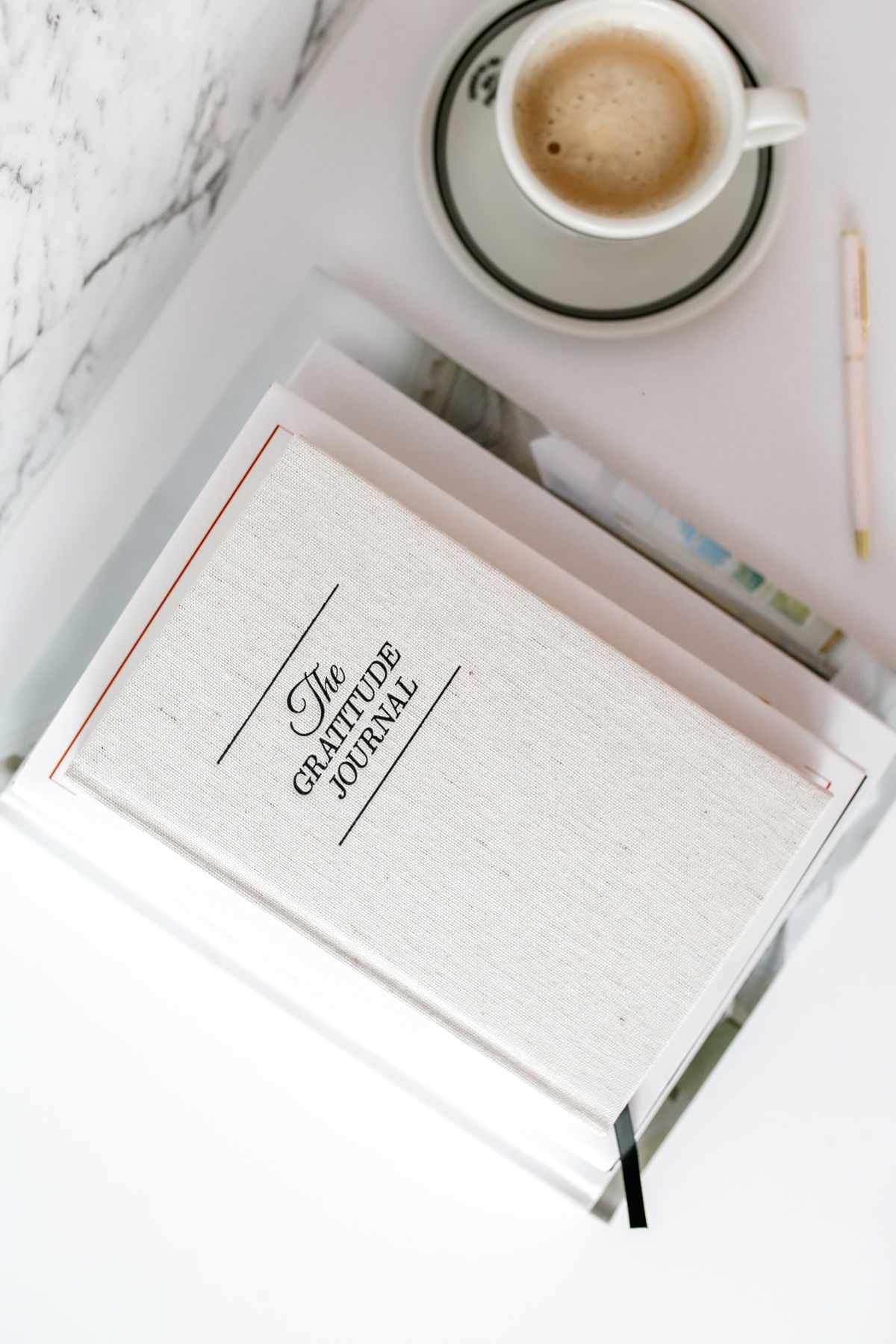
A plain notebook or a dedicated gratitude journal can make the practice more consistent. Any paper or notes app works. If you prefer a structured format, look for journals with simple daily prompts rather than elaborate systems that feel burdensome.
You can browse current options for gratitude journals on Amazon and choose based on layout, size, and paper quality that feel comfortable for you. Check current details on the product page before purchasing.
| Format | Advantage | Watch-out |
|---|---|---|
| Blank notebook | Maximum flexibility | Requires self-structure |
| Prompted journal | Reduces decision fatigue | Some layouts feel rigid |
| Phone notes | Always available | Screen time may interfere with wind-down |
Decision Path: Choosing a Starting Method
Prefer writing? → Three Good Things at night.
Prefer no writing? → Mental check-in during daily transitions.
Want deeper reflection once a week? → Occasional gratitude letter.
Realistic Expectations and Limitations
Research on gratitude interventions generally shows small to moderate average effects on anxiety and related symptoms. Individual results vary widely. Some people notice a calmer evening within a week; others need longer or find limited change. Gratitude does not eliminate the causes of anxiety or replace needed clinical care.
It also does not require pretending that difficult circumstances are fine. The most sustainable version simply adds a few accurate positives alongside the full reality of a day.
Frequently Asked Questions
How long does it take for gratitude practice to help with anxiety?
Is gratitude better in the morning or evening for anxiety?
Can gratitude make anxiety worse?
Do I need a special journal?
How is gratitude different from positive thinking?
Should children or teens practice gratitude for anxiety?
Final Thoughts
Practicing gratitude offers a practical, low-cost way to interrupt worry loops and support a calmer nervous system for many people. The most useful approach is short, specific, and repeatable. Start with three concrete items most evenings, notice how your attention and body respond over a few weeks, and adjust without pressure for perfection.
Keep expectations realistic. Gratitude is one helpful habit among many; it works best when paired with sleep, movement, social connection, and professional care when anxiety is significant. If symptoms persist or intensify, speak with a qualified healthcare professional.

