
By Ryan Mitchell
Last updated: October 27, 2026
Quick Answer
Weighted blankets apply steady, gentle pressure that many people experience as calming. This deep pressure may support a shift toward the body’s rest-and-digest response, which can lower the physical intensity of anxious feelings for some users. Results vary, and they are a comfort tool—not a treatment.
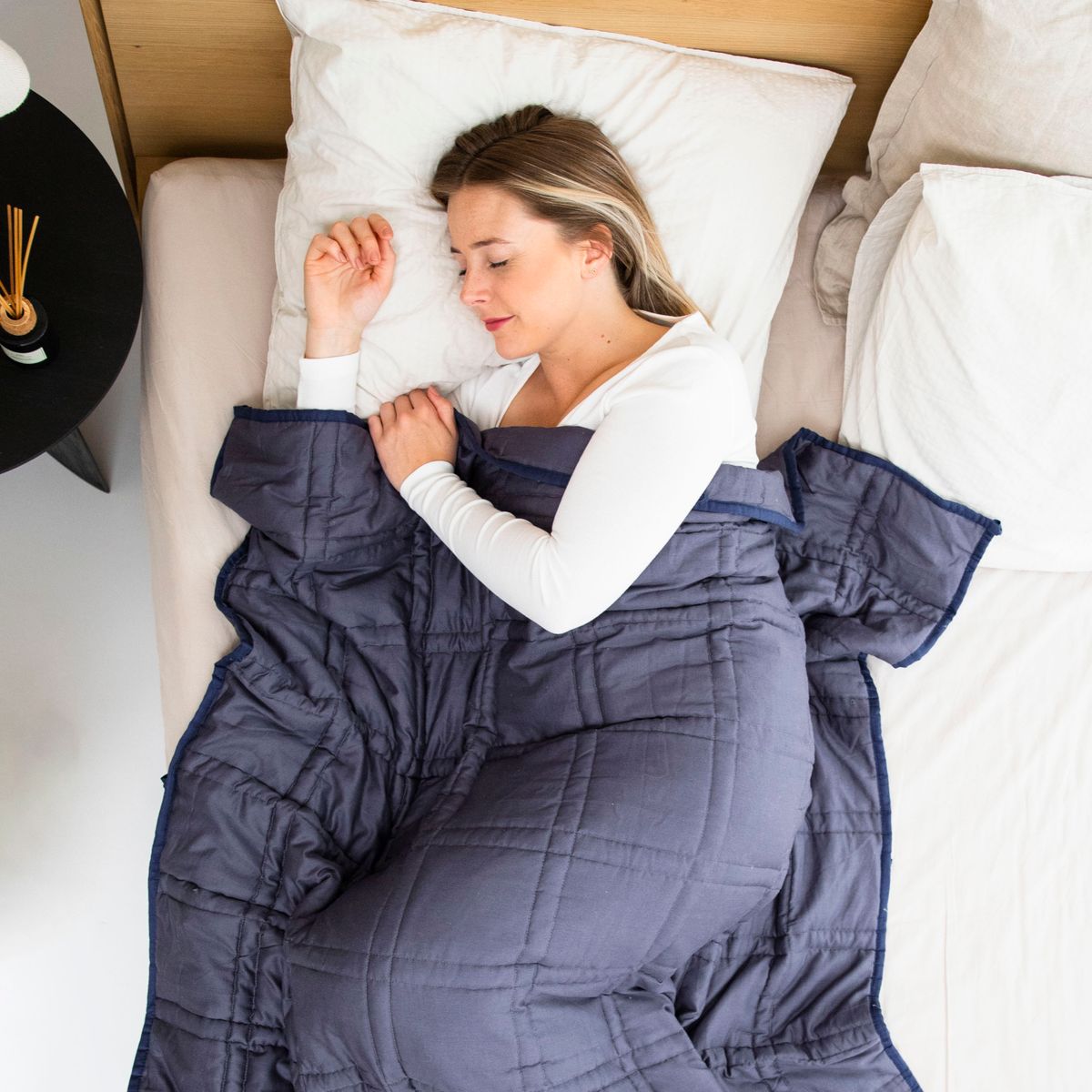
When anxiety shows up as a racing heart, tight shoulders, or restless energy, the body is often stuck in a high-alert state. A weighted blanket offers even, distributed pressure that can feel like a firm, steady hug. Many people find this grounding sensation helps them settle enough to rest or fall asleep more easily.
This guide explains the simple mechanism behind that feeling, who tends to benefit, practical weight and fabric choices, safety limits, and how to use one without overpromising results.
Key Takeaways
- Deep pressure from a weighted blanket may encourage parasympathetic (rest-and-digest) activity and reduce the physical edge of anxiety for some people.
- A common starting weight is about 10% of body weight; start lighter if you are new to the sensation or sleep on your side.
- They are generally considered safe for healthy adults who can remove the blanket independently; extra caution applies to young children, pregnancy, and certain medical conditions.
- Use them as a short-term comfort tool alongside other healthy habits, not as a substitute for professional care when anxiety is persistent or severe.
How Weighted Blankets May Influence Anxiety
Anxiety often activates the sympathetic nervous system—the same system that prepares the body for action. Heart rate rises, breathing can become shallow, and muscles stay tense. Weighted blankets deliver what is commonly called deep pressure stimulation: firm, distributed weight across the body.
This pressure is thought to support a shift toward parasympathetic activity (the rest-and-digest side). Some people notice slower breathing, a quieter heart rate, and a greater sense of physical containment. The sensation is frequently compared to a steady hug or the feeling of being held.
Research on weighted blankets is still developing. Small studies and reviews in clinical and acute-care settings have reported reductions in self-reported anxiety for some participants. Effects are often modest and more consistent for short-term or situational use than as a long-term “cure.” Individual responses differ widely.
1. Pressure signal
Even weight activates pressure receptors and body-position awareness.
2. Autonomic shift
May encourage rest-and-digest activity and ease fight-or-flight intensity.
3. Subjective calm
Many users report feeling more grounded, settled, or ready for rest.
What the Research Currently Suggests
Reviews of studies involving psychiatric patients and people in high-stress medical situations (such as infusions or inpatient settings) have found small-to-moderate reductions in self-reported anxiety when weighted blankets were used compared with no blanket or lighter options. Some participants also showed lower physiological arousal markers.
Evidence for everyday anxiety in healthy adults is more limited and mixed. Many people still report subjective comfort and better wind-down routines. The blankets do not remove the source of worry and are not a substitute for therapy, medication, or other care when anxiety interferes with daily life.
What Research Notes vs. Everyday Experience
A practical comparison of study findings and common user reports.
| Aspect | Research notes | Everyday experience |
|---|---|---|
| Anxiety reduction | Small-to-moderate drops in self-reported scores in some clinical settings | Many feel calmer or more contained within 10–30 minutes |
| Sleep | Some studies show better sleep metrics or less medication use | Helpful for winding down; not guaranteed for chronic insomnia |
| Safety | Generally well-tolerated when users can remove the blanket | Most healthy adults report comfort; overheating is a common complaint |
| Limitations | Small samples, short durations, self-report bias | Effects fade for some; not a fix for underlying stressors |
Interpretation: Expect possible short-term comfort rather than dramatic or permanent change.
Who May Find Weighted Blankets Helpful
People who describe anxiety as physical—restlessness, muscle tension, or difficulty settling at bedtime—often report the most noticeable benefit. Those who like firm pressure or the feeling of being “tucked in” also tend to adapt quickly.
Weighted blankets have been explored in settings involving ADHD, autism-related sensory needs, and acute stress. Results remain individual. If you have a diagnosed condition, discuss any new tool with your clinician so it fits your overall plan.
Who It May Suit vs. Who Should Be Cautious
Use this as a general orientation, not medical advice.
| May suit | Extra caution or avoid |
|---|---|
| Healthy adults who can easily remove the blanket | Infants and young children (especially under age 3 or unable to remove it) |
| People seeking a non-drug wind-down aid | Respiratory issues, sleep apnea, or circulatory concerns—check with a clinician |
| Those who enjoy firm, even pressure | Claustrophobia or strong dislike of weight on the body |
| Side or back sleepers who adjust weight carefully | Limited mobility or inability to reposition independently |
When in doubt, start with a lighter weight and shorter sessions while awake.
Simple decision path
Want physical grounding?
Try a weighted blanket for 15–20 minutes while resting.
Prefer light covers?
Consider a lighter throw or other calm routines first.
Medical questions?
Talk with a healthcare professional before buying.
Choosing the Right Weight and Features
A widely used starting point is roughly 10% of body weight. A 150-pound person might begin with a 15-pound blanket; a 200-pound person with a 20-pound option. Many people settle somewhere between 5% and 12%. Side sleepers and first-time users often prefer the lighter end of the range.
Glass beads are common because they distribute evenly and stay relatively cool. Cotton or bamboo covers improve breathability for hot sleepers. Look for small internal pockets that keep the fill from shifting and a removable, washable cover when possible.
Starting Weight Guide (Approximate)
These are common consumer guidelines, not clinical prescriptions.
| Body weight | ~10% starting point | Common sizes to consider |
|---|---|---|
| 120–140 lb | 12–14 lb | 12 or 15 lb |
| 150–170 lb | 15–17 lb | 15 lb |
| 180–200 lb | 18–20 lb | 20 lb |
| 210–230 lb | 21–23 lb | 20 or 25 lb |
If you are between sizes or new to weighted blankets, start lighter.
Feature Checklist for Anxiety-Focused Use
Practical features that support comfort and consistent pressure.
| Feature | Why it matters | What to look for |
|---|---|---|
| Fill type | Affects temperature and evenness | Glass beads in small pockets |
| Cover fabric | Breathability and skin comfort | Cotton or similar breathable material |
| Size | Should cover the body without hanging heavily off the bed | Match bed size or use a throw for couch use |
| Care | Easier maintenance encourages regular use | Removable cover or machine-washable design |
Product Types Worth Considering
If you decide a weighted blanket fits your needs, common options include cotton-covered glass-bead blankets in 15–20 lb ranges for adults and lighter throws for daytime use. Check current details and sizing on Amazon.
How to Use a Weighted Blanket for Everyday Calm
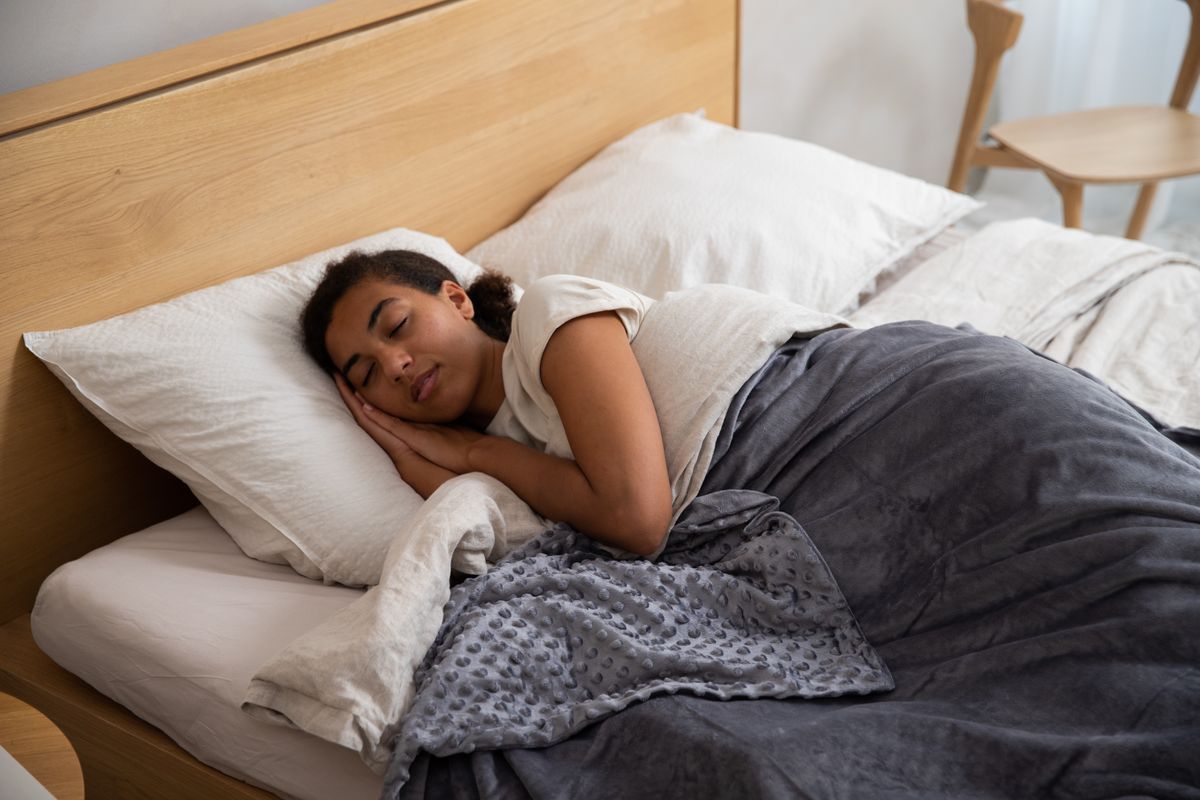
Start while you are awake. Place the blanket over your torso and legs (never over the face or neck) and rest for 15–30 minutes. Pair it with slow breathing or a quiet activity. Many people later move to bedtime use once the sensation feels familiar.
Keep the room cool enough that the added insulation does not cause overheating. If you wake feeling restricted, switch to a lighter option or use the blanket only for the first part of the night.
A simple first-week routine
- Day 1–2: 15 minutes on the couch or bed while reading or listening to calm audio.
- Day 3–4: Extend to 20–30 minutes if comfortable; notice temperature and ease of movement.
- Day 5–7: Try the first half of the night if the daytime sessions felt grounding.
- Ongoing: Keep using it only when it feels helpful; skip nights when it feels heavy or warm.
Correct Use vs. Common Mistakes
Small adjustments often make the difference between comfort and frustration.
| Helpful approach | Common mistake |
|---|---|
| Start with short, awake sessions | Using a heavy blanket all night on the first try |
| Keep head and neck free | Pulling the blanket over the face |
| Choose breathable fabric if you run hot | Assuming thicker always equals better calm |
| Stop if you feel restricted or short of breath | Pushing through discomfort to “get used to it” |
Safety Notes and When to Check With a Professional
Weighted blankets are generally considered appropriate for healthy adults who can remove them without help. They are not recommended for infants or very young children because of entrapment and suffocation risk. Older children should only use one under supervision and when they can independently push it off.
People with respiratory conditions, circulatory problems, limited mobility, or who are pregnant should talk with a qualified healthcare professional before use. The same applies if you take medications that affect alertness or if you have open wounds or recent surgery in areas the blanket would cover.
SAFETY NOTE
Never use a weighted blanket as a restraint. Keep the face and airway clear. Stop immediately if you feel dizzy, short of breath, or unusually restricted. When pregnancy, childhood use, or medical conditions are involved, check with a clinician first. For broader pregnancy-related calm options, see our guide on stress relief safety during pregnancy.
Generally suitable when
- You can remove the blanket yourself
- You want short-term physical grounding
- Room temperature is comfortable
Extra care or avoid when
- Young children or infants are involved
- Breathing or circulation issues exist
- Mobility or alertness is limited
Care and Storage Basics
Simple habits that keep the blanket comfortable and usable longer.
| Task | Practical tip |
|---|---|
| Washing | Follow the label; many covers wash cold; some inserts need gentle cycles or spot cleaning |
| Drying | Low heat or air dry; high heat can damage beads or fabric |
| Storage | Fold or roll; avoid crushing under heavy items for long periods |
| Inspection | Check seams periodically so fill does not leak |
Complementary Calm Habits
A weighted blanket works best as one part of a larger wind-down approach. Slow breathing, a consistent bedtime, dim lighting, and short movement breaks during the day can support the same rest-and-digest shift. Gentle self-massage of the neck and shoulders may also ease physical tension for some people; see our wellness massage at home routine for a simple sequence.
If it does not feel right
Too heavy
Switch to a lighter size or use only over the legs.
Too warm
Choose a cotton cover and lower room temperature.
Still restless
Pair with breathing or talk with a professional about broader support.
FAQ
Do weighted blankets actually reduce anxiety?
Some studies and many user reports show reduced self-reported anxiety, especially in short sessions. Effects are usually modest and not universal. They may help the physical side of anxious feelings but do not address underlying causes.
How long should I use a weighted blanket for anxiety?
Start with 15–30 minutes while awake. Many people later use it for part or all of the night if it feels comfortable. There is no single required duration—stop when it no longer feels helpful.
Can I use a weighted blanket every night?
Healthy adults who tolerate the weight well often do. If you wake hot, restricted, or restless, use it only on higher-anxiety nights or switch to a lighter option.
Are weighted blankets safe during pregnancy?
Evidence is limited. Some people use lighter blankets after checking with their prenatal provider. Avoid anything that restricts movement or causes overheating, and get personalized advice first.
What if a weighted blanket makes me feel more anxious?
Stop using it. Some people find the pressure confining. Lighter covers, progressive muscle relaxation, or other sensory tools may suit you better.
Should children use weighted blankets for anxiety?
Not for infants or very young children. For older children, only under supervision, with a weight appropriate for their size, and only if they can remove the blanket independently. Consult a pediatric clinician or occupational therapist when in doubt.
Final Thoughts
Weighted blankets offer a simple form of deep pressure that many people experience as calming. The mechanism centers on steady sensory input that may support a shift away from high-alert physiology. Results are individual and usually modest.
Choose a weight near 10% of body weight (or lighter at first), prioritize breathable materials, and keep the face clear. Use the blanket as a comfort tool within a broader routine of rest, movement, and support—not as a standalone solution for ongoing anxiety.
If anxiety is intense, persistent, or interfering with daily life, speak with a qualified healthcare professional. A weighted blanket can be a helpful addition for some people, but it works best when safety and realistic expectations come first.

