
By Ryan Mitchell
Last updated: October 27, 2026
Quick Answer: Mindfulness techniques for increasing patience train you to notice rising frustration, pause, and choose a calmer response. Short daily practices—breath awareness, body scans, and present-moment grounding—build this skill over time without forcing results.
Waiting in traffic, dealing with slow responses, or managing everyday delays can quickly test anyone’s calm. Mindfulness techniques for increasing patience offer practical ways to notice impatience as it arises and respond with more steadiness. These approaches do not promise instant change. They simply give you tools to create a little space between a trigger and your reaction.
This guide walks through clear techniques you can try today, how to fit them into ordinary routines, and what to expect as the skill develops. The focus stays on realistic habits that support everyday comfort and emotional balance.
Key Takeaways
- Patience grows through repeated, short moments of noticing rather than long forced sessions.
- Breath awareness and simple grounding techniques help interrupt automatic reactions.
- Daily life offers natural practice opportunities—lines, traffic, and waiting for replies.
- Results vary; consistency matters more than perfection or intensity.
Why Mindfulness Supports Patience
Impatience often shows up as a quick surge of tension, racing thoughts, or an urge to push through a delay. Mindfulness brings attention to the present moment without immediately trying to fix or escape it. Over time, this awareness can soften the automatic pull toward irritation.
Many people notice that the same situations that once felt unbearable begin to feel more manageable once they practice pausing. The goal is not to eliminate frustration entirely. It is to respond to it with a bit more choice and less automatic reactivity.
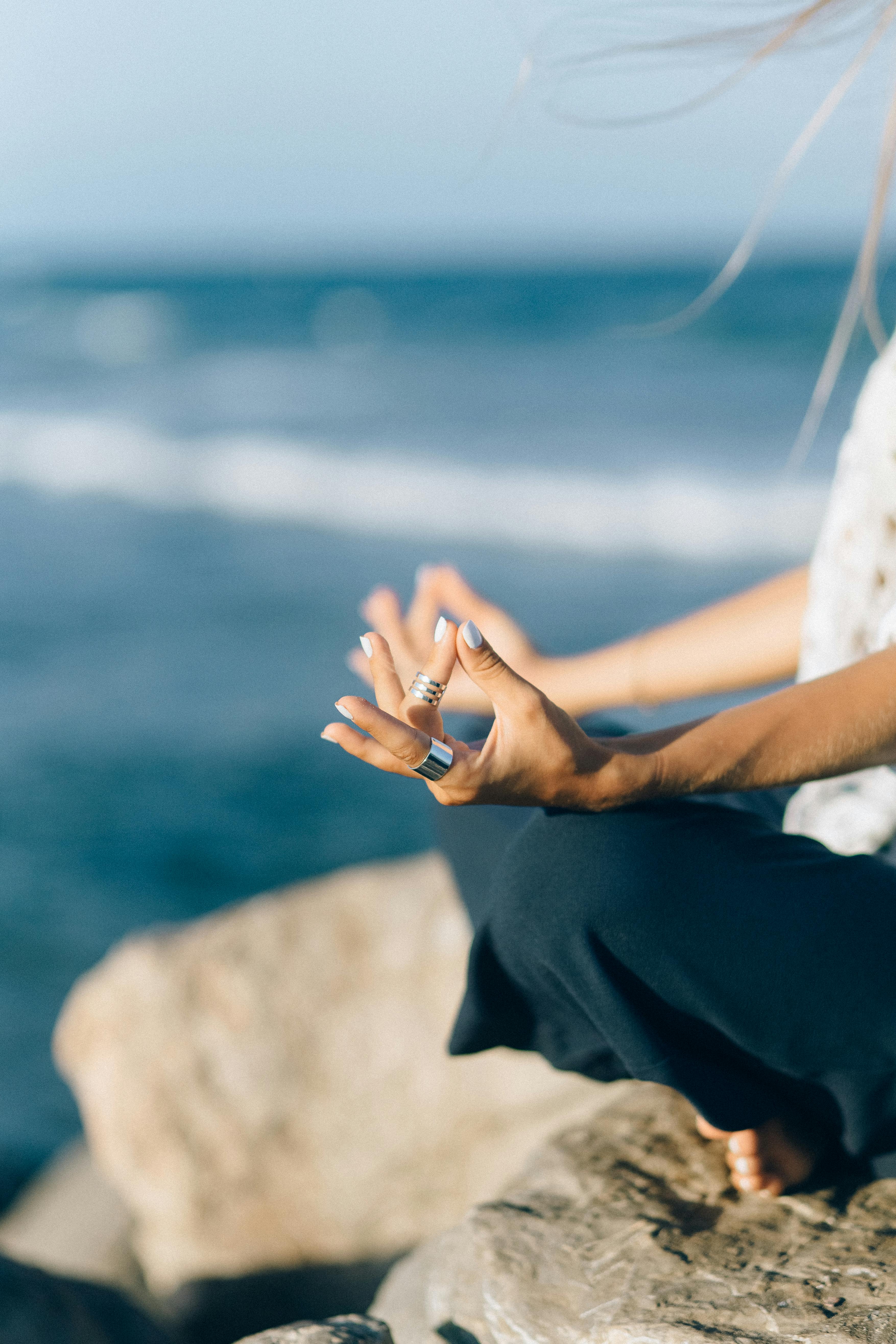
Core Mindfulness Techniques for Increasing Patience
These techniques work best when practiced briefly and often. Start with one or two that feel natural and build from there.
1. Breath Awareness Pause
When you feel impatience rising, bring attention to the physical sensation of breathing for three to five cycles. Notice the air moving in and out without changing the breath at first. Then, if it feels helpful, lengthen the exhale slightly.
This simple shift can interrupt the mental story that something must happen right now. It is portable and works in almost any setting—waiting rooms, traffic, or while standing in line.
How to Practice the Breath Awareness Pause
Step 1
Notice the urge to rush or react.
Step 2
Feel three natural breaths fully.
Step 3
Continue with the next natural action.
2. Body Scan for Restlessness
Impatience often lives in the body—tight shoulders, clenched jaw, or restless legs. A brief body scan helps you locate and soften these signals.
Start at the top of the head and move attention slowly downward. Pause wherever you notice tension. Breathe into that area for one or two breaths without forcing relaxation. Even 60–90 seconds can create a noticeable shift.
3. 5-4-3-2-1 Grounding
This sensory technique pulls attention out of racing thoughts and into the present environment. Name five things you can see, four you can touch, three you can hear, two you can smell, and one you can taste or notice internally.
It works especially well in public places or when waiting feels endless. The structure gives the mind a clear task instead of spinning on how long something is taking.
| Sense | What to Notice | Example in a Waiting Line |
|---|---|---|
| See (5) | Colors, shapes, movement | Signage, clothing colors, floor patterns |
| Touch (4) | Texture, temperature, pressure | Feet on floor, fabric on skin, phone in hand |
| Hear (3) | Sounds near and far | Conversations, HVAC, footsteps |
| Smell (2) | Scents in the air | Coffee, cleaning products, outdoor air |
| Taste / Internal (1) | Taste or inner sensation | Breath, residual taste, or body temperature |
This table offers a practical sequence many people find useful when impatience builds quickly.
4. Labeling the Feeling
Simply naming the experience—“This is impatience” or “Restlessness is here”—can reduce its intensity. The label creates a small gap between you and the emotion.
Avoid adding judgment such as “I shouldn’t feel this.” Neutral labeling is usually more helpful. After naming, return attention to the breath or the next task.
5. Mindful Waiting Practice
Treat ordinary delays as deliberate practice opportunities. When you find yourself waiting—for a microwave, an elevator, or a webpage to load—choose to stay present instead of reaching for a distraction.
Notice the urge to fill the time. Then gently bring attention back to the body or the environment. These micro-practices accumulate and make formal sessions feel more natural.

Building a Simple Daily Routine
Consistency matters more than length. Many people find that two or three short practices spread across the day work better than one long session that feels like a chore.
| Time of Day | Suggested Practice | Duration |
|---|---|---|
| Morning | Seated breath awareness | 3–5 minutes |
| Midday transition | Body scan or grounding | 1–2 minutes |
| Any waiting moment | Mindful waiting or labeling | 30–90 seconds |
| Evening | Short reflection on one moment of patience | 1–2 minutes |
Adjust the schedule to fit your actual day. The best routine is the one you will keep.
Sample Mini-Routine for Busy Days
Start of day
Three conscious breaths before checking devices.
Transition points
One body-scan breath when switching tasks.
End of day
Note one time you paused instead of reacting.
Common Challenges and Practical Adjustments
Most people encounter similar obstacles when building these habits. Recognizing them early makes adjustments easier.
| Challenge | What Often Helps | What to Avoid |
|---|---|---|
| Mind wanders constantly | Gently return attention; treat it as practice | Judging yourself for “failing” |
| Feeling too restless to sit | Try standing or walking mindfulness | Forcing long seated sessions |
| Forgetting to practice | Link practice to existing habits (after coffee, before bed) | Relying only on memory |
| Expecting quick change | Focus on the practice itself, not outcomes | Measuring progress by “feeling patient” |
Tip
If a formal practice feels impossible on a given day, simply notice one moment of impatience without trying to change it. That single observation still builds the skill.
Who May Benefit and Who Should Be Careful
Most adults can safely explore these techniques. People who already practice meditation or have experience with breathing exercises often find the transition natural. Beginners can start with very short practices and expand gradually.
If you have a history of trauma, severe anxiety, or difficulty sitting with strong emotions, consider working with a qualified professional who understands mindfulness-based approaches. Some people find that focusing inward intensifies certain feelings at first. In those cases, shorter sessions or more external grounding (such as the 5-4-3-2-1 technique) may feel more manageable.
| Situation | Consideration |
|---|---|
| New to mindfulness | Start with 1–2 minutes and external anchors |
| History of trauma or intense emotions | Consult a knowledgeable professional before intensive practice |
| Physical discomfort while sitting | Use a chair or practice while standing/walking |
| Pregnancy or recent health changes | Choose gentle practices and check with your clinician if unsure |
Decision Path: Choosing Your Starting Technique
Prefer quiet and stillness
Begin with seated breath awareness or body scan.
Feel restless or anxious indoors
Try grounding or mindful walking first.
Often wait in public places
Practice labeling and sensory noticing on the spot.
Integrating Mindfulness with Everyday Situations
The real test of these techniques is ordinary life. Traffic, slow internet, delayed replies, and household routines all become practice fields.
When a familiar trigger appears, try a short sequence: notice the physical sensation, label the feeling, take two conscious breaths, and then decide on the next action. Over weeks, many people report that the gap between trigger and reaction widens slightly. That small widening is where greater patience lives.
| Everyday Situation | Mindful Response Option |
|---|---|
| Stuck in traffic | Feel the breath and the contact of hands on the wheel |
| Waiting for a reply | Label the urge to check devices; return to the current task |
| Slow checkout line | Practice 5-4-3-2-1 or simply notice the environment |
| Technology lag | Use the pause for two slow breaths before reacting |
Illustrative Complexity Meter (Not Research Data)
How much structure each technique typically requires:
Low
Low–Medium
Medium
Medium
Related Practices That Support Patience
Patience rarely develops in isolation. Techniques that strengthen present-moment awareness, emotional regulation, and self-compassion often reinforce one another. Exploring related skills can give you more options when impatience appears.
For example, practices that help with anger management or focus can make it easier to stay steady during delays. Building a nonjudgmental mindset also reduces the secondary frustration that often follows the first wave of impatience.
Helpful Related Skills
- Mindfulness techniques for anger management — useful when impatience tips into irritation.
- Mindfulness techniques for improving focus — supports staying present during waiting.
- Mindfulness for building self-compassion — softens self-criticism when practice feels hard.
- How mindfulness affects emotional regulation — broader context for managing strong feelings.
Frequently Asked Questions
How long does it take to see results from mindfulness techniques for increasing patience?
Results vary widely. Some people notice small shifts in reactivity within a couple of weeks of consistent short practice. Others need longer. Focusing on the practice itself rather than a specific timeline usually feels more sustainable.
Can I practice these techniques if I have never meditated before?
Yes. The techniques described here require no prior experience. Starting with very short periods (30–90 seconds) and external anchors such as the 5-4-3-2-1 method often feels more accessible than formal seated meditation.
What if mindfulness makes me feel more restless at first?
This is common. Sitting still can surface energy or emotions that were previously masked by busyness. Shorter sessions, movement-based practices, or more external sensory focus often help. If restlessness feels intense or persistent, consider guidance from a qualified professional.
Is it better to practice at the same time every day?
A consistent time can help the habit stick, but it is not required. Linking practice to existing routines (after brushing teeth, before checking email) often works just as well for many people.
Do these techniques replace professional support for stress or anxiety?
No. Mindfulness techniques can be a helpful complement for many people, but they are not a substitute for professional care when stress, anxiety, or other concerns are significant. Speak with a qualified healthcare professional if symptoms interfere with daily life.
Can children or older adults use these same techniques?
Many of the practices can be adapted. Shorter durations, more movement, and concrete sensory activities often work well across age groups. Adjustments should match individual capacity and comfort.
Final Thoughts
Mindfulness techniques for increasing patience work best as small, repeated acts of noticing rather than dramatic overhauls. A few conscious breaths, a brief body scan, or simply labeling the feeling of restlessness can create a little more space between a trigger and a reaction.
Progress is rarely linear. Some days the practices feel easy; other days the mind races and the body feels tight. That variation is normal. What matters is returning to the practice with a measure of kindness when you remember.
Start with one technique that feels realistic for your current schedule. Use ordinary waiting moments as free practice opportunities. Over time, many people find that the same delays that once felt unbearable become slightly more manageable. If stronger emotions or personal circumstances make practice difficult, check in with a qualified healthcare professional for individualized guidance.