Written by Ryan Mitchell · Wellness & Relaxation
Quick Answer: Pets may support stress relief through companionship, calming interaction, movement, routine, and social connection. Dogs and cats are common examples, but the best fit depends on the animal’s needs, your lifestyle, and your comfort. A pet can be one supportive part of a broader stress-management routine, not a substitute for professional care.
Pets for Stress Relief
A pet can turn an ordinary stressful moment into a chance to pause. Sitting beside a calm cat, stroking a dog, watching fish move, or caring for a small animal can shift attention away from a busy day and toward something concrete and present. For some people, that connection feels grounding.
The important point is not that every pet will make every person feel calmer. Human-animal relationships vary, and caring for an animal also creates responsibilities. The most useful approach is to think of a pet as one possible source of companionship, routine, activity, and comfort.
Trust & Safety: This article is for general educational information only. It does not diagnose, treat, cure, or prevent any condition. It does not replace advice from a licensed healthcare professional. Readers should seek professional help for severe, worsening, unusual, or persistent symptoms.
Why Pets May Help With Everyday Stress
Stress often feels mental, but it can also affect the body. A stressful day may leave you tense, distracted, restless, or stuck in repetitive thoughts. A positive interaction with an animal can create a small break in that cycle.
Research summarized by the National Institutes of Health suggests that human-animal interaction may have positive effects, while also noting that the research is still developing and findings are mixed. Some studies have found changes in stress-related measures such as cortisol and blood pressure. The CDC also notes that pets can provide companionship and may help with loneliness, anxiety, activity, and social connection. :contentReference[oaicite:0]{index=0}
One reason pets can feel calming is that they give attention a simple target. Instead of checking another notification or replaying a difficult conversation, you may notice the animal’s breathing, movement, fur, sounds, or behavior. That does not erase the source of stress, but it can create a useful pause.
Common ways a pet may support a calmer routine include:
- Companionship when you feel alone
- A reason to step away from a screen
- Gentle physical activity, especially with dogs
- A predictable daily rhythm
- Opportunities for affection and connection
- A simple activity that encourages present-moment attention
A pet may fit especially well into a stress routine when you already enjoy caring for animals. If the care itself feels overwhelming, however, adding a pet may create more stress rather than less.
A practical guide to how pet interaction may support a calmer moment
Busy thoughts
Step away
Notice your pet
Return to task
The practical takeaway is simple: the pet does not have to “fix” stress. The interaction can simply provide a short, repeatable pause.
Which Pets Can Support Stress Relief?
There is no single “best” animal for everyone. A dog may encourage walks and social contact, while a cat may suit someone who prefers quieter companionship. Fish can offer a visually calming activity without the same type of hands-on interaction. Small mammals and birds may also provide companionship, but they still require appropriate housing, cleaning, feeding, and veterinary care.
Think about the interaction you actually want rather than choosing an animal because it is commonly described as calming.
Pet Type and Stress-Support Fit
Swipe left/right to see the full table →
| Pet type | Potentially supportive | Consider |
|---|---|---|
| Dog | Company, walks, play | Exercise, training, time |
| Cat | Quiet company, petting | Litter care, temperament |
| Fish | Watching movement | Tank maintenance |
| Small mammals | Care, observation | Housing, cleaning |
| Birds | Social interaction | Noise, cage care |
The right choice is usually the animal whose care fits your real life. A pet should not be treated as a stress-relief tool that exists only for the owner’s benefit.
A Simple Pet-Based Stress Relief Routine

You do not need a complicated ritual. A short, repeatable interaction can be enough to create a transition between work, chores, and rest.
1
2
3
4
5
6
Simple routine flow
→
→
→
→
This routine is not a promise of a specific result. Its value is in creating a consistent transition that may make it easier to pause and refocus.
When Different Pet Interactions May Fit
Your stress-relief routine can be matched to the type of interaction you find comfortable.
Interaction and Routine Fit
Swipe left/right to see the full table →
| Interaction | May fit when you want | Keep in mind |
|---|---|---|
| Petting | Quiet sensory comfort | Let the animal choose contact |
| Walking | Movement and scenery | Match activity to needs |
| Watching fish | Low-key visual focus | Aquarium care continues |
| Playing | Engagement and activity | Stop if overstimulated |
| Sitting nearby | Calm companionship | Touch is not required |
For dogs, walking can add movement and outdoor time. For cats, quiet sitting or gentle play may fit better. With fish, the calming part may come more from observation than physical contact. The useful question is, “What interaction feels natural and sustainable for both of us?”
How Pets Can Add Structure to a Stressful Day
Stress can make a day feel fragmented. You may move from one task to another without a clear stopping point. Pet care can create small anchors: feeding, walking, grooming, play, or simply checking in.
That structure can be useful because it gives you a reason to pause. A dog may encourage you to go outside. A cat may create a predictable evening routine. Caring for an aquarium may give you a quiet maintenance task that requires attention.
Note: A pet is a living companion, not a wellness product. Before adopting, consider time, housing, finances, allergies, travel, cleaning, training, veterinary care, and the animal’s long-term needs. If those responsibilities are likely to increase your stress, another form of companionship or relaxation may be a better fit.
Typical routine priority guide
Practical guide only, not scientific measurements.
The biggest benefit may come from how well the routine fits your life. A demanding care schedule is unlikely to feel relaxing if it constantly conflicts with work, sleep, travel, or finances.
Tip: Use pet time as a transition rather than another task on your checklist. For example, after finishing work, spend a few quiet minutes with your pet before opening another screen or starting household chores.
Pets, Social Connection, and Feeling Less Alone
Companionship is one of the clearest reasons people turn to animals for comfort. A pet can provide a sense of connection at home and can create opportunities for social interaction outside the home.
For example, walking a dog may lead to brief conversations with neighbors. Visiting a pet-friendly area can create shared experiences with other animal lovers. Caring for an animal can also give someone a sense of responsibility and daily connection.
The CDC describes social connection as helpful for managing stress, anxiety, and depression. That does not mean a pet can solve loneliness or a mental health condition. It means a positive relationship with an animal may become one small part of a broader support network. :contentReference[oaicite:1]{index=1}
If you are already isolated, consider combining pet companionship with human connection: call a friend, join a local group, attend a community activity, or speak with a professional when stress is becoming difficult to manage.
Safe and Stress-Supportive Pet Habits
Healthy pet interaction should work both ways. An animal that is frightened, sick, overstimulated, or uncomfortable may not want to be touched. Respecting that signal can make the interaction safer and calmer.
Safer Choices vs Riskier Habits
Swipe left/right to see the full table →
| Safer habit | Riskier choice |
|---|---|
| Let the pet approach | Forcing contact |
| Learn body signals | Ignoring discomfort |
| Wash hands after care | Skipping hygiene |
| Keep veterinary care current | Ignoring health concerns |
| Provide a retreat space | Preventing the pet from resting |
The CDC recommends handwashing after handling animals, animal food, waste, or supplies and emphasizes routine veterinary care. Young children should also be supervised around pets. :contentReference[oaicite:2]{index=2}
Stress Relief Benefits vs Real-Life Tradeoffs
A balanced view matters because the same relationship that provides comfort can also require time and responsibility.
Potential Benefits and Tradeoffs
Swipe left/right to see the full table →
| Potential benefit | Possible tradeoff |
|---|---|
| Companionship | Daily care is required |
| Routine | Missed care can create worry |
| Activity | Walking or play takes time |
| Comfort | Not every pet likes touch |
| Social opportunities | Some pets need planning |
This balance matters. A pet may support your well-being, but responsible ownership is part of the equation. If you are considering adoption mainly because you feel overwhelmed, pause before making a long-term decision.
A Better Way to Choose a Stress-Relief Pet
Instead of asking, “Which pet reduces stress the most?” ask four practical questions.
1. What interaction?
Do you want quiet company, movement, play, observation, or frequent affection?
2. What care level?
Choose only an animal whose daily needs you can reliably meet.
3. What could add stress?
Consider allergies, noise, housing, travel, cost, sleep, and responsibility.
4. Can you manage hard days?
The animal’s needs still matter when you are tired, busy, traveling, or stressed.
Warning: Do not adopt an animal solely as a treatment for anxiety, depression, trauma, or another mental health concern. Pets can provide companionship and support, but they are not a replacement for qualified mental health care.
Signs Your Stress Routine Needs More Support
A pet-based routine is most useful for everyday stress that you can still manage. It is not a reason to ignore symptoms that are severe, persistent, unusual, or getting worse.
Consider reaching out for additional support if stress, anxiety, sadness, panic, or other emotional symptoms are interfering with work, relationships, sleep, daily responsibilities, or your ability to care for yourself. A counselor, physician, or other qualified professional can help you decide what support fits your situation.
Stress-support decision path
Try a short, respectful pet-based calming routine.
Keep it as one supportive habit if it feels useful.
Add human support and consider professional guidance.
Seek prompt professional or emergency help appropriate to the situation.
When to Contact a Professional
When to contact a professional: If stress, anxiety, sadness, panic, or other emotional symptoms are severe, worsening, unusual, persistent, or making everyday life difficult, talk with a qualified healthcare professional. If you feel unsafe or are in immediate danger, seek urgent help through local emergency or crisis services appropriate to your situation.
A pet can be part of your support system, but it should not carry the entire burden.
How to Use Pets Without Putting Pressure on the Animal
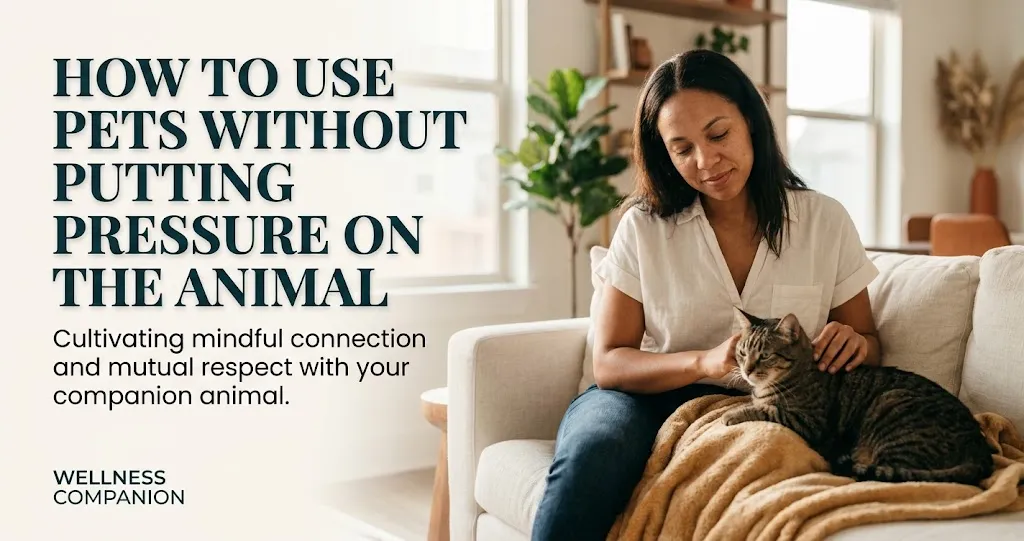
One overlooked part of pets for stress relief is the animal’s own comfort. A calm interaction should be voluntary and respectful.
Watch for signs that your pet wants space, such as moving away, hiding, stiffening, growling, hissing, flattening ears, or showing other species-specific stress signals. Give the animal a break rather than trying to make it provide comfort.
This approach can improve the quality of the routine. You are not demanding that the pet “fix” your mood. You are sharing a calm environment and allowing the relationship to develop naturally.
Pets for Stress Relief: What the Evidence Really Suggests
The evidence supports a careful middle ground. NIH reports that human-animal interaction may offer benefits such as reduced stress-related measures, but it also notes that research is still relatively new and results are mixed. The CDC likewise describes possible health benefits of pet relationships, including companionship and opportunities for activity and social connection. :contentReference[oaicite:3]{index=3}
Harvard Health has also summarized research suggesting that interactions such as petting a dog may influence stress-related responses. That does not mean the same response occurs for everyone or that a pet can treat a health condition. :contentReference[oaicite:4]{index=4}
That means pets for stress relief is a reasonable wellness idea, but it should not become a promise. Some people feel calmer around animals; others may find pet care demanding, distracting, or stressful.
Your own response matters. If a short, respectful interaction helps you pause and reconnect with the present, it may be worth keeping as one part of your routine.
Frequently Asked Questions
Can pets really help with stress?
Some people may experience comfort, companionship, or a calmer response around pets. Research suggests possible benefits, but results are not the same for everyone.
What pet is best for stress relief?
There is no universal best pet. Choose based on the type of interaction you enjoy and the level of care you can realistically provide.
Are dogs or cats better for stress?
Neither is automatically better. Dogs may suit people who enjoy walks and active companionship, while cats may fit people who prefer quieter interaction.
Can petting an animal reduce stress?
Gentle interaction may feel calming for some people, especially when the animal is comfortable with touch. Let the pet choose whether to approach and stop if it shows signs of discomfort.
Can pets help with anxiety?
Pets may provide companionship and emotional support, but they should not replace professional evaluation or care when anxiety is severe, persistent, or disruptive.
Can watching fish help you relax?
Watching fish can provide a quiet visual activity that some people find soothing. Aquarium ownership still involves regular maintenance, so consider the full responsibility.
Should I get a pet if I am very stressed?
Think carefully before adopting. If pet care, cost, housing, or daily responsibilities could add pressure, try lower-commitment ways to spend time with animals first.
Final Thoughts
Pets for stress relief can make sense when the relationship feels positive, manageable, and respectful to the animal. A few quiet minutes of companionship, play, walking, or observation may give your day a useful pause. If stress is severe, persistent, worsening, or interfering with daily life, add professional support rather than relying on a pet alone.
Author
-

Hi, I’m Ryan Mitchell, a wellness and relaxation writer at RemedyTip.com, where I focus on helping readers better understand stress management, relaxation techniques, mindfulness, sleep improvement, and everyday wellness habits. I have developed a strong knowledge of the Wellness & Relaxation field through sustained learning, in-depth research, and a continued commitment to exploring practical approaches to well-being.
My work focuses on researching wellness topics, examining available evidence, and turning complex information into clear, accessible, and actionable guidance. I’m continually exploring new findings, relaxation practices, and lifestyle strategies to help readers make informed decisions about their daily wellness routines. At RemedyTip.com, my goal is to share trustworthy, research-informed content that encourages healthier habits, greater relaxation, and a more balanced lifestyle.