By Ryan Mitchell · Wellness & Relaxation
Quick Answer: Stress relief candles may support a calmer evening when paired with a simple wind-down routine. Choose a scent you enjoy, a cotton or wood wick, and a sturdy container. Burn candles only while awake and watching, and skip them if scents bother your breathing or trigger headaches.
A candle will not fix stress, but it can become a cue that tells your body the busy part of the day is over. The trick is choosing one that fits your space, scent tolerance, and safety needs. This guide covers what to look for, which scents and candle types fit which situations, how to burn candles safely, and the mistakes I see most often.
I am a wellness content author, not a medical professional, so treat everything here as general guidance.
This article is for general educational information only. It does not diagnose, treat, cure, or prevent any condition. It does not replace advice from a licensed healthcare professional. Readers should seek professional help for severe, worsening, unusual, or persistent symptoms.
What to Look for in a Calming Candle
Stress relief candles come in hundreds of styles, but only a few features really matter. Start with how you feel around the scent, then check the build and the safety basics. A pretty label matters far less than a clean, steady burn.
Labels often tell you more than marketing copy. Check for a stated wax type, wick material, burn time, and warnings. The word “fragrance” alone says little, so favor brands that explain their scents, and consider unscented candles if you are sensitive.
For background on how everyday stress works and why small habits matter, the Mayo Clinic stress basics page is a helpful read. For lavender specifically, the NIH National Center for Complementary and Integrative Health explains what is and is not known.
Here is how I would rank the buying factors when you are shopping.
Safety build and scent comfort come first because they decide whether you will actually use the candle. Looks and branding are nice extras but should never outweigh a stable container.
Matching Scents to Your Evening
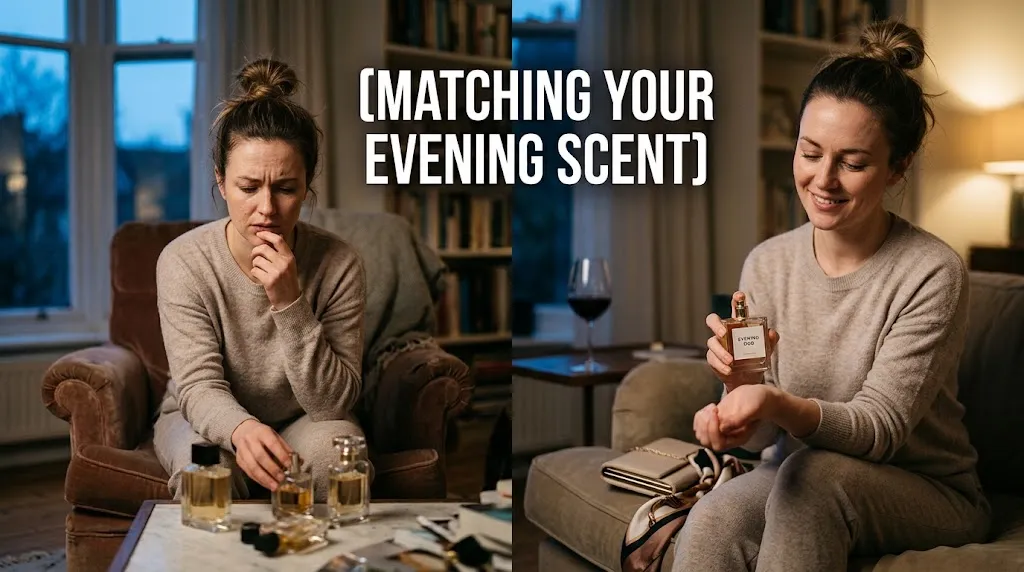
Scent is personal, so treat this as a starting point rather than a rule.
Scent Fit Table
Swipe left/right to see the full table →
| Scent | May suit | Be careful if |
|---|---|---|
| Lavender | Bedtime wind-down | Floral scents give you headaches |
| Chamomile | Gentle, quiet evenings | You react to ragweed or similar plants |
| Sandalwood | Reading or journaling time | Woody scents feel heavy to you |
| Vanilla | Cozy, comforting rooms | Sweet scents feel overpowering |
| Eucalyptus | Fresh reset after work | You have sensitive airways or asthma |
To test a scent, smell the unlit candle first, then notice how the room smells after fifteen minutes of burning. Many candles smell stronger in the jar than in the air, and a scent that feels pleasant for a minute can feel heavy after an hour.
Note: Research on scent and relaxation is limited, and results vary from person to person. Lavender is the most studied, yet many people simply find a familiar, pleasant smell comforting, and that comfort may help a routine stick.
Comparing Candle Types
When shopping for stress relief candles, the wax type affects cost, scent strength, and soot. This table compares the common options.
Candle Type Comparison
Swipe left/right to see the full table →
| Type | Strength | Trade-off | Best for |
|---|---|---|---|
| Soy wax | Slow, fairly clean burn | Often costs more | Everyday evenings |
| Beeswax | Mild natural honey scent | Higher price, fewer scents | Light-scent lovers |
| Paraffin blend | Affordable, strong scent | May produce more soot | Short, ventilated sessions |
| Flameless LED | No flame or fumes | Little or no scent | Pets, dorms, strict rules |
This quick gauge shows my general sense of fume and fire concern by type.
Real candles all involve a flame, so safe habits matter more than wax type. If you have asthma or sensitive airways, a flameless option or unscented candle is the gentler starting point.
Some households may do better with flameless or unscented options, including people with asthma or allergies, homes with pets or young children, and renters with strict lease rules. Choosing that route is not a compromise, since the ritual matters more than the flame.
How to Pick Your First Candle
Picking among stress relief candles is easier with a short checklist. Follow these steps in order.
For example, imagine you read before bed. A small sandalwood candle on a tray, lit for twenty minutes while you read and put out before you get into bed, fits that goal well.
Tip: Light your new candle for the first time during a calm moment, such as after dinner. Notice how you feel after thirty minutes. If the scent seems strong, move the candle farther away or extinguish it.
Burning Candles Safely at Home
Fire risk is the biggest practical concern with any candle. The National Fire Protection Association offers candle safety guidance worth reading before you light one.
Warning: Never leave a burning candle unattended, and never burn one while sleeping. Keep flames away from curtains, bedding, and paper, and out of reach of children and pets. Stop using a candle that smokes heavily or causes coughing, wheezing, or headaches.
Safe vs Risky Burning Habits
A few small habits make the biggest difference.
Swipe left/right to see the full table →
| Safer habit | Riskier habit |
|---|---|
| Burn on a flat, heat-safe surface | Placing it near the edge or near fabric |
| Trim the wick to about a quarter inch | Letting a long wick flicker |
| Burn for a few hours, then let it cool | Burning for many hours without a break |
| Extinguish before leaving or sleeping | Falling asleep with it lit |
Placement matters as much as habits. Use a stable table at eye level, away from drafts, ceiling fans, and shelves above. A draft makes flames flicker, which can increase soot and send the flame toward nearby items. Keep a lid or snuffer within reach so you can put the flame out calmly.
Use this quick path before you light a candle tonight.
This path keeps the decision simple when you are tired. When in doubt, choose the flameless option.
Product Ideas That Fit a Calm Routine
These are general product types, not brand endorsements. The links open Amazon searches for stress relief candles and safety tools, so you can compare current options yourself.
This article may contain affiliate links. If you buy through these links, we may earn a small commission at no extra cost to you. We only mention products that fit the topic and do not replace professional medical advice.
May support a calmer evening feel when burned as part of a regular wind-down, especially in a lidded glass jar.
Can help with routine consistency by making it easier to trim wicks and put out flames without splashing wax.
May make daily care easier when open flames are not practical, such as around pets or in shared spaces.
Mistakes to Avoid When Choosing
Mistake vs Better Choice
Most buying regrets come from a handful of avoidable errors.
Swipe left/right to see the full table →
| Common mistake | Better choice |
|---|---|
| Buying the strongest scent | Choose a light or medium scent you tolerate for an hour |
| Ignoring the label | Read burn time, trim guidance, and warnings first |
| Choosing a thin decorative jar | Pick thick, heat-safe glass or ceramic with a flat base |
| Burning it all night | Burn only while awake, then extinguish before sleep |
| Using it in a tiny closed room | Allow some airflow, such as a slightly open door |
Pro Tips for a Calmer Routine
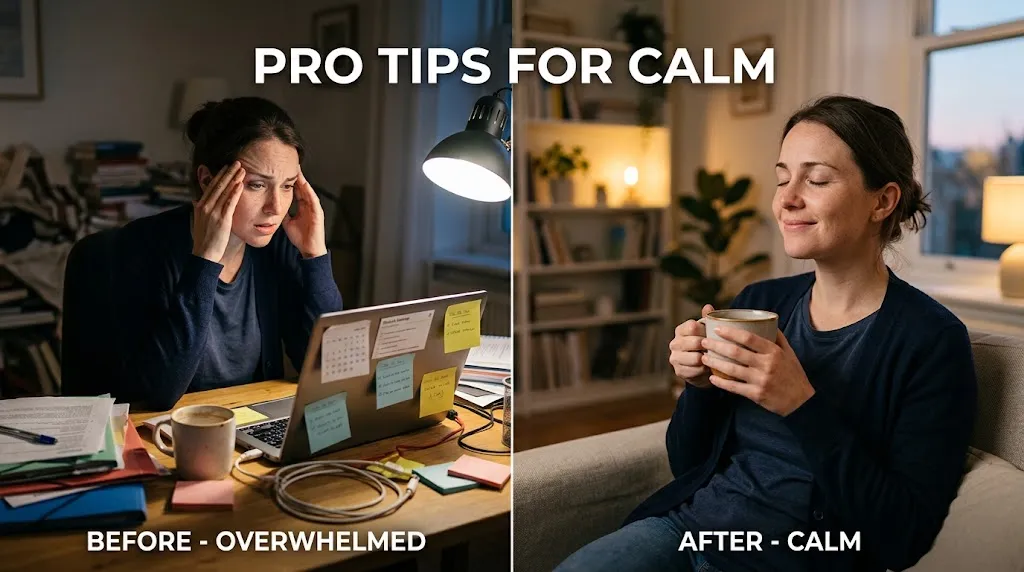
The best stress relief candles work as one cue inside a bigger wind-down, not as a standalone fix. Pair the flame with habits that already help you slow down, like dimming lights, stretching gently, or journaling for five minutes.
Here is a simple ten-minute sequence you can adjust.
→
→
→
→
Keeping the order the same each night is what turns the candle into a cue. Over time, some people notice the ritual itself helps them settle.
A quick split panel keeps the main habits in view.
If you notice a habit from the right-hand list, change it before lighting. Small fixes protect both your safety and your calm.
Small Upgrades That Help
Keep a lighter, snuffer, and coaster in one tray so everything is ready. Let wax melt to the edges on the first burn so the candle burns evenly later. Store candles away from heat and sunlight, and stop using one when about half an inch of wax remains.
Common Candle Problems and Fixes
When to Contact a Professional
When to contact a professional: Talk with a licensed healthcare professional if stress feels constant, overwhelming, or is affecting sleep, work, or relationships. Seek medical help if a candle scent triggers wheezing, chest tightness, swelling, or a rash. If you have thoughts of harming yourself, contact a crisis line or emergency services right away. In the U.S., you can call or text 988.
Self-Care vs Getting Help
This table separates everyday candle habits from situations needing guidance.
Swipe left/right to see the full table →
| Situation | Self-care step | Seek help if |
|---|---|---|
| Mild scent headache | Extinguish and ventilate | Headaches keep returning |
| Dry throat or cough | Stop burning and use fresh air | Symptoms persist or worsen |
| Pet seems unsettled | Move the pet and air the room | Drooling, vomiting, or breathing trouble |
| Ongoing tension or low mood | Try a calming routine | It lasts or disrupts daily life |
Common Questions About Candles and Stress
Do stress relief candles really work?
What scent is best for stress relief?
Is it safe to burn a candle every night?
Can candle scents cause headaches?
Are scented candles safe around pets?
Should I use candles if I have asthma?
How long should I burn a candle at a time?
Final Thoughts
Stress relief candles can be a pleasant part of a quiet evening when you choose a scent you like and a well-built candle. Safe burning habits matter more than any fragrance claim, so keep supervision and ventilation first. If stress feels severe, persistent, or is not improving, or if symptoms worsen or seem unusual, please talk with a licensed healthcare professional. A candle can support your routine, never replace care.
Author
-

Hi, I’m Ryan Mitchell, a wellness and relaxation writer at RemedyTip.com, where I focus on helping readers better understand stress management, relaxation techniques, mindfulness, sleep improvement, and everyday wellness habits. I have developed a strong knowledge of the Wellness & Relaxation field through sustained learning, in-depth research, and a continued commitment to exploring practical approaches to well-being.
My work focuses on researching wellness topics, examining available evidence, and turning complex information into clear, accessible, and actionable guidance. I’m continually exploring new findings, relaxation practices, and lifestyle strategies to help readers make informed decisions about their daily wellness routines. At RemedyTip.com, my goal is to share trustworthy, research-informed content that encourages healthier habits, greater relaxation, and a more balanced lifestyle.