
Written by Alex Turner
Quick Answer: Yes, trigger point massage can sometimes be followed by a headache, especially when pressure is too intense or the neck and surrounding muscles become irritated. A mild, short-lived headache may settle with rest, hydration, and gentler care, but severe, sudden, worsening, or unusual symptoms need professional medical attention.
Why a Massage Can Sometimes Leave You With Head Pain
Trigger point massage uses focused pressure on areas of muscle that feel tight or tender. Those areas can sometimes refer pain to another location. Myofascial pain, for example, may be associated with referred pain involving the head, neck, shoulders, or face. :contentReference[oaicite:0]{index=0}
A massage can also feel uncomfortable when pressure is excessive. Cleveland Clinic notes that trigger point work may cause some temporary soreness, but intense pain or sensations such as sharp pain or tingling are reasons to stop rather than push harder. :contentReference[oaicite:1]{index=1}
Trust & Safety: This article is for general educational information only. It does not diagnose, treat, cure, or prevent any condition. It does not replace advice from a licensed healthcare professional. Readers should seek professional help for severe, worsening, unusual, or persistent symptoms.
When Can Trigger Point Massage Cause Headaches?
Trigger point massage does not automatically cause headaches. In fact, gentle massage may help some people with muscle tension and certain tension-type headaches. Mayo Clinic lists gentle massage of the temples, scalp, neck, and shoulders among approaches that may ease muscle tension. :contentReference[oaicite:2]{index=2}
The issue is that focused pressure can be uncomfortable when the area is already sensitive. Working aggressively on the neck, upper shoulders, jaw, or muscles near the base of the skull may temporarily increase discomfort rather than reduce it.
A headache after massage can also have another explanation. Stress, posture, dehydration, poor sleep, an existing headache disorder, or prolonged screen use may happen around the same time as a massage. The timing alone does not prove that the massage caused the headache.
That distinction matters. If a mild headache appears after a session and gradually improves, monitoring may be reasonable. If the headache is severe, unusual, repeatedly triggered, or accompanied by neurological symptoms, it should not simply be treated as normal massage soreness.
What May Be Happening?
Pressure on a tender muscle can temporarily make the area more sensitive. Neck and shoulder tension can also be associated with headaches, although tension-type headaches are more complex than simply having tight muscles. Mayo Clinic describes stress as a commonly reported trigger and notes that muscle tenderness can occur with these headaches. :contentReference[oaicite:3]{index=3}
So, if you develop a headache after trigger point work, the safest interpretation is usually not “the massage released toxins” or another unsupported explanation. Instead, consider the pressure, location, timing, and other symptoms together.
Massage-Related Headache Clues vs Other Possibilities
The following table is a practical guide, not a diagnostic tool. A healthcare professional should evaluate symptoms that are severe, persistent, or difficult to explain.
Swipe left/right to see the full table →
| Pattern | Possible contributor | What to consider |
|---|---|---|
| Mild, brief discomfort | Pressure sensitivity | Reduce intensity and monitor |
| Head pain with neck tightness | Muscle tension | Gentler care may be more appropriate |
| Headache unrelated to massage timing | Another trigger | Look at the wider pattern |
| Sudden or severe headache | Needs medical assessment | Seek urgent medical help |
Practical safety path
Headache appears
Mild or severe?
Rest or seek care
This flow is a practical guide rather than a diagnosis. Mild symptoms that improve can be monitored, while severe, sudden, unusual, or neurological symptoms deserve medical evaluation.
Why Pressure and Location Matter
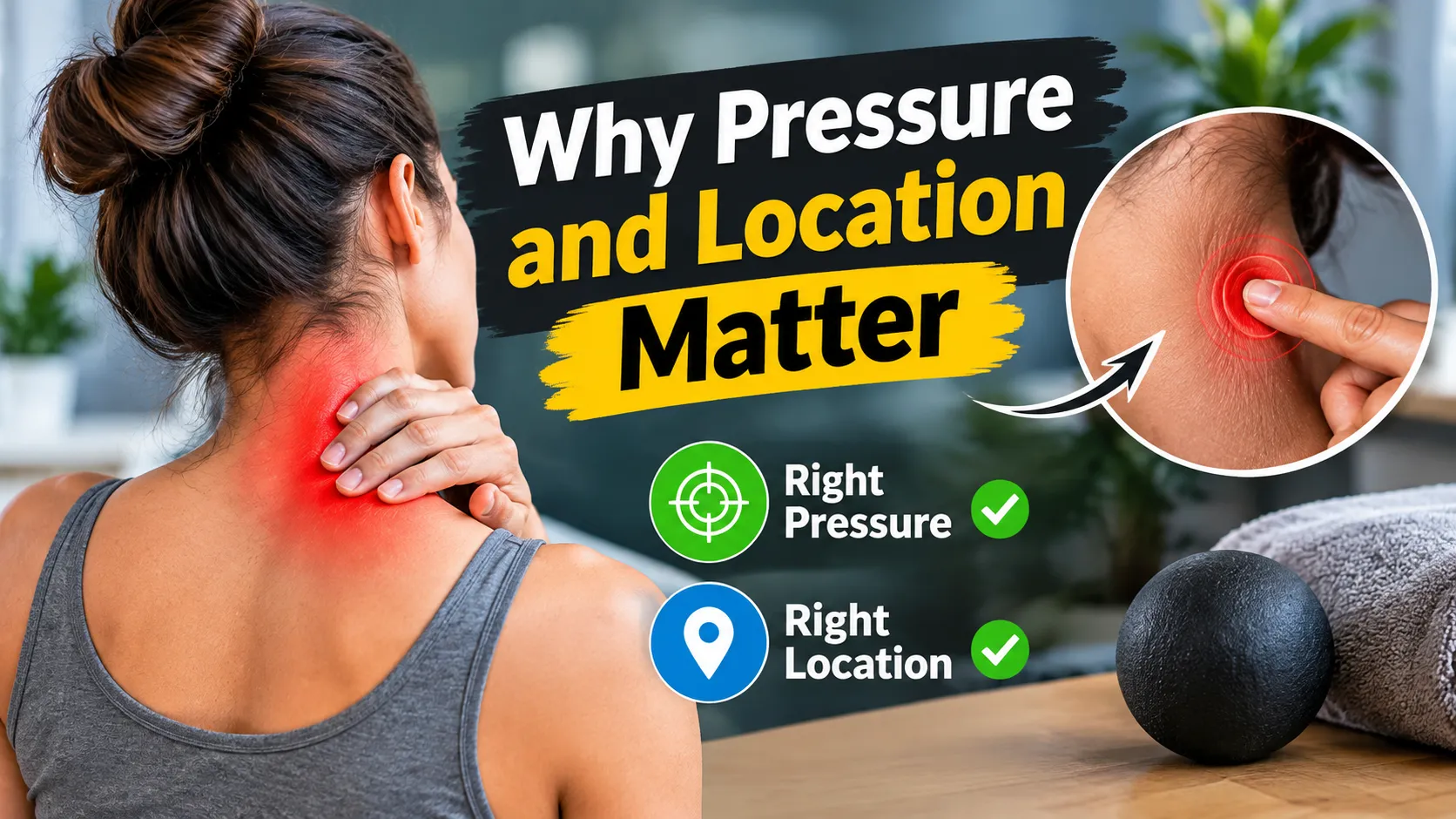
Not every trigger point should be approached with the same amount of force. A tender muscle may respond differently from a normal, relaxed muscle, and the neck is a particularly important area to treat cautiously.
Cleveland Clinic advises that self-massage should not become a test of how much discomfort you can tolerate. Intense pain, sharp sensations, or tingling are warning signs to stop rather than continue applying pressure. :contentReference[oaicite:4]{index=4}
Note: “More pressure” does not automatically mean “more benefit.” A comfortable, controlled approach is generally easier to monitor than aggressive pressure that leaves the area significantly more painful.
Common Reasons a Session May Feel Worse
Possible contributors include pressing too hard, repeatedly working the same sore spot, holding the neck in an awkward position, or continuing after the area becomes increasingly painful. These factors can make it harder to tell ordinary post-massage soreness from a symptom that needs attention.
Another possibility is that the headache was already developing. Stress and prolonged fixed positions can contribute to neck discomfort and headaches, so a massage session may simply occur shortly before symptoms become noticeable. :contentReference[oaicite:5]{index=5}
Trigger Map: What to Check Around the Session
Before blaming the massage itself, look at the surrounding circumstances. This can help you notice patterns without trying to diagnose the headache.
Trigger/cause map — practical checklist
Was the massage unusually firm or prolonged?
Was your neck held in an uncomfortable position?
Did the headache begin during, immediately after, or much later?
Were stress, poor sleep, or prolonged screen use present?
The more consistent a pattern becomes, the more useful it may be to discuss it with a healthcare professional or qualified massage professional rather than repeatedly experimenting with stronger pressure.
Safer Ways to Approach Trigger Point Work
If massage seems to leave you with a mild headache, the goal should not be to push through it. Give the body a chance to settle and avoid repeating the same intense technique immediately.
A Gentle Reset
Rest in a comfortable position and avoid additional deep pressure on the sore area. Gentle movement may be preferable to aggressive massage, and Mayo Clinic notes that heat can help relax tense neck and shoulder muscles in some situations. :contentReference[oaicite:6]{index=6}
Hydration can also be a sensible part of general self-care, particularly if you have not been drinking normally. However, do not assume that every headache after massage is caused by dehydration or muscle tension.
If you repeatedly experience headaches following massage, consider pausing the technique and discussing the pattern with a healthcare professional. A trained massage therapist may also help assess whether your technique or pressure needs to change.
Swipe left/right to see the full table →
| Safer approach | Riskier approach | Why it matters |
|---|---|---|
| Gentle pressure | Very deep pressure | Easier to monitor discomfort |
| Stop if pain escalates | Pushing through sharp pain | Prevents unnecessary irritation |
| Short, controlled work | Repeatedly attacking one spot | Reduces excessive soreness |
| Qualified professional | Unfamiliar aggressive technique | Better technique guidance |
Tip: Treat increasing pain as useful feedback. If a technique consistently makes your head, neck, or shoulder symptoms worse, changing the technique or getting professional guidance is more sensible than increasing the pressure.
How to Tell When a Headache Is Not Typical Massage Soreness
Headache symptoms should not automatically be attributed to massage. MedlinePlus advises urgent medical evaluation for sudden explosive headaches, the worst headache someone has experienced, headaches associated with speech or vision changes, weakness, balance problems, confusion, fever with a stiff neck, or head injury. :contentReference[oaicite:7]{index=7}
Red-flag dashboard
Especially if it is explosive or unlike previous headaches.
Speech, vision, movement, balance, or confusion changes need urgent attention.
Headache with these symptoms should not be assumed to be massage soreness.
Headache or severe neck pain after an injury warrants medical assessment.
These warning signs are not reasons to panic; they are reasons not to rely on self-massage as the explanation. Seek urgent medical help when they occur. :contentReference[oaicite:8]{index=8}
When Self-Care May Be Reasonable
A mild headache that follows a session and gradually improves, without other concerning symptoms, may be monitored while you avoid further intense pressure. Gentle relaxation, comfortable positioning, and appropriate heat or cool measures may support comfort for some people. :contentReference[oaicite:9]{index=9}
When to Contact a Professional
Arrange professional advice if headaches repeatedly occur after massage, persist despite reasonable self-care, become more frequent, or occur together with significant neck symptoms. Mayo Clinic recommends medical attention for neck pain accompanied by headache, numbness, weakness, or tingling. :contentReference[oaicite:10]{index=10}
Swipe left/right to see the full table →
| Situation | General next step | Reason |
|---|---|---|
| Mild and improving | Monitor and rest | No obvious warning sign |
| Repeated after massage | Discuss with a professional | Pattern deserves assessment |
| Persistent or worsening | Seek medical advice | Self-care is not resolving it |
| Sudden severe or unusual | Urgent medical help | Potential warning sign |
Risk guide — practical routine priority
These percentages are a practical visual guide, not scientific risk measurements.
The visual emphasizes a simple principle: the more sensitive an area becomes, the more useful it is to reduce intensity and pay attention to symptoms rather than chase a stronger sensation.
Common Mistakes That Can Make Headaches More Likely
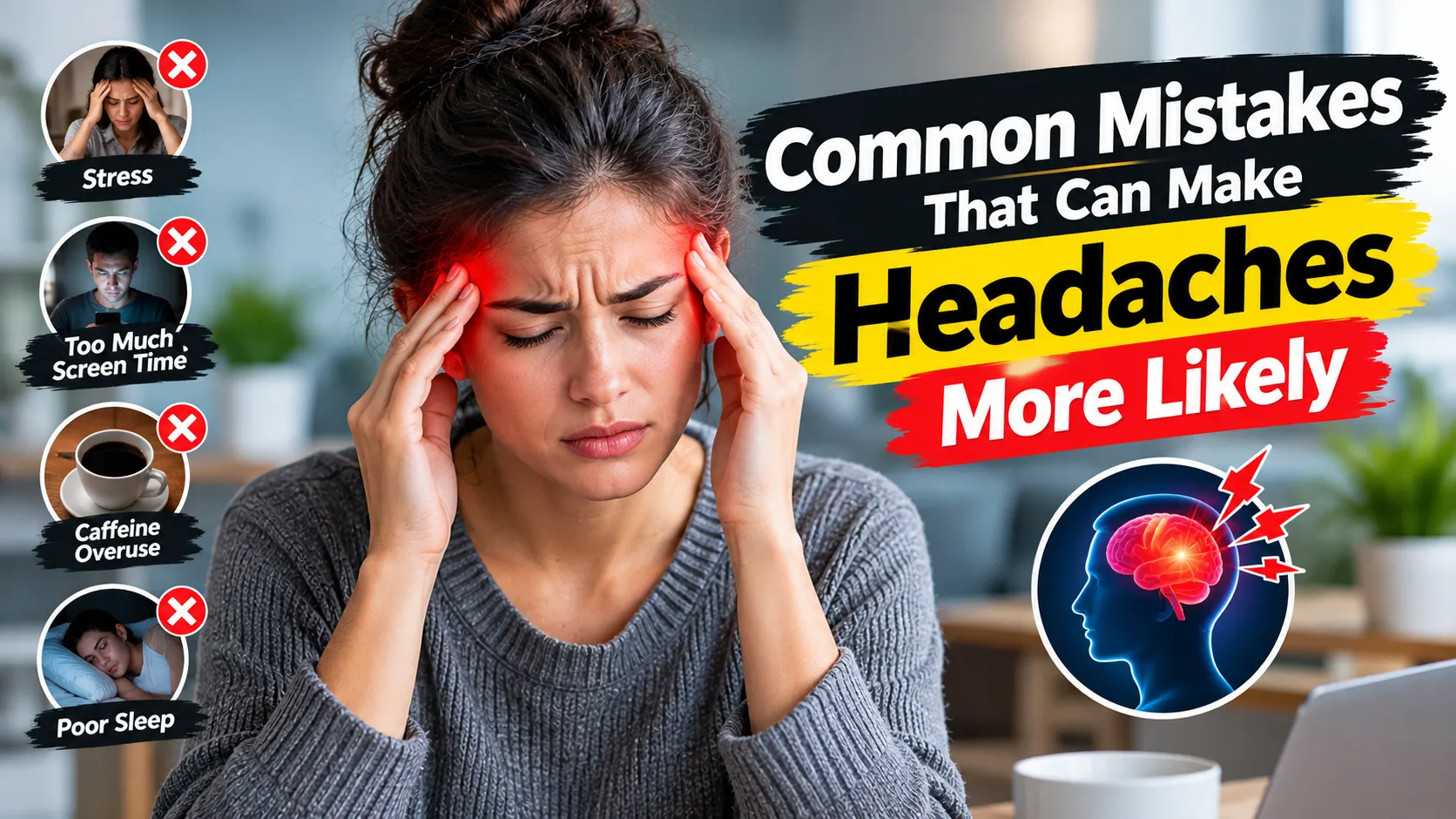
Many problems come from assuming that discomfort means the technique is working. A trigger point does not need to be attacked aggressively, and repeated pressure on an already irritated area can make the session harder to tolerate.
Another mistake is treating every headache as a muscle problem. Headaches have different patterns and causes, and a massage-related timing pattern does not establish the underlying cause. If symptoms keep returning, professional evaluation is more useful than repeatedly changing massage pressure on your own.
Swipe left/right to see the full table →
| Common mistake | Better choice | Practical reason |
|---|---|---|
| More pressure must be better | Use tolerable pressure | Comfort is easier to monitor |
| Ignore increasing pain | Stop and reassess | Pain provides useful feedback |
| Assume every headache is muscular | Consider other causes | Headaches have varied causes |
| Repeat intense work immediately | Allow symptoms to settle | Avoids adding irritation |
Warning: Do not use massage to test whether a severe or unexplained headache is “just tension.” A concerning headache deserves medical assessment rather than stronger pressure.
What If the Headache Keeps Happening?
If headaches repeatedly follow trigger point sessions, keep a simple record of when they begin, which area was massaged, how intense the pressure felt, and what other symptoms occurred. This information can make a conversation with a healthcare professional more useful.
You can also discuss technique with a qualified massage therapist. Mayo Clinic notes that trained massage may help reduce neck tightness and pain for some people, but persistent or concerning symptoms still warrant appropriate medical evaluation. :contentReference[oaicite:11]{index=11}
Do not keep increasing pressure simply because the first session did not produce the result you wanted. A repeated pattern of worsening symptoms is a reason to reconsider the approach.
Frequently Asked Questions
Can trigger point massage cause headaches?
Yes, a headache can occur after focused massage, particularly when an area is sensitive or pressure is excessive. The timing does not prove that massage caused the headache, so other triggers should also be considered.
Can neck trigger point massage cause a headache?
It can be followed by head discomfort in some people, especially if the neck becomes irritated. Neck pain and headaches can occur together, but persistent or concerning symptoms should be professionally evaluated.
Is it normal to have a mild headache after massage?
A mild, short-lived headache may occur, but it should not automatically be considered normal or ignored. If it is severe, worsening, unusual, or repeatedly happens after massage, seek professional advice.
Should I stop trigger point massage if it causes head pain?
If massage causes increasing or significant pain, stop the technique rather than applying more pressure. Repeated symptoms should be discussed with a healthcare professional or qualified massage professional.
Can massage also help tension headaches?
Gentle massage may help reduce muscle tension and may provide relief for some people with tension-type headaches. It is not appropriate to assume every headache is a tension headache.
When should I seek medical help for a headache after massage?
Seek urgent medical help for a sudden severe headache or one accompanied by speech, vision, movement, balance, or confusion changes, fever with a stiff neck, or a head injury.
Can repeated headaches after massage mean the technique is too intense?
Excessive pressure can contribute to soreness or discomfort, but repeated headaches should not automatically be blamed on massage intensity. A recurring pattern is a reason to discuss the symptoms with a healthcare professional.
Final Thoughts
A headache after trigger point work can happen, but it is not something to dismiss automatically or solve by using more pressure. Pay attention to intensity, timing, location, and other symptoms, and choose a gentler approach when appropriate.
If headaches are severe, worsening, unusual, persistent, repeatedly triggered by massage, or accompanied by neurological symptoms, fever, significant neck symptoms, or injury, seek professional medical care rather than relying on self-massage.
Author
-

I’m Alex Turner, a massage product reviewer and wellness writer at RemedyTip. I specialize in researching, evaluating, and comparing massage and recovery products to help readers make informed purchasing decisions. My focus is on practical, evidence-informed product guidance covering muscle recovery, relaxation, everyday comfort, and wellness.
I take a research-driven approach to every product I review. I examine product specifications, features, materials, performance claims, user feedback, durability, comfort, ease of use, and overall value. When appropriate, I also consult trusted industry and health-related sources to verify important information and provide readers with a more complete and balanced view.
I cover a wide range of products, including massage guns, handheld massagers, neck and shoulder massagers, foot massagers, massage chairs, foam rollers, and other recovery tools. Rather than focusing only on marketing claims, I look at how products compare in real-world use and who they are actually suitable for. I also consider different budgets, use cases, and user needs when making recommendations.
At RemedyTip, I’m committed to accuracy, transparency, and unbiased product information. I clearly distinguish between manufacturer claims, available evidence, and my own product analysis so readers can understand the basis of each recommendation. I continuously research new products, technologies, and developments in the massage and recovery space to keep my content current and useful.
My goal is simple: to provide trustworthy, easy-to-understand information that helps readers choose massage and recovery products with greater confidence.

