
Written by Alex Turner · Health and Personal Care Content Writer
A Practical Guide to Massage Cream During Pregnancy
Pregnancy can bring changes in skin sensitivity, muscle comfort, and everyday routines. Massage cream is often used to reduce friction and make massage more comfortable, but not every product is designed with pregnancy-related considerations in mind.
Here is what matters most: the ingredient list, the amount used, the location of application, and whether the massage itself is appropriate for your stage of pregnancy and individual health needs.
Important safety information
This article is for general educational information only. It does not diagnose, treat, cure, or prevent any condition. It does not replace advice from a licensed healthcare professional. Readers should seek professional help for severe, worsening, unusual, or persistent symptoms.
What Makes Massage Cream Different During Pregnancy?
Massage cream is generally a topical personal-care product intended to reduce friction between the hands and skin. Some formulas are designed primarily for moisturization, while others contain warming, cooling, botanical, or medicinal ingredients intended for a specific sensation or purpose.
During pregnancy, the main question is not simply whether massage cream exists as a category. The more useful question is whether the particular formula and massage routine are appropriate for the person using them.
Pregnancy can also make skin more reactive. A product that caused no problems before pregnancy may feel irritating because of dryness, increased sensitivity, or changes in how the skin responds to fragrances and active ingredients.
Note
A product labeled “natural” is not automatically safer during pregnancy. Botanical extracts and essential oils can still cause irritation or may require pregnancy-specific caution.
Who Should Be Especially Careful?
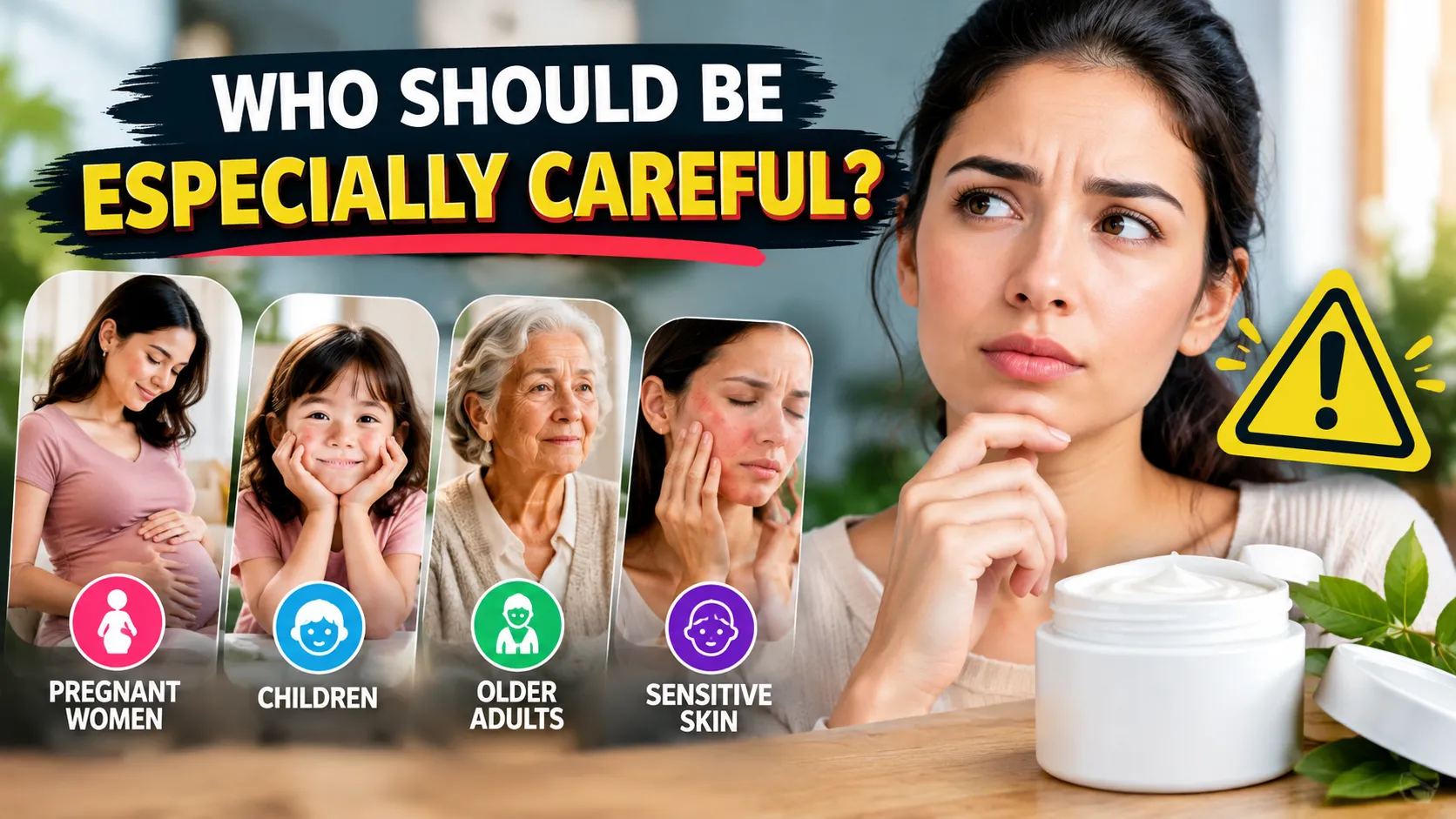
Most pregnancy-related product questions deserve individual consideration because pregnancy is not identical for everyone. A person with sensitive skin, allergies, a high-risk pregnancy, or a condition requiring special medical care may need different guidance from someone experiencing an uncomplicated pregnancy.
Before using a new massage cream, consider whether you have previously reacted to fragrances, menthol, essential oils, topical pain-relief products, or other skincare ingredients.
Pregnancy considerations at a glance
Swipe left/right to see the full table →
| Situation | What to consider |
|---|---|
| Sensitive skin | Choose a simple formula and patch test first. |
| Known allergies | Review ingredients carefully and avoid known triggers. |
| High-risk pregnancy | Ask your prenatal care professional before massage. |
| Unfamiliar product | Check the full label before applying it widely. |
These are practical considerations rather than a substitute for individualized prenatal advice.
Ingredients to Review Before Using Massage Cream
The ingredient list is the best starting point when evaluating a massage cream. There is no single ingredient list that guarantees suitability for every pregnant person, so the goal is to understand what the formula contains and whether it creates a reason for caution.
Fragrance and essential oils
Fragrance can be a concern for people whose skin or sense of smell becomes more sensitive during pregnancy. Strong scents may also be unpleasant if nausea or scent sensitivity is present.
Essential oils deserve individual attention. Their safety can depend on the specific oil, concentration, route of exposure, and stage of pregnancy. A massage cream containing multiple botanical oils should not automatically be assumed safe simply because it is plant-based.
Cooling, warming, and medicinal ingredients
Some massage products create a cooling or warming sensation through ingredients such as menthol, camphor, or other active compounds. Other products may contain topical pain-relief ingredients.
These formulas are different from basic moisturizing creams. If a product is marketed for pain relief, muscle soreness, inflammation, or therapeutic use, review the label carefully and ask a healthcare professional whether it is appropriate during pregnancy.
A simple label-reading guide
Swipe left/right to see the full table →
| Label feature | Practical response |
|---|---|
| Fragrance-free | May be a simpler option for sensitive skin. |
| Long botanical blend | Review each ingredient rather than assuming safety. |
| Cooling or warming claim | Check active ingredients and pregnancy guidance. |
| Pain-relief claim | Ask a professional before using during pregnancy. |
| Unknown ingredient | Pause use until you can verify its purpose and safety. |
A Practical Safety Decision Path
Use the following guide before applying a new massage cream. It focuses on reducing avoidable irritation and identifying situations where professional guidance is more appropriate.
Consider a small patch test
Ask a professional first
This visual is a practical routine guide, not a medical risk calculator.
The key principle is to avoid treating every massage cream as interchangeable. A plain moisturizer used for reducing friction is a different situation from a concentrated topical product containing active ingredients.
How to Use Massage Cream More Carefully During Pregnancy
If your prenatal care provider has no objection to massage and you have selected a suitable product, a few simple habits can make the routine more comfortable.
Check ingredients, directions, warnings, and whether the product is intended for topical use.
Apply a small amount to an appropriate area of skin before using the product more broadly.
Massage should not involve forceful pressure, painful manipulation, or uncomfortable positioning.
Stop if you feel unwell, dizzy, uncomfortable, or notice skin irritation.
A prenatal care professional can help clarify whether a specific product or massage approach fits your individual circumstances.
Safer habits versus common mistakes
Swipe left/right to see the full table →
| Common mistake | Better approach |
|---|---|
| Assuming natural means safe | Review individual ingredients. |
| Using a strong scented cream | Choose fragrance-free when possible. |
| Applying a medicinal product casually | Seek pregnancy-specific professional guidance. |
| Ignoring a skin reaction | Stop using the product and monitor symptoms. |
| Using uncomfortable massage pressure | Keep the technique gentle and comfortable. |
Tip
Keep the product container available during pregnancy appointments. If you have questions, your healthcare professional can review the exact ingredient list rather than relying on the product name alone.
Where Massage Cream May Be Applied
The location of application matters because different parts of the body can have different skin conditions and comfort needs. Avoid applying any product to broken, irritated, infected, or unusually sensitive skin unless a qualified professional has advised you to do so.
Massage during pregnancy should also take the person’s comfort and stage of pregnancy into account. Positioning that feels comfortable early in pregnancy may not feel appropriate later. If lying flat, pressure, or a particular body position causes discomfort, change the position and discuss concerns with your prenatal care provider.
Areas and considerations
Swipe left/right to see the full table →
| Area | General consideration |
|---|---|
| Arms and legs | Use gentle application and watch for skin sensitivity. |
| Shoulders and upper back | Comfortable positioning and gentle pressure are important. |
| Abdomen | Ask your prenatal care professional before using massage techniques there. |
| Broken or irritated skin | Avoid applying products until appropriate guidance is obtained. |
There is no need to use massage cream simply because massage is taking place. If a product is unnecessary or causes irritation, plain skin care may be a better choice.
How to Recognize a Product That May Not Suit You
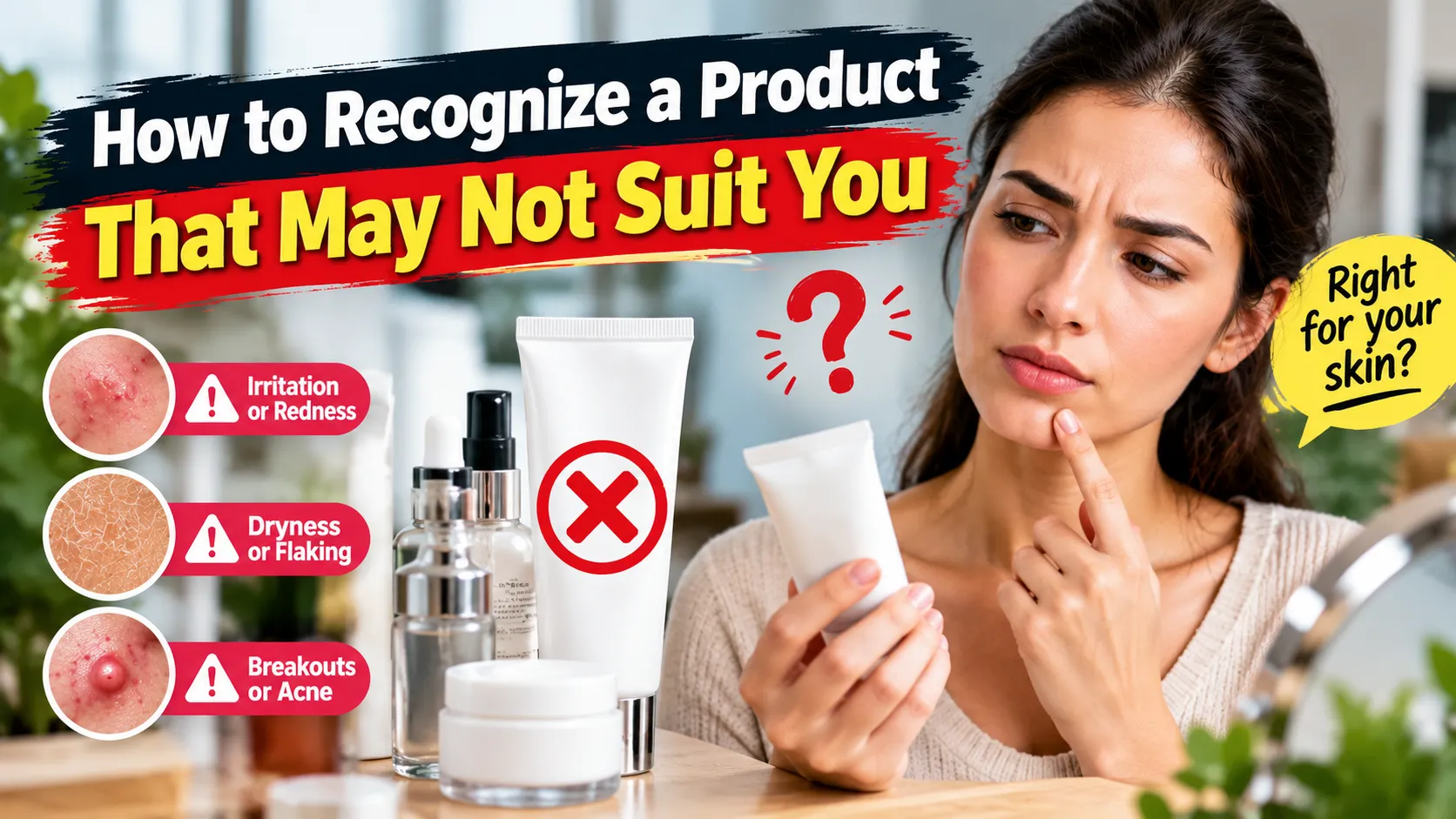
Skin reactions can happen with many topical products, including those that were previously tolerated. Stop using a massage cream if you notice burning, itching, redness, swelling, rash, or other unusual skin changes.
Red-Flag Checklist
This dashboard is a practical safety checklist, not a diagnosis tool.
A mild, temporary change may still deserve attention if it continues or worsens. Seek urgent medical help for severe allergic symptoms such as difficulty breathing or significant facial swelling.
When to Contact a Professional
When to contact a professional
Talk with your prenatal care professional before using massage products containing active medicinal ingredients, strong botanical blends, or ingredients you cannot identify. Professional guidance is also important if you have a high-risk pregnancy, significant skin sensitivity, or concerns about massage positioning or technique.
Contact a healthcare professional promptly if you experience severe or worsening symptoms, unusual swelling, persistent skin changes, or any pregnancy-related concern that feels outside your normal experience.
Self-care versus professional guidance
Swipe left/right to see the full table →
| Situation | Next step |
|---|---|
| Simple product, no reaction | Continue only according to label directions and personal guidance. |
| Mild irritation | Stop using the product and monitor the skin. |
| Persistent or worsening reaction | Contact a healthcare professional. |
| Severe allergic symptoms | Seek urgent medical help. |
Frequently Asked Questions
Is massage cream safe during pregnancy?
Some massage creams may be appropriate, especially simple moisturizing formulas, but safety depends on the ingredients and individual circumstances. Ask your prenatal care professional about unfamiliar or active ingredients.
Can I use scented massage cream while pregnant?
Scented products may be irritating or unpleasant for some people during pregnancy. Fragrance-free options may be easier to tolerate, especially if skin or scent sensitivity has increased.
Are essential oils in massage cream safe during pregnancy?
Safety varies by oil, concentration, and individual circumstances. Do not assume that a botanical or essential-oil ingredient is automatically suitable during pregnancy; ask a qualified professional when uncertain.
Can I use warming massage cream during pregnancy?
Warming creams often contain active ingredients that require closer review. Check the label and discuss the specific product with your prenatal care professional before use.
Can massage cream cause skin irritation during pregnancy?
Yes. Skin may become more sensitive, and ingredients such as fragrance or botanical extracts can cause irritation in some people. Stop using a product if redness, itching, burning, or swelling develops.
Is massage itself safe during pregnancy?
Massage may be appropriate for some pregnant people, but technique, pressure, positioning, and individual health factors matter. Discuss massage plans with your prenatal care professional, particularly if there are pregnancy complications or concerns.
What should I do if massage cream causes a reaction?
Stop using the product and monitor the affected skin. Contact a healthcare professional if symptoms persist, worsen, spread, or become severe.
Final Thoughts
Massage cream may be part of a comfortable pregnancy self-care routine, but choosing the right formula matters. Simple, fragrance-free products can be easier to evaluate, while medicinal, warming, cooling, and concentrated botanical formulas deserve extra caution.
If you are unsure about a specific product, ingredient, or massage technique, ask your prenatal care professional. Seek professional help for severe, worsening, unusual, or persistent symptoms.
Author
-

I’m Alex Turner, a massage product reviewer and wellness writer at RemedyTip. I specialize in researching, evaluating, and comparing massage and recovery products to help readers make informed purchasing decisions. My focus is on practical, evidence-informed product guidance covering muscle recovery, relaxation, everyday comfort, and wellness.
I take a research-driven approach to every product I review. I examine product specifications, features, materials, performance claims, user feedback, durability, comfort, ease of use, and overall value. When appropriate, I also consult trusted industry and health-related sources to verify important information and provide readers with a more complete and balanced view.
I cover a wide range of products, including massage guns, handheld massagers, neck and shoulder massagers, foot massagers, massage chairs, foam rollers, and other recovery tools. Rather than focusing only on marketing claims, I look at how products compare in real-world use and who they are actually suitable for. I also consider different budgets, use cases, and user needs when making recommendations.
At RemedyTip, I’m committed to accuracy, transparency, and unbiased product information. I clearly distinguish between manufacturer claims, available evidence, and my own product analysis so readers can understand the basis of each recommendation. I continuously research new products, technologies, and developments in the massage and recovery space to keep my content current and useful.
My goal is simple: to provide trustworthy, easy-to-understand information that helps readers choose massage and recovery products with greater confidence.

