
Written by Michael Hayes
Quick Answer: Facial use depends on the oil’s ingredients, fragrance, texture, and your skin type. Some simple, fragrance-free oils may be suitable for facial massage, while heavily fragranced or irritating blends may cause problems. Patch test first and stop if your skin reacts.
Facial massage starts with the right formula, not simply the word “oil.” A product made for body massage may contain fragrance, essential oils, warming ingredients, or a heavier blend that is not a good match for facial skin. The safest approach is to check the label, consider your skin type, and test a small area before using it more broadly.
Safety Note: This article is for general educational information only. It does not diagnose, treat, cure, or prevent any condition. It does not replace advice from a licensed healthcare professional. Readers should seek professional help for severe, worsening, unusual, or persistent symptoms.
What Makes a Massage Oil Suitable for the Face?
Facial skin can be more sensitive to fragrance and concentrated ingredients than the skin on many other body areas. A body massage oil may be designed mainly for glide and may contain a blend that feels comfortable on arms, legs, or shoulders but is less suitable around the eyes, nose, or mouth.
The useful question is not simply whether oil is “natural.” Instead, check the complete ingredient list, fragrance, texture, intended use, and your own skin history. A short ingredient list can make it easier to identify something that does not agree with you.
Quick ingredient check
For facial massage, many people prefer a simple, fragrance-free product with a texture that spreads easily without requiring strong rubbing. Avoid assuming that essential oils are automatically gentle; concentrated botanical ingredients can still irritate sensitive skin.
For acne-prone skin, a heavy or highly occlusive product may not feel comfortable and could contribute to clogged pores for some people. If your skin is already irritated, peeling, sunburned, or reacting to another product, adding massage may make the situation less comfortable.
Note: “Facial oil” and “massage oil” are not interchangeable labels. Check the actual formula and intended use instead of relying on the product name alone.
Face versus body formulas
A product intended specifically for facial use may have a texture and ingredient profile chosen with facial application in mind. A general massage blend may prioritize long-lasting slip, scent, or warming sensations instead. Those differences matter when the product will remain close to delicate facial areas.
If you are unsure, follow the manufacturer’s facial-use instructions. If the label says body use only, do not assume it is appropriate for your face.
Formula comparison
This practical comparison can help you screen a product before putting it on your face.
Swipe left/right to see the full table →
| Formula feature | Why it matters | Beginner check |
|---|---|---|
| Fragrance | May irritate sensitive skin | Check ingredient list |
| Essential oils | Can be irritating | Prefer simple formulas |
| Heavy texture | May feel greasy | Use less product |
How to Choose by Skin Type
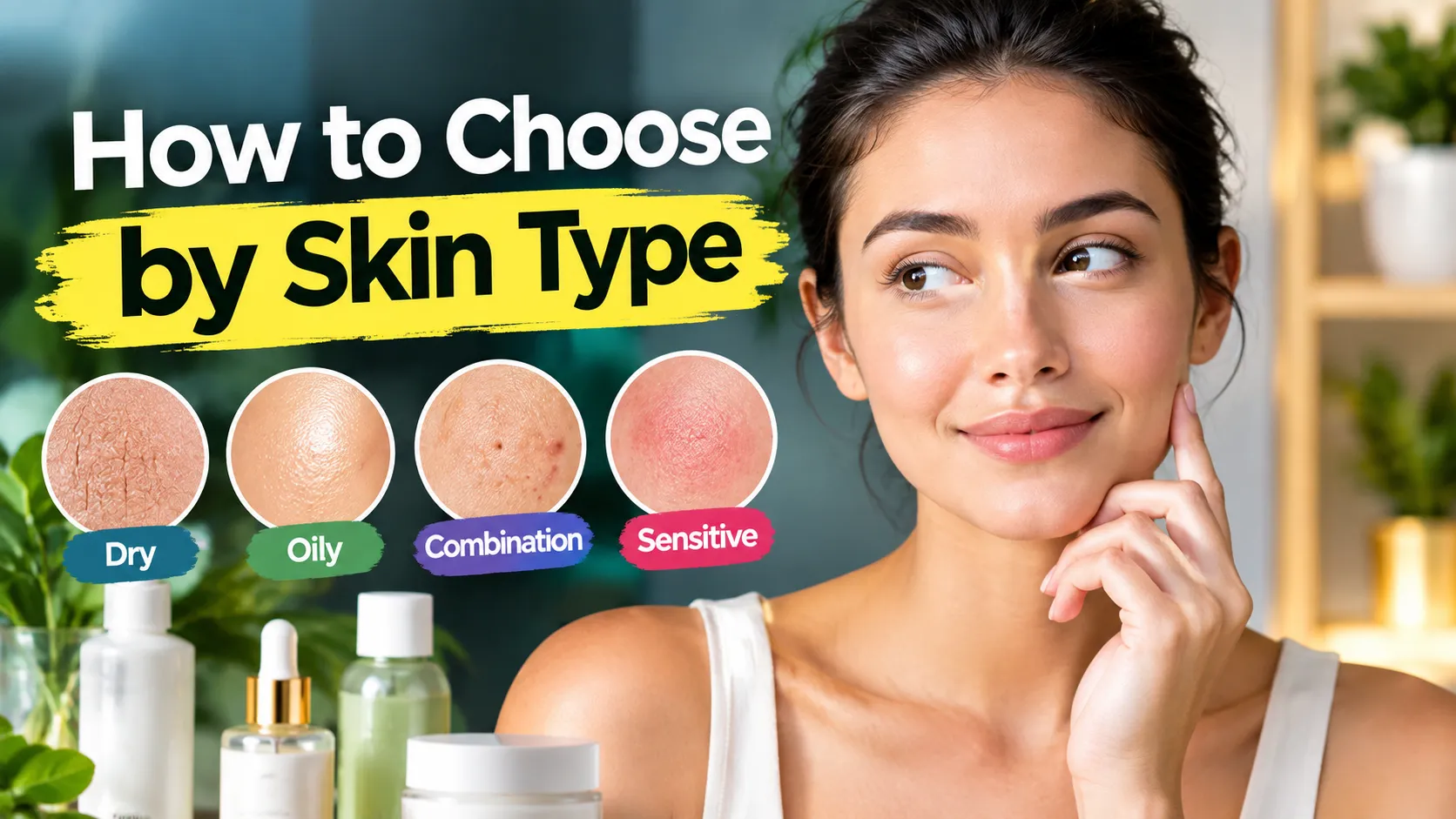
Your skin type is a useful starting point, but it is not a guarantee that a particular oil will work. Two people with similar skin types can react differently to the same formula, so patch testing remains important.
Dry or normal skin may tolerate a richer texture comfortably, while oily or acne-prone skin may prefer a lighter feel. Sensitive skin generally benefits from a simpler routine with fewer potential irritants.
Skin concern versus practical choice
Use this as a starting framework rather than a medical rule.
Swipe left/right to see the full table →
| Skin situation | Consider | Use caution with |
|---|---|---|
| Dry-feeling skin | Comfortable simple oil | Strong fragrance |
| Oily skin | Light texture | Very heavy blends |
| Sensitive skin | Minimal ingredients | Fragrance and actives |
| Acne-prone skin | Non-greasy feel | Products that clog pores |
The goal is not to find the “best” oil for everyone. Choose a formula that fits your skin and routine, then watch how your skin responds.
Practical fit dashboard
A simple fit check can make product selection less confusing.
Simple, fragrance-free formula
Comfortable texture
Easy ingredient list
Strong fragrance
These bars are a practical decision guide, not scientific measurements. A simple formula and comfortable texture generally make a product easier to evaluate.
How to Use Massage Oil on the Face
If your product is appropriate for facial use, application should be gentle. The oil should provide enough slip that your fingers move across the skin without needing aggressive pressure.
A simple seven-step routine
1
2
3
4
5
6
7
This process keeps the focus on clean skin, low friction, careful testing, and a simple formula.
Think of facial massage as a low-friction skincare step. If a product requires strong pressure or creates noticeable irritation, it is not a good routine fit.
Common Problems and What They May Mean
Skin changes after using an oil do not automatically identify the cause. A reaction may relate to fragrance, another ingredient, friction, another skincare product, or an existing skin problem.
Symptoms and possible reasons
The table below is a practical troubleshooting guide, not a diagnosis.
Swipe left/right to see the full table →
| Problem | Possible reason | Better next step |
|---|---|---|
| Burning | Irritation | Stop using it |
| Itching | Possible reaction | Discontinue product |
| Greasy feel | Heavy texture | Use less or switch |
| New bumps | Poor product fit | Pause and reassess |
Warning: Do not continue massaging through burning, significant itching, swelling, or a spreading rash simply because the product is labeled “natural.” A natural ingredient can still disagree with your skin.
Safe Routine Versus Risky Routine
The biggest practical difference is usually how carefully the product is selected and applied. More pressure, more fragrance, or more ingredients do not necessarily create a better facial massage.
Swipe left/right to see the full table →
| Safer routine | Riskier routine | Why |
|---|---|---|
| Clean skin | Dirty skin | Less surface buildup |
| Small amount | Large coating | Better control |
| Gentle pressure | Hard rubbing | Less friction |
| Patch tested | Immediate full-face use | Easier reaction check |
This decision path keeps product selection separate from application technique. If the formula itself is unsuitable, changing massage pressure will not fix the problem.
Common Mistakes to Avoid
Many problems come from treating facial skin like any other body area. Avoid using a product simply because it worked on your hands or legs, and do not assume that a pleasant scent means the formula is facial-friendly.
Mistake versus better choice
Swipe left/right to see the full table →
| Mistake | Better choice | Reason |
|---|---|---|
| Using body oil blindly | Read the label | Use intended guidance |
| Skipping patch testing | Test first | Checks tolerance |
| Using too much | Start small | Easier to assess feel |
| Massaging irritated skin | Let skin settle | Avoids added friction |
What Experienced Skincare Users Often Notice
Beginners often focus on whether an oil feels smooth. More experienced users also look at the full routine: whether the product contains fragrance, whether it fits their skin type, whether it layers comfortably with other products, and whether their skin remains calm afterward.
Another useful habit is changing only one product at a time. If you introduce several new products together and develop irritation, it becomes much harder to identify which change caused the problem.
Tip: Keep your first facial massage routine simple. One familiar, appropriate product is easier to evaluate than several new oils, serums, or active skincare products used together.
What professionals may check
A dermatologist or other qualified healthcare professional can consider your symptoms, product ingredients, skin history, and pattern of irritation when determining what may be happening. This is especially useful when a reaction is persistent, recurring, painful, spreading, or difficult to identify.
Product and Routine Fit
If you are choosing a product specifically for facial massage, prioritize predictable use over elaborate marketing claims. A simple formula that suits your skin is generally easier to evaluate than a heavily scented blend with many extras.
What to look for
Swipe left/right to see the full table →
| Product factor | Good fit when | Reconsider when |
|---|---|---|
| Facial-use label | Instructions allow it | Body-only directions |
| Simple ingredients | Easy to monitor | Many new ingredients |
| Fragrance-free | Sensitive skin preference | Scent is the priority |
Facial use should be allowed.
It should provide comfortable glide.
Keep unfamiliar extras limited.
Stop if your skin reacts.
Use the dashboard as a checklist before buying or applying a product. If several factors are uncertain, a simpler facial product may be easier to assess.
When to Contact a Professional

Most product-selection questions can begin with the label and a cautious patch test, but persistent or significant skin symptoms deserve professional attention. Do not keep experimenting with products when your skin is clearly worsening.
When to contact a professional: Seek qualified medical advice for severe, worsening, unusual, persistent, painful, infected-looking, or spreading skin symptoms. If a reaction is significant or you are concerned about swelling or other serious symptoms, seek urgent medical help.
This dashboard is a safety reminder, not a diagnostic tool. When any red flag applies, professional assessment is more appropriate than repeatedly testing new oils.
A Simple Priority Guide
When deciding whether to use an oil, focus first on safety and product fit. Massage technique comes after those basics.
Check ingredients
Patch test
Use gentle pressure
Choose elaborate blends
These are relative priorities for a practical routine, not research scores. Product safety and skin tolerance should come before adding complexity.
Frequently Asked Questions
Can massage oil be used on your face?
Sometimes, but it depends on the formula, ingredients, intended use, and your skin. Choose a suitable product, patch test first, and stop if irritation develops.
Is facial massage oil the same as body massage oil?
Not necessarily. Body oils may contain fragrance or other ingredients that are not a good fit for facial skin, so check the label and intended use.
Can I use massage oil on acne-prone skin?
Use caution with heavy or pore-clogging-feeling formulas. A lighter, appropriate facial product may be easier to tolerate, but individual skin responses vary.
Should I patch test facial massage oil?
Yes. Patch testing a new product according to its directions can help you check how your skin responds before wider application.
Should facial massage hurt?
Massage should not require painful or aggressive pressure. If your skin or face becomes painful or irritated, stop and reassess the routine.
What should I do if massage oil irritates my face?
Stop using the product and avoid adding other new products while the reaction is being assessed. Seek professional advice if symptoms are severe, worsening, unusual, persistent, or painful.
Can I use scented massage oil around my eyes?
It is better to keep massage products away from the eyes. Fragrance and concentrated ingredients can be irritating, so use extra caution around this sensitive area.
Final Thoughts
The safest approach is to judge the formula, not simply the word “massage.” Choose an appropriate product, patch test it, use gentle pressure, and stop if your skin reacts. Seek professional help for severe, worsening, unusual, persistent, or painful symptoms.
Author
-

I’m Alex Turner, a massage product reviewer and wellness writer at RemedyTip. I specialize in researching, evaluating, and comparing massage and recovery products to help readers make informed purchasing decisions. My focus is on practical, evidence-informed product guidance covering muscle recovery, relaxation, everyday comfort, and wellness.
I take a research-driven approach to every product I review. I examine product specifications, features, materials, performance claims, user feedback, durability, comfort, ease of use, and overall value. When appropriate, I also consult trusted industry and health-related sources to verify important information and provide readers with a more complete and balanced view.
I cover a wide range of products, including massage guns, handheld massagers, neck and shoulder massagers, foot massagers, massage chairs, foam rollers, and other recovery tools. Rather than focusing only on marketing claims, I look at how products compare in real-world use and who they are actually suitable for. I also consider different budgets, use cases, and user needs when making recommendations.
At RemedyTip, I’m committed to accuracy, transparency, and unbiased product information. I clearly distinguish between manufacturer claims, available evidence, and my own product analysis so readers can understand the basis of each recommendation. I continuously research new products, technologies, and developments in the massage and recovery space to keep my content current and useful.
My goal is simple: to provide trustworthy, easy-to-understand information that helps readers choose massage and recovery products with greater confidence.

