Neck massagers use pressure, vibration, heat, or kneading to ease muscle tightness and support relaxation. For people with cervical spine conditions, these devices may offer short-term comfort, but they do not treat nerve compression, spinal damage, or other underlying problems.
I focus on cervical-support features such as adjustable intensity, gentle settings, a comfortable fit, and optional heat. People with neck pain should choose a massager that provides controlled, gentle relief without forcing the neck into an uncomfortable position. Anyone with numbness, weakness, severe pain, or a diagnosed spinal condition should ask a medical professional before using one.
I compared the features, safety considerations, and user experience of leading neck massagers to identify the models that provide practical support for cervical spine concerns.
Best Neck Massagers for Cervical Spine Conditions
I selected these neck massagers based on comfort, adjustable settings, ease of use, and support for gentle neck relief. Review each option carefully and choose one that fits your needs and follows your health professional’s advice.
Upalled Heated Neck Massager Pillow
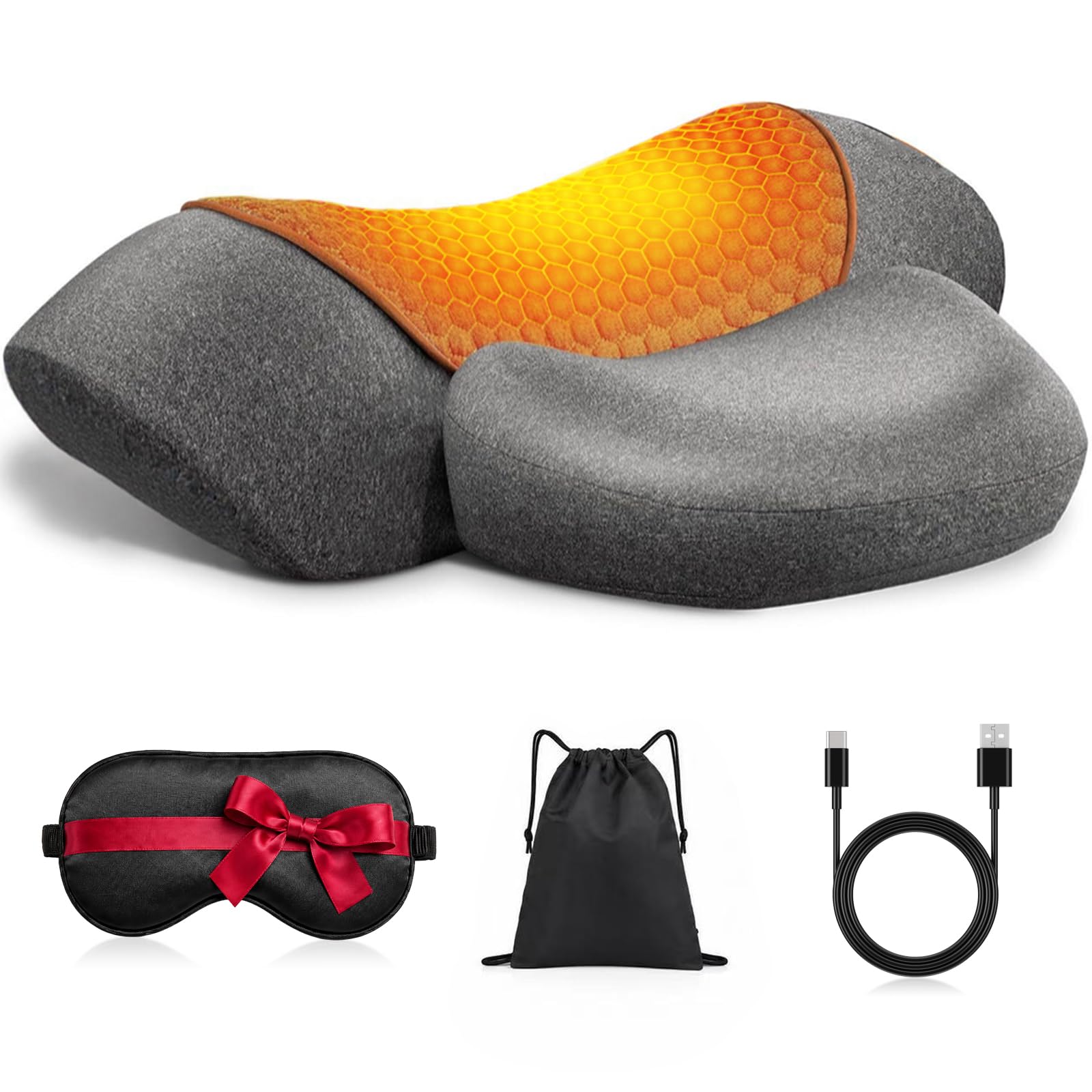
I recommend the Upalled if you want gentle heat, massage, and airbag stretching in one cordless pillow, but people with cervical spine conditions should ask a clinician before using its traction feature.
Pros
- Soft memory foam design feels comfortable under the neck.
- Heat, massage, and airbag stretching offer several ways to relax.
- The 15-minute timer limits each session.
Cons
- It cannot run while charging.
- The stretching action may feel too strong for some users.
- Massage intensity may not suit people who prefer deep kneading.
I found the pillow comfortable during short sessions. The foam supports the neck without the hard plastic feel found on some traction devices. Its fabric also feels breathable, which helps during heated use.
The three massage modes let me switch between light relaxation, percussion, and a combined setting. Heat builds quickly, and the three levels make it easier to choose mild warmth or a stronger setting. The 15-minute shutoff worked well for brief breaks.
The airbag lift provides a softer stretch than rigid traction tools, but I would start with the lowest setting. This device may not suit people with certain spine problems, recent injuries, numbness, or severe pain. Medical advice matters before using any cervical traction product.
Because the pillow needs about four hours to charge and stops working while plugged in, I would charge it before use. Its cordless design makes it easy to use in a chair or bed, while the controls remain simple enough for daily sessions.
RINGCO Heated Neck Massager
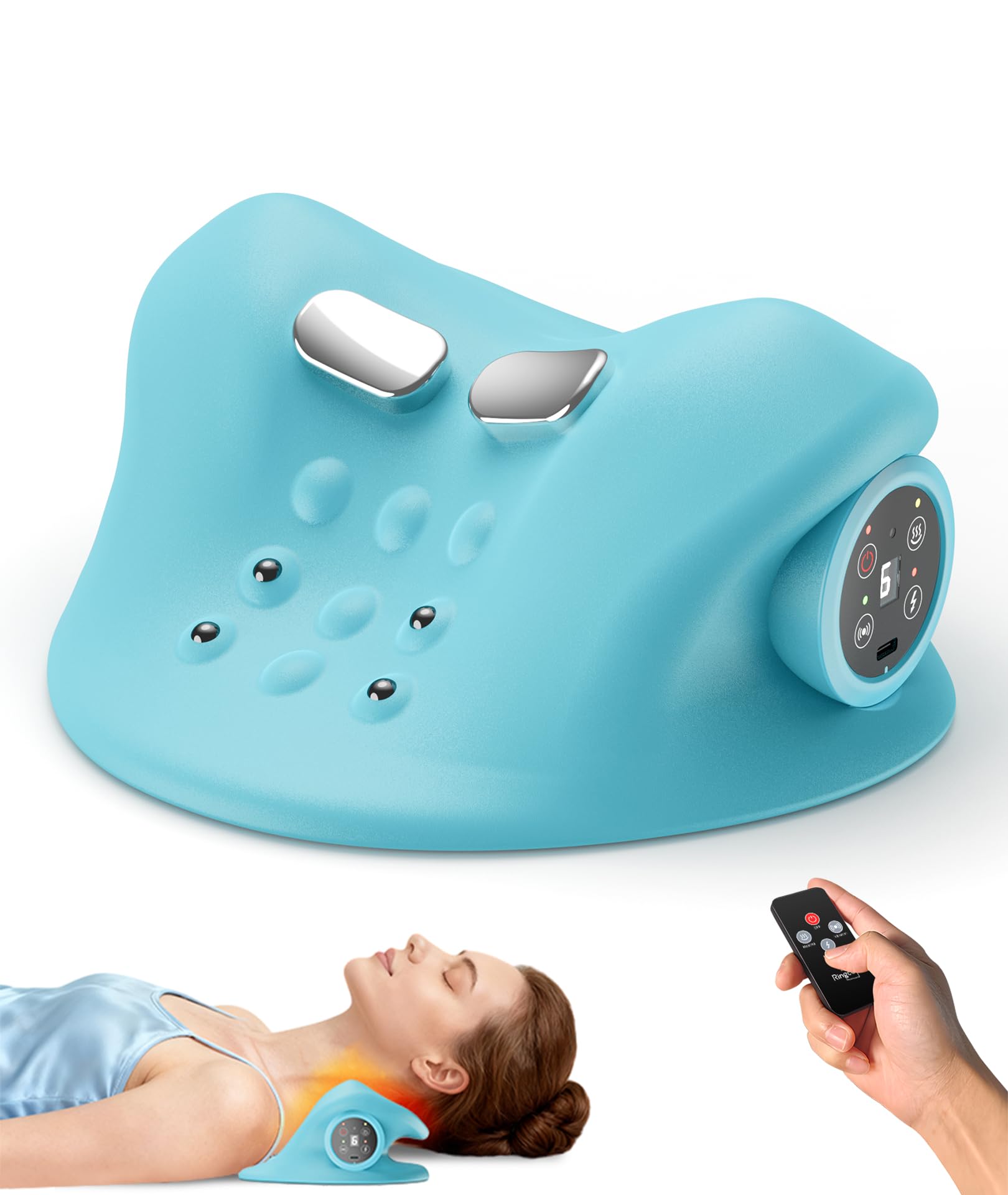
I recommend the RINGCO if you want gentle heat and vibration for everyday neck tension, but I would use it carefully and ask a medical professional before using it for a cervical spine condition.
Pros
- Comfortable heat with three settings
- Gentle vibration and simple remote controls
- Rechargeable and easy to use for short sessions
Cons
- The curved design may feel firm when lying down
- Microcurrent may not suit everyone
- It does not replace medical treatment or physical therapy
I found the heat relaxing, especially after sitting at a desk for several hours. The vibration added a mild soothing effect without feeling too intense at the lowest setting. A 10- to 15-minute session felt like a reasonable starting point.
The 26-degree curve supports the neck, but I did not find it soft or pillow-like. Lying on it may feel uncomfortable at first, so I would use a thin towel for extra padding and stop if it increases pain, numbness, tingling, or dizziness.
The remote makes it easy to adjust the heat, vibration, and microcurrent while using the device. Its automatic shutoff also helps limit session length. Still, people with implanted electrical devices, reduced sensation, recent neck injuries, or diagnosed spine problems should get medical advice before trying the microcurrent or traction features.
Overall, I see the RINGCO as a relaxation tool for muscle tightness rather than a treatment for cervical spine disease. Its heat and vibration worked better for me than its firm stretching shape, so buyers should prioritize comfort and safe use.
NoxLumina Neck Massager
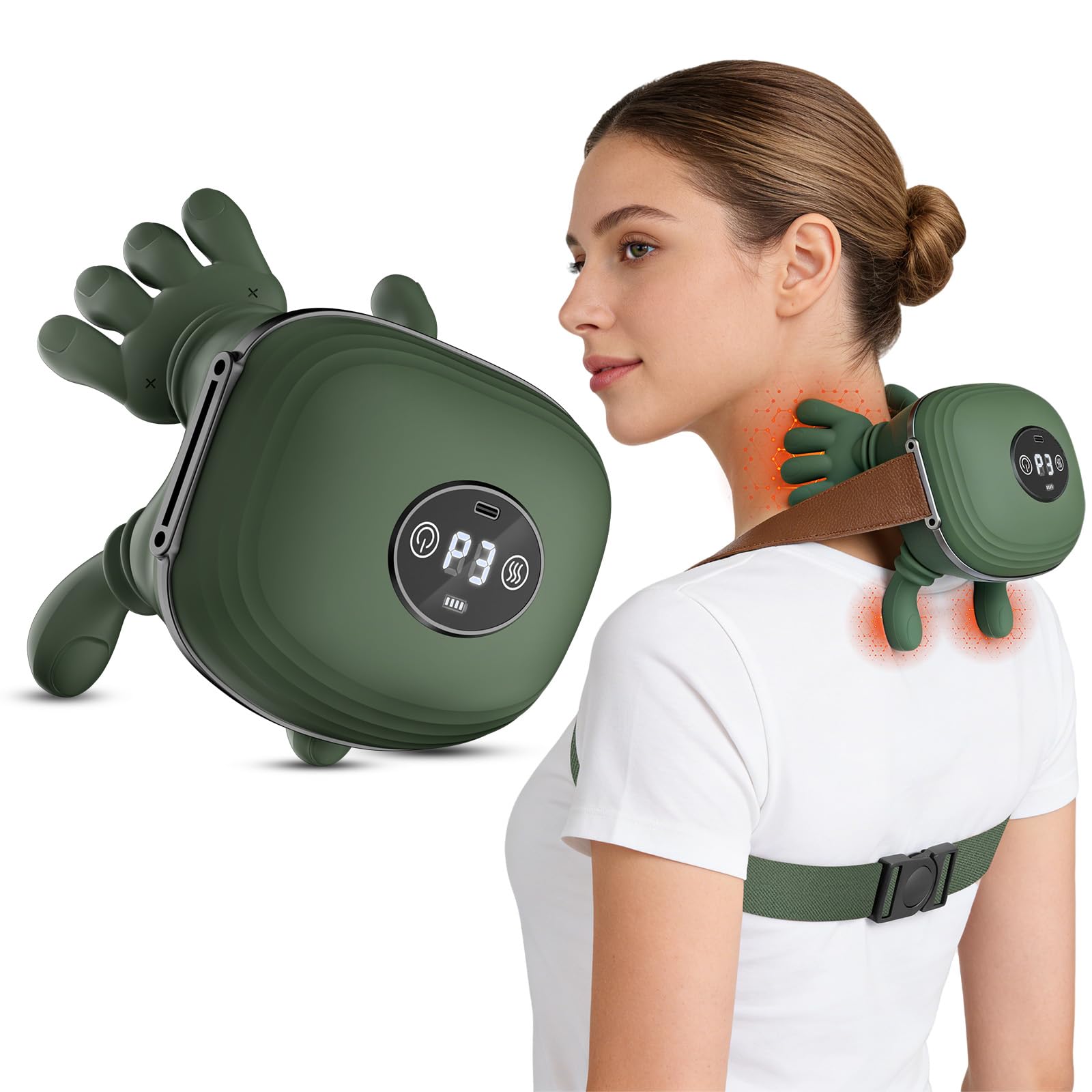
I recommend this massager for people who want cordless kneading and adjustable heat to ease neck and shoulder muscle tension, but it should not replace medical care for cervical spine conditions.
Pros
- Strong kneading action with three intensity levels
- Cordless design with a clear display
- Two heat settings and an automatic 15-minute pause
Cons
- Pressure may feel too strong for sensitive necks
- Some users report motor noise after limited use
- Heat and massage may not suit every cervical condition
I found the kneading motion firm and more focused than a simple vibrating massager. The flexible straps helped me keep the unit in place while I sat on the couch, though I needed to adjust its position to avoid pressing directly on the spine.
The heat added gentle warmth rather than a very hot sensation. I liked being able to choose between two levels, especially after sitting for a long time. The 15-minute shutoff also made the session easy to manage.
Because this device uses deep kneading, I would start with the lowest setting and a short session. Anyone with a diagnosed cervical spine problem, numbness, weakness, severe pain, or recent injury should ask a health professional before using it.
Its cordless design made it convenient around the house, and the screen showed the battery and settings clearly. However, customer feedback includes a report of loud grinding after about a week, so buyers should keep the warranty information and monitor the motor.
AXTEDRPOWE 6D Neck Massager
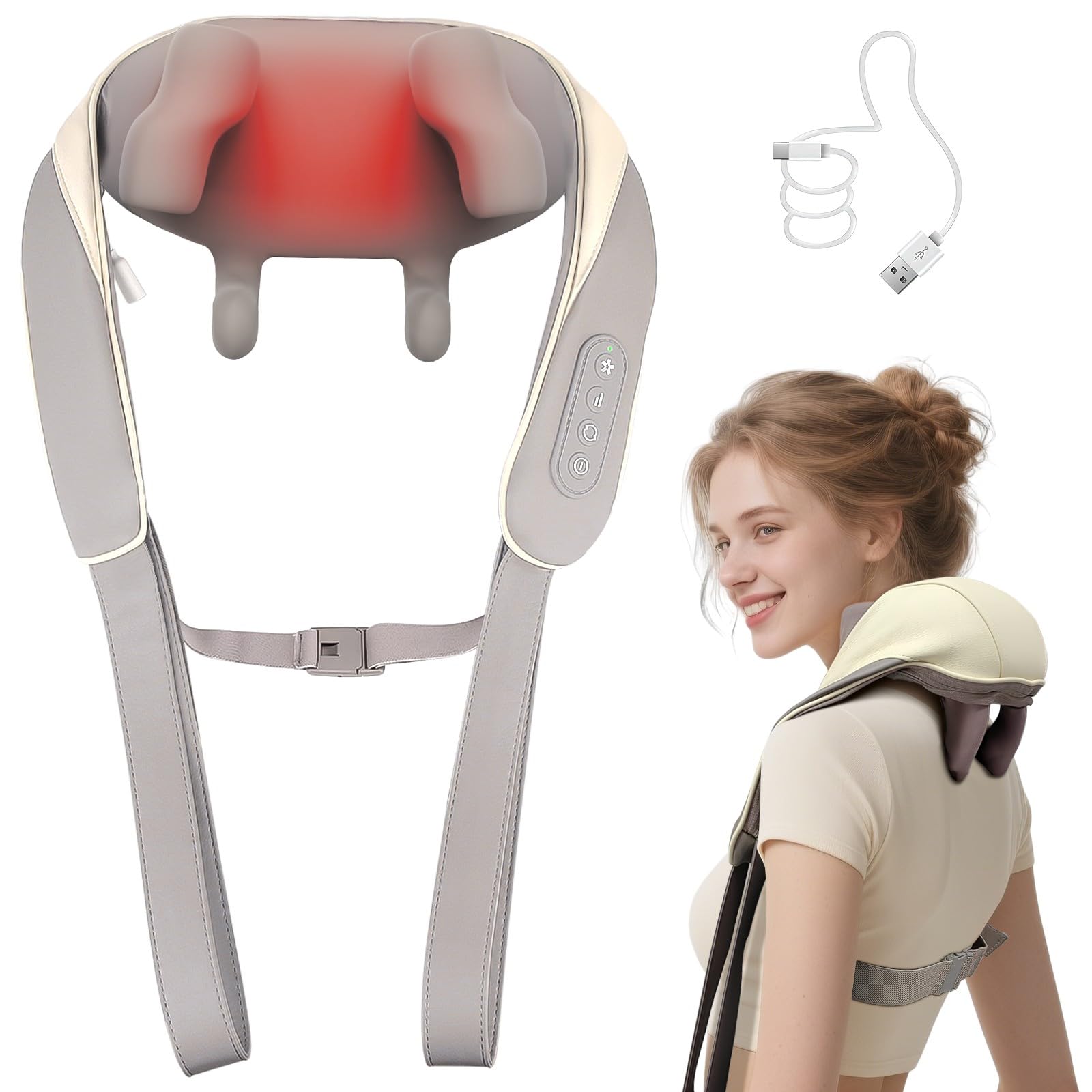
I recommend this massager for people who want adjustable kneading, heat, and cordless use for everyday neck and shoulder tension.
Pros
- Strong, targeted kneading
- Adjustable heat, speed, and massage modes
- Long battery life and flexible straps
Cons
- Pressure may feel too strong for sensitive necks
- It weighs more than some smaller models
- It may not suit every cervical spine condition
I found the six massage nodes noticeably firm, especially around tight shoulder muscles. The wraparound shape stayed in place while I used it at my desk, and the long straps made it easy to control the pressure.
The three intensity levels helped me start gently before moving to a deeper setting. I also liked the two massage patterns because the intermittent mode felt less intense during longer sessions.
Heat added comfort without making the unit difficult to use. The motor stayed fairly quiet, so I could use it while reading or working. Its automatic shutoff also helped me avoid using it for too long.
The main drawback is the strong pressure. People with a sensitive neck may prefer a lighter device, and anyone with a diagnosed cervical spine condition should ask a medical professional before using a deep-kneading massager. I would treat this as a comfort tool, not a replacement for medical care.
With up to 110 minutes of cordless use after charging, it worked well for repeated short sessions. I would choose it for home, office, or travel use when adjustable pressure matters most.
RINGCO Heated Neck Massager
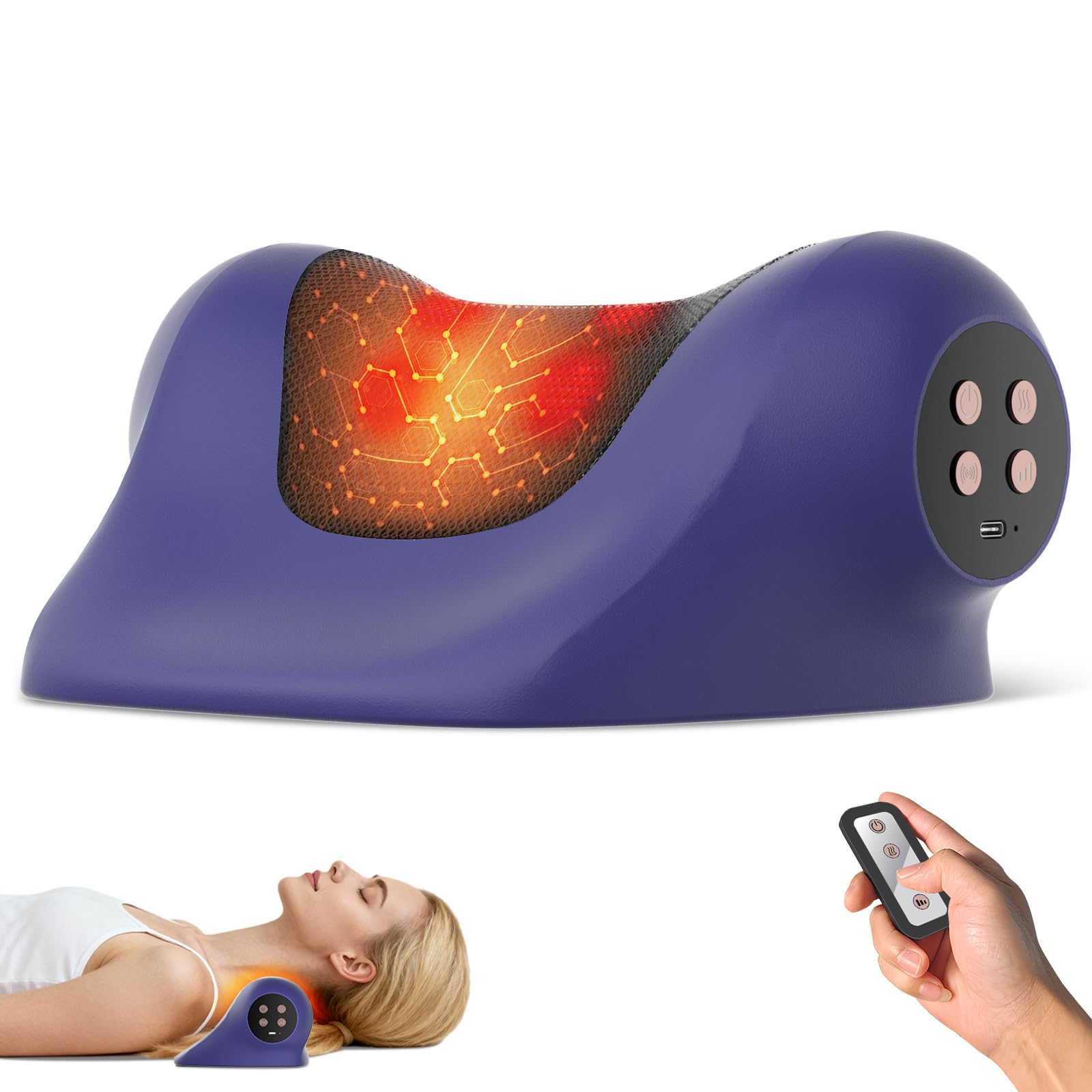
I would recommend this compact massager for gentle heat and vibration during everyday neck stiffness, but I would not use it as a substitute for medical care or prescribed cervical treatment.
Pros
- Heat, red light, and vibration work in one device
- Lightweight design feels comfortable for travel
- Remote makes adjustments easy while reclining
Cons
- The 15-minute timer may feel short
- Vibration may not suit people who prefer firm pressure
- It may not provide enough support for serious cervical conditions
I found the RINGCO easy to place around my neck, and its shape felt comfortable without adding much bulk. The heat warmed quickly and offered a soothing feeling after long periods at a desk or while looking down at my phone.
The three heat levels let me choose a mild or warmer setting. I also liked being able to change the vibration mode with the remote instead of reaching behind my neck. The vibration felt gentle, so I viewed it more as a relaxation feature than a deep massage.
Red light adds another treatment option, although I could not judge its long-term effects from short use. The device also works on areas such as the shoulders, back, waist, and legs, which makes it more useful than a neck-only tool.
Its rechargeable design and light weight make it practical for travel. The automatic 15-minute shutoff helps limit use, but people with diagnosed cervical spine problems should ask a health professional whether heat, vibration, or traction is appropriate for them.
Buying Guide
I look for a neck massager that supports the cervical spine without forcing my neck into a fixed position. A product should feel comfortable, allow easy control, and suit my symptoms rather than promise to treat a medical condition.
| Feature | What I look for |
|---|---|
| Adjustable intensity | Several gentle settings help me avoid excessive pressure. |
| Heat control | Separate heat settings let me use warmth only when it feels comfortable. |
| Ergonomic shape | A balanced design should support my neck without pulling my head forward. |
| Controls | Simple buttons and an automatic shutoff make use easier and safer. |
| Materials | Soft, breathable surfaces improve comfort during short sessions. |
| Cleaning | Removable or wipeable covers help me maintain hygiene. |
I check the product’s weight and fit before buying. A heavy device may strain my shoulders, while a poor fit can place pressure in the wrong area. I also review the return policy, warranty, and user instructions.
For cervical spine conditions, I avoid devices that deliver strong traction, sharp pressure, or forced movement unless a health professional recommends them. I stop using a massager if I notice pain, numbness, tingling, weakness, dizziness, or a headache. I ask my doctor or physical therapist before using one after an injury or during a flare-up.
FAQs
Can a neck massager help cervical spine conditions?
I use neck massagers for short-term muscle tension relief, not as a treatment for spinal conditions. Heat and gentle vibration may feel soothing, but they cannot correct nerve pressure, disc problems, or poor alignment.
What type of massager do I prefer?
I look for adjustable intensity, gentle heat, and a shape that supports the neck without forcing it forward. I avoid devices that apply strong pressure directly to the spine.
How often can I use one?
I follow the product instructions and start with 5 to 10 minutes. I stop if I notice pain, numbness, tingling, dizziness, headache, or increased stiffness.
When should I avoid a neck massager?
I avoid using one after a recent injury, during a severe flare-up, or when I have unexplained weakness or loss of feeling. I also ask a health professional before use if I have osteoporosis, spinal instability, or recent neck surgery.
Can I use one with a herniated disc or arthritis?
I ask my doctor or physical therapist first. They can tell me whether massage is safe and recommend suitable settings or exercises.
What features matter most?
| Feature | Why I look for it |
|---|---|
| Adjustable intensity | Helps me start gently |
| Auto shutoff | Limits extended use |
| Removable cover | Makes cleaning easier |
| Comfortable fit | Reduces strain during use |
Conclusion
I choose a neck massager for its comfort, control, and safety features rather than its intensity. For cervical spine conditions, I look for adjustable pressure, gentle heat, and a design that supports the neck without forcing it into an awkward position.
I use short sessions and stop if I feel sharp pain, numbness, tingling, dizziness, or increased symptoms. A massager may ease muscle tightness, but it does not treat the cause of a spinal condition.
Before I buy or use one, I check with a health professional if I have a diagnosed neck disorder, recent injury, nerve symptoms, or severe pain. My best choice is one that feels comfortable, offers simple controls, and fits the guidance I receive from my clinician.