A massage gun may help loosen muscle tension, but the chest and feet need different safety rules. The chest sits near the heart, ribs, nerves, and other sensitive structures, while the feet contain small bones, joints, and tender tissues.
A massage gun can be used gently on the chest muscles and feet, but it should never strike the breastbone, spine, joints, bones, or areas with numbness or swelling. Michael Hayes of RemedyTip.com recommends using the lowest setting, light pressure, and short sessions while watching for pain or unusual symptoms.
The right attachment and technique can make the experience more comfortable, while poor placement may cause bruising, nerve irritation, or other injury. This guide explains safer target areas, session limits, warning signs, and when medical advice matters.
Key Takeaways
- Use light pressure and a low setting on soft muscle tissue.
- Avoid bones, joints, the breastbone, and painful or swollen areas.
- Stop if symptoms appear and seek medical advice when needed.
Safety Basics Before Use
Safe use depends on avoiding vulnerable areas and keeping pressure low. Users should check for health risks first, then choose a soft attachment and the lowest comfortable setting.
When To Avoid Percussion Therapy
A massage gun should not be used over the breastbone, ribs, throat, spine, joints, or other bony areas. On the chest, it should only touch the soft pectoral muscles, with extra care near the heart and breast tissue. It should never be used on an open wound, rash, bruise, swollen area, numb skin, or recent injury.
People with a pacemaker or other implanted device should avoid using a massage gun near the device unless a clinician approves it. Medical advice also matters for people with bleeding disorders, blood-clot risks, nerve problems, osteoporosis, cancer, pregnancy, or recent surgery.
Chest pain, shortness of breath, dizziness, unusual weakness, or pain that spreads to the arm or jaw requires medical care, not massage. Foot pain with major swelling, warmth, redness, numbness, or a suspected fracture also needs evaluation.
Choosing A Safe Attachment And Setting
The safest starting choice is a soft, round attachment on the lowest speed. It spreads force across the muscle and reduces the chance of irritating tissue. Users should hold the device lightly and keep it moving rather than pressing into one spot.
For the chest, the device should stay on the thick pectoral muscle and away from the center of the chest, ribs, neck, armpit, and breast tissue. For the feet, it should target the fleshy arch and sole, not the toes, ankle bones, heel bone, or areas with reduced sensation.
| Area | Safer approach | Avoid |
|---|---|---|
| Chest | Low speed, soft head, light contact on the pectorals | Sternum, ribs, heart area, neck |
| Feet | Low speed, brief passes over soft tissue | Bones, wounds, swelling, numb areas |
A session should remain brief, such as 30 seconds at a time per spot. Stopping immediately is appropriate if the skin becomes painful, numb, sharply tender, or heavily bruised.
Chest Area Considerations
A massage gun should target soft muscle tissue around the chest, not the breastbone, ribs, throat, or areas with vital organs. Low speed, light pressure, and short sessions reduce the risk of bruising or pain.
Safer Muscular Areas Around The Chest
The device may be used carefully on the pectoralis muscles, which sit on either side of the breastbone. It should stay on the broad, fleshy part of the muscle and avoid the center line of the chest.
They should use the lowest speed and a soft attachment first. The device should keep moving instead of pressing into one spot. A session should last about 30 seconds per area, with no more than light pressure.
The outer chest near the armpit may also contain accessible muscle tissue. The device should not enter the armpit itself, where nerves and blood vessels pass close to the surface.
They should stop immediately if they feel sharp pain, numbness, dizziness, shortness of breath, or unusual discomfort. Anyone with chest pain, a recent injury, surgery, a heart condition, or a blood-clotting problem should seek medical advice before using a massage gun.
Areas To Keep Clear
They should never use a massage gun directly over the following areas:
| Area | Reason to avoid it |
|---|---|
| Breastbone and ribs | These are hard structures that can become painful or injured under repeated impact. |
| Center of the chest | It lies over the breastbone and sits near important internal structures. |
| Neck and throat | These areas contain major blood vessels, nerves, and the airway. |
| Armpit | Nerves, blood vessels, and lymph tissue lie close to the skin. |
They should also avoid broken or irritated skin, bruises, swelling, open wounds, and areas with reduced feeling. A massage gun should not test unexplained chest pain or push through symptoms.
Foot Massage Guidance
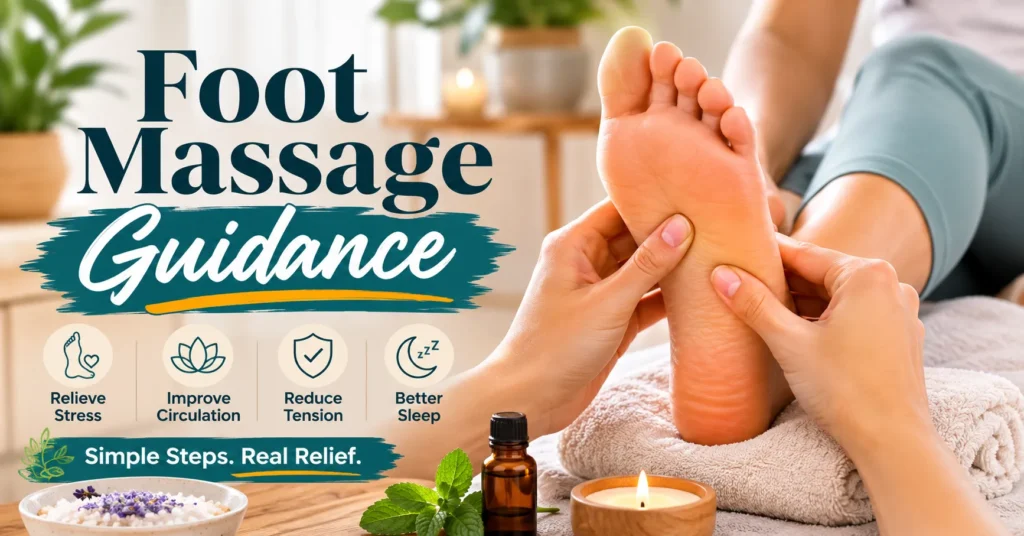
A massage gun can work on the sole and arch when the user applies light pressure and keeps the device moving. The heel, toes, and other bony areas need more caution because they have little soft tissue to absorb the force.
Treating The Sole And Arch
The sole contains muscles and connective tissue that can tolerate gentle percussion. The user should sit down, choose the lowest speed, and use a soft or rounded attachment. He or she should glide the device from the ball of the foot toward the heel without pressing hard or staying in one spot.
Each pass should last only a few seconds. The total time should usually stay under one or two minutes per foot. The user should stop if the area feels sharp, numb, bruised, or more painful. A massage gun should not replace medical care for ongoing heel pain or suspected plantar fasciitis.
Safer technique:
- Keep the foot relaxed.
- Use light contact, not body weight.
- Avoid the center of the arch if it feels highly sensitive.
- Check the skin during and after use.
- Do not use the device over open wounds, swelling, or infection.
Working Around The Heel And Toes
The heel bone and toe joints should not receive direct percussion. The user can instead treat the soft tissue beside the heel, using a low setting and short passes. He or she should avoid the Achilles tendon, the underside of the heel bone, and any area with swelling or bruising.
The toes require extra care because they contain small bones, joints, nerves, and tendons. A massage gun should not touch the toes, the spaces between them, or the top of the foot. Gentle hand massage provides better control in these areas.
People with diabetes, reduced sensation, poor circulation, nerve problems, or a bleeding disorder should ask a health professional before using a massage gun on the feet. They may not notice tissue damage or pressure-related injury.
Technique And Session Length
A massage gun should touch only soft muscle, with light pressure and slow movement. Short sessions work best, especially on the chest and feet, where bones, joints, nerves, and sensitive structures sit close to the surface.
Pressure And Movement Guidelines
The user should choose a soft or standard attachment and begin at the lowest speed. The device should glide over the muscle instead of staying in one spot. Pressure should feel comfortable, not sharp, numb, or painful.
For the chest, the user should work only on the fleshy muscles beside the breastbone and below the collarbone. The device should not touch the breastbone, ribs, throat, spine, armpit, or the center of the chest. It should also avoid breast tissue and any area with pain, swelling, bruising, or a lump.
On the feet, the user can apply gentle pressure to the arch and fleshy sole. The toes, heel bone, ankle bones, and areas with reduced sensation need extra care or avoidance. A massage gun should never replace medical care for unexplained chest pain, foot pain, or numbness.
Recommended Timing And Frequency
A user can apply the massage gun before exercise for about 15–30 seconds per muscle area. The device should keep moving at a low or moderate speed. After exercise, about 1–2 minutes per area may help relax tight muscles without irritating the tissue.
Most users should limit treatment to one or two short sessions per day. The skin and muscles should feel normal afterward; increased soreness, bruising, tingling, or numbness means the user should stop.
| Area | Suggested session | Key limit |
|---|---|---|
| Chest muscles | 30–60 seconds per side | Use light pressure and avoid bones and breast tissue |
| Foot arch | 30–90 seconds per foot | Avoid numb, injured, or swollen areas |
Potential Benefits And Limitations
A massage gun may ease short-term muscle tightness in some parts of the chest and feet when used carefully. It does not treat heart, lung, nerve, bone, or circulation problems, and direct use on sensitive structures can cause injury.
Muscle Tension And Recovery
A massage gun can stimulate soft muscle tissue and may temporarily reduce the feeling of tightness. On the chest, it should target only the outer pectoral muscles, away from the sternum, ribs, breast tissue, throat, and armpit. On the feet, it may help relax the arch or the thicker muscles near the heel, but it should not press directly on bones or painful spots.
Light pressure and a low speed reduce the chance of bruising and irritation. The user should keep the device moving and limit each area to a short session. It should not replace stretching, rest, gradual exercise, or treatment from a qualified professional.
| Area | Possible use | Important limit |
|---|---|---|
| Outer chest muscle | Short-term relief of muscle tightness | Avoid the breastbone, ribs, and sensitive tissue |
| Foot arch | Temporary relaxation after activity | Avoid wounds, severe pain, and bony areas |
What A Massage Gun Cannot Treat
A massage gun cannot repair a fracture, heal a tendon tear, remove a blood clot, or correct poor circulation. It also cannot diagnose chest pain, shortness of breath, numbness, swelling, or unexplained foot pain. Chest symptoms that may involve the heart or lungs require urgent medical assessment, not massage.
The device may worsen bruising, inflammation, nerve irritation, or an untreated injury. People with bleeding disorders, blood-thinning medicine, reduced sensation, recent surgery, or serious circulation problems should seek medical advice before using one. Users should stop immediately if pain, dizziness, weakness, tingling, or increased swelling develops.
Risks, Side Effects, And Warning Signs
A massage gun can cause bruising, skin irritation, nerve discomfort, or increased pain when someone uses too much pressure or targets the wrong area. The chest and feet also contain bones, joints, blood vessels, and sensitive tissues that require careful treatment.
Symptoms That Require Stopping
The user should stop immediately if the massage gun causes sharp, stabbing, burning, or electric-like pain. Numbness, tingling, weakness, loss of coordination, or pain that spreads away from the treated area may indicate nerve irritation.
The user should also stop if the skin becomes severely red, swollen, bruised, or unusually painful. On the chest, breathing difficulty, chest pressure, dizziness, or a fast or irregular heartbeat requires immediate medical attention rather than continued massage.
On the feet, stop if pain increases near the toes, ankle, heel, or arch, especially after an injury. A massage gun should not be used over broken skin, infection, prominent bones, varicose veins, or areas with reduced sensation. Gentle use on the surrounding muscle is safer than direct pressure on these structures.
When To Seek Medical Advice
Medical advice is appropriate when pain, swelling, bruising, numbness, or weakness continues after the session or worsens over the next day. A healthcare professional should assess chest symptoms, including persistent pain, shortness of breath, faintness, sweating, or nausea. Emergency services may be needed for sudden or severe chest symptoms.
People with blood-clotting disorders, blood-thinner use, nerve problems, diabetes-related foot loss of sensation, recent surgery, fractures, or unexplained swelling should ask a clinician before using a massage gun. They should also seek guidance for ongoing foot pain, since repeated percussion can aggravate conditions such as stress injuries or tendon problems.
Special Health Considerations
Certain medical conditions can make percussion unsafe, especially when using a massage gun on the chest. People with circulation, nerve, blood sugar, pregnancy, heart, or lung concerns should seek medical advice before use.
Heart, Lung, And Circulation Conditions
People with heart disease, irregular heart rhythms, implanted devices, or lung conditions should not use a massage gun on the chest without medical approval. The chest contains the heart, lungs, ribs, and major blood vessels. A device should never press directly over the breastbone, ribs, spine, or the front or side of the neck.
People with a history of blood clots, deep vein thrombosis, bleeding problems, or use of blood-thinning medicine should avoid massage guns unless a clinician approves them. Percussion may worsen pain or injury in vulnerable tissues. Anyone with chest pain, shortness of breath, faintness, unusual sweating, or a racing heartbeat should stop immediately and seek urgent medical care. For general safety information, readers can review guidance from the National Health Service on chest pain.
Pregnancy, Diabetes, And Nerve Issues
During pregnancy, a person should ask an obstetric clinician before using a massage gun. The device should not be used on the abdomen, lower back, pelvis, or areas with swelling, pain, or reduced sensation. Gentle use on large muscles may be acceptable for some people, but medical advice should guide the choice.
Diabetes can cause nerve damage and reduced blood flow, which may prevent someone from noticing excessive pressure or skin injury. People with neuropathy, numbness, poor circulation, open wounds, infection, or fragile skin should avoid massage guns on affected areas. They should also check the skin after use. Anyone with unexplained pain or loss of feeling should seek medical evaluation rather than using percussion to mask symptoms.
FAQS
Can someone use a massage gun on the chest?
They can use it lightly on the large chest muscles, such as the pectorals. They should avoid the breastbone, ribs, front of the neck, armpits, and areas directly over the heart. A low setting and soft attachment can reduce the risk of irritation.
How should it be used on the chest?
The user should move the device slowly over the muscle without pressing hard or staying in one spot. Short sessions of about 30 seconds per area are usually enough. They should stop if they feel sharp pain, numbness, dizziness, or unusual discomfort.
Can someone use a massage gun on the feet?
Yes, but the user should apply it only to the fleshy parts of the sole, heel, and calf. They should avoid the toes, ankle bones, the arch if it feels tender, open wounds, bruises, and areas with reduced sensation.
When should a person avoid using one?
A person should seek medical advice before using a massage gun if they have a blood-clotting disorder, nerve damage, a recent injury, or take blood thinners. They should not use it over swollen, infected, or inflamed skin.
What attachment and setting work best?
A soft, rounded attachment and the lowest comfortable speed suit sensitive areas. The device should never cause bruising or lingering pain.