Muscle soreness often follows hard training, especially when the body performs more work than usual. A recovery drink can help replace fluids and provide protein or carbohydrates, but it works best alongside regular meals, sleep, and a well-planned training routine.
For muscle soreness and muscle gain, I look for a drink with enough high-quality protein, useful carbohydrates when needed, and little added sugar. Whey, milk, and some plant proteins can support muscle repair, while water and electrolytes may help after long or sweaty workouts. No drink can prevent all soreness, and people with medical conditions should check with a health professional before using supplements.
When choosing a recovery drink, I check the protein amount, ingredient quality, serving size, sugar, calories, allergens, and third-party testing. I reviewed the leading options to find the recovery drinks that best support training, hydration, and practical everyday use.
Best Recovery Drinks for Muscle Soreness and Gain
I reviewed recovery drinks that can help ease muscle soreness and support muscle growth after exercise. My list includes options with protein, carbohydrates, electrolytes, and other useful nutrients.
LEGION Recharge Watermelon

I recommend LEGION Recharge if you want a creatine-based recovery drink with a pleasant flavor and a short ingredient list.
Pros
- Enjoyable watermelon flavor with no artificial sweeteners or dyes
- Includes micronized creatine and other recovery-focused ingredients
- Clear label and third-party testing
Cons
- May cause water retention for some users
- Can upset the stomach, especially when starting
- Requires thorough shaking to mix well
I found the watermelon flavor easy to drink after training, with no strong aftertaste. It mixed fairly well in water, though I needed to shake it again if the drink sat for a while.
The formula includes creatine monohydrate along with other ingredients aimed at muscle recovery and growth. I liked that the label clearly lists the ingredients instead of using a proprietary blend.
With 30 servings per container, this powder fits a regular workout routine. Some people may notice bloating, water retention, or stomach discomfort from the creatine, so I would start with the recommended serving and monitor how I respond.
The product has a 4.4-star rating from more than 700 Amazon customers. I would choose it for its flavor, transparent formula, and convenient post-workout use, but I would skip it if creatine tends to upset my stomach.
Xtend Original BCAA Powder

Buy this if you want a sugar-free workout drink with BCAAs, electrolytes, and a strong watermelon flavor to support hydration and recovery.
Pros
- Good watermelon taste with easy mixing
- Includes 7g of BCAAs, glutamine, and electrolytes
- Caffeine-free and sugar-free
Cons
- May taste too sweet for some people
- Does not replace a complete protein shake
- Results for soreness can vary
I mixed this with cold water and sipped it during and after training. The watermelon flavor tasted bright and refreshing, while the powder dissolved without much effort. I liked having a caffeine-free option that did not feel heavy during exercise.
The added electrolytes made it useful during longer workouts, especially when I was sweating more than usual. The drink also worked well alongside creatine or a protein shake, but I would not use it as my main source of post-workout nutrition.
My soreness did not disappear, but consistent use fit well with my recovery routine. Each container provides 30 servings, so it works best for people who plan to use it regularly. Some shoppers may find the flavor too sweet, and the product should not replace meals or adequate protein.
Jacked Factory Growth Surge

I recommend Growth Surge for anyone who wants a simple post-workout drink with creatine to support strength, muscle growth, and recovery.
Pros
- Mixes easily with water
- Sweet Swoleberry flavor
- Combines creatine with betaine and L-carnitine
Cons
- Flavor may taste too strong for some people
- It does not provide protein or carbohydrates
- Creatine may cause stomach discomfort for some users
After using it, I found that the powder mixed quickly and left little residue. The Swoleberry flavor tasted sweet and fruity, though I would use more water if you prefer a milder drink.
The formula gives me creatine along with betaine and L-carnitine tartrate. That makes it more useful than a basic flavored creatine product, but it does not replace a protein shake or a balanced meal after training.
I like the 30-serving container because it fits a daily routine. I would take it after workouts and keep eating enough protein, calories, and fluids to support muscle repair. Results from creatine also build over time rather than appearing after one serving.
Some users may notice stomach discomfort, especially if they already use several supplements. I would start with the suggested serving and check how my body responds. With a 4.5-star rating from more than 3,000 customers, it remains a popular option for a combined recovery and muscle-building supplement.
Voli Recovery Drink Mix
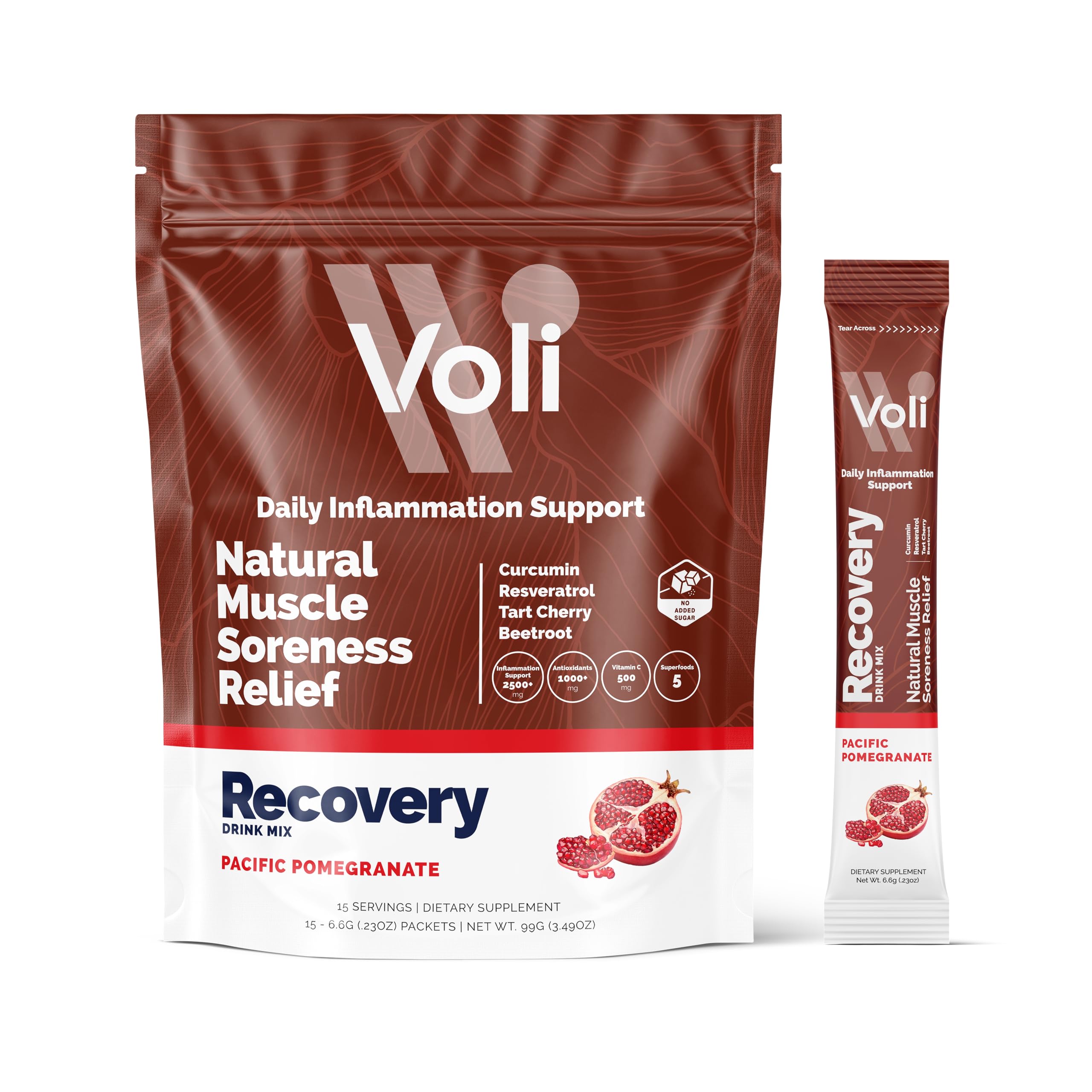
I recommend Voli Recovery if you want a convenient, low-sugar drink with plant-based ingredients to support post-workout recovery.
Pros
- Bright pomegranate flavor
- No added sugar or artificial sweeteners
- Easy single-serve packets
Cons
- Does not provide protein for muscle growth
- Tart flavor may not suit everyone
- Results may vary by person
I found the Pacific Pomegranate flavor refreshing and easy to drink after training. It tastes more like a light fruit drink than a typical supplement, and I did not notice an artificial aftertaste.
The packets made my routine simple. I mixed one with 16 ounces of water, with no blender or measuring needed. The blend includes tart cherry, curcumin, ginger, beet root, and vitamin C, which may support the body’s normal recovery process.
This drink may help people who feel sore after runs, lifting sessions, or long active days. However, it is not a replacement for a protein shake because it does not offer much protein or the calories needed to directly support muscle gain.
Voli provides 15 packets per box, so the supply may run out quickly if I use it every day. Still, its clean ingredient profile and pleasant taste make it a useful option for a simple post-workout drink.
MuscleTech Glutamine Powder

I recommend this unflavored glutamine powder if you want an easy way to add 5 grams of glutamine to a post-workout drink.
Pros
- Mixes easily with water, protein, or other workout powders
- Has no noticeable flavor or smell
- Provides 60 servings per container
Cons
- The large container has unused space
- It may not noticeably reduce soreness for everyone
- The powder adds little flavor or sweetness to drinks
I found the powder easy to blend into my protein shake after training. It dissolved quickly and did not change the taste, which made it simple to keep using alongside creatine or BCAAs.
The plain formula works well for people who already have a preferred recovery drink. I could also mix it with water, though the lack of flavor made that option less enjoyable.
MuscleTech recommends taking two servings daily, while each serving provides 5 grams of L-glutamine. I would treat it as a supplement to a balanced diet, not a replacement for enough protein, calories, sleep, and fluids.
The container holds 60 servings and has earned strong customer feedback, but its size feels larger than needed. Overall, I think it suits shoppers who want a simple, flexible glutamine powder without added flavors or fillers.
Buying Guide
I choose a recovery drink by checking its protein, carbohydrate, and hydration content. Protein supports muscle repair, while carbohydrates help restore energy after hard or long workouts.
| Feature | What I look for |
|---|---|
| Protein | About 20–30 grams per serving for post-workout use |
| Carbohydrates | A useful amount after endurance or high-volume training |
| Fluids and electrolytes | Helpful after sweating heavily |
| Added sugar | I prefer a moderate amount and avoid unnecessary sweeteners |
| Ingredients | A short, clear list that fits my diet |
| Calories | Enough to support my goals without adding unwanted calories |
I also check the serving size and nutrition facts instead of relying only on front-label claims. A drink with little protein may suit hydration, but it may not provide enough support for muscle gain.
For muscle soreness, I avoid assuming that a drink will remove pain. I look for adequate protein, fluids, and carbohydrates, while keeping my wider diet, sleep, and training routine in mind.
I select a product that I can digest comfortably and use consistently. If I have food allergies, a medical condition, or dietary limits, I check the ingredient list carefully and seek professional advice when needed.
FAQS
What is the best recovery drink for muscle soreness and gain?
I usually choose a drink with 20–30 grams of protein and some carbohydrates. Chocolate milk, a whey protein shake with fruit, or a soy protein shake can support muscle repair and replace some energy after training.
Does a recovery drink reduce soreness?
A drink cannot remove soreness, but protein may support muscle repair. I also focus on sleep, regular meals, gentle movement, and enough fluids.
When should I drink it?
I drink it after training or with my next meal. The exact timing matters less than getting enough total protein and calories during the day.
Is water enough after a workout?
Water works for short or low-intensity sessions. After long, hot, or sweaty workouts, I may choose a drink with carbohydrates and electrolytes.
Can I use a plant-based recovery drink?
Yes. I choose soy, pea, or a blended plant protein with about 20–30 grams of protein. I check the label for added sugar and choose a product that fits my diet.
Should I avoid high-sugar drinks?
I limit drinks with large amounts of added sugar unless I need quick carbohydrates after long endurance training. A homemade shake lets me control the ingredients.
Conclusion
I choose a recovery drink based on my training goals, daily diet, and tolerance. For muscle gain, I look for 20–40 grams of protein and enough calories to support my needs. For soreness, I also focus on water, carbohydrates, sleep, and regular meals.
A simple protein shake with milk or a fortified plant drink works well for me. After long or intense sessions, I may add fruit, oats, or another carbohydrate source to refill energy stores.
I do not expect any drink to remove soreness on its own. I use recovery drinks as one part of a plan that includes balanced meals, steady training, rest, and enough fluids.