Electrolyte drinks can help replace fluids and minerals lost through sweat, illness, or long periods of activity. Sodium is especially important because it supports fluid balance, while potassium and magnesium also help normal muscle and nerve function. For most daily hydration, though, plain water and a balanced diet remain enough.
I look for recovery drinks that match the activity and the person’s needs. A drink for long workouts may need more sodium and carbohydrates, while a low-sugar option may suit light exercise or everyday use. The best recovery electrolyte drink provides enough sodium for the situation without adding unnecessary sugar, stimulants, or extra ingredients.
I also check serving size, electrolyte amounts, flavor, cost, and any health concerns before buying. I reviewed the leading options and compared their formulas, taste, and practical use to identify the drinks that support recovery most effectively.
Best Recovery Electrolyte Drinks
I reviewed recovery electrolyte drinks for hydration, taste, ingredients, and ease of use. The list below highlights my top picks for workouts, travel, and daily fluid replacement.
RECOV3R 180 Organic Hydration Drink
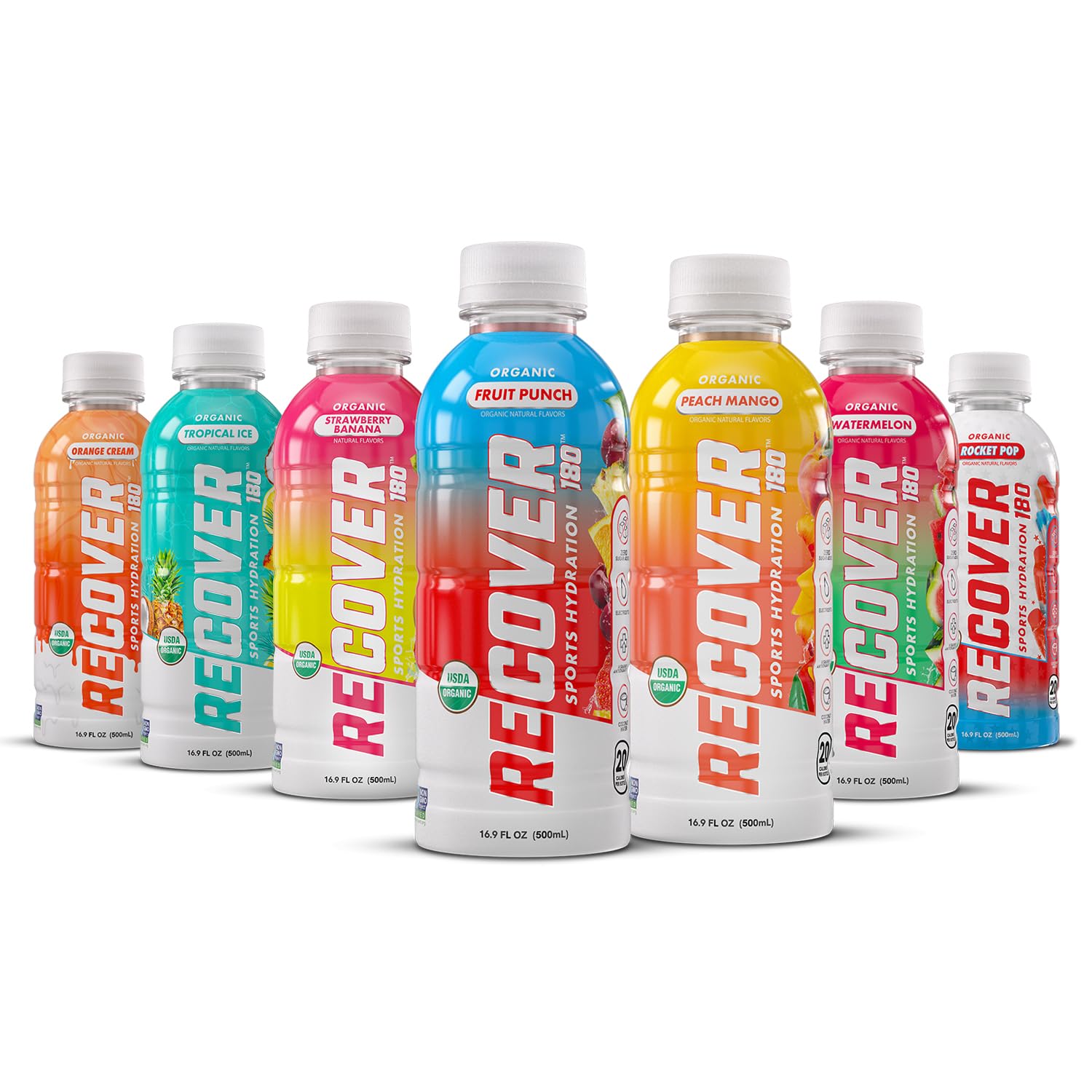
I would buy RECOV3R 180 if I wanted a light, organic electrolyte drink without added sugar or a strong sweet taste.
Pros
- Light, refreshing flavors
- Organic ingredients with no artificial dyes or sweeteners
- Provides potassium, vitamins, and electrolytes
Cons
- Mild flavor may feel too subtle for some people
- Offers little protein for post-workout recovery
- Variety packs may include flavors I do not prefer
After trying it, I found the drink easy to sip during and after exercise. It did not have the syrupy texture or salty aftertaste I notice in some sports drinks.
The variety pack gave me several flavors to choose from, and most tasted clean and mild. I liked that it used coconut water, vitamins, and antioxidants without adding sugar. The drink contains 20 calories per bottle, which also fits well into a lighter daily routine.
I would keep these bottles on hand for workouts, warm days, or times when I need fluids but do not want a very sweet drink. However, I would pair it with food or a separate protein source after demanding training because it does not provide much protein.
RecoverORS Electrolyte Powder

I recommend RecoverORS for adults who want a low-sugar electrolyte drink with added vitamin C and potassium.
Pros
- Low sugar and suitable for keto diets
- Tangerine flavor mixes easily in water
- Useful after workouts, heat exposure, or travel
Cons
- The taste may seem slightly medicinal
- It can feel a little slick when mixed
- It does not provide caffeine for an energy boost
I found the tangerine flavor lighter than many sports drinks. It was not especially sweet, which worked well when I wanted hydration without a large amount of sugar.
The powder felt most useful after heavy sweating or a long day outdoors. It includes potassium citrate and vitamin C, but I would not rely on it as a replacement for a balanced diet or medical treatment.
Each box contains 25 single-use packets. I liked the packets for travel because they took up little space and made portioning simple. Still, I needed to stir the drink well to avoid some texture at the bottom of the glass.
RecoverORS has a 4.4-star rating from 664 customer ratings. Based on my use, it suits people who prefer a low-carb electrolyte mix and can accept a less candy-like flavor.
FITAID Citrus Medley Recovery Drink
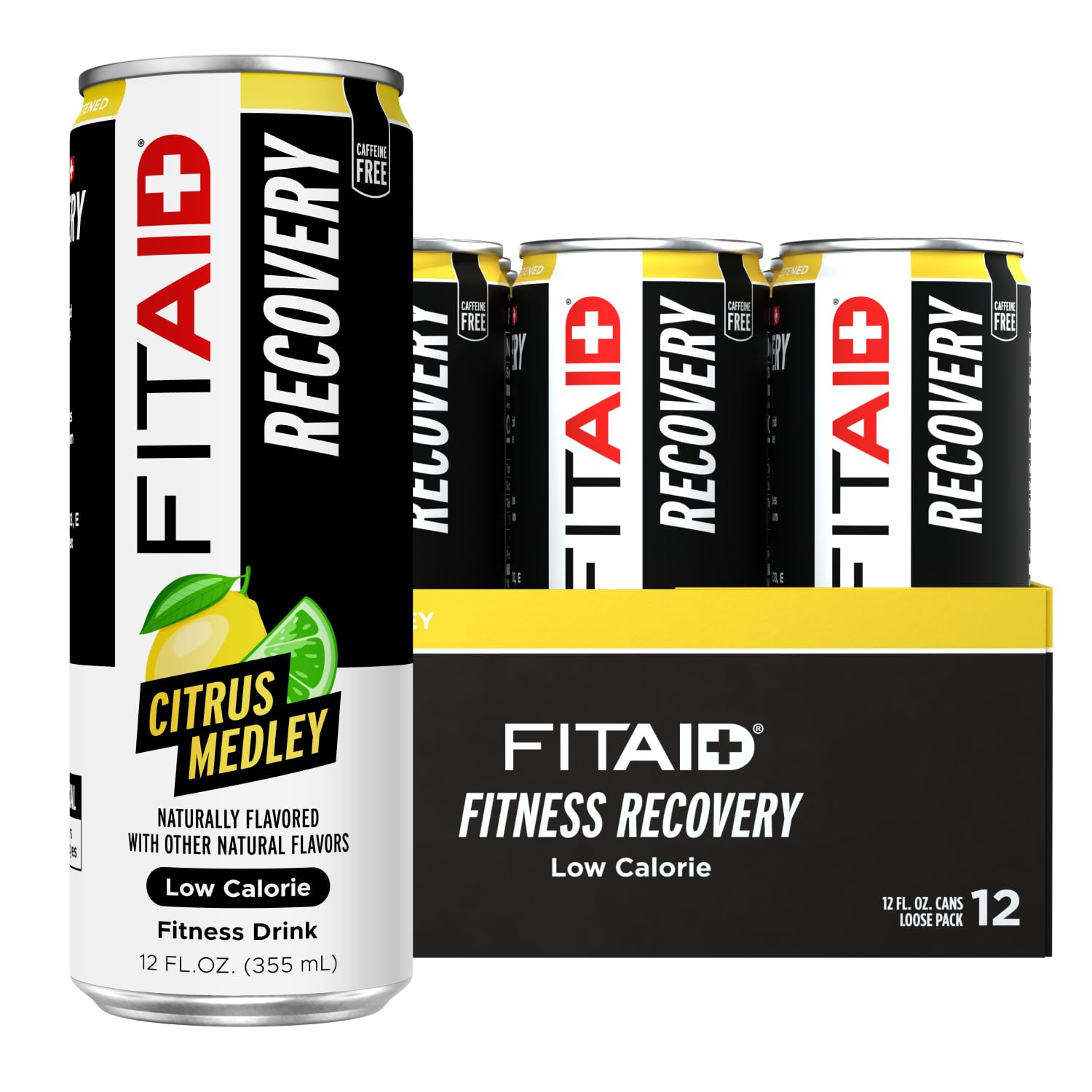
I recommend FITAID if you want a caffeine-free post-workout drink with electrolytes, BCAAs, and a light citrus flavor.
Pros
- Refreshing citrus taste with mild carbonation
- Includes electrolytes, BCAAs, and B vitamins
- Vegan, gluten-free, and free from artificial sweeteners
Cons
- Carbonation may not suit everyone after exercise
- More expensive than basic electrolyte mixes
- Does not provide much protein for muscle recovery
I found the Citrus Medley flavor easy to drink after a demanding workout. It tastes brighter and less syrupy than many sports drinks, while the light carbonation adds a pleasant fizz. I would chill it before drinking because it tastes best cold.
The blend includes electrolytes, BCAAs, glutamine, glucosamine, turmeric, CoQ10, quercetin, and B vitamins. I liked having several recovery-focused ingredients in one ready-to-drink can, although I would still pair it with a meal or protein source after hard training.
| Feature | Details |
|---|---|
| Flavor | Citrus Medley |
| Pack size | 12 cans, 12 fl oz each |
| Caffeine | None |
| Diet-friendly | Vegan, gluten-free, paleo-friendly, and kosher |
The main drawback is the price compared with powdered electrolyte products. I also noticed that carbonation can feel less comfortable immediately after intense exercise. Shipping in cold weather may require care, as some customers reported damaged or swollen cans.
Overall, I would choose FITAID for convenience, flavor, and its broad ingredient blend. I would skip it if I wanted a low-cost drink, a still beverage, or substantial protein after training.
Electrolit Coconut Electrolyte Drink
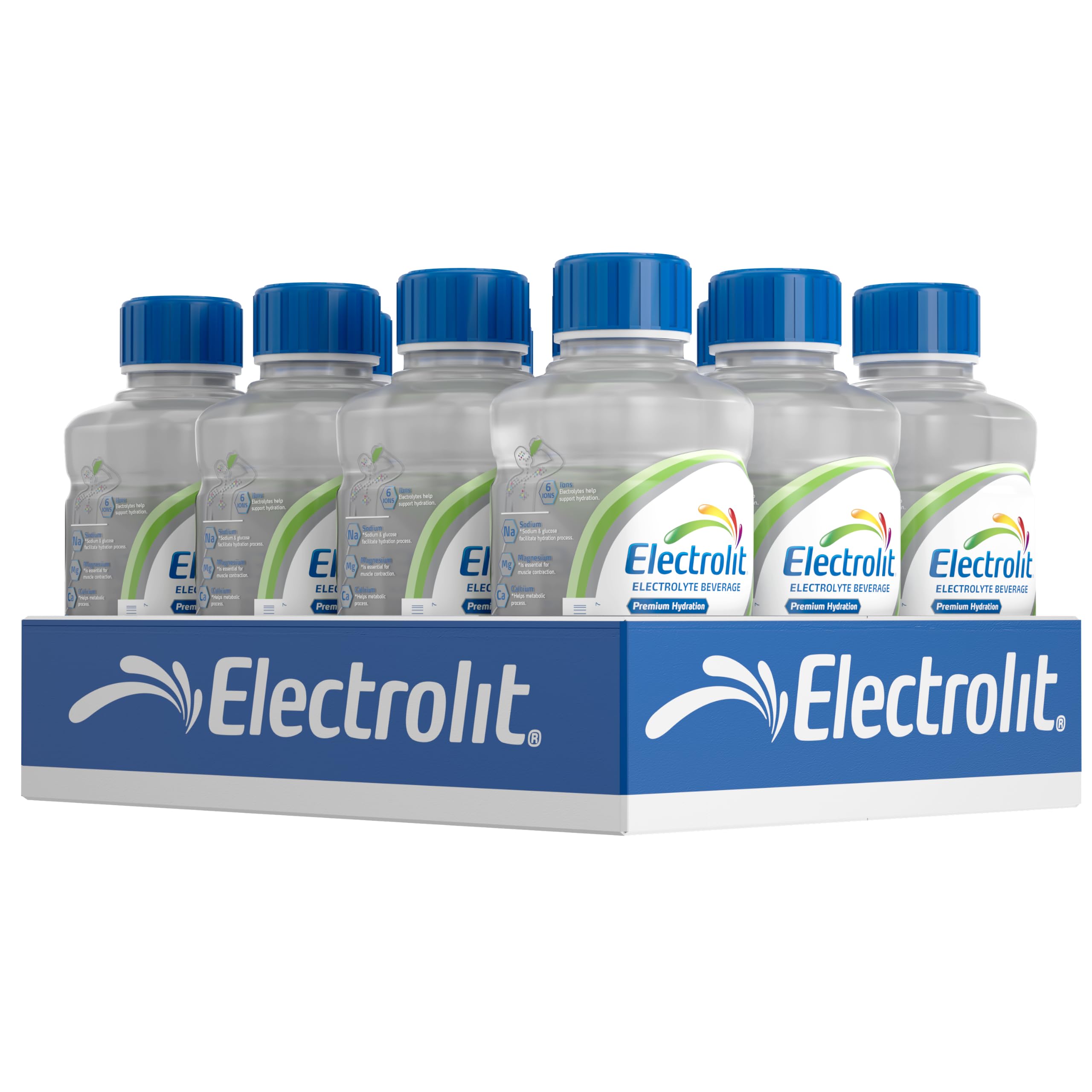
I recommend Electrolit Coconut for recovery after workouts or time in the heat because it tastes smooth and provides several key electrolytes.
Pros
- Mild coconut flavor with moderate sweetness
- Includes sodium, potassium, magnesium, and calcium
- Convenient 12-pack for regular use
Cons
- Contains sugar
- Coconut flavor may not suit everyone
- Bottles take up more space than powder packets
I found the coconut flavor easy to drink after exercise. It tastes sweet, but not as strongly as some sports drinks, and I did not find it overly heavy. The liquid format also made it convenient when I wanted hydration without mixing powder.
Electrolit includes four main electrolytes, which made it a useful choice after sweating. I also liked that it contains no caffeine, so I could drink it later in the day without adding a stimulant.
The main drawback is the sugar content. I would choose a sugar-free option if I needed to closely limit sugar. The bottles also work better for home, car, or gym use than for packing light.
With its convenient bottles and well-liked taste, Electrolit Coconut is a practical recovery drink for people who do not mind regular sports-drink sweetness.
XTEND Sport BCAA Powder
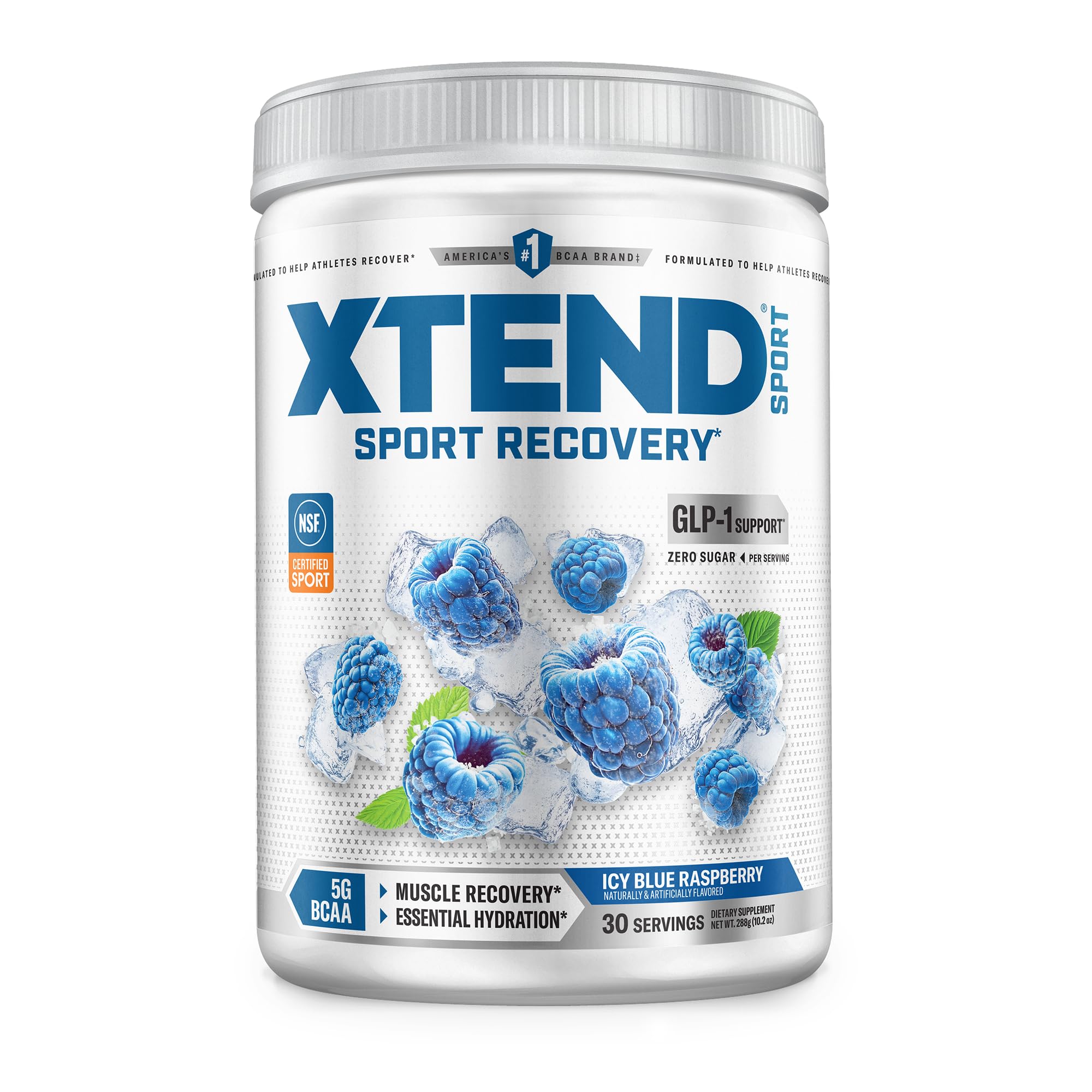
I recommend XTEND Sport if you want a sugar-free recovery drink with BCAAs and electrolytes in one serving.
Pros
- Refreshing blue raspberry flavor
- No sugar, carbs, or calories
- NSF Certified for Sport
Cons
- Can taste chalky when mixed too strongly
- May feel too sweet for some users
- It contains tree nuts
I found the powder easy to mix in a shaker bottle, though I preferred using more water for a lighter taste. The blue raspberry flavor was refreshing without tasting overly sharp or artificial.
The drink gave me a simple way to add fluids and BCAAs around workouts. Its electrolyte blend supported my hydration routine, while the lack of sugar made it useful when I wanted a low-calorie option.
One scoop provides 7 grams of BCAAs in a 2:1:1 ratio. I would not treat it as a replacement for food or a complete protein source, but it worked well as a convenient post-workout drink.
XTEND Sport comes in a 30-serving container and has earned a 4.6-star average from more than 14,000 Amazon ratings. I noticed some chalkiness when I used too little water, so following the mixing guidance improved the texture.
Buying Guide
I look for an electrolyte drink that matches my activity, sweat level, and diet. For short, light workouts, I usually choose a lower-calorie option. For longer or harder sessions, I consider products with more sodium and carbohydrates.
| Feature | What I look for |
|---|---|
| Sodium | A useful amount for replacing sodium lost through sweat |
| Carbohydrates | Helpful during long or intense activity |
| Sugar | A level that fits my needs and daily diet |
| Calories | Low or moderate if I only need fluids and electrolytes |
| Ingredients | A short list with familiar ingredients |
| Serving size | Clear directions for mixing and use |
| Diet needs | Options that fit allergies, caffeine limits, or other restrictions |
I check the nutrition label instead of relying on terms such as hydration or recovery. Sodium often matters most for heavy sweaters, while carbohydrates may help during extended exercise.
I also consider taste and portability. A flavor I enjoy makes it easier for me to drink enough, and single-serve packets can work well for travel. I avoid products with ingredients I cannot tolerate, and I follow the label’s mixing instructions.
FAQs
What makes an electrolyte drink good for recovery?
I look for sodium, potassium, and fluids. Sodium helps replace salt lost through sweat, while water supports rehydration. A small amount of carbohydrate can also help after long or intense exercise.
How much sodium should my drink contain?
I usually choose a drink with about 200–500 milligrams of sodium per serving for regular workouts. I may choose more after heavy sweating, long exercise, or training in hot weather.
Do I need electrolytes after every workout?
I do not need them after every short or easy session. Water and a regular meal often provide enough fluids and minerals. I consider an electrolyte drink when I sweat heavily or exercise for more than an hour.
Is a low-sugar electrolyte drink better?
I choose based on my activity. Low-sugar drinks work well for light exercise, while a drink with carbohydrates may help during longer sessions. I also check the serving size because sugar levels vary by product.
Can I drink electrolytes before bed?
I can, but I avoid large amounts if they disturb my sleep or cause frequent bathroom trips. I also check the label for caffeine and added stimulants.
What should I avoid?
I avoid drinks with excessive sugar, unnecessary stimulants, or ingredients that upset my stomach. I compare labels and choose a flavor I will actually drink.
Conclusion
I choose an electrolyte drink based on my activity, sweat loss, and personal needs. For a short, light workout, water may be enough. After heavy exercise or long sessions, I look for sodium, potassium, and fluids to help replace what I lost.
I also check the label for added sugar, caffeine, and serving size. A lower-sugar option works well for daily use, while a drink with more carbohydrates may suit longer endurance activities.
Taste matters because I am more likely to drink something I enjoy. I also avoid ingredients that do not fit my diet or health needs. If I have a medical condition or follow a restricted diet, I check with a health professional before using electrolyte products often.