Running places heavy demands on the body, and a recovery drink can help replace fluids, carbohydrates, and electrolytes lost during exercise. These drinks range from water-based electrolyte mixes to shakes with protein and carbohydrates, so the best option depends on workout length, sweat loss, and dietary needs.
For most runners, the best recovery drink combines water, electrolytes, carbohydrates, and enough protein to support muscle repair without adding unnecessary sugar or calories. I look closely at protein content, carbohydrate levels, sodium, serving size, ingredients, taste, and how easily each drink mixes. Runners with medical conditions or special nutrition needs should check with a health professional before using supplements.
I tested and compared recovery drinks to find the options that best support hydration and post-run nutrition, then considered the key details runners should review before buying.
Best Recovery Drinks for Runners
I reviewed recovery drinks that help runners replenish fluids, carbohydrates, and protein after a workout. My picks include options for different training needs, flavors, and dietary preferences.
Tailwind Recovery Mix
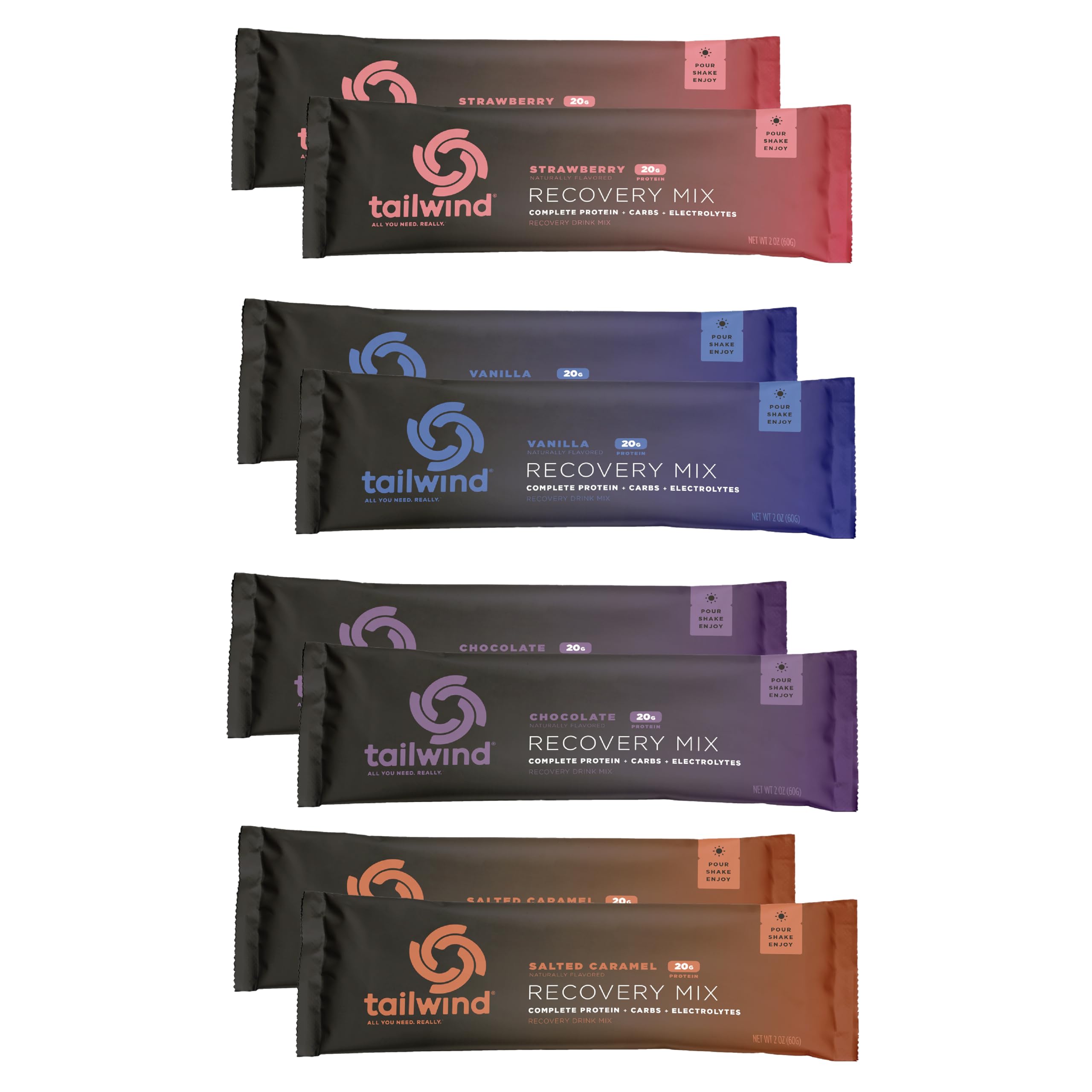
I recommend Tailwind Recovery Mix for runners who want vegan protein, carbohydrates, and electrolytes in one easy post-run drink.
Pros
- Provides 20 grams of complete protein per serving
- Mixes easily and feels light after hard runs
- Comes in several flavors
Cons
- Some flavors may taste too mild or artificial
- The powder can feel filling after intense exercise
- Single-serving packets may cost more than a large tub
I found this mix convenient after long runs when I did not feel ready for a full meal. The powder mixed well with cold water, and the drink gave me protein and carbohydrates without dairy, soy, or gluten.
The variety pack helped me avoid getting tired of one flavor. Chocolate and salted caramel worked best for my taste, while the vanilla seemed less appealing. Flavor preference may vary, so the sample-sized packets offer a useful way to try it.
Tailwind Recovery Mix also includes electrolytes, which I appreciated after sweaty workouts. Still, I would not use it as a replacement for a balanced meal after every run. It works best as a quick recovery option when I need something portable and easy to drink.
With a 4.5-star rating from about 290 customer ratings, it has strong buyer feedback. I would choose it for long-run recovery, travel, or days when solid food does not sound appealing.
XTEND Sport BCAA Powder
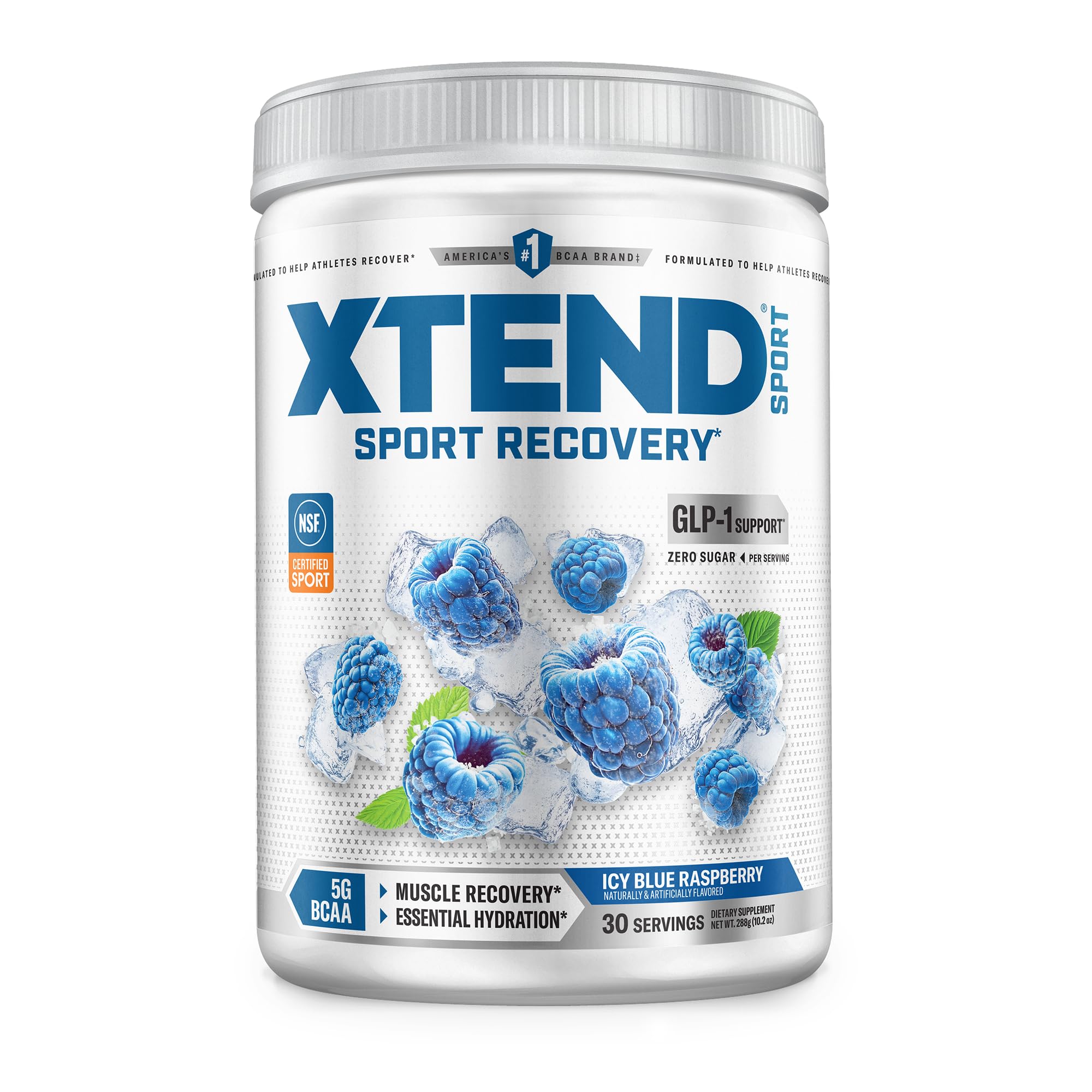
I recommend this sugar-free drink for runners who want added electrolytes and BCAAs without extra calories or carbs.
Pros
- Refreshing flavor that mixes easily
- Includes electrolytes and 7 grams of BCAAs
- NSF Certified for Sport
Cons
- May taste chalky when mixed too strongly
- Does not provide carbs for long-run recovery
- Contains tree nuts
I found the Blue Raspberry Ice flavor light and easy to drink after a run. It was not overly sweet, though the flavor became stronger when I used less water.
The powder mixed well in a shaker with cold water. I preferred using more water because a full scoop tasted slightly chalky in a smaller bottle.
XTEND provides 7 grams of BCAAs in a 2:1:1 ratio, along with electrolytes. That makes it useful for hydration support, but it does not replace a meal or a recovery drink with protein and carbohydrates after a demanding run.
The sugar-free formula works well when I want a low-calorie option. Runners who need to refill glycogen after a long workout may need to pair it with fruit, a meal, or another source of carbs.
restirr Runner’s Recovery
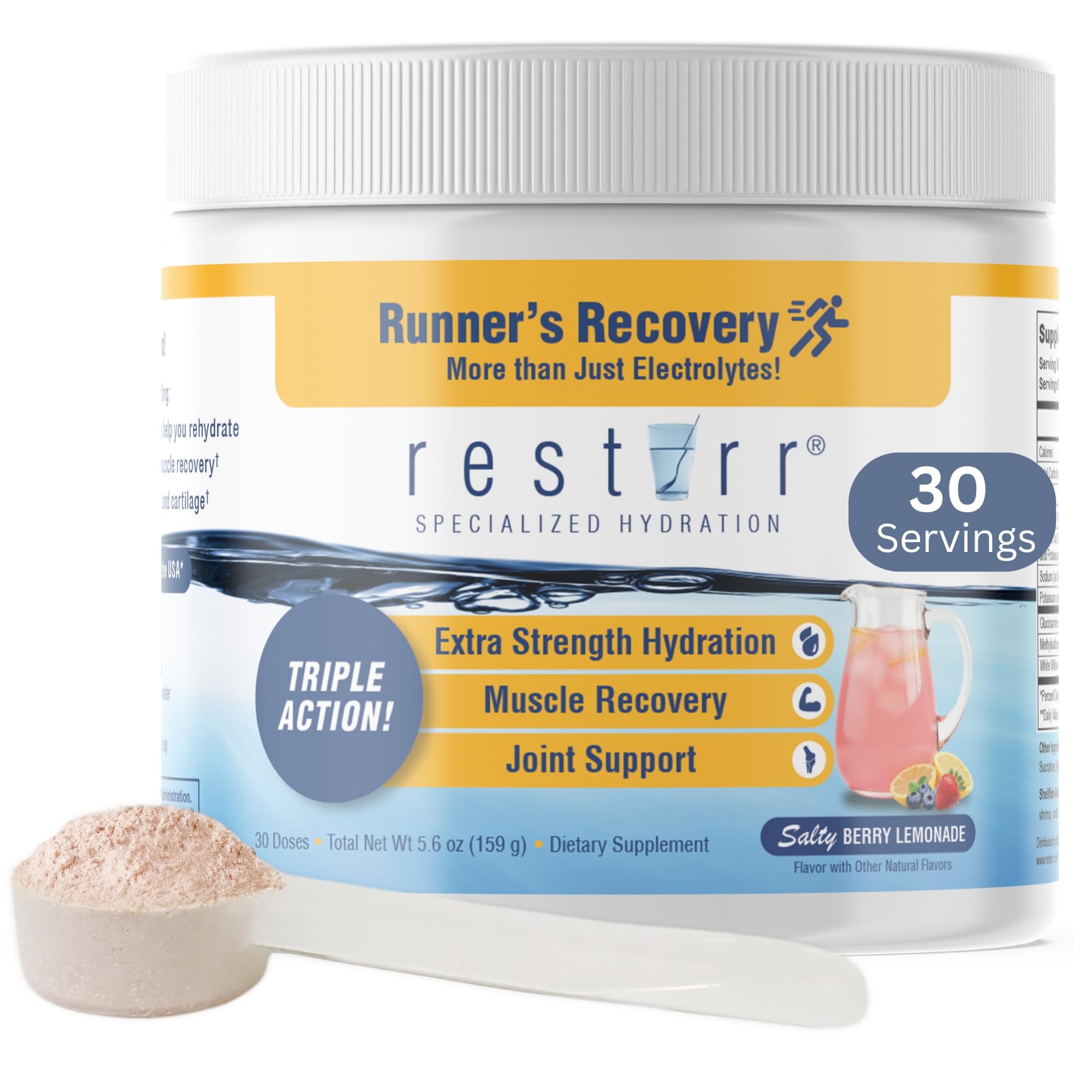
I would consider this powder if I wanted sugar-free electrolytes plus added joint and muscle support after long runs.
Pros
- Strong electrolyte blend for hot or demanding workouts
- Includes magnesium, potassium, glucosamine, and MSM
- Free of sugar, caffeine, artificial flavors, and gluten
Cons
- Contains shellfish, so it may not suit people with allergies
- White willow bark may require extra safety checks
- The small container provides 30 servings
I mixed the berry lemonade powder after a long run and found the flavor easy to drink. It gave me a practical way to replace fluids and electrolytes without adding sugar.
The formula goes beyond basic hydration. It includes magnesium and potassium, along with glucosamine and MSM for joint support. I liked this broader approach, though I would not expect a drink alone to fix ongoing joint pain or heavy soreness.
One concern is the white willow bark. It may not be suitable for children or people who cannot take aspirin-related ingredients. The label also lists shellfish, so I would check the ingredients carefully before using it if I have a seafood allergy.
Customer feedback is generally positive, with a 4.1-star rating from 36 reviews. Still, the limited review count and supplement ingredients make it wise to check with a health professional if I take medication or have a medical condition.
FIRST ENDURANCE Ultragen Chocolate

I recommend Ultragen for runners who want a chocolate recovery drink with protein, carbohydrates, and added nutrients in one serving.
Pros
- Provides 20 grams of protein
- Mixes into a smooth, chocolate-milk-like drink
- Includes carbohydrates, BCAAs, and glutamine
Cons
- The flavor may not suit everyone
- The price may feel high for regular use
- Some runners may prefer a simpler formula
After long runs, I found this drink easy to mix and gentle enough on my stomach. The chocolate flavor felt more like a treat than a typical sports supplement, which made it easier to use after hard sessions.
The formula combines protein and carbohydrates, so I did not need to prepare a separate snack right away. I also liked that it includes electrolytes and other nutrients, though runners who already use a full meal after training may not need every added ingredient.
Ultragen comes in a 15-serving container. The chocolate taste received positive feedback from many users, but a few found it unusual. I would choose it for demanding training days, not necessarily for every easy run.
LMNT Raspberry Salt Electrolytes
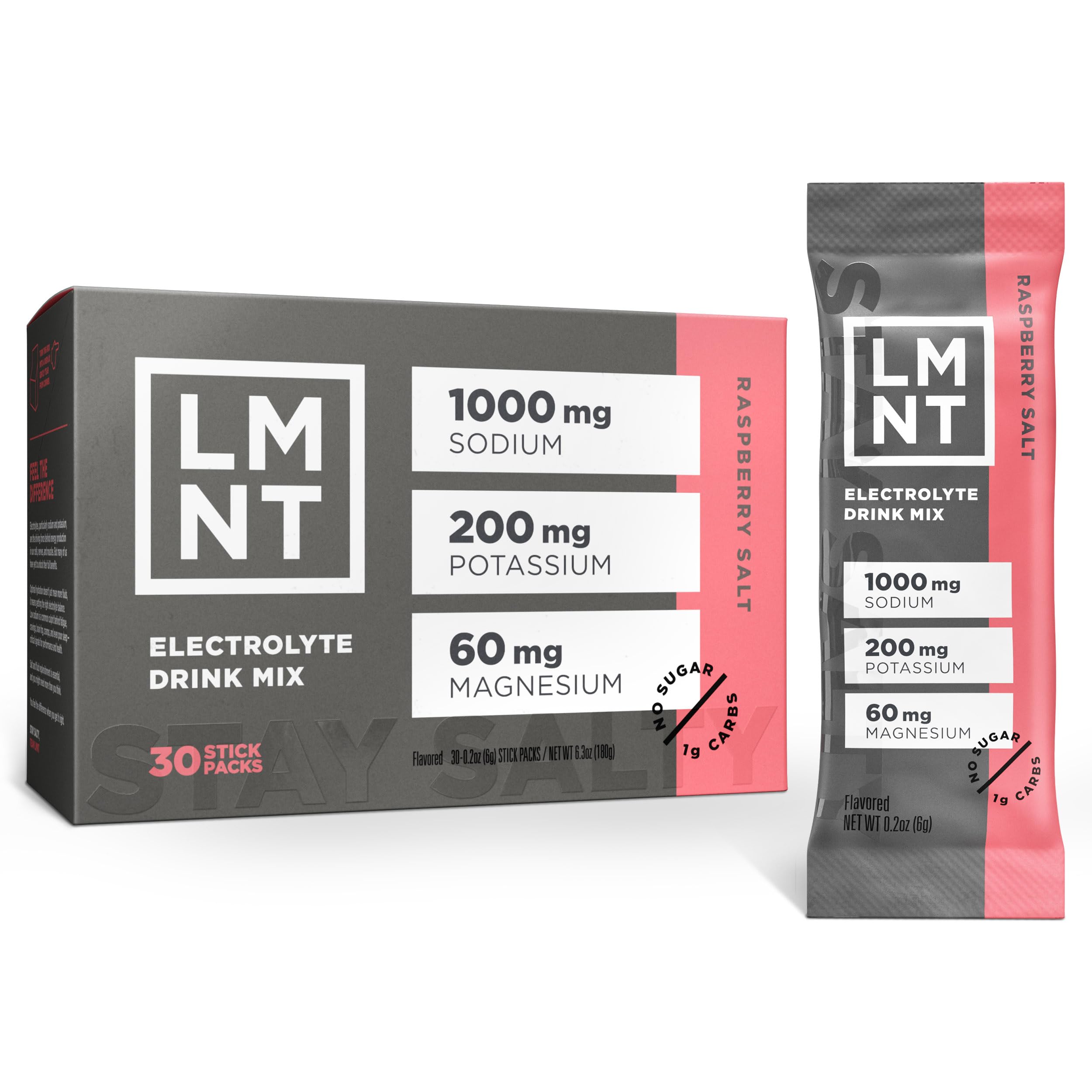
I recommend LMNT for runners who lose a lot of salt through sweat and want a sugar-free recovery drink.
Pros
- Strong electrolyte blend with sodium, potassium, and magnesium
- Raspberry flavor mixes quickly and tastes bright
- No sugar, gluten, or major allergens listed
Cons
- Very salty for runners who sweat lightly
- Higher price than many basic drink mixes
- May not suit runners who want carbohydrates after training
I mixed one packet with a large bottle of water after a hot run. The raspberry flavor tasted tart and noticeably salty, but it became easier to drink as I added more water. It dissolved quickly without leaving much powder behind.
The high sodium content made LMNT feel better suited to long runs, warm weather, or heavy sweaters than to short, easy workouts. I liked having a portable packet ready after exercise, especially when plain water did not feel satisfying.
LMNT does not provide carbohydrates, so I would pair it with a meal or a separate carb source after demanding training. Runners on low-carb diets may appreciate this, while others may prefer a recovery drink that includes protein and sugar. Because it contains a large amount of sodium, I would use it according to my own hydration needs.
Buying Guide
I look for a recovery drink that matches my workout length, intensity, and diet. After a short, easy run, I may only need water and a regular meal. After a long or hard run, I look for both carbohydrates and protein to support refueling and muscle repair.
| Feature | What I look for |
|---|---|
| Carbohydrates | A useful source for replacing energy after longer runs |
| Protein | A moderate amount to support muscle recovery |
| Electrolytes | Sodium and other minerals lost through sweat |
| Ingredients | Simple, familiar ingredients that fit my diet |
| Sugar | An amount that suits my training needs |
| Allergens | Clear labels for milk, soy, gluten, or other allergens |
I check the serving size and nutrition facts instead of relying only on marketing terms. I also compare the drink with foods I already eat, since a recovery drink should add convenience rather than replace a balanced diet.
Taste and texture matter because I am more likely to use a drink that I enjoy. I consider whether it mixes well with water, needs refrigeration, and comes in a size that suits my training routine.
If I sweat heavily or run in hot weather, I pay closer attention to sodium. I also choose a product that fits my health needs, especially if I need to limit sugar, calories, or certain ingredients.
FAQs
What is the best recovery drink for runners?
I usually choose a drink with both protein and carbohydrates. Milk, chocolate milk, or a balanced recovery shake can help replace energy and support muscle repair after a hard or long run.
When should I drink it?
I drink my recovery beverage soon after finishing, especially after runs lasting more than an hour. If I plan to eat a full meal shortly after, I may only need water first.
Is chocolate milk a good option?
Chocolate milk provides fluids, carbohydrates, and protein. I use it when I tolerate dairy well and want a simple, ready-to-drink choice.
What if I avoid dairy?
I choose soy milk or a plant-based shake that provides enough protein. I check the label because some plant drinks contain little protein or added sugar.
How much protein should my drink contain?
I look for about 20–30 grams of protein after a demanding run. My needs may vary based on my body size, training plan, and total daily diet.
Do I need electrolytes?
I consider an electrolyte drink after long, hot, or very sweaty runs. For shorter, easy runs, water and regular meals often meet my needs.
Can I make my own recovery drink?
Yes. I blend milk or soy milk with fruit, oats, and yogurt or protein powder. This lets me adjust the flavor, calories, and protein to fit my training.
Conclusion
I choose a recovery drink based on the run, the weather, and my next training session. After a short or easy run, water and a balanced meal may meet my needs. After a long, hard, or hot run, I prefer a drink that replaces fluids, carbohydrates, and some protein.
I look for:
- Fluids and electrolytes to replace sweat losses
- Carbohydrates to restore energy
- Protein to support muscle repair
- A taste I enjoy, so I will drink enough
I also check the label for added sugar, caffeine, and ingredients that may upset my stomach. When possible, I test a drink during training instead of trying it for the first time after a race.
My best choice is the drink that fits my body, training plan, and daily diet. A recovery drink can help, but regular meals, sleep, and steady hydration remain important parts of my recovery.