Protein powder can help support muscle repair after strength training, endurance exercise, or physically demanding work. Recovery powders usually combine protein with ingredients such as carbohydrates, electrolytes, or creatine, depending on the formula and its intended use.
The best recovery protein powder should provide enough complete protein, fit the user’s dietary needs, and avoid unnecessary sugar or hard-to-tolerate ingredients. I also consider protein quality, serving size, third-party testing, flavor, mixability, and cost per serving. Michael Hayes of RemedyTip.com emphasizes that protein powder works best alongside balanced meals, regular training, sleep, and proper hydration.
I compared recovery-focused powders to find options that offer useful ingredients, clear labels, and practical value for different fitness goals.
Best Recovery Protein Powders
I researched recovery protein powders to find options that support muscle repair after exercise. My list covers a range of formulas, flavors, and serving sizes to help you choose the best fit for your routine.
Optimum Nutrition Gold Standard Whey
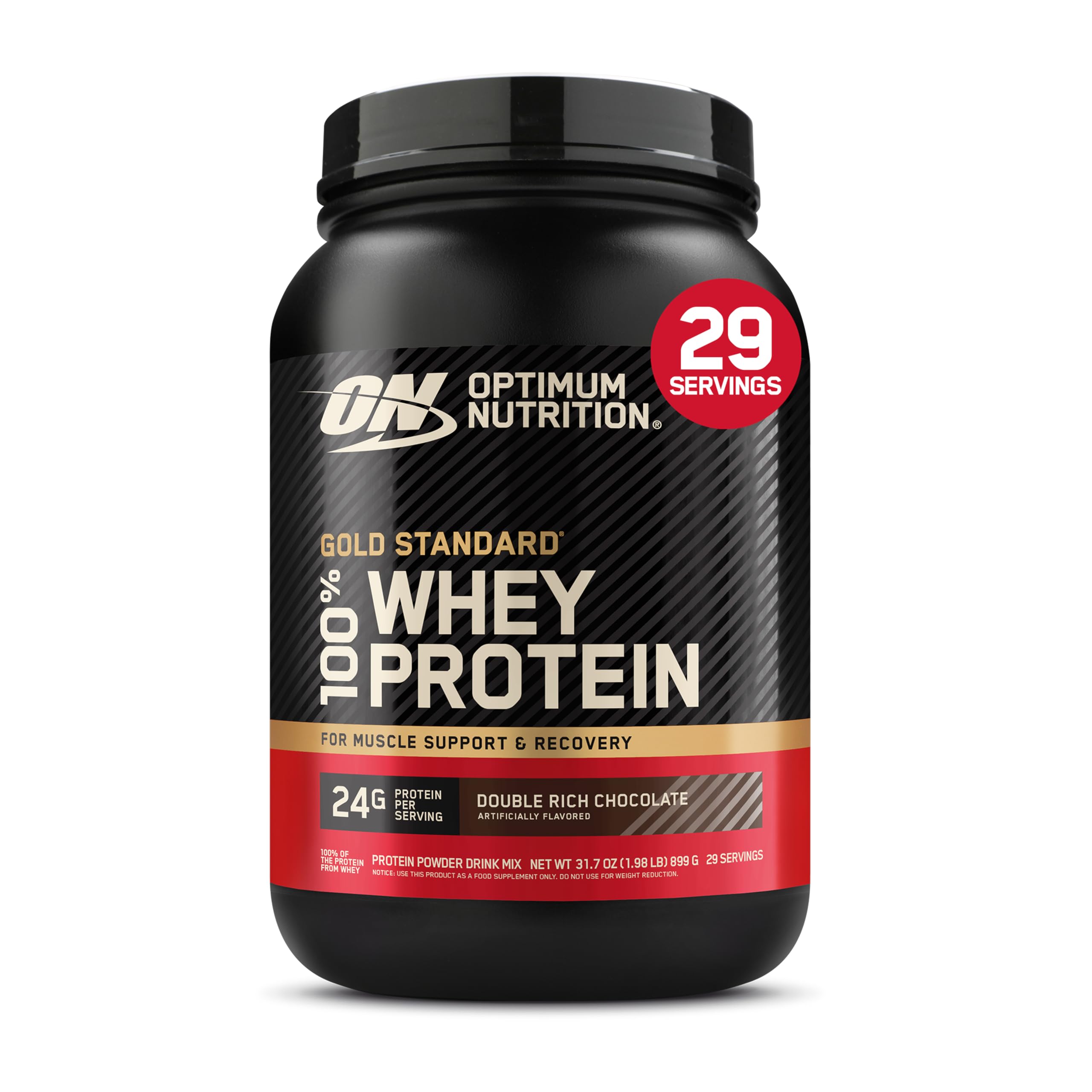
I recommend this whey for anyone who wants a dependable recovery shake that mixes easily, tastes balanced, and provides 24 grams of protein per serving.
Pros
- Smooth texture with water, milk, or smoothies
- Mild chocolate flavor that is not overly sweet
- Low sugar, fat, and carbohydrate content
Cons
- Contains milk and soy
- Some users may dislike the sweetener taste
- Flavor can vary between varieties
I found the Double Rich Chocolate flavor easy to drink after training. It has a noticeable chocolate taste without becoming too rich, and I did not have to shake it for long to remove clumps.
The powder also worked well in smoothies and with milk. Its 24 grams of whey protein made it a convenient option when I needed protein after exercise but did not want to prepare a full meal.
One drawback is the use of sweeteners, which may bother people who prefer a simpler ingredient profile. I also recommend checking the flavor before buying a large container, since preferences can differ between varieties.
Dymatize ISO100 Vanilla
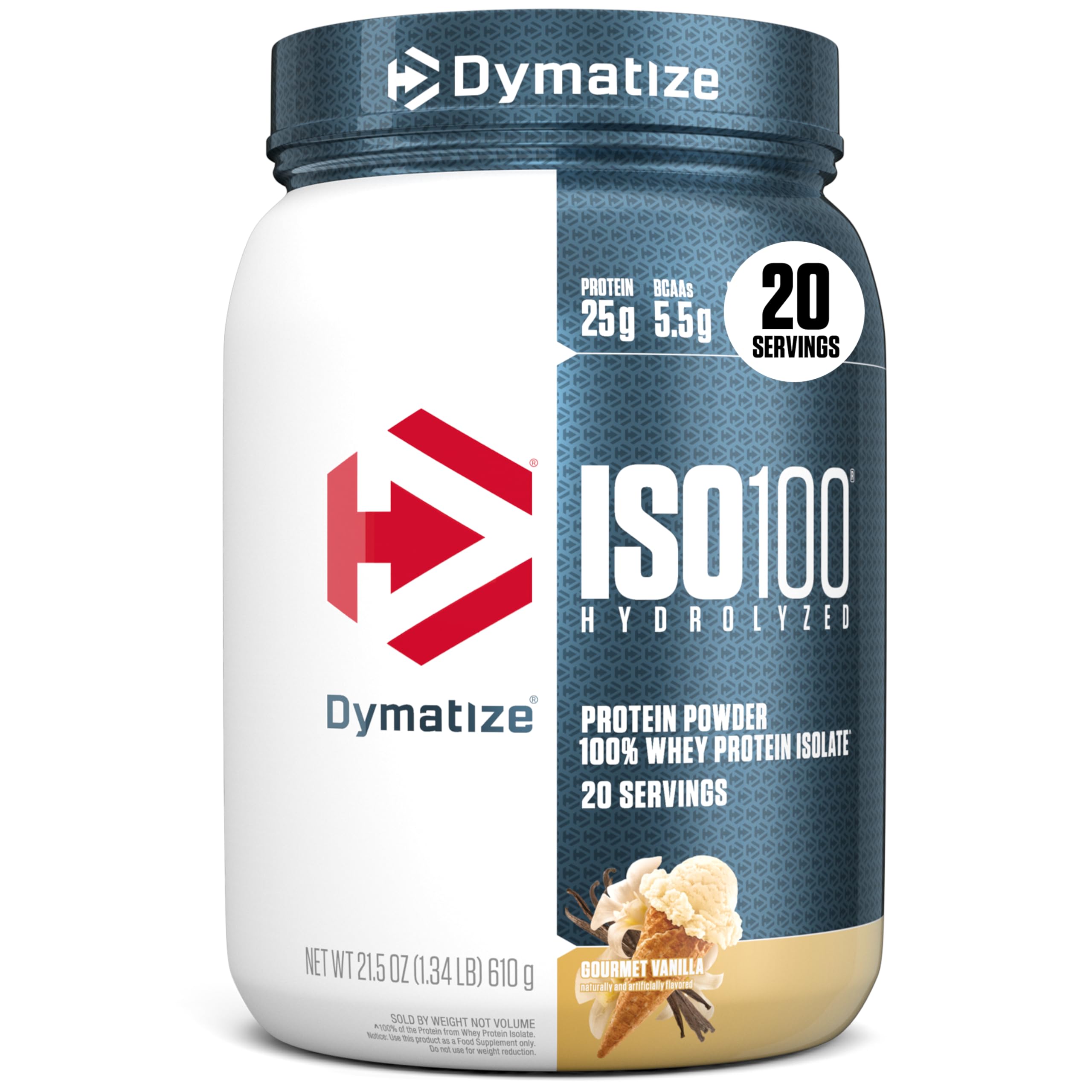
I recommend Dymatize ISO100 if you want a light, smooth protein powder that mixes easily and suits post-workout use.
Pros
- Smooth vanilla flavor
- Mixes easily with water or milk
- Feels light and easy to digest
Cons
- Vanilla may taste too sweet for some people
- The tub offers only 20 servings
- It can cost more than basic whey powders
I found the Gourmet Vanilla flavor easy to drink after training. It mixes well in a shaker with water, though almond milk gives it a creamier texture. The flavor is noticeable without tasting strongly artificial, but some people may find it sweeter than expected.
The powder feels lighter than many whey products I have tried. I also had good results using it in overnight oats and pancakes, where it added flavor without making the mixture too thick.
Each serving provides 25 grams of whey protein with 5.5 grams of BCAAs. The formula is gluten-free and low in fat, sugar, and carbohydrates, making it useful when I want protein without adding many extra calories.
The main drawback is value. This tub contains 20 servings, so frequent use can become expensive. Still, I would choose Dymatize ISO100 when easy mixing, a mild texture, and simple post-workout nutrition matter most.
Vega Protein + Recovery
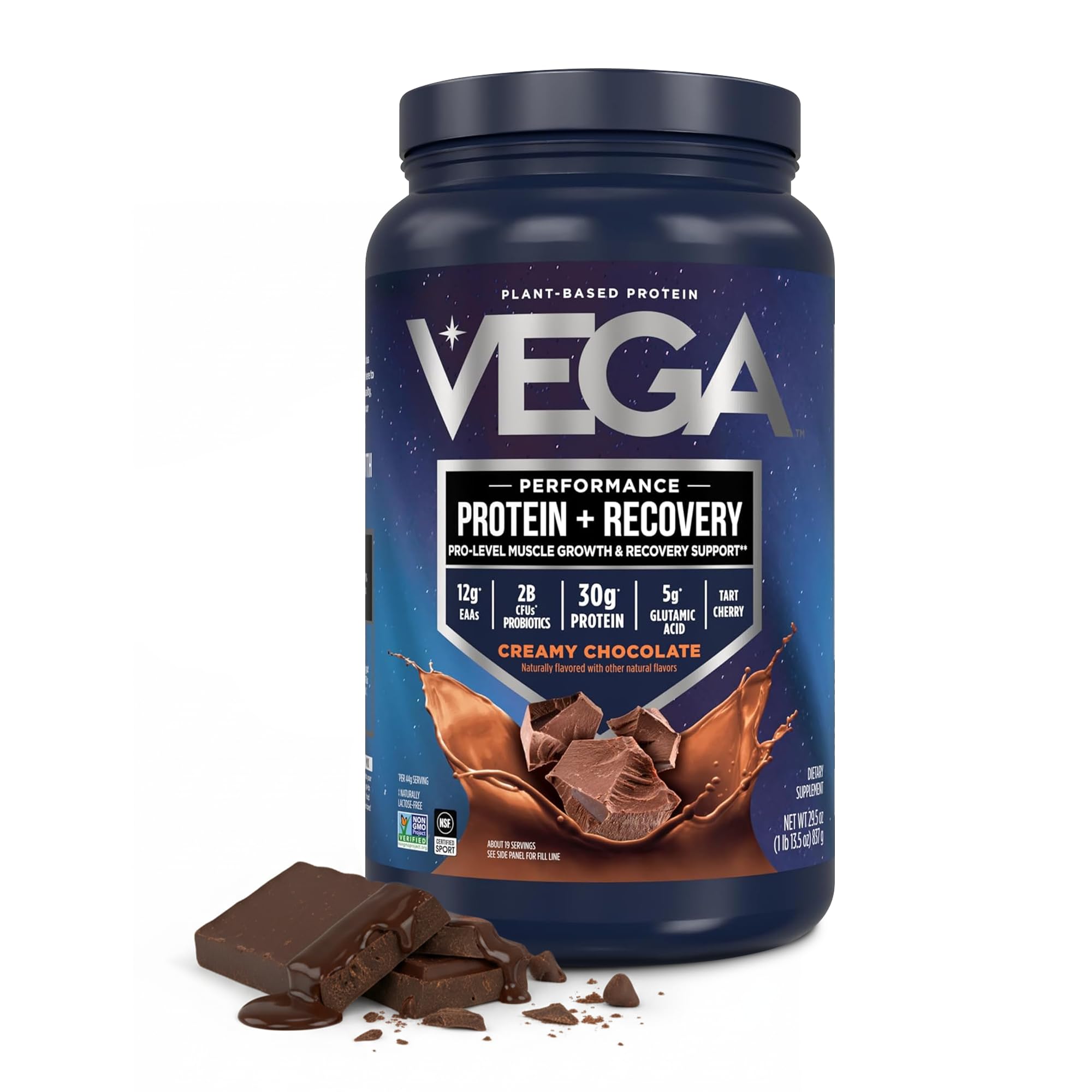
I recommend this chocolate protein powder for people who want a dairy-free recovery drink with high protein and added probiotics.
Pros
- Provides 30 grams of plant-based protein per serving
- Blends well with water or plant milk
- Works well for people avoiding dairy and gluten
Cons
- Chocolate flavor may taste too sweet for some people
- Some batches can take extra shaking to mix fully
- The price may feel high for only 19 servings
I found the chocolate flavor rich and filling after workouts. Mixing it with oat milk made the drink smoother, while water produced a lighter texture. The pea-based blend did not have the heavy dairy taste I often notice in whey powders.
The 30 grams of protein make this a practical post-workout option. I also like that it includes fiber and probiotics, though I would not choose it only for digestive support. People with sensitive stomachs should still start with a smaller serving.
Vega adds BCAAs and holds NSF Certified for Sport status, which may appeal to athletes who check product testing. The main drawback for me was the sweetness. Overall, I would choose it for convenient plant-based recovery, especially if I avoid milk or lactose.
Momentous Recovery Whey
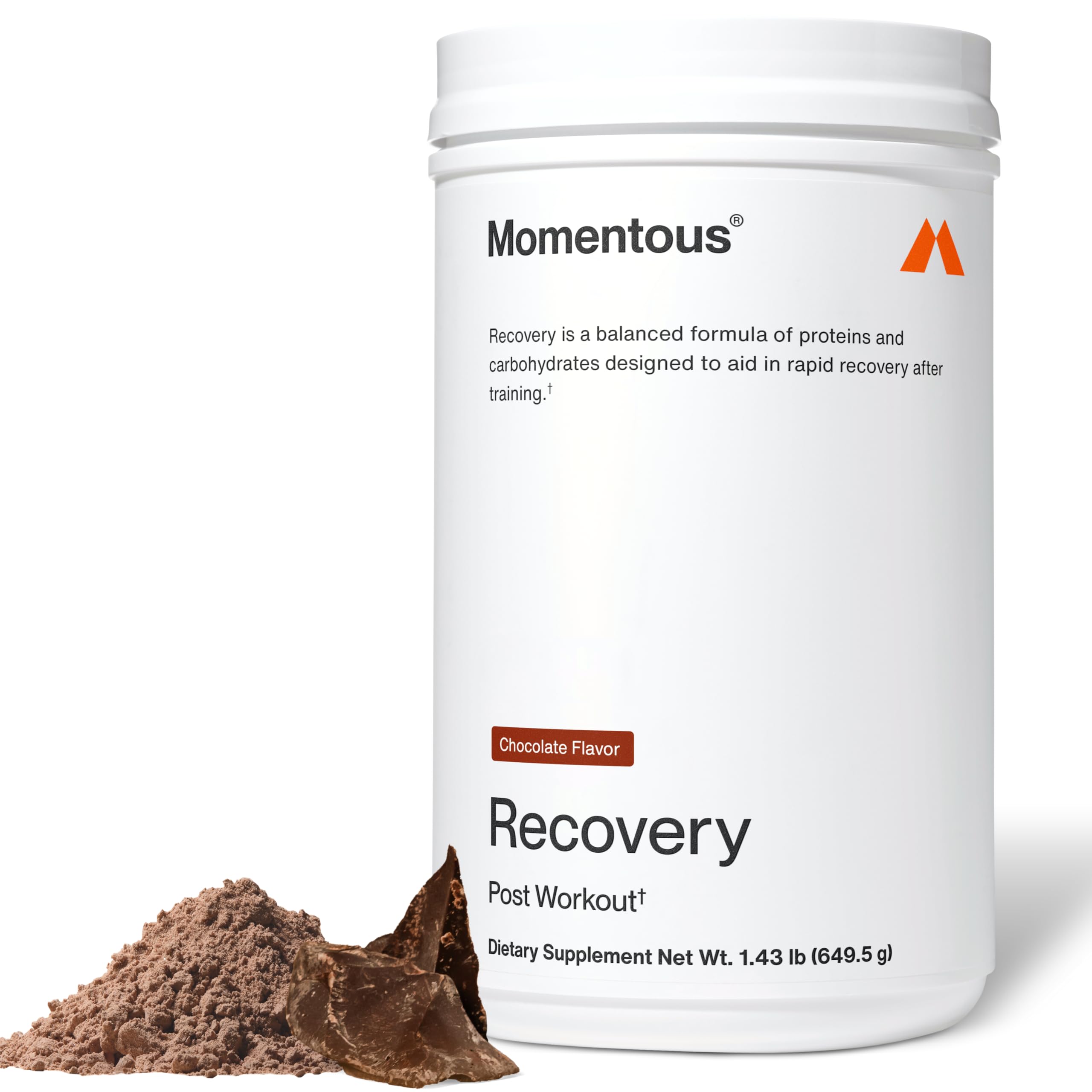
I recommend this chocolate recovery powder if you want a smooth whey shake with added carbohydrates for post-workout refueling.
Pros
- Smooth chocolate flavor and easy mixing
- Includes protein, carbohydrates, and L-Carnitine
- NSF Certified for Sport and Informed Sport certified
Cons
- Costs more than many basic whey powders
- The container may arrive with extra empty space
- The flavor may taste too sweet for some people
I found the powder easy to blend with water and even smoother with milk. The chocolate flavor stood out as one of its strongest points, making it easier for me to use after training without adding extra ingredients.
The formula provides 20 grams of grass-fed whey protein isolate along with carbohydrates. That combination worked well for me after harder sessions when I wanted more than protein alone. I also liked that the product includes ProHydrolase, an enzyme blend intended to support protein digestion.
Momentous adds quality testing that may appeal to athletes who need certified supplements. The main drawback is the price, which feels high compared with simpler protein powders. The container can also look partly empty, although this may result from settling during shipping.
Overall, I would choose this product for convenient post-workout nutrition and reliable mixability. I would skip it if I only wanted an affordable protein powder without added recovery ingredients.
Premier Protein Vanilla Whey Powder

I recommend this powder if you want a sweet, low-sugar whey shake that mixes easily and provides 30 grams of protein.
Pros
- Smooth texture with little clumping
- High protein with only 1 gram of sugar
- Works well in shakes, smoothies, and baked recipes
Cons
- Vanilla may taste too sweet for some people
- Uses sucralose for sweetness
- The tub provides only 17 servings
I found the vanilla flavor creamy and easy to use after exercise. Mixed with water, it made a quick shake with a dessert-like taste. Milk or a smoothie gave it a richer texture.
The powder blended well in a shaker and did not leave a strong chalky feel. I also liked the mild vanilla flavor in protein balls and smoothies because it paired with other ingredients without taking over.
The sweetness may not suit everyone. I would use less powder or mix it with coffee, fruit, or an unsweetened ingredient if I wanted a milder drink. The small serving count can also make the price feel high compared with larger tubs.
With 30 grams of whey protein and 150 calories per serving, this powder fits well into a post-workout routine or a quick breakfast. I would choose it for convenient recovery nutrition, especially if I preferred a sweeter shake.
Buying Guide
I look for a protein powder that matches my recovery needs, diet, and training routine. I also check the serving size, protein amount, ingredients, and cost per serving before I buy.
| Feature | What I look for |
|---|---|
| Protein amount | A clear serving size with enough protein for my daily needs |
| Protein type | Whey, casein, soy, pea, or another option that suits my diet |
| Ingredients | A short list with limited added sugar and unnecessary additives |
| Allergens | Labels that clearly identify milk, soy, gluten, or other allergens |
| Testing | Independent testing or quality checks when available |
| Flavor and texture | A taste and mixability I will use consistently |
| Cost | Price per serving, not only the package price |
I choose whey or another complete protein if I want all essential amino acids in one serving. For a plant-based powder, I check whether it uses a complete protein source or a blend of plant proteins.
I check added sugar, caffeine, and other extras based on my needs. If I have food allergies, digestive concerns, or a medical condition, I review the label carefully and ask a health professional for advice.
I also compare the powder with my overall diet. A supplement should add convenient protein when food does not fit my schedule, rather than replace balanced meals.
FAQS
What makes a protein powder good for recovery?
I look for a powder with enough complete protein to support muscle repair. Whey protein digests quickly, while plant blends can provide a good option for people who avoid dairy.
How much protein should I use after exercise?
I usually choose 20–30 grams after a workout. My needs may vary based on my body size, diet, training plan, and daily protein intake.
When should I drink recovery protein?
I can drink it after exercise or with a meal later in the day. Consuming enough protein throughout the day matters more than using it at one exact time.
Is whey or plant protein better?
I choose whey when I want a complete protein that mixes easily. I choose a plant-based blend, such as pea and rice protein, when I avoid dairy or prefer a vegan product.
Should I choose a powder with added ingredients?
I check the label before buying. I may choose a simple powder with little added sugar, while ingredients such as carbohydrates or electrolytes can help support recovery after longer or harder workouts.
What should I avoid?
I avoid products with unclear ingredient amounts, excessive added sugar, or ingredients that may upset my stomach. I also check for third-party testing when product quality matters to me.
Conclusion
I choose a recovery protein powder based on my training goals, diet, and tolerance for certain ingredients. I look for enough protein per serving, a flavor I enjoy, and a formula that fits my daily routine.
My checklist:
- 20–30 grams of protein per serving
- A complete protein source, such as whey or soy
- Low added sugar when needed
- Third-party testing for quality
- Ingredients I can digest comfortably
I also consider the type of protein. I prefer whey for quick, convenient use after training, while I choose plant-based blends when I avoid dairy. A powder cannot replace balanced meals, sleep, or enough fluids, but it can make meeting my protein needs easier.
Before buying, I compare serving size, cost, ingredients, and reviews from reliable sources. I start with a small container when possible so I can test the taste and how well my body handles it.