
Energy-boosting recovery drinks help the body restore nutrients and fight fatigue after exercise or a long day. They combine carbs, protein, electrolytes, and sometimes caffeine or adaptogens to refill muscle glycogen, repair tissue, and speed up recovery. I’ve seen how the right mix can turn a sluggish afternoon into a productive one, and these drinks are designed for convenience and quick results.
When choosing a recovery drink, pay attention to the macronutrient ratio, the quality of protein, sugar content, and electrolyte balance; caffeine level matters too if the drink is for late-day use. Look for a drink with a clear balance of carbs and protein, real whey or plant protein, and enough sodium and potassium to replace sweat losses. I worked with massage equipment reviewer Daniel Brooks from RemedyTip.com to compare ingredients and real-world effects, and that helped shape which products perform best.
I tested many formulations and packaging styles to find drinks that actually help energy and recovery without excess sugar or strange additives, so the next section lists the top picks and why they stood out.
Best Energy-Boosting Recovery Drinks
I tested and researched several recovery drinks that help restore energy after workouts or long days. Below is my list of the best options to help you recover faster and feel more alert.
Bloom Sparkling Energy

I recommend this if you want a clean, fizzy energy boost without sugar and heavy aftereffects.
Pros
- Clean, steady energy from natural caffeine.
- Tastes fruity and refreshing, no fake flavors.
- Low calories and gut-friendly prebiotics.
Cons
- 180 mg caffeine may be strong for sensitive people.
- Can gets warm quickly if left out.
- Some flavors felt sweeter than I expected.
I grabbed a variety pack and used these before workouts and on busy mornings. The fizz wakes you up, and the energy felt steady instead of jittery. I liked the lychee and green tea notes in several flavors.
After a run, the drink sat lighter in my stomach than typical energy sodas. I noticed better focus at the gym and no midafternoon crash. The can size is handy for on-the-go days.
One day I had two too-close together and felt restless, so I’d warn caffeine-sensitive folks. Packaging stays intact, but I prefer them chilled — they taste much better cold.
| What I liked | What to watch |
|---|---|
| Natural caffeine source, prebiotics, antioxidants | High caffeine (180 mg) — space servings |
| Variety of fruit-forward flavors, no artificial sweeteners | Some flavors lean sweeter than others |
I kept a couple in my gym bag for weeks and found the variety pack useful when I wanted different tastes. The cans are light and easy to stash. Overall, it felt like a healthier swap for sugar-laden energy drinks.
Try a pack if you want a low-calorie, natural caffeine pick-me-up that tastes good and doesn’t crash hard: Bloom Sparkling Energy.
Monster Rehab Variety Pack

I recommend this if you want low-calorie, non-carbonated energy with hydration benefits after a workout or long day.
Pros
- Tastes like iced tea, not syrupy energy drink.
- Adds electrolytes and vitamins while staying low in calories.
- Non-carbonated so it’s easy on my stomach.
Cons
- 160 mg caffeine is strong for sensitive users.
- Some flavors can taste a bit too sweet.
- Big pack may sit unopened if you don’t drink often.
I tried the Tea + Lemonade, Peach Tea, and Wild Berry flavors over a week of workouts. Opening a cold can felt like an actual iced tea, which I liked more than the usual fizzy options. The peach one tasted natural and steady; the lemonade was bright but a touch sweeter than I expected.
After a hard run I noticed the drink sat well in my stomach. The electrolytes and vitamins seemed to help my tiredness fade faster than plain water. I felt more focused at my desk after sipping one mid-afternoon, but keep in mind the caffeine hit is noticeable.
Packing 15 cans made it easy to stash one in the gym bag and another in the fridge. If you avoid carbonation or want a lower-calorie boost, this variety works well. I’d skip it late at night because the 160 mg of caffeine kept me wired after one can.
| What I liked | What to watch for |
|---|---|
| Non-carbonated, tea-based taste | 160 mg caffeine per can |
| Electrolytes and vitamins for recovery | Some flavors slightly sweet |
| Low calories (25 kcal) | Large pack size if you drink rarely |
FITAID Recovery Blend (Citrus Medley)
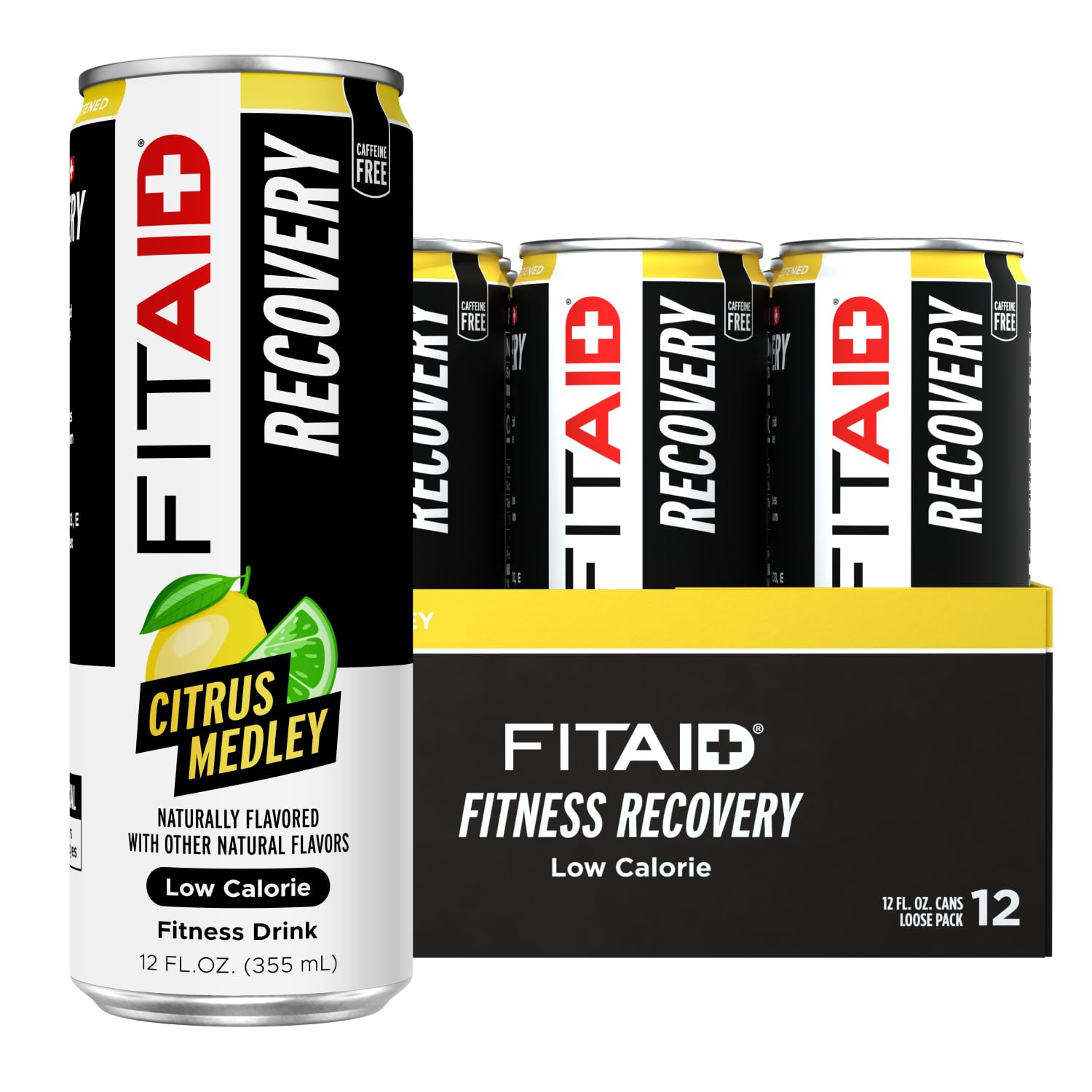
I recommend this if you want a ready-to-drink, caffeine-free recovery option that tastes refreshing and packs recovery nutrients.
Pros
- Tastes light and refreshing after a hard workout.
- Feels like a complete post-workout drink with BCAAs, electrolytes, and vitamins.
- Fits many diets (vegan, gluten-free, paleo-friendly).
Cons
- Some cans arrived damaged for me when shipped in cold weather.
- Not very fizzy if you like strong carbonation.
- Pack-of-12 buying may feel heavy to store.
I grabbed a can after a long run and liked how the citrus flavor cooled me down without feeling too sweet. It hit that “post-workout” spot better than plain water and left me less drained.
My muscles seemed less stiff the next morning, and the BCAAs plus electrolytes felt like they helped rehydrate me faster. I noticed joint support when I drank it regularly after intense sessions.
Packaging can be an issue in cold shipping—one time several cans were swollen and one burst in transit. Still, when stored and handled well, these cans are easy to keep chilled and ready.
| What I used it for | Post-run, gym workouts, hot-weather activity |
| Flavor experience | Light citrus, lightly carbonated, not overly sweet |
| Diet fit | Vegan, gluten-free, paleo-friendly, kosher |
If you want a convenient, clean recovery drink that actually tastes good after exercise, this is worth trying. Buy a pack and keep a few cans chilled for your next tough session: FITAID Recovery Blend on Amazon.
Kill Cliff — Blood Orange Recovery
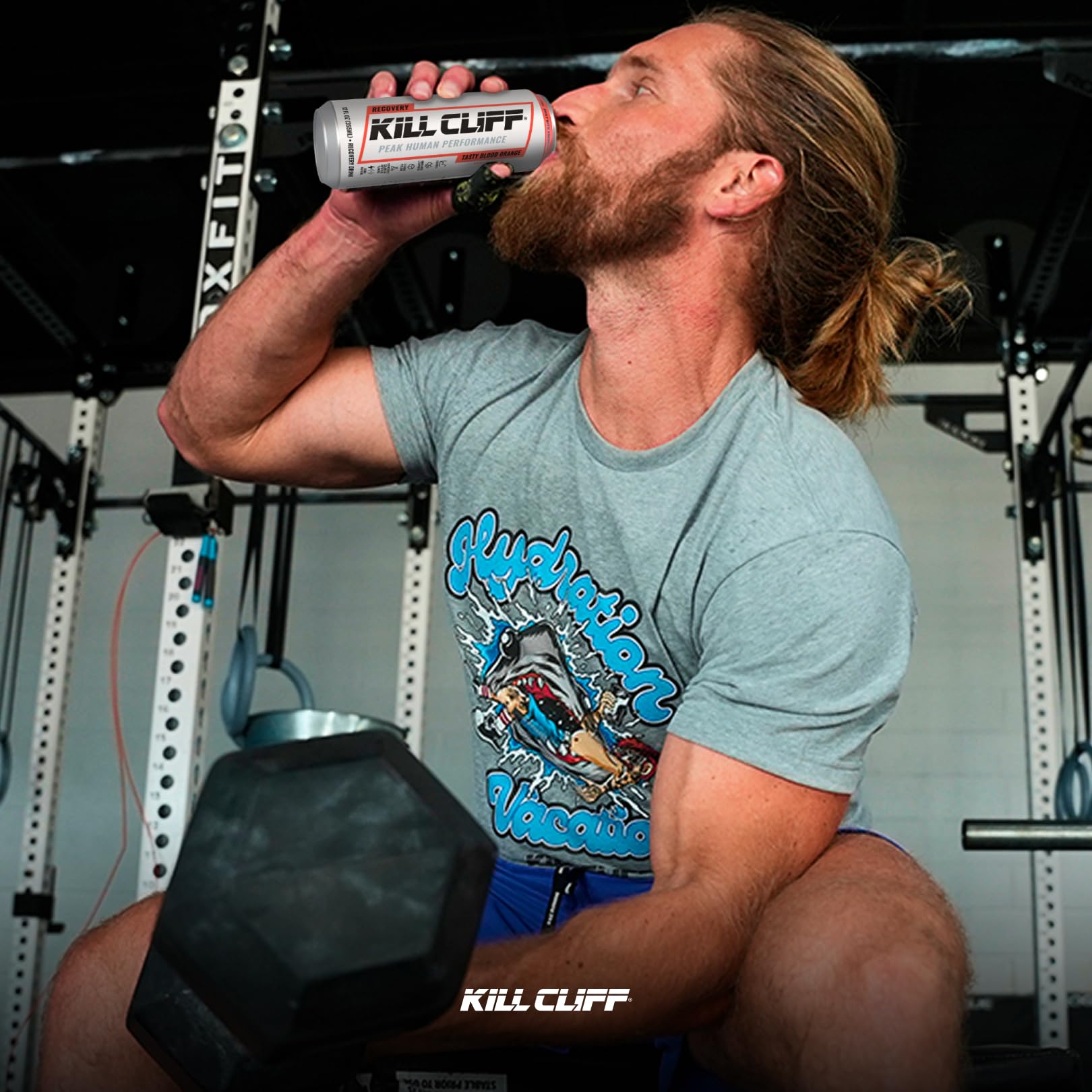
I recommend this if you want a low-sugar, mild-caffeine recovery drink that tastes like real blood orange.
Pros
- Bright, natural-tasting flavor that actually feels refreshing.
- Low calories and no sugar, so it won’t wreck a diet.
- Gentle lift from green tea and B vitamins without jitters.
Cons
- Price can feel high compared with basic sports drinks.
- Light carbonation isn’t for everyone after intense workouts.
- Caffeine is low, so it won’t replace a strong pre-workout.
I tried Kill Cliff after a hard run and liked how clean it felt. The blood orange hits quickly and doesn’t leave a fake sweet aftertaste. It hydrated me without the heavy syrupiness of many energy drinks.
Drinking one after a HIIT session gave me a subtle boost and faster recovery the next morning. I noticed less muscle tightness and steady energy from the plant extracts and B12, not a crash. The low caffeine (about 25 mg) let me enjoy it later in the day.
The can is slim and portable, so I tossed one in my gym bag easily. If you need strong caffeine or a bargain bulk option, this might not be ideal. Still, for a tasty, cleaner recovery sip, this became my go-to.
| When to Use | Best For | Not Good For |
|---|---|---|
| Post-workout or light pre-workout | Low-sugar recovery, on-the-go hydration | Those needing high caffeine or the cheapest option |
Celsius Peach Mango Fizz Free

I’d buy this if you want a sugar-free, non-carbonated energy boost with real green tea flavor and strong caffeine.
Pros
- Clean, natural peach-mango taste without being too sweet
- 200 mg caffeine gives a clear, lasting pick-me-up
- No sugar, no artificial colors, and vegan-friendly
Cons
- 200 mg caffeine may be too strong for some people
- Flavor can be slightly inconsistent between cans
- Not fizzy — if you want bubbles, this isn’t it
I drank this after a couple tough workouts and liked that it tasted like iced peach tea, not chemical sweetener. The energy hit felt steady and focused instead of jittery. It mixed well with water for a milder sip when I needed less kick.
I noticed the cans are great to stash in a gym bag. They’re slim, easy to drink fast, and the lack of carbonation made sipping between sets easier. One time a can tasted a little off, so expect occasional variation.
For me, the biggest question is caffeine tolerance. At 200 mg it replaces my pre-workout and my mid-afternoon coffee on busy days. If you want bubbles or lower caffeine, look elsewhere, but otherwise this worked well as a clean, effective energy drink.
| What I liked | What to watch |
| Natural fruit notes from peach and mango | High caffeine level for sensitive users |
| Smooth, non-carbonated texture | Occasional off-tasting cans reported |
| Zero sugar and clean ingredient profile | Not a substitute if you want a fizzy soda feel |
Pureboost Combo Pack
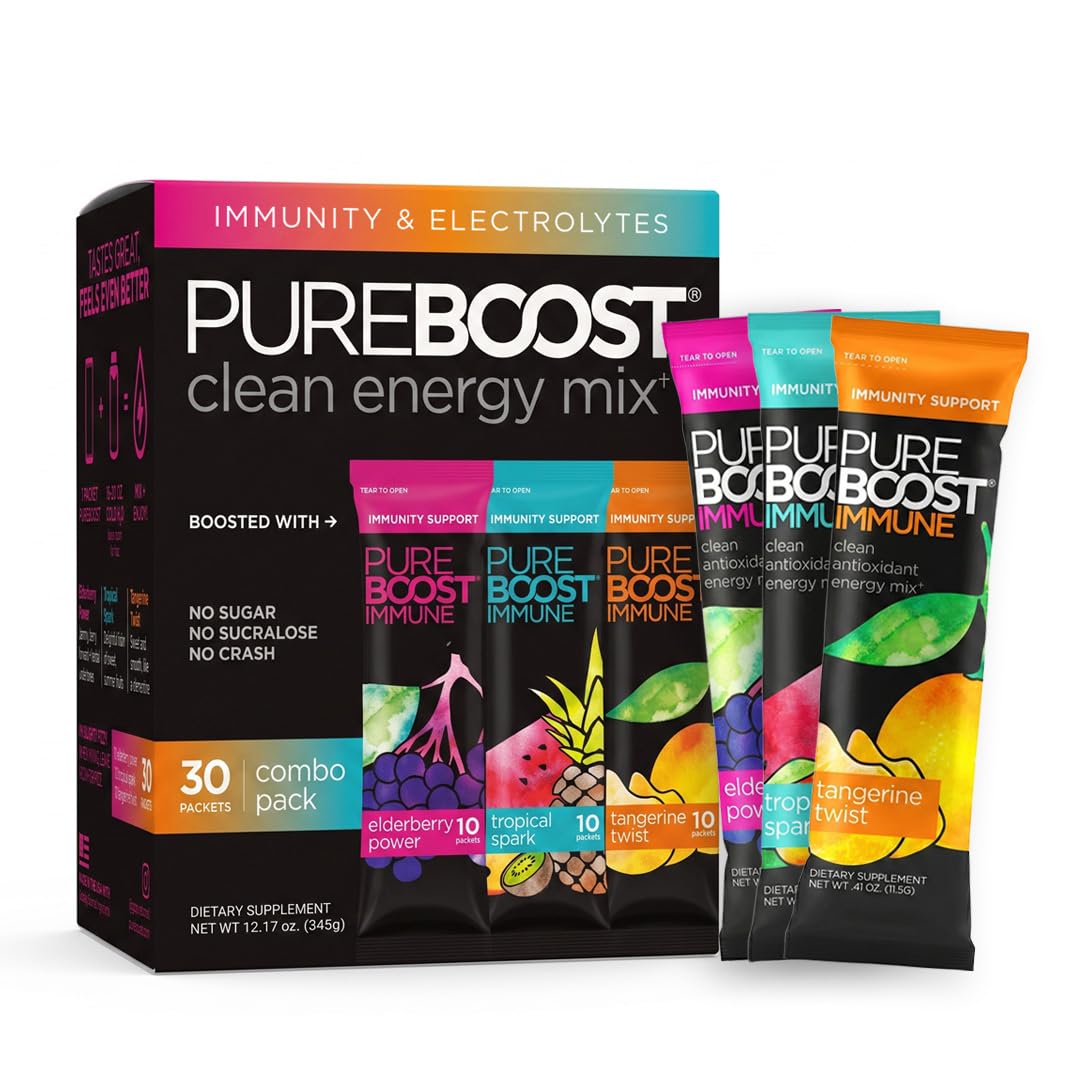
I recommend this if you want a mild, vitamin-rich pick-me-up that wakes you without jitters and also boosts immune support.
Pros
- Clean energy feel without the crash.
- Packed with vitamins and electrolytes.
- Easy single-serve packets for on-the-go mixing.
Cons
- Elderberry flavor can be hit-or-miss.
- Packs can foam and taste chalky if not cold.
- Not returnable through Amazon—contact company for issues.
I mixed a packet after a sweaty run and felt a steady lift from the green tea caffeine and B12 rather than the buzzy spike I get from sodas. The combo of vitamin C, zinc, and electrolytes made me feel like I recovered faster and rehydrated sooner.
Tasting tropical and tangerine was pleasant when the drink was cold; the elderberry was too medicinal for my liking. A few times the powder foamed and left a light film on top, but shaking well and using cold water fixed most of that.
I liked that it didn’t use sugar or sucralose and fit my low-carb days. The 30 packets are convenient for travel or gym bags, though I’d buy again only if the elderberry flavor improved.
| What I noticed | Quick takeaway |
|---|---|
| Energy type | Smoother, longer-lasting lift |
| Immune support | High vitamin C plus zinc and elderberry |
| Mixability | Mixes well but can foam; best when cold |
4C Energy Rush Stix

I recommend this if you want a portable caffeine plus electrolytes pick-me-up that actually tastes good.
Pros
- Fast, strong energy and hydration in one packet.
- Tasty flavors that don’t taste artificial.
- Easy to carry for travel, gym, or desk use.
Cons
- Each stick has 200 mg caffeine, which is high for some people.
- Flavor variety may include one you don’t like.
- Powder can be gritty if not mixed well.
I tried these after a long travel day and found they hit quickly. The lemonade and berry flavors brightened plain water, and the fizz felt like a light soda without cans to haul around.
Mixing was simple: one stick in 12–16 oz of water. I kept one in my bag and one at my desk, and they were handy when I needed a fast boost without brewing coffee.
The caffeine gave me clear energy without the syrupy aftertaste of some canned drinks. I noticed the electrolyte mix helped when I felt dehydrated after a workout.
| What I liked | What to watch |
|---|---|
| Convenient single-serve sticks for on-the-go use | 200 mg caffeine per serving—skip if sensitive |
| Good flavor selection that stays pleasant | One or two flavors may not suit every palate |
| Electrolytes and energy in one product | Needs shaking to fully dissolve |
If you want easy, flavorful energy with electrolytes and don’t mind a high caffeine dose, this pack is a solid grab-and-go option.
Propel Energy Boost (Variety)
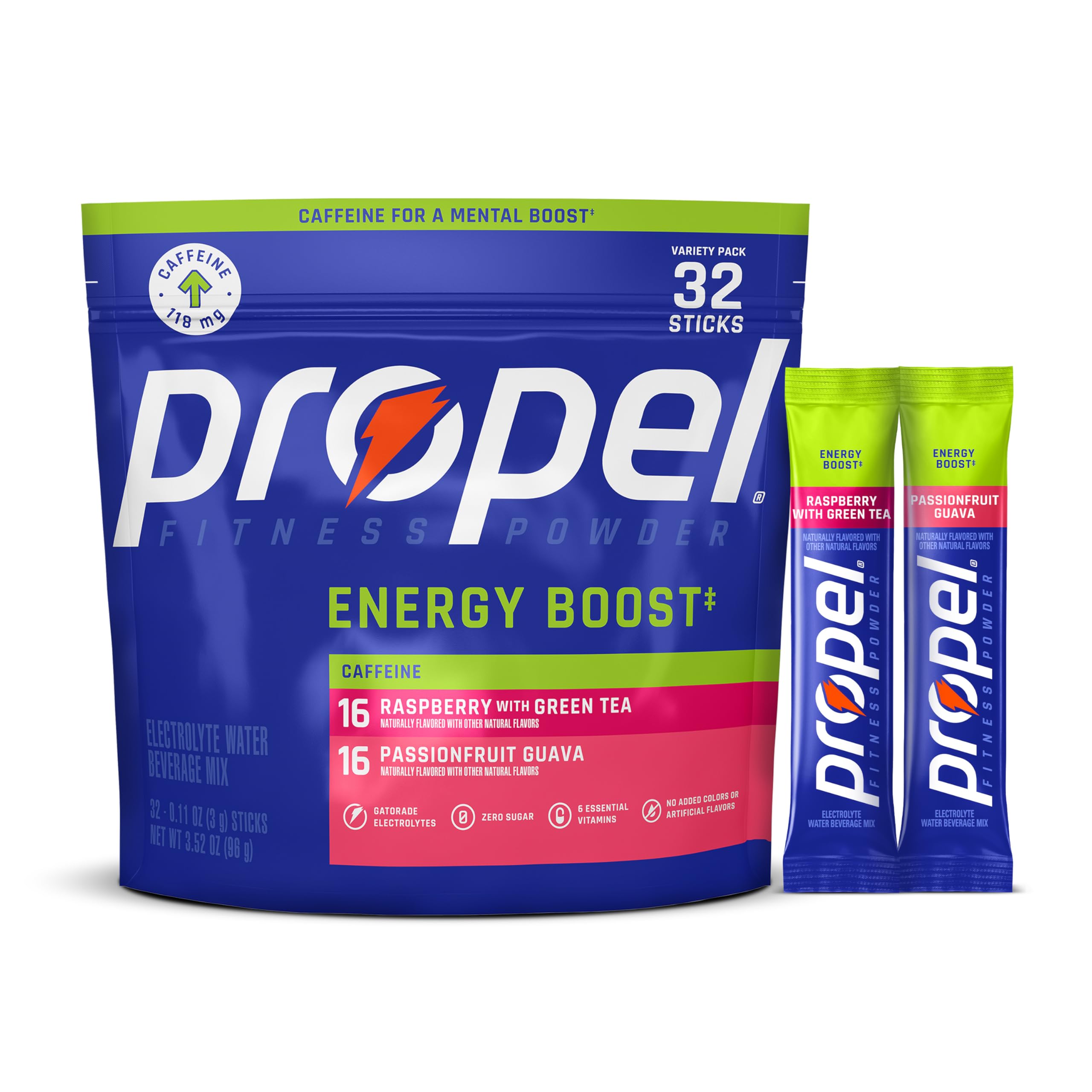
I recommend this if you want a zero-sugar drink mix that hydrates and gives a clear, mid-level caffeine lift.
Pros
- Cleans up quickly in water and tastes fresh.
- Gives a steady, focused boost without jitters.
- Convenient single-serve sticks for travel.
Cons
- Caffeine may feel light for heavy coffee drinkers.
- Some people might not like one of the two flavors.
- Packets add short-term waste compared with bulk tubs.
I tried the Raspberry Green Tea and Passionfruit Guava sticks after workouts and on long workdays. The powder dissolved fast, and the drink tasted clean — not too sweet or fake. I felt alert for a few hours without the crash I get from sugary sports drinks.
I noticed real hydration after sweaty runs. The sodium and potassium help, and the vitamins felt like a nice extra. The 118 mg of caffeine woke me up but didn’t make me shaky, so it worked well for pre-work or mid-afternoon focus.
One downside: if you need stronger caffeine, you’ll want a second stick or a coffee. Also, one flavor in the variety didn’t hit my taste buds as well as the other. Still, the mix of energy and electrolytes in a no-sugar formula made this a convenient, everyday pick for me.
| What I liked | Who it fits |
| Fast mix, clean flavor, steady energy | People who want caffeine + hydration without sugar |
| Single-serve sticks for easy use | Travelers, athletes, and busy workers |
PHX Hydration Energy Drink (PHX)
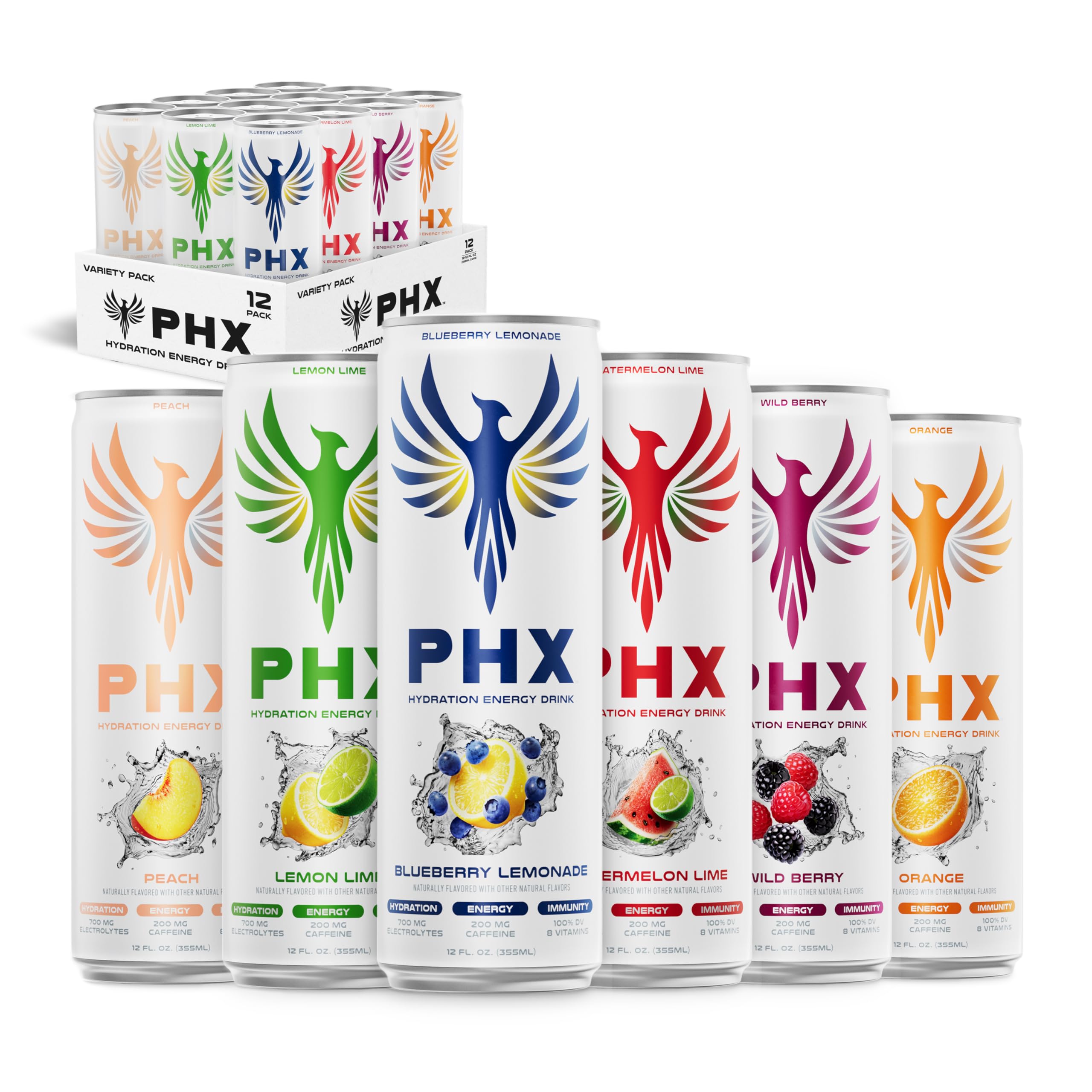
I would buy this if you want steady, long-lasting caffeine plus electrolytes and low calories.
Pros
- Smooth, steady energy without the jitters.
- Real electrolyte blend that helped me rehydrate after long workouts.
- Zero sugar and low calories with clean, fruit-forward flavors.
Cons
- 200 mg caffeine might be too strong for light caffeine users.
- Some flavors come across as intense or artificial to me.
- A few people report sensitivity to natural flavors.
I tried PHX after a tough morning run and liked how it landed. The energy came on clean and stayed even for hours. I didn’t get jittery or crash later.
The electrolyte mix felt real while I was sweating. My muscles seemed less tight the rest of the day, and the drink tasted bright and fruity without being syrupy.
I noticed one flavor was a bit sharp for my taste, and if you are sensitive to caffeine you’ll want to skip the late afternoon. Overall, PHX was a reliable pick when I needed both hydration and a steady wake-up boost.
| What I liked | Who it’s good for | What to watch |
|---|---|---|
| 700 mg electrolytes + l-theanine for calm energy | Athletes, shift workers, busy days | 200 mg caffeine per can; check flavor if you’re sensitive |
EVL BCAA Energy — Grape Splash
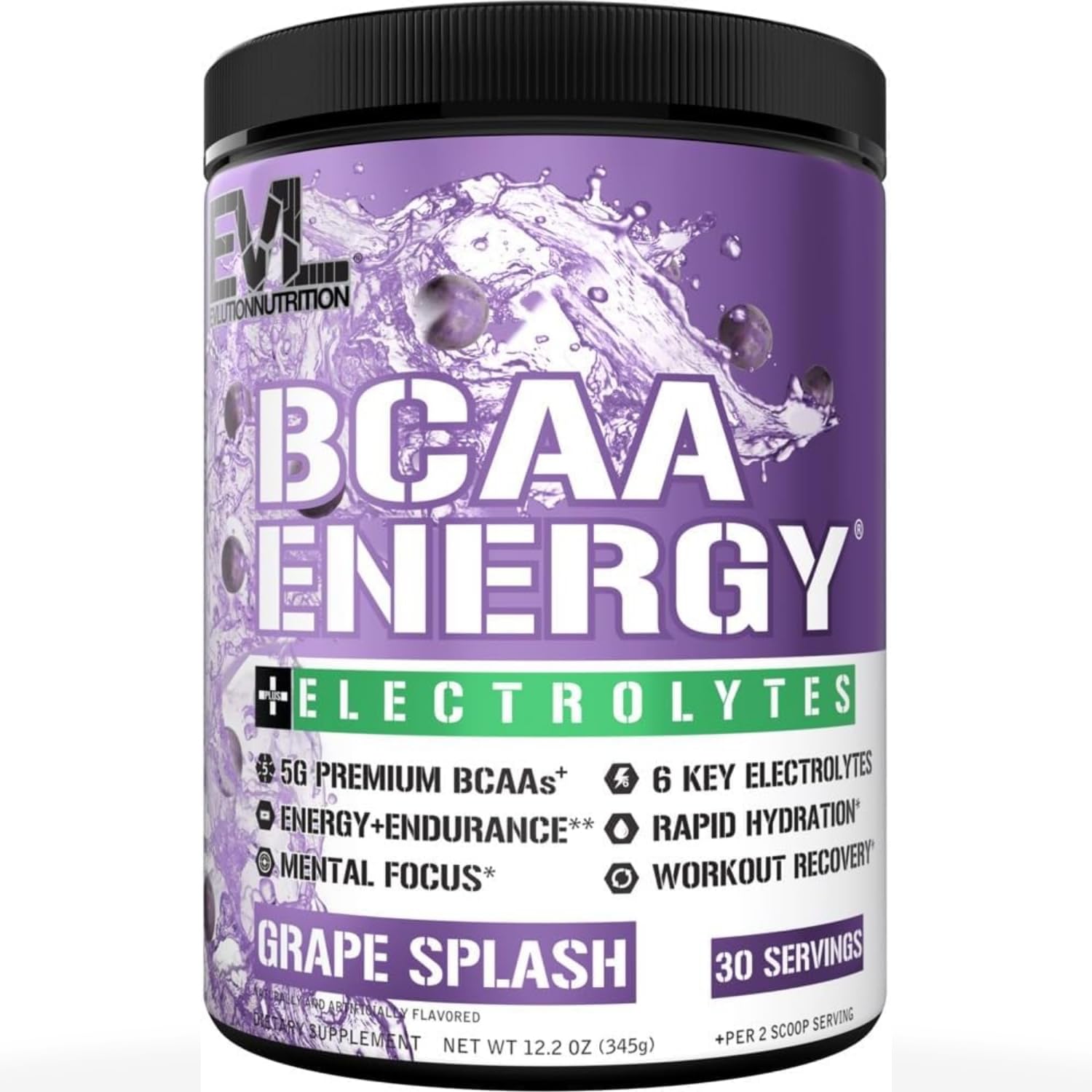
I recommend this if you want a clean, grape-flavored BCAA drink that boosts energy, helps recovery, and hydrates during tough workouts.
Pros
- Tastes good and mixes smooth with no grit.
- Gives steady energy and helps me push longer.
- Electrolytes aid rapid hydration and reduce muscle soreness.
Cons
- Two scoops for full effect may be more than some want.
- Contains stimulants that could bother sensitive users.
- Grape flavor might be too sweet for people who prefer plain drinks.
I used this during my last few workouts and liked how the grape flavor stayed bright without being cloying. It dissolved easily in a shaker and I didn’t get any chalky bits, even near the bottom of the bottle.
Energy hit felt clean and steady rather than jittery. I sipped it through my session and noticed less fatigue and less tightness the next morning.
Recovery seemed faster compared with plain water. The added electrolytes left me feeling rehydrated, which helped me get back to another workout sooner.
| What I used | How I took it | What I noticed |
|---|---|---|
| EVL BCAA Energy (Grape) | 2 scoops in ~10 oz water, sipped during workouts | Smooth mix, steady energy, less soreness |
If you want to try it, check it out here: EVL BCAAs Amino Acids Powder – Grape Splash 30 Servings.
Buying Guide
I look for the purpose first. Decide if I need quick energy, muscle recovery, or steady hydration. That choice guides which ingredients I focus on.
I check ingredients closely. I want clear amounts of carbs, protein, electrolytes, and caffeine. I avoid drinks with long, unclear ingredient lists or hidden sugars.
I consider nutritional balance. A good recovery drink has carbs for energy, protein for repair, and electrolytes for rehydration. I balance caffeine carefully so it boosts energy without messing up sleep.
I read labels for serving size and calories. Drinks vary widely, so I compare per-serving values. That helps me match a drink to the length and intensity of my activity.
I evaluate form and convenience. Powder mixes, ready-to-drink bottles, and concentrates each fit different routines. I pick the form that I will actually use consistently.
I consider dietary needs and safety. I check for allergens, artificial sweeteners, and added colors. I also look for third-party testing or clear manufacturing info when available.
I look at cost and sustainability. Price per serving matters, and packaging can affect waste. I weigh convenience against long-term cost and environmental impact.
I try a small batch before committing. Tastes and effects vary, so sampling helps me find what works.
FAQS
Q: What drink should I try after a hard workout?
I usually reach for a drink with carbs and protein. It helps refill energy and repair muscles.
Q: How soon should I drink after exercise?
I aim for 30–60 minutes post-workout. That window helps my body absorb carbs and protein best.
Q: Are natural ingredients better than powders?
I prefer natural ingredients when possible. Whole foods and coconut water offer vitamins and fewer additives.
Q: Can recovery drinks help with fatigue all day?
Recovery drinks can help short-term, but they are not a full fix. I combine them with sleep, hydration, and balanced meals.
Q: How much sugar is too much?
I look for options with 6–12 grams of sugar per serving after intense exercise. For light activity, I choose lower-sugar choices.
Q: Are electrolyte drinks necessary?
I use electrolyte drinks when I sweat a lot or exercise for over an hour. For short workouts, water often works fine.
Q: Any tips for choosing a store-bought drink?
Check labels for calories, protein, carbs, and sugar. I avoid added colors and artificial sweeteners when I can.
Q: Can kids use adult recovery drinks?
I avoid giving kids adult formulas. Kids need lower sugar and calories; ask a pediatrician if unsure.
Quick comparison:
- Coconut water: low sugar, natural electrolytes.
- Protein shake: muscle repair, higher protein.
- Sports drink: good for long, intense workouts.
Conclusion
I picked drinks that balance carbs, protein, electrolytes, and fast hydration. That mix helps me recover energy without heavy sugar spikes. I look for real ingredients and clear labels.
I prefer options that fit my activity and taste. Sometimes I choose a ready-made sports drink. Other times I make a simple shake with milk, banana, and a scoop of protein.
I watch portions and timing. Drinking within 30–60 minutes after exercise works best for me. Smaller sips during long workouts also keep me steady.
I keep a short checklist when choosing a drink:
- Carb-to-protein ratio: about 3:1 for many workouts.
- Electrolytes: sodium and potassium matter.
- Sugar level: not too high, not artificial.
- Ingredients: whole-food items I recognize.
I change my pick based on how I feel. For light activity, water plus a snack often suffices. For intense sessions, I reach for a higher-carb option or a recovery shake.
I encourage trying a few drinks to see what works for your body. Note how energy, muscle soreness, and digestion respond. Small tests help find the best match for your needs.

