Quick Answer: To treat neck pain at home, start with gentle movement, heat or ice, light self massage, better posture, and a supportive sleep setup. Avoid aggressive stretching or deep pressure. If pain travels down your arm, causes weakness, numbness, fever, or follows an injury, get medical advice.
Neck pain can make simple things feel difficult. Turning your head, working at a desk, sleeping, driving, or relaxing at night can all become uncomfortable.
I’m Ethan Carter, and I’ve spent years testing massage tools, recovery products, and pain relief methods. I focus on simple, practical advice that helps people feel better and recover faster at home.
In this guide, I’ll show you how to treat neck pain safely, what usually causes it, which home methods may help, and which massage products are worth considering without overdoing it.
Why Neck Pain Happens More Than Most People Realize
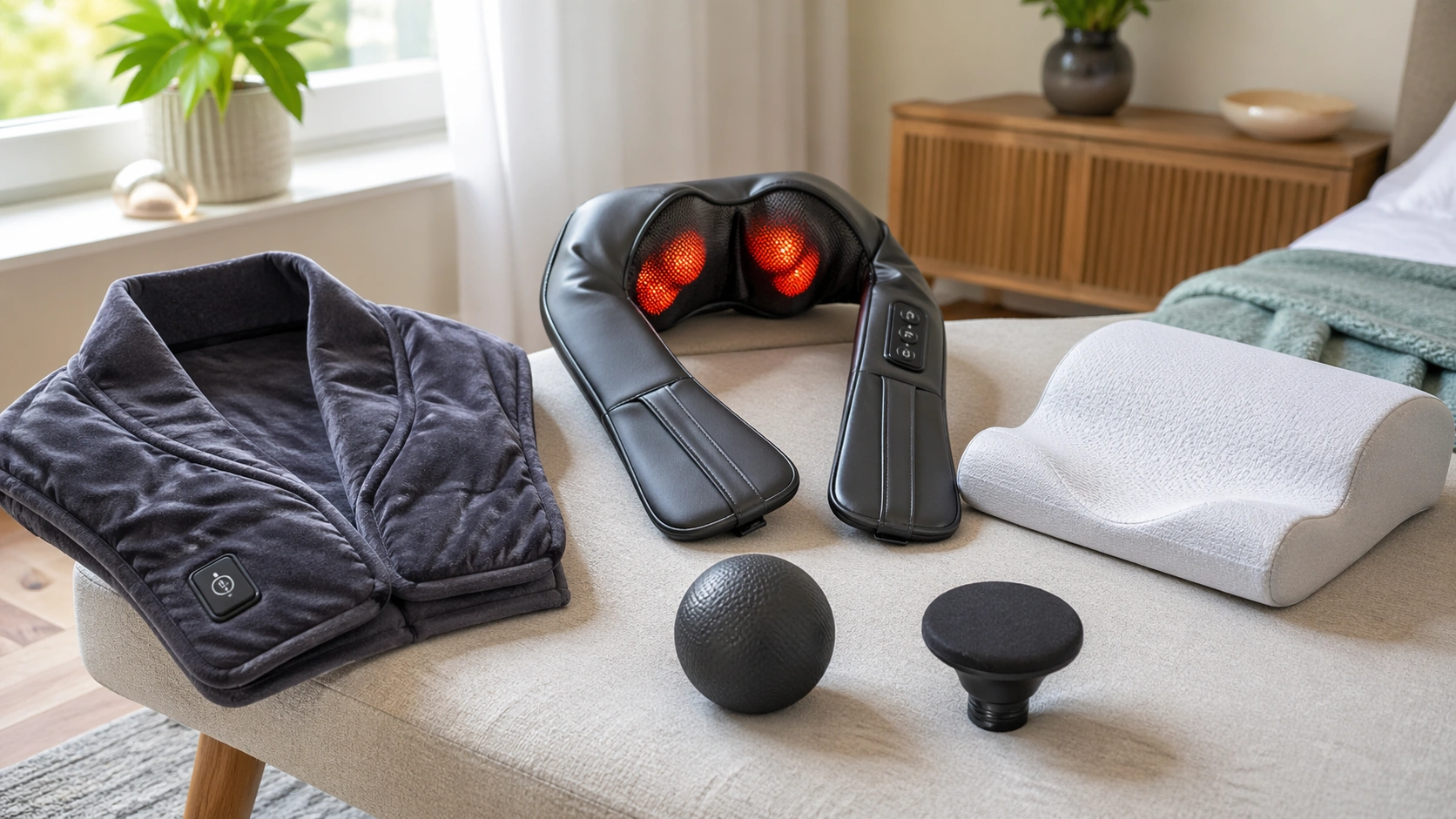
Neck pain is common because the neck works hard all day. It supports your head, helps you look around, and reacts to stress, posture, screen time, workouts, and sleep position.
According to Cleveland Clinic’s neck pain guide, common causes can include physical strain, poor posture, stress, and other health conditions. For many people, the problem starts with soft tissue tension rather than one big injury.
Common Neck Pain Triggers I See Most Often
- Looking down at a phone for long periods
- Sitting at a desk with rounded shoulders
- Sleeping with the neck bent or unsupported
- Stress-related shoulder and neck tension
- Heavy lifting or sudden twisting
- Workout soreness in the upper traps and neck
- Long drives without posture breaks
- Using the wrong pillow height
Neck pain often shows up with stiffness, soreness, limited range of motion, headaches, upper back tightness, or shoulder tension. The key is to match the treatment to the trigger.
When Neck Pain Is Usually Muscle-Related
Muscle-related neck pain often feels tight, sore, dull, or achy. It may feel worse after sitting, sleeping awkwardly, exercising, or carrying stress in the shoulders.
This type of discomfort may respond well to gentle heat, light massage, posture changes, mobility work, and better recovery habits. It should not be treated with force. The neck is sensitive, so gentle usually works better than aggressive pressure.
How Neck Pain Works: Muscles, Posture, Trigger Points, and Recovery
Your neck is connected to your shoulders, upper back, jaw, and chest. That means pain in one area can affect another area. A tight upper trapezius muscle, stiff levator scapulae, or irritated trigger point can make your whole neck feel locked up.
Why Tight Neck Muscles Can Feel Worse Over Time
When neck muscles stay tense for hours, circulation may feel reduced and the soft tissue can become more sensitive. Poor posture can also keep the muscles working even when you think you are resting.
For example, if your head leans forward while using a laptop, your neck muscles have to support that position. Over time, this may lead to stiffness, soreness, and limited mobility.
How Massage, Heat, Movement, and Ergonomics May Help
Different methods help in different ways. Heat may help relax stiff muscles. Gentle movement may support range of motion. Massage may reduce the feeling of tight trigger points. Ergonomic changes may reduce the reason the pain keeps coming back.
The goal is not to force the neck into relief. The goal is to calm the area, improve comfort, and reduce the daily habits that keep irritating it.
How to Treat Neck Pain at Home Step by Step
If your neck pain feels mild to moderate and does not include serious warning signs, a simple home routine may help. Keep everything slow, gentle, and controlled.
Step 1: Check for Warning Signs First
Before using massage tools or stretching, check how your body feels. Mayo Clinic advises seeking care for neck pain with numbness, weakness in the arms or hands, or pain that shoots into the shoulder or down the arm. You can read more from Mayo Clinic’s neck pain symptoms guide.
Do not try to push through severe pain, recent trauma, fever, major headaches, dizziness, loss of balance, or nerve-like symptoms. In those cases, self-care is not the first step.
Step 2: Use Ice or Heat the Smart Way
For sudden soreness, fresh strain, or inflammation, cold therapy may feel better at first. Use a wrapped cold pack for short sessions and never place ice directly on bare skin.
For stiffness, chronic tension, or desk-related tightness, heat therapy often feels more relaxing. A warm towel, heated neck wrap, or warm shower may help loosen tight soft tissue before stretching or massage.
| Situation | Better First Choice | Simple Tip |
|---|---|---|
| Fresh strain or sudden soreness | Cold therapy | Use short sessions with a towel barrier |
| Stiff neck from desk work | Heat therapy | Warm the area before gentle mobility |
| Morning neck tightness | Heat therapy | Pair heat with slow range-of-motion moves |
| Neck feels swollen or irritated | Cold therapy | Avoid deep massage until it calms down |
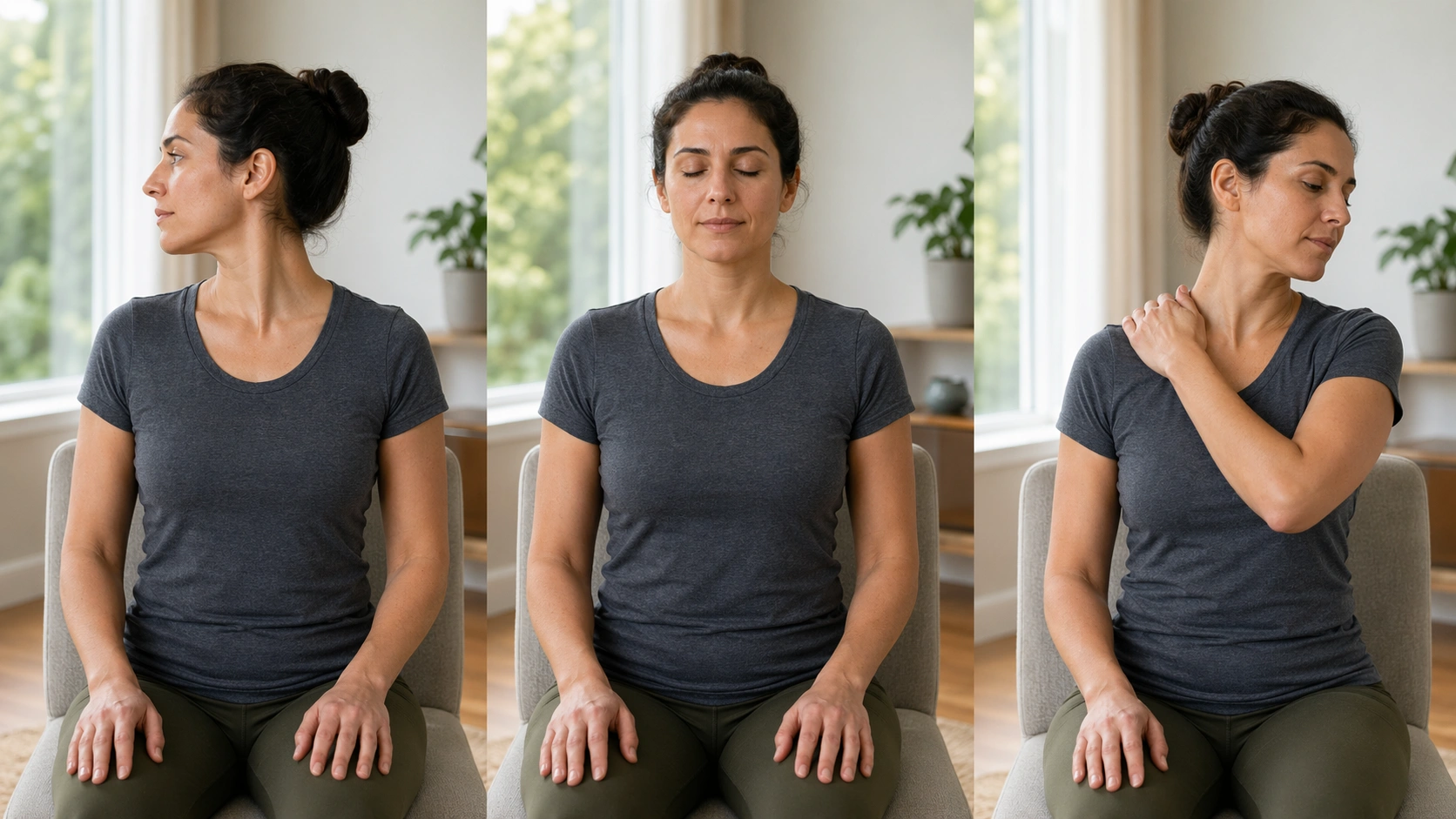
Step 3: Try Gentle Neck Mobility
Gentle movement is often better than staying completely stiff. Move only within a comfortable range. Do not force the neck to crack or stretch hard.
- Sit tall with your shoulders relaxed.
- Slowly turn your head to the right, then return to center.
- Slowly turn your head to the left, then return to center.
- Tilt one ear slightly toward the shoulder without lifting the shoulder.
- Repeat on the other side.
- Do 5 to 8 slow reps in each direction.
This should feel easy and controlled. Stop if you feel sharp pain, tingling, dizziness, or pain traveling down the arm.
Step 4: Use Self Massage for Tight Neck Muscles
Self massage can be helpful when neck pain feels like muscle tightness or trigger points. Use your fingertips, a massage ball against the upper back area, or a gentle neck massager.
Focus on the muscles beside the neck and across the upper shoulders. Avoid pressing directly on the front of the throat, the spine bones, or the side of the neck where sensitive blood vessels and nerves are located.
- Use light to moderate pressure.
- Massage for 30 to 60 seconds per tight spot.
- Breathe slowly while applying pressure.
- Stop if pain feels sharp, electric, or unusual.
- Drink water and move gently afterward.
Step 5: Fix Your Desk, Phone, and Sleep Setup
If your neck pain keeps coming back, your daily setup may be the real problem. Treating neck pain without fixing posture is like drying a floor while the faucet is still running.
| Daily Habit | Common Problem | Better Fix |
|---|---|---|
| Working on a laptop | Head drops forward | Raise screen and use a separate keyboard |
| Using a phone | Neck bends down | Bring phone closer to eye level |
| Sleeping | Pillow too high or too flat | Keep neck neutral and supported |
| Driving | Shoulders tense and head forward | Adjust seat and take posture breaks |
Step 6: Build a Simple Daily Neck Relief Routine
A good routine does not need to be complicated. Most people do better with a short plan they can repeat instead of a long routine they quit after two days.
- Morning: 3 minutes of gentle neck mobility.
- Workday: posture break every 30 to 60 minutes.
- Evening: 10 to 15 minutes of heat therapy if stiffness is present.
- Night: light self massage across the upper shoulders.
- Sleep: use a pillow that keeps the neck neutral.
This type of routine may support comfort, mobility, relaxation, and better recovery without putting too much stress on the neck.
Neck Pain Symptoms vs Best At-Home Solution
Neck pain can feel different depending on the cause. Use this simple table to match common symptoms with a reasonable first step.
| Symptom | Possible Cause | Best First Step |
|---|---|---|
| Stiff neck after sleep | Awkward sleep position or pillow height | Heat, gentle mobility, pillow adjustment |
| Tight neck after desk work | Forward head posture and shoulder tension | Posture breaks, light stretching, self massage |
| Sore neck after exercise | Overuse or mild strain | Rest, cold therapy first, then easy movement |
| Neck tension with stress | Muscle guarding and shallow breathing | Heat, breathing, gentle shoulder massage |
| Limited range of motion | Stiff soft tissue or trigger points | Gentle mobility and light massage |
| Pain down the arm | Possible nerve irritation | Pause self-care and get medical advice |
Best Neck Pain Relief Techniques Compared
No single method is best for everyone. The best approach depends on whether your neck pain is fresh, stiff, stress-related, posture-related, or tied to muscle knots.
| Technique | Best For | How to Use | Use With Care If |
|---|---|---|---|
| Heat therapy | Stiffness, chronic tension, desk pain | Use before stretching or massage | You have swelling, skin sensitivity, or irritation |
| Cold therapy | Fresh strain, sudden soreness, irritation | Use short wrapped sessions | You have cold sensitivity or numb skin |
| Self massage | Trigger points and tight upper shoulders | Use light pressure for short sessions | Pain is sharp, radiating, or nerve-like |
| Gentle stretching | Reduced mobility and stiffness | Move slowly within comfort | Stretching increases symptoms |
| Posture correction | Recurring desk or phone pain | Adjust screen, chair, and breaks | You only do it once and ignore daily habits |
| Neck massager | Hands-free relaxation | Use low settings first | You have medical restrictions or nerve symptoms |
Best Tools and Products for Neck Pain Relief at Home
Because the keyword how to treat neck pain has strong product relevance, the right tools can support a home routine. I do not recommend buying every gadget. I prefer a few practical tools that solve different problems.
Heated Neck Wrap
A heated neck wrap is useful for stiff muscles, evening relaxation, and desk-related tension. It works well before gentle stretching or self massage.
Heated Neck and Shoulder Wrap
Best for relaxing stiff neck muscles, easing desk tension, and supporting a calm evening recovery routine.
Electric Neck and Shoulder Massager
An electric neck and shoulder massager may help people who want hands-free relief after work. I like this option for upper shoulder tension, but I recommend starting on the lowest setting.
Electric Neck and Shoulder Massager
Best for hands-free massage around the upper shoulders and back of the neck after long sitting sessions.
Massage Gun With Soft Attachment
A massage gun can be useful for the upper traps and shoulders, but I do not recommend using it directly on the front, side, or bony parts of the neck. Use a soft attachment, low speed, and short sessions.
For neck pain, a massage gun should support relaxation, not force deep tissue work. If it makes symptoms worse, stop using it.
Supportive Cervical Pillow
If your neck hurts every morning, your pillow may be part of the problem. A supportive cervical pillow can help keep your neck closer to neutral while sleeping.
Supportive Cervical Pillow
Best for people who wake up with neck stiffness and need better sleep posture support.
Product Comparison: Which Neck Pain Tool Fits Your Routine?
The best product depends on your main trigger. Office workers may need heat and posture support. People with sleep-related pain may need a better pillow. Active people may need recovery tools for the shoulders and upper back.
| Product Type | Best For | Main Benefit | Buyer Tip |
|---|---|---|---|
| Heated neck wrap | Stiff neck and evening tension | Relaxing tight muscles | Choose adjustable heat levels and soft fabric |
| Electric neck massager | Hands-free massage at home | Massage support after desk work | Look for gentle speed settings |
| Massage gun | Upper traps and shoulder tightness | Quick muscle recovery support | Use low speed and avoid direct neck bones |
| Cervical pillow | Morning neck stiffness | Better sleep alignment | Match height to side or back sleeping |
| Massage ball | Trigger points near upper back | Targeted pressure control | Use against a wall, not directly on the spine |
Common Neck Pain Problems and Fixes
Why Your Neck Feels Tight After Sitting All Day
Desk work often creates forward head posture. Your shoulders round forward, your chin moves toward the screen, and the muscles at the back of the neck stay active for too long.
The fix is simple but not always easy: raise your screen, relax your shoulders, keep your elbows supported, and take posture breaks before the pain builds.
Why Your Neck Hurts After Sleeping
Morning neck pain often comes from poor pillow height or sleeping with the neck twisted. Stomach sleeping can also put the neck in a rotated position for hours.
Try sleeping on your back or side with your neck supported in a neutral position. If your pillow forces your head upward or lets it drop too low, it may be time to replace it.
Why Neck Pain Spreads Toward the Shoulders
The neck and shoulders share many movement patterns. Tight upper traps, stiff shoulder muscles, and stress tension can make pain feel like it travels across the top of the shoulders.
In this case, do not only massage the neck. Work gently across the upper shoulders, upper back, and chest area too. This can help reduce the load on the neck.
Why Massage Sometimes Makes Neck Pain Worse
Massage can feel good, but too much pressure can irritate sensitive tissue. The neck is not the place for aggressive deep pressure, especially if pain is sharp or nerve-like.
If massage makes your pain worse, reduce the pressure, shorten the session, switch to heat, or stop and get guidance from a qualified professional.
Common Neck Pain Treatment Mistakes to Avoid
Using Too Much Pressure
More pressure does not mean better results. Deep pressure on a sensitive neck can increase soreness. Start light and only increase pressure if your body responds well.
Stretching Too Aggressively
Hard stretching can make irritated muscles guard even more. A good neck stretch should feel mild, controlled, and easy to breathe through.
Ignoring Desk and Phone Posture
If your posture is the trigger, massage alone will not solve the problem. You need to reduce the daily strain that keeps feeding the pain.
Using a Massage Gun Directly on the Front or Side of the Neck
This is one of the biggest mistakes I see. Use massage guns only around safer muscle areas like the upper traps and shoulders. Avoid the throat, side of the neck, spine bones, and any area that feels sharp or unusual.
Safety Tips: When to Stop and Get Medical Advice
Most mild neck discomfort may improve with time and self-care, but not all neck pain should be treated at home. Mayo Clinic notes that many mild to moderate cases may respond to self-care within a few weeks, but symptoms that are severe, unusual, or nerve-related deserve proper attention. You can review their treatment overview here: Mayo Clinic neck pain diagnosis and treatment.
Red Flags You Should Not Ignore
- Pain after a fall, car accident, or injury
- Numbness, tingling, or weakness in the arm or hand
- Pain shooting down the shoulder or arm
- Fever, severe headache, or neck stiffness that feels unusual
- Loss of balance or coordination
- Pain that keeps getting worse instead of improving
- Neck pain with chest pain or trouble breathing
Who Should Be Extra Careful With Neck Massagers
Be careful with massage tools if you have a recent injury, surgery, known spine condition, nerve symptoms, blood clot risk, skin irritation, reduced sensation, or any condition where pressure or vibration may not be safe.
When in doubt, keep the tool off the painful area and ask a qualified healthcare professional what is appropriate for your situation.
FAQ: How to Treat Neck Pain
What is the fastest way to treat neck pain at home?
The fastest gentle approach is to reduce strain, use heat or cold based on the situation, move slowly, and try light self massage. Avoid forcing stretches or using deep pressure.
Is heat or ice better for neck pain?
Ice may help fresh soreness or irritation, while heat often works better for stiffness and chronic muscle tension. Use short sessions and protect your skin.
Can massage help neck pain?
Massage may help muscle-related neck tightness, trigger points, and stress tension. Use gentle pressure and avoid the front, side, or bony parts of the neck.
Should I use a massage gun for neck pain?
You can use a massage gun carefully on the upper traps and shoulders, but avoid using it directly on the front, side, or bones of the neck.
How should I sleep with neck pain?
Sleep on your back or side with your neck in a neutral position. Use a pillow that supports your neck without pushing your head too high or letting it drop.
When should I worry about neck pain?
Get medical advice if neck pain follows an injury, shoots down your arm, causes numbness or weakness, comes with fever, or keeps getting worse.
What is the best product for neck pain relief?
For stiffness, a heated neck wrap is often helpful. For desk tension, a gentle neck massager may help. For morning pain, a supportive cervical pillow may be better.
Conclusion: The Smart Way to Treat Neck Pain at Home
The best way to treat neck pain is to stay gentle, match the method to the cause, and fix the daily habits that keep your neck irritated. Heat, cold, light self massage, mobility work, posture support, and better sleep alignment can all play a helpful role.
Start simple. Use tools carefully. Avoid aggressive pressure. And if your symptoms feel severe, unusual, or nerve-related, get proper medical advice before continuing home treatment.