Shoulder blade pain can be debilitating, affecting daily activities. This guide provides effective strategies to relieve discomfort, including stretching exercises, proper posture, and self-massage techniques. Discover how to regain your mobility and live pain-free!
Key Takeaways
- Understand the Causes: Recognizing the root cause of shoulder blade pain helps in choosing the right treatment.
- Posture Matters: Maintaining good posture can prevent and alleviate pain.
- Stretching is Essential: Regular stretching can improve flexibility and reduce tension in the shoulder area.
- Strengthening Exercises: Building strength in surrounding muscles can provide support and reduce pain.
- Self-Massage Techniques: Simple self-massage can relieve tightness and discomfort.
- Heat and Cold Therapy: Using heat or cold packs can soothe inflammation and pain.
- Consult a Professional: If pain persists, seek advice from a healthcare professional for tailored treatment.
Effective Strategies on How to Get Rid of Shoulder Blade Pain
Shoulder blade pain affects many people and can arise from various sources, including poor posture, muscle strain, or even stress. This guide offers practical solutions to help you understand the causes of your pain and implement effective strategies for relief. Whether you’re dealing with mild discomfort or more severe pain, these tips can help you regain control over your shoulder health.
Step 1: Understand the Causes of Shoulder Blade Pain
Before addressing shoulder blade pain, it’s vital to identify its root causes. Common sources include:
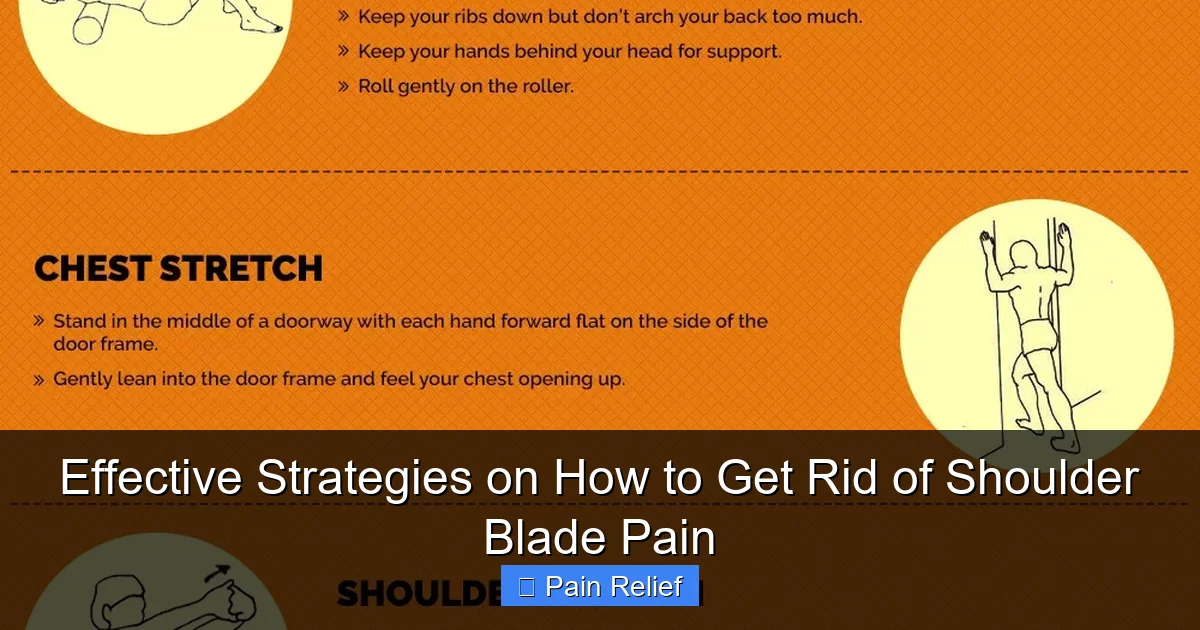
Visual guide about Effective Strategies on How to Get Rid of Shoulder Blade Pain
Image source: belmarrahealth.com
- Poor Posture: Slouching or hunching can strain the muscles around the shoulder blades.
- Muscle Strain: Overexertion during physical activities can lead to muscle fatigue.
- Stress and Tension: Emotional stress can cause muscle tightness, particularly in the upper back.
- Injuries: Accidents or falls can lead to strains or tears in the shoulder muscles.
Identifying Your Pain
To effectively treat your pain, consider keeping a journal to track:
- When the pain occurs.
- Activities that exacerbate it.
- Any associated symptoms, like numbness or tingling.
Step 2: Correct Your Posture
Good posture is crucial for preventing shoulder blade pain. Here’s how to improve it:

Visual guide about Effective Strategies on How to Get Rid of Shoulder Blade Pain
Image source: physiomantra.co
Desk Setup
- Ensure your computer screen is at eye level.
- Use an ergonomic chair that supports your lower back.
- Keep your feet flat on the floor and your knees at a 90-degree angle.
Standing Posture
- Stand tall with shoulders back and relaxed.
- Avoid locking your knees; keep them slightly bent.
- Distribute your weight evenly on both feet.
Step 3: Stretch and Strengthen
Incorporate stretching and strengthening exercises into your daily routine to alleviate shoulder blade pain.

Visual guide about Effective Strategies on How to Get Rid of Shoulder Blade Pain
Image source: mendcolorado.com
Stretching Exercises
- Shoulder Rolls: Roll your shoulders forward and backward in a circular motion, 10 times each.
- Chest Stretch: Stand in a doorway with arms at shoulder height and lean forward gently.
- Neck Stretch: Tilt your head to one side and hold for 15-30 seconds on each side.
Strengthening Exercises
- Scapular Retractions: Sit or stand, pull your shoulder blades together and hold for 5 seconds, repeat 10 times.
- Wall Angels: Stand against a wall with arms raised, slide them up and down while keeping contact with the wall.
- Resistance Band Rows: Use a resistance band to mimic rowing, pulling back and squeezing shoulder blades together.
Step 4: Self-Massage Techniques
Self-massage can help alleviate tightness and pain in the shoulder blades.
Using Your Hands
- Apply pressure using your fingers or thumb on tight areas around your shoulder blades.
- Use circular motions and hold pressure for 15-30 seconds.
Tools for Massage
- Tennis Ball Massage: Place a tennis ball between your back and a wall, rolling it over tight spots.
- Foam Roller: Use a foam roller to roll out tension in your upper back and shoulders.
Step 5: Utilize Heat and Cold Therapy
Heat and cold therapy can effectively reduce pain and inflammation.
Cold Therapy
- Apply a cold pack wrapped in a cloth for 15-20 minutes to reduce swelling.
- Use cold therapy after activities that exacerbate your pain.
Heat Therapy
- Apply a warm compress or heating pad to relax tight muscles.
- Use heat therapy before stretching or exercising to improve flexibility.
Troubleshooting: When Pain Persists
If your shoulder blade pain continues despite trying these strategies, consider the following:
- Consult a Doctor: Seek medical advice to rule out any serious conditions.
- Physical Therapy: A physical therapist can provide tailored exercises and treatments.
- Consider Alternative Therapies: Techniques like acupuncture or chiropractic care may provide additional relief.
Conclusion
Shoulder blade pain can significantly impact your quality of life, but with the right strategies, you can find relief. By understanding the causes, correcting your posture, practicing regular stretching and strengthening, and utilizing self-care techniques, you can effectively manage and reduce your pain. Remember, if your pain persists or worsens, consult a healthcare professional for personalized guidance. Take charge of your shoulder health today!
🎥 Related Video: Get Rid of Shoulder Blade Pain! Dr. Mandell
📺 motivationaldoc