This guide offers practical, effective strategies to help you reduce rotator cuff pain. From exercises to lifestyle changes, you’ll learn methods to enhance your shoulder health and regain mobility.
Key Takeaways
- Understand Rotator Cuff Pain: Learn about the anatomy of the rotator cuff and common injuries that cause pain.
- Implement Stretching Exercises: Regular stretching can enhance flexibility and reduce tension in the shoulder.
- Strengthening Workouts: Building strength in shoulder muscles helps support the rotator cuff and prevent injuries.
- Utilize Ice and Heat Therapy: Both ice and heat can provide effective pain relief and promote healing.
- Modify Daily Activities: Simple changes in your daily routine can lessen strain on your shoulders.
- Consider Professional Help: Consulting with a physical therapist can provide personalized exercises and strategies.
- Be Patient: Healing takes time; consistency in your efforts is key to reducing pain.
Effective Strategies on How to Reduce Rotator Cuff Pain
Rotator cuff pain can be debilitating, affecting your daily activities and overall quality of life. This guide aims to provide you with effective strategies to reduce discomfort and improve your shoulder health. By following these step-by-step instructions, you will learn about exercises, remedies, and lifestyle changes that can help you manage and alleviate rotator cuff pain.
Understanding Rotator Cuff Pain
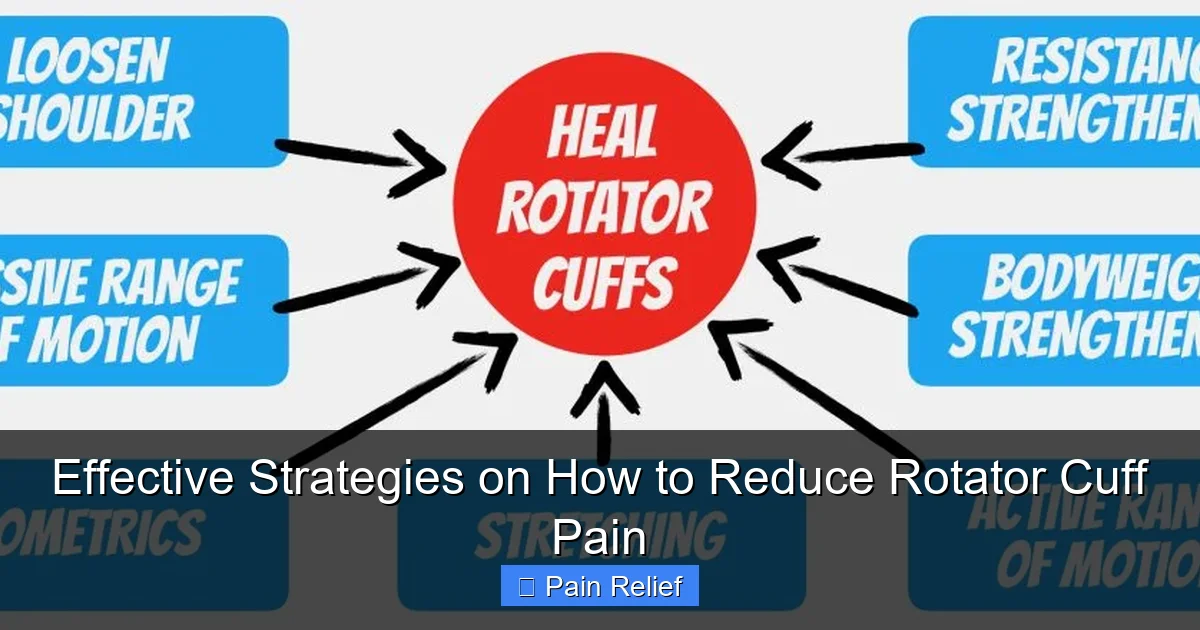
Your rotator cuff consists of muscles and tendons that stabilize your shoulder joint. Injuries can occur due to overuse, falls, or age-related wear and tear. Recognizing the symptoms of rotator cuff injuries is crucial, as early intervention can lead to better outcomes. Symptoms may include:
Visual guide about Effective Strategies on How to Reduce Rotator Cuff Pain
Image source: effectiverotatorcuffexercises.com
- Pain during arm movements
- Weakness in the shoulder
- Difficulty lifting objects
- Night pain, especially when lying on the affected side
Step 1: Implement Stretching Exercises
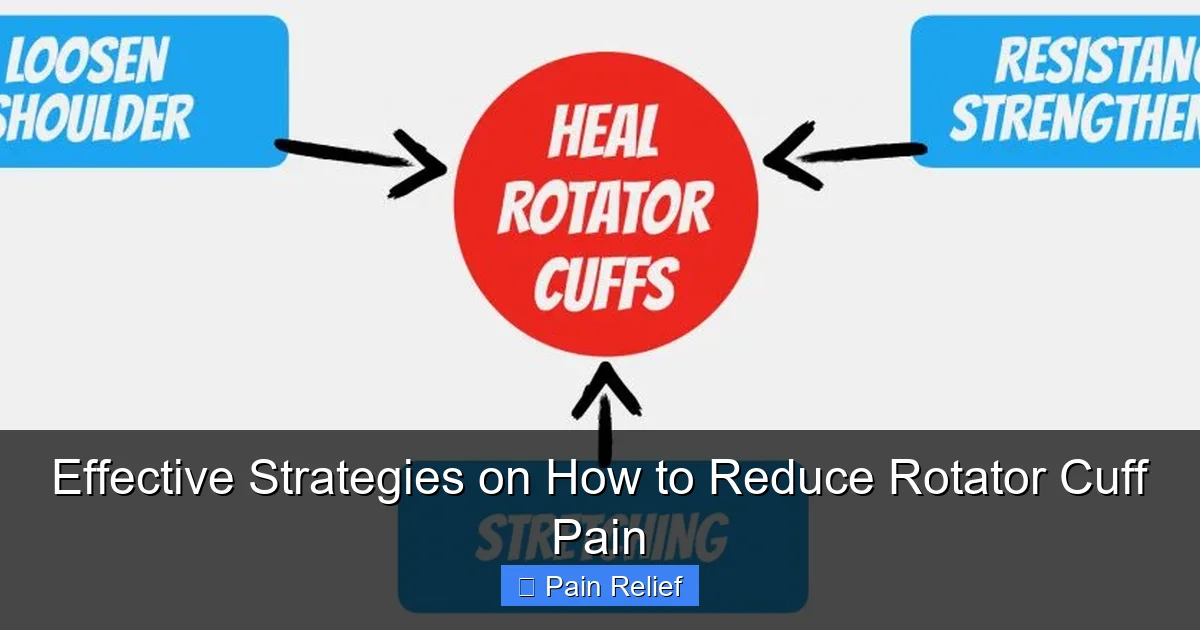
Stretching your shoulder can relieve tension and improve flexibility. Here are a couple of effective stretches:
Visual guide about Effective Strategies on How to Reduce Rotator Cuff Pain
Image source: effectiverotatorcuffexercises.com
Cross-Body Shoulder Stretch
- Stand or sit comfortably.
- Use your affected arm to pull your opposite arm across your body.
- Hold for 15-30 seconds and repeat 2-3 times.
Doorway Stretch
- Stand in a doorway with your arms at a 90-degree angle against the frame.
- Lean forward gently until you feel a stretch in your shoulders.
- Hold for 15-30 seconds and repeat 2-3 times.
Incorporating these stretches into your daily routine can significantly help enhance your shoulder flexibility.
Step 2: Strengthening Workouts
Building strength in the shoulder muscles is essential for supporting the rotator cuff. Here are some strengthening exercises:

Visual guide about Effective Strategies on How to Reduce Rotator Cuff Pain
Image source: physiomed.ca
External Rotation
- Use a light resistance band or dumbbell.
- Stand with your elbow at a 90-degree angle, tucked into your side.
- Rotate your arm outward, keeping your elbow close to your body.
- Perform 10-15 repetitions for 2-3 sets.
Scapular Retraction
- Stand or sit with your arms at your sides.
- Pull your shoulder blades together, as if trying to hold a pencil between them.
- Hold for 5 seconds and release. Repeat 10-15 times.
These exercises will help you build the strength needed to support your shoulder joint and reduce pain.
Step 3: Utilize Ice and Heat Therapy
Ice and heat can be very effective in managing pain:
Ice Therapy
- Apply an ice pack to the affected area for 15-20 minutes.
- Do this several times a day, especially after activities that aggravate your pain.
- Make sure to place a cloth between the ice pack and your skin to prevent frostbite.
Heat Therapy
- Use a heating pad or warm towel on your shoulder for 15-20 minutes.
- Heat can help relax tight muscles and improve blood flow.
- Use heat before stretching or exercising for best results.
Both therapies can complement one another and provide relief at different stages of recovery.
Step 4: Modify Daily Activities
Making small changes in your daily activities can help minimize strain on your shoulders:
- Use ergonomic tools: Opt for tools that reduce strain, like long-handled brushes or ergonomic kitchen utensils.
- Avoid repetitive overhead motions: If your job or hobbies require reaching overhead, take frequent breaks.
- Practice good posture: Maintain a neutral spine when sitting or standing to alleviate shoulder strain.
These adjustments can significantly reduce the risk of worsening your rotator cuff pain.
Step 5: Consider Professional Help
If your pain persists despite self-care efforts, consulting a healthcare professional may be necessary. A physical therapist can:
- Provide a tailored exercise program to strengthen your rotator cuff.
- Teach you proper techniques to protect your shoulder during activities.
- Utilize modalities such as ultrasound or electrical stimulation to aid in healing.
Troubleshooting Common Issues
It’s common to face challenges while trying to reduce rotator cuff pain. Here are some common issues and solutions:
Problem: Pain Increases During Exercises
If you experience increased pain during exercises, stop immediately. It may indicate that the exercise is too advanced or that you’re overexerting yourself. Consult with a physical therapist for modifications.
Problem: Limited Range of Motion
If you find it difficult to move your arm, focus on gentle stretching and gradually increase your range of motion. Avoid pushing through pain, and seek professional guidance if necessary.
Conclusion
Reducing rotator cuff pain requires a combination of stretching, strengthening, and lifestyle modifications. By incorporating these strategies into your daily routine, you can help alleviate discomfort and improve your shoulder’s functionality. Remember to be patient with your healing process and consider seeking professional assistance when needed. With consistent effort, you can regain strength and mobility in your shoulder.
🎥 Related Video: THIS Rotator Cuff Exercise Controls Pain
📺 El Paso Manual Physical Therapy
Rotator cuff tears need this right away to help align the shoulder joint, take pressure off the rotator cuff tendons, and get pain relief.