If you’ve ever felt sore after a workout, you’re not alone. In this guide, you’ll learn effective ways to get rid of muscle pain after exercise, including various recovery techniques and tips to ease discomfort. From stretching to hydration, these strategies will help you bounce back faster and enjoy your fitness journey.
Key Takeaways
- Listen to Your Body: Pay attention to your body’s signals and adjust your workouts accordingly to prevent excessive soreness.
- Stay Hydrated: Drinking enough water can help reduce muscle soreness and improve recovery.
- Incorporate Stretching: Gentle stretching before and after workouts can prevent tightness and ease muscle pain.
- Utilize Foam Rollers: Foam rolling can break up muscle knots and improve blood flow, aiding in recovery.
- Consider Rest Days: Giving your muscles time to recover is crucial for long-term fitness and pain management.
- Apply Heat or Cold: Both heat and cold treatments can provide relief and reduce inflammation.
- Consult a Professional: If pain persists, seek advice from a medical professional to rule out serious injuries.
Effective Ways to Get Rid of Muscle Pain After Exercise
Exercise is great for your health, but sometimes it comes with unwanted muscle pain. This pain, often referred to as delayed onset muscle soreness (DOMS), can be a common aftermath of a tough workout. In this guide, we will explore effective ways to alleviate muscle pain after exercise. You will learn practical tips, techniques, and recovery methods to help you feel better faster. Let’s dive in!
1. Understand Muscle Pain
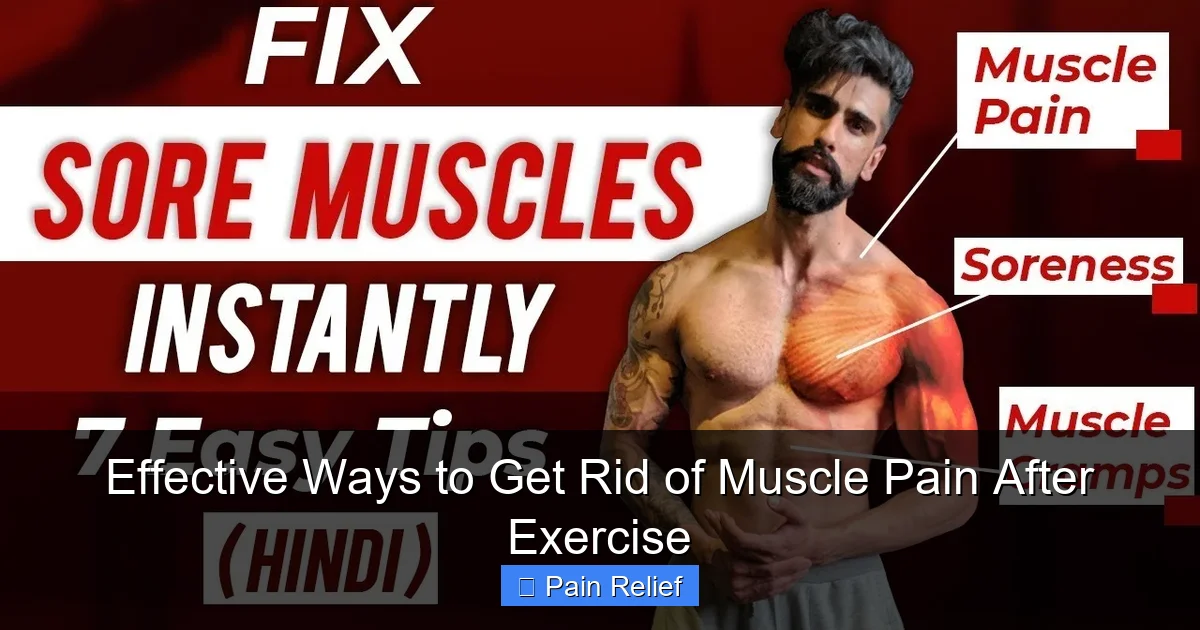
Before we tackle ways to relieve muscle pain, it’s important to understand what causes it. Muscle pain after exercise is usually a result of tiny tears in the muscle fibers. This is a normal part of muscle growth and adaptation but can lead to discomfort if not managed properly.
Visual guide about Effective Ways to Get Rid of Muscle Pain After Exercise
Image source: i.ytimg.com
2. Stay Hydrated
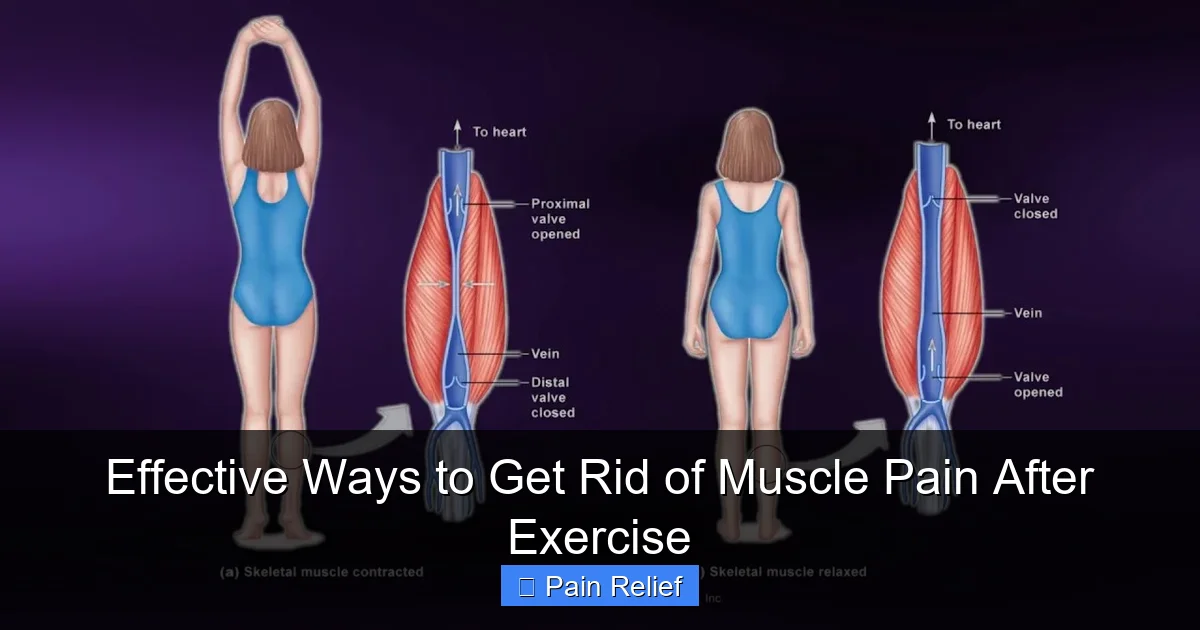
Water is essential for muscle recovery. Dehydration can lead to increased soreness and hinder your body’s ability to heal. Here’s how to ensure you stay hydrated:
Visual guide about Effective Ways to Get Rid of Muscle Pain After Exercise
Image source: i.ytimg.com
2.1 Drink Water Before, During, and After Exercise
Make it a habit to sip water throughout your workout. Aim for at least 8 ounces of water before you start, and keep drinking during and after your session to maintain hydration levels.
2.2 Consider Electrolytes
If you’ve had an intense workout, you may benefit from drinks containing electrolytes. These can help replenish lost minerals and improve recovery.
3. Stretching Techniques
Stretching is a wonderful way to prevent and alleviate muscle pain. Here’s how to integrate stretching into your routine:
3.1 Pre-Workout Stretching
Before exercising, engage in dynamic stretching. This involves moving parts of your body and gradually increasing reach, speed, or both. Examples include leg swings and arm circles.
3.2 Post-Workout Stretching
After your workout, spend some time on static stretching. Hold stretches for 15-30 seconds to help muscles lengthen and recover. Focus on major muscle groups you worked during your exercise.
4. Foam Rolling
Foam rolling is a self-myofascial release technique that can help reduce muscle tightness and soreness. Here’s how to do it:
4.1 Choose the Right Foam Roller
Different foam rollers have varying densities. Beginners may want to start with a softer roller, while more experienced users can opt for a firmer one.
4.2 Roll Gently Over Sore Areas
Spend about 1-2 minutes rolling over each sore area. Apply gentle pressure and avoid rolling over joints. Focus on tight or painful spots, but don’t push through extreme pain.
5. Heat and Cold Therapy
Using heat and cold can be effective in managing muscle pain. Here’s how to apply both:
5.1 Cold Therapy
Apply an ice pack wrapped in a towel to painful areas for 15-20 minutes. This helps reduce inflammation and numbs pain. Cold therapy is most effective within the first 48 hours post-exercise.
5.2 Heat Therapy
After the first couple of days, applying heat can promote blood flow and relax tight muscles. Use a heating pad or take a warm bath to soothe soreness.
6. Nutrition for Recovery
Your diet plays a key role in recovery. Here are some nutritional tips:
6.1 Protein Intake
Protein is essential for muscle repair. Ensure you consume a protein-rich meal within two hours after your workout. Foods like chicken, fish, eggs, or plant-based options like lentils are excellent choices.
6.2 Anti-Inflammatory Foods
Incorporate foods with anti-inflammatory properties, such as berries, nuts, and fatty fish, to help reduce soreness and speed up recovery.
7. Rest and Recovery
Rest is crucial for muscle recovery. Here’s how to prioritize it:
7.1 Schedule Rest Days
Incorporate at least one or two rest days into your weekly workout routine. This allows your muscles to recover and grow stronger.
7.2 Consider Active Recovery
On rest days, engage in low-intensity activities like walking or yoga. This keeps blood flowing to the muscles without putting them under excessive strain.
8. When to Seek Professional Help
If your muscle pain persists despite trying these methods, it’s wise to consult a healthcare professional. They can help identify any underlying issues, such as strains or injuries, and provide appropriate treatment.
Conclusion
Muscle pain after exercise is a common experience, but it doesn’t have to sideline your fitness goals. By staying hydrated, stretching properly, using foam rollers, applying heat or cold, focusing on nutrition, and allowing time for rest, you can effectively manage and reduce muscle pain. Remember, listening to your body is key. If pain continues or worsens, don’t hesitate to seek professional advice. Happy exercising!