In this guide, you will learn about the connection between sugar and joint pain, including how sugar can lead to inflammation and discomfort. Find out practical tips and strategies to reduce sugar intake and manage joint pain effectively.
Key Takeaways
- Point 1: Sugar can trigger inflammation, leading to increased joint pain and discomfort.
- Point 2: Reducing sugar intake may help alleviate symptoms associated with arthritis and other joint issues.
- Point 3: Whole foods and anti-inflammatory diets can significantly benefit joint health.
- Point 4: Regular exercise also plays a crucial role in reducing joint pain and improving mobility.
- Point 5: Staying hydrated can help reduce the effects of sugar on your joints.
- Point 6: Consult with a healthcare provider for personalized dietary changes and pain management strategies.
- Point 7: Keeping a food diary can help identify sugar triggers contributing to joint pain.
Can Sugar Make Your Joints Hurt and How to Find Relief
If you’ve ever experienced joint pain, you may have wondered about the role of your diet in this discomfort. One common culprit is sugar. In this guide, we will explore how sugar impacts your joints, why it can lead to pain, and how you can find relief.
Understanding the Connection Between Sugar and Joint Pain
To understand how sugar can make your joints hurt, it’s essential to look at the process of inflammation. When you consume sugar, your body produces inflammatory markers that can lead to swelling and pain in your joints.

Visual guide about Can Sugar Make Your Joints Hurt and How to Find Relief
Image source: crosspointemedical.com
The Inflammatory Response
High sugar intake can stimulate the release of certain molecules known as cytokines, which contribute to inflammation. This can exacerbate conditions like arthritis, leading to increased pain and discomfort.
Step-by-Step: Reducing Sugar Intake
Now that we understand the connection between sugar and joint pain, let’s discuss how to reduce your sugar intake effectively.

Visual guide about Can Sugar Make Your Joints Hurt and How to Find Relief
Image source: cdn2.stylecraze.com
1. Read Labels
Start by becoming a savvy shopper. Always read nutrition labels on packaged foods. Look for added sugars, which can be listed under various names like sucrose, glucose, or corn syrup.
2. Choose Whole Foods
Focus on whole foods such as fruits, vegetables, lean proteins, and whole grains. These foods are naturally low in sugar and high in nutrients that support joint health.
3. Limit Processed Foods
Processed foods often contain high amounts of sugar. Try to limit or eliminate items like sugary cereals, snacks, and beverages from your diet.
4. Opt for Natural Sweeteners
If you need a sweetener, consider using natural options like honey, maple syrup, or stevia in moderation. These alternatives may have a lower glycemic index, which can be better for inflammation.
5. Gradually Reduce Sugar
Instead of cutting sugar out all at once, gradually reduce your intake. This can make the transition easier and more sustainable over time.
Implementing an Anti-Inflammatory Diet
In addition to reducing sugar, adopting an anti-inflammatory diet can help manage joint pain. Here are some foods to incorporate:
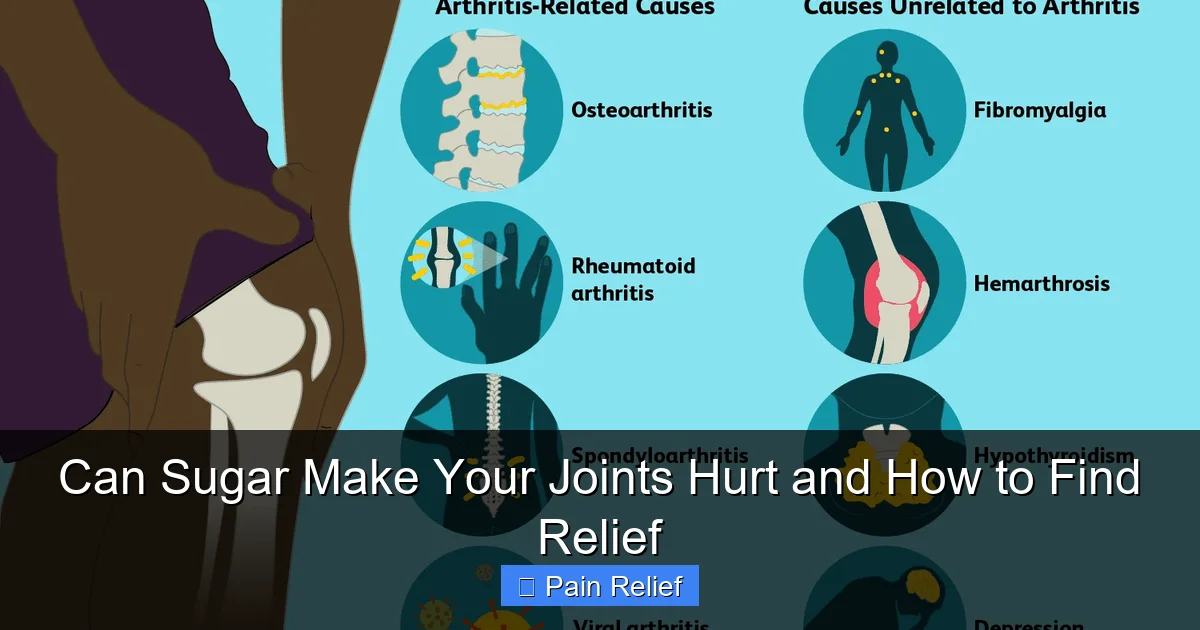
Visual guide about Can Sugar Make Your Joints Hurt and How to Find Relief
Image source: verywellhealth.com
1. Fatty Fish
Fish like salmon and mackerel are rich in omega-3 fatty acids, which can help reduce inflammation.
2. Nuts and Seeds
Walnuts, almonds, and chia seeds are great sources of healthy fats and can support joint health.
3. Fruits and Vegetables
Fruits such as berries and vegetables like spinach are high in antioxidants, which combat inflammation.
4. Whole Grains
Opt for whole grains like brown rice and quinoa, which are better for your joints than refined grains.
Staying Active for Joint Health
Regular exercise is crucial for joint health. Here’s how to incorporate movement into your routine:
1. Low-Impact Activities
Activities like swimming, cycling, or walking are excellent choices that are easy on the joints.
2. Stretching and Strengthening
Incorporate stretching and strength exercises to improve flexibility and support around the joints.
3. Consistency is Key
Aim for at least 150 minutes of moderate aerobic activity each week, plus muscle-strengthening activities on two or more days.
Hydration and Its Role
Staying hydrated is vital for joint health. Water helps maintain joint lubrication and can alleviate discomfort. Aim for at least eight glasses of water daily, and consider increasing your intake during exercise or hot weather.
Recognizing Sugar Triggers
Pay attention to how your body responds to sugar. Keeping a food diary can help you identify specific foods that trigger joint pain.
1. Track Your Diet
Write down everything you eat and note any joint pain or discomfort that follows. This can help you pinpoint sugar-heavy foods.
2. Adjust Your Diet Accordingly
Once you identify triggers, consider reducing or eliminating those specific foods from your diet.
Troubleshooting Common Challenges
Reducing sugar and changing your diet can be challenging. Here are some common problems and solutions:
1. Sugar Cravings
If you experience cravings, try eating a piece of fruit or a handful of nuts to satisfy your sweet tooth without resorting to sugary snacks.
2. Social Situations
When attending events, bring your healthy snacks or opt for fruit-based desserts. This way, you can enjoy the occasion without overindulging in sugar.
Conclusion
In conclusion, yes, sugar can make your joints hurt, primarily through its role in inflammation. By reducing sugar intake and adopting a more anti-inflammatory diet, you can find relief from joint pain. Remember to stay active, hydrate, and listen to your body. If you continue to experience joint pain, consult a healthcare provider for personalized advice.
🎥 Related Video: 🔥7 WORST Foods for Arthritis & Inflammation [EAT This Instead]🔥
📺 Michigan Foot Doctors
24% of all adults, or 58.5 million people, have arthritis [Rheumatoid Arthritis, Psoriatic Arthritis, Gout, Osteoarthritis] in the USA …