In this guide, you will learn effective ways to relieve muscle pain from workouts. From stretching techniques to nutritional advice, this comprehensive resource will help you recover faster and more efficiently. Kickstart your recovery journey today!
Key Takeaways
- Hydration is Key: Staying hydrated helps reduce muscle soreness and aids recovery.
- Gentle Stretching: Incorporating light stretches post-workout can alleviate tightness.
- Rest and Recovery: Allowing your body time to rest is crucial for muscle repair.
- Nutrition Matters: Consuming protein and healthy fats supports muscle recovery.
- Heat and Cold Therapy: Alternating heat and cold treatments can reduce inflammation.
- Proper Warm-Up: Warming up before exercise prepares your muscles and reduces soreness.
- Listen to Your Body: Understanding your body’s signals helps prevent further injury.
Effective Ways to Relieve Muscle Pain from Workout Recovery
After a tough workout, muscle pain can be a common occurrence. Whether you’re a seasoned athlete or a casual gym-goer, muscle soreness can hinder your performance and motivation. This guide aims to provide you with effective strategies to relieve muscle pain and enhance your recovery process. You will learn various techniques, from hydration to nutritional support, to ensure a smoother recovery. Let’s get started!
Understanding Muscle Pain
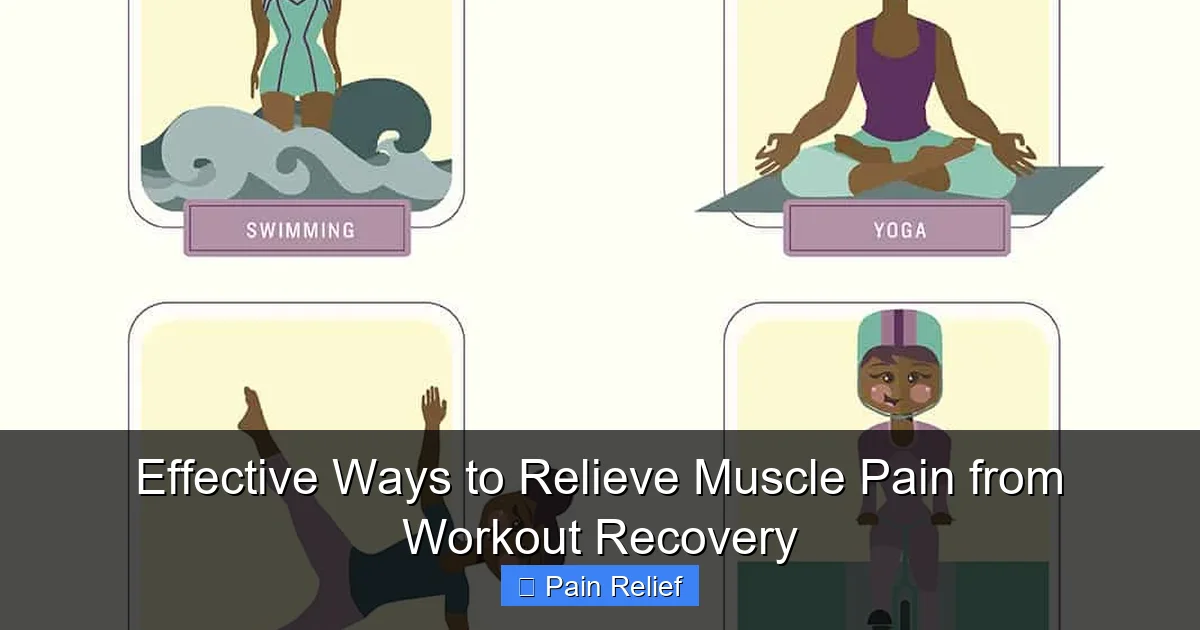
Muscle pain, often referred to as delayed onset muscle soreness (DOMS), occurs after intense physical activity. This discomfort typically surfaces 24 to 72 hours post-exercise and is a natural response to your muscles being pushed beyond their usual limits.
Visual guide about Effective Ways to Relieve Muscle Pain from Workout Recovery
Image source: northwestpharmacy.com
While some soreness is expected, it’s essential to know how to manage it effectively. Here are several strategies to consider:
1. Hydration
Staying hydrated is fundamental for muscle recovery. Water helps transport nutrients to your muscles and flushes out toxins.
Visual guide about Effective Ways to Relieve Muscle Pain from Workout Recovery
Image source: cyvigor.com
How to Stay Hydrated
- Drink Water Regularly: Aim for at least 8-10 glasses of water each day, and increase this amount if you’re working out intensively.
- Electrolyte Drinks: Consider drinks with electrolytes, especially after an intense workout, to replenish lost minerals.
- Monitor Urine Color: Light yellow urine typically indicates proper hydration.
2. Gentle Stretching
Stretching can help alleviate tightness and improve flexibility. Post-workout stretches are especially beneficial.
Visual guide about Effective Ways to Relieve Muscle Pain from Workout Recovery
Image source: wellfitinsider.com
Effective Stretching Techniques
- Static Stretching: Hold each stretch for 15-30 seconds. Focus on the muscles you worked during your session.
- Dynamic Stretching: Engage in light movements to increase blood flow, like arm circles and leg swings.
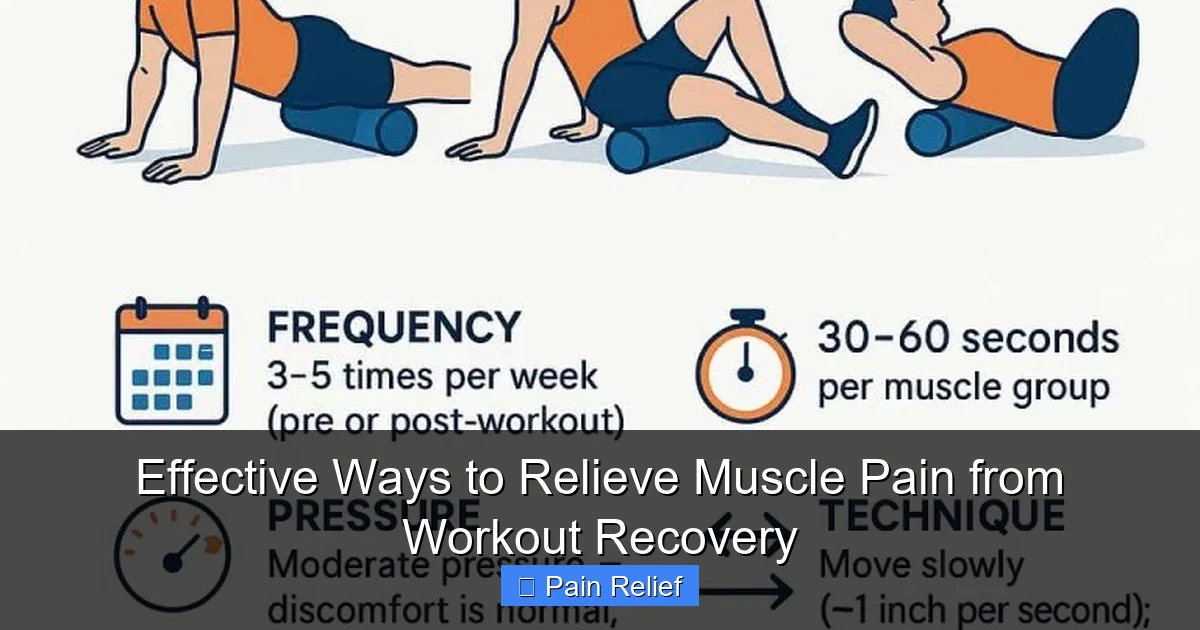
- Foam Rolling: Use a foam roller to massage sore muscles. This self-myofascial release technique helps break down knots.
3. Rest and Recovery
Rest is crucial for muscle repair. It allows your body to heal and grow stronger.
Tips for Effective Resting
- Take Days Off: Incorporate rest days in your workout routine, especially after heavy lifting or intense cardio.
- Sleep Well: Aim for 7-9 hours of quality sleep each night to promote recovery.
- Active Recovery: Engage in low-impact activities, like walking or yoga, to keep your muscles moving without strain.
4. Nutrition Matters
What you eat plays a significant role in your recovery. Proper nutrition helps repair muscles and reduce soreness.
Nutritional Guidelines
- Protein Intake: Consume protein-rich foods, like chicken, fish, eggs, or legumes, to aid muscle repair.
- Healthy Fats: Include sources of omega-3 fatty acids, like salmon and walnuts, as they can reduce inflammation.
- Antioxidant-Rich Foods: Berries, spinach, and nuts can help combat oxidative stress caused by intense workouts.
5. Heat and Cold Therapy
Using heat and cold can be effective in managing and reducing muscle soreness.
Application of Heat and Cold
- Cold Packs: Apply ice packs for 15-20 minutes post-workout to reduce inflammation.
- Heat Packs: Use heat packs or warm baths after a day or two to promote blood flow and relax tight muscles.
- Contrast Therapy: Alternate between hot and cold therapy for optimal results.
6. Proper Warm-Up
Warming up before your workout prepares your muscles and reduces the risk of injury.
Effective Warm-Up Techniques
- Dynamic Movements: Incorporate movements like lunges, bodyweight squats, and arm swings.
- Progressive Intensity: Gradually increase the intensity of your movements to warm up your muscles effectively.
- Focus on Target Areas: Pay attention to the muscle groups you will be using during your workout.
7. Listen to Your Body
One of the most important things you can do is to listen to your body. If you’re feeling excessive pain, it might be a sign to slow down.
Recognizing Warning Signs
- Pain Levels: Distinguish between regular soreness and sharp pain, which may indicate injury.
- Fatigue: If you feel overly fatigued, consider taking a break from intense workouts.
- Adjust Your Routine: Modify exercises if you consistently feel pain in specific areas.
Conclusion
Relieving muscle pain after a workout is essential for a successful fitness journey. By following these effective strategies, you can enhance your recovery process and prevent future injuries. Remember, hydration, nutrition, rest, and listening to your body are all key components of effective muscle recovery. Start implementing these tips today, and enjoy a more comfortable and productive post-workout experience!
🎥 Related Video: 4 Ways To Get Rid of Muscle Soreness (SPEED UP RECOVERY!)
📺 Andrew Kwong (DeltaBolic)
Vigorun Percussion Massager is indeed an affordable, high quality massage gun with 20 speed levels! Product link: …