Muscle pain can be frustrating and debilitating, but there are many effective ways to alleviate it. This guide will cover various methods to help muscle pain and boost your recovery, ensuring you can return to your daily activities feeling your best.
Key Takeaways
- Proper Rest: Allow your muscles time to heal by incorporating rest into your routine.
- Hydration Matters: Staying hydrated can significantly reduce muscle soreness and aid recovery.
- Stretching Techniques: Gentle stretching can improve flexibility and alleviate tension in sore muscles.
- Heat and Ice Therapy: Alternating between heat and cold can reduce inflammation and promote healing.
- Nutrition Counts: Eating a balanced diet rich in protein and antioxidants supports muscle recovery.
- Gentle Exercise: Light activities can stimulate blood flow, helping to reduce pain and stiffness.
- Consult a Professional: If pain persists, seeking advice from a healthcare provider is essential.
Effective Ways to Help Muscle Pain and Boost Recovery
Muscle pain is a common issue that can arise from various activities, including exercise, everyday tasks, or even stress. Whether you’ve had a tough workout or are dealing with chronic soreness, knowing how to address muscle pain can help you recover faster and get back to your routine. In this guide, you will learn effective methods to relieve muscle pain and enhance recovery.
1. Understand Your Muscle Pain
Before diving into solutions, it’s important to identify the cause of your muscle pain. Muscle soreness can result from:
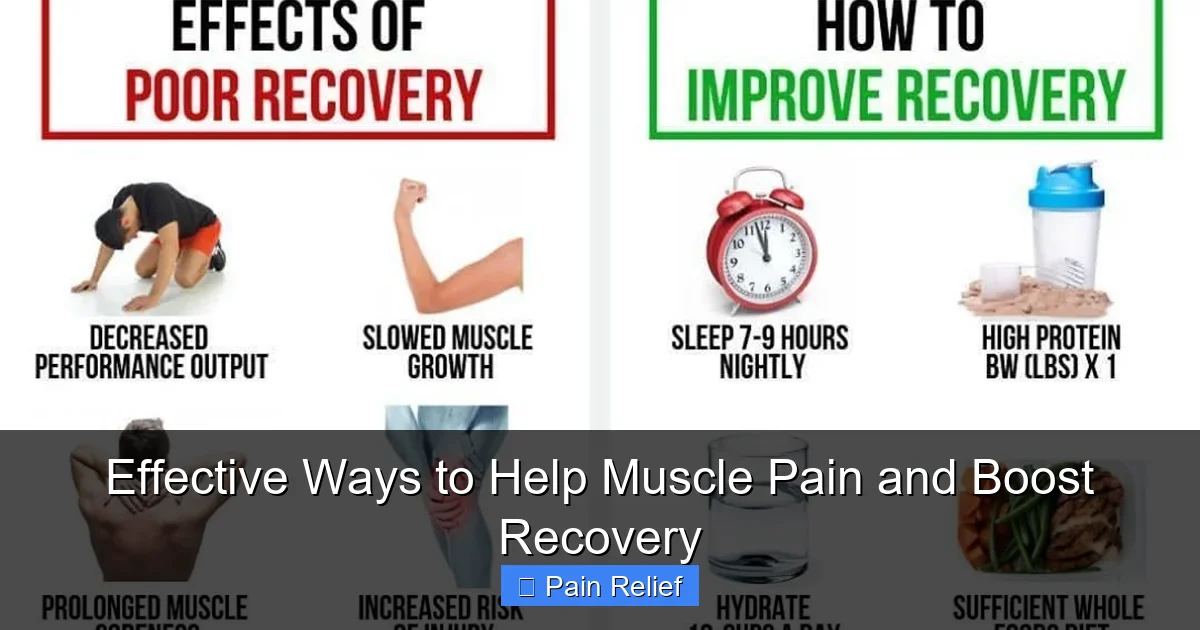
Visual guide about Effective Ways to Help Muscle Pain and Boost Recovery
Image source: i.pinimg.com
- Exercise: Intense workouts can lead to delayed onset muscle soreness (DOMS).
- Injury: Strains or sprains can cause acute muscle pain.
- Overuse: Repetitive activities can lead to chronic pain.
- Stress: Emotional and physical stress can lead to muscle tension.
2. Rest and Recovery
One of the simplest yet most effective ways to help muscle pain is to allow your body to rest.

Visual guide about Effective Ways to Help Muscle Pain and Boost Recovery
Image source: d1msew97rp2nin.cloudfront.net
2.1 Prioritize Sleep
Ensure you’re getting enough quality sleep. Sleep is crucial for muscle recovery, as it allows your body to repair itself. Aim for 7-9 hours of sleep each night.
2.2 Take Breaks
If you’re engaged in repetitive tasks, make sure to take short breaks. This will prevent overuse injuries and reduce muscle fatigue.
3. Stay Hydrated
Hydration plays a vital role in muscle recovery. When you’re dehydrated, your muscles can become tight and sore.
3.1 Drink Plenty of Water
Aim to drink at least 8-10 glasses of water a day, and increase your intake during workouts.
3.2 Include Electrolytes
Consider drinks that contain electrolytes, especially after strenuous activities, to replenish lost minerals.
4. Stretching and Flexibility Exercises
Gentle stretching can significantly help alleviate muscle pain and improve flexibility.
4.1 Pre- and Post-Workout Stretches
Always warm up before exercising and cool down afterward. Incorporate stretches focusing on major muscle groups.
4.2 Yoga and Pilates
These practices help improve flexibility and can aid recovery by relieving tension in tight muscles.
5. Heat and Ice Therapy
Using heat and ice can effectively relieve muscle pain.
5.1 When to Use Ice
Apply ice for 15-20 minutes after an injury or intense workout to reduce inflammation and numb soreness.
5.2 When to Use Heat
Heat can be beneficial for chronic muscle pain. Use a heating pad or warm towel to relax tense muscles.
6. Nutrition for Muscle Recovery
What you eat plays a significant role in how quickly your muscles recover.
6.1 Protein Intake
Include plenty of protein-rich foods like chicken, fish, beans, and nuts to aid muscle repair.
6.2 Antioxidants and Omega-3s
Foods high in antioxidants (like berries) and omega-3 fatty acids (like salmon) can help reduce inflammation.
7. Gentle Exercise
While rest is essential, gentle exercise can actually promote healing.
7.1 Walking and Light Activities
Engaging in light activities like walking can stimulate blood flow to sore muscles, aiding recovery.
7.2 Low-Impact Workouts
Consider swimming or cycling, which are easier on your muscles while still providing exercise benefits.
8. Mindfulness and Relaxation Techniques
Stress can contribute to muscle tension. Practicing relaxation techniques can help alleviate some pain.
8.1 Deep Breathing Exercises
Engage in deep breathing exercises to help reduce tension and promote relaxation.
8.2 Meditation and Mindfulness
Incorporating mindfulness practices can help you manage stress and reduce muscle tension.
9. Consult a Professional
If your muscle pain persists despite self-care efforts, it may be time to consult a healthcare professional.
9.1 Physical Therapy
A physical therapist can provide personalized exercises and treatments to help relieve pain.
9.2 Medication
Over-the-counter pain relief medications, such as ibuprofen or acetaminophen, can be effective for temporary relief.
Conclusion
Muscle pain can be a significant setback, but by implementing these effective strategies, you can help alleviate discomfort and boost recovery. Remember, the key is to listen to your body, rest when necessary, hydrate, and maintain a balanced diet. If pain persists, don’t hesitate to seek professional guidance. With the right approach, you’ll be back to your best self in no time!
🎥 Related Video: 4 Ways To Get Rid of Muscle Soreness (SPEED UP RECOVERY!)
📺 Andrew Kwong (DeltaBolic)
Vigorun Percussion Massager is indeed an affordable, high quality massage gun with 20 speed levels! Product link: …