If you’re experiencing discomfort from growing pains in your legs, you’re not alone. This guide provides you with effective strategies to relieve pain and promote comfort, including stretches, lifestyle changes, and home remedies.
Key Takeaways
- Understanding Growing Pains: Growing pains are common in adults and can result from various factors, including muscle fatigue and stress.
- Stretching Techniques: Regular stretching can help alleviate tension in the legs, reducing the intensity of growing pains.
- Heat and Cold Therapy: Applying heat or cold packs can provide immediate relief from discomfort.
- Hydration and Nutrition: Staying hydrated and maintaining a balanced diet supports muscle health and can reduce pain.
- Proper Footwear: Wearing supportive shoes can help prevent additional stress on your legs and alleviate pain.
- Consulting a Professional: If pain persists, seeking advice from a healthcare provider is essential for proper diagnosis and treatment.
- Mindfulness Practices: Incorporating relaxation techniques can help manage stress-related pain effectively.
Effective Ways to Relieve Growing Pains in Legs in Adults
Growing pains in adults can be a frustrating experience. While commonly associated with children, many adults also suffer from these discomforting sensations. In this guide, you’ll learn effective strategies to relieve growing pains in your legs, helping you regain comfort and mobility.
Understanding Growing Pains
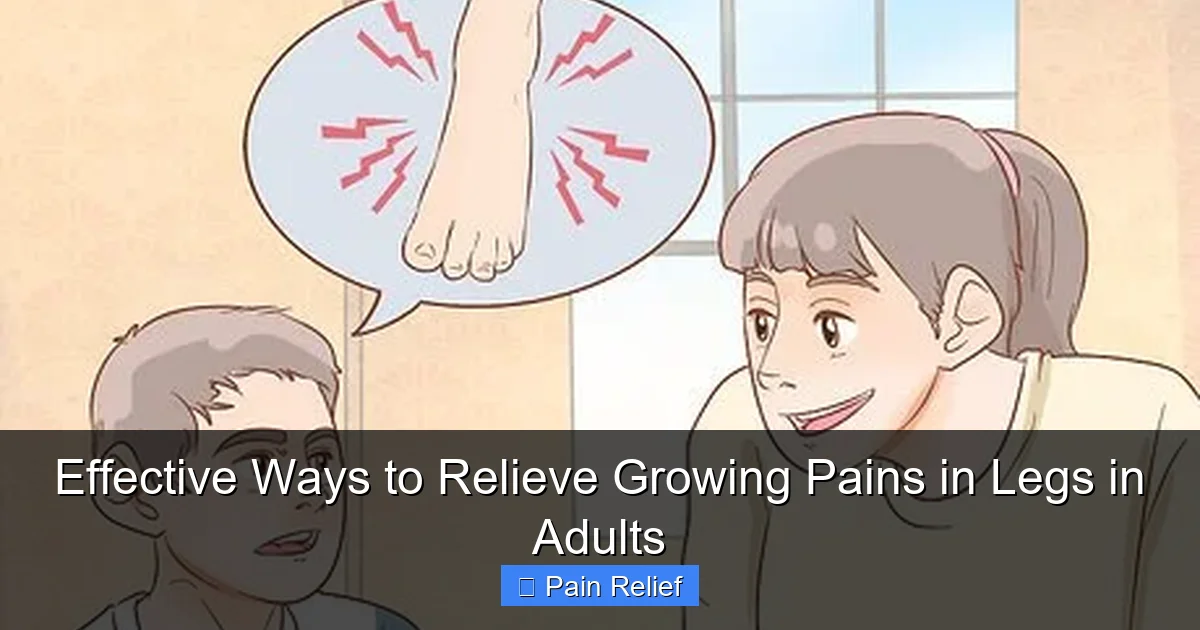
Growing pains are typically described as a dull ache or discomfort in the legs, often occurring in the evening or at night. They can arise from various factors such as muscle fatigue, overuse, stress, or even underlying medical conditions. Recognizing the cause is the first step in finding relief.

Visual guide about Effective Ways to Relieve Growing Pains in Legs in Adults
Image source: kitchenstewardship.com
Step 1: Stretching Techniques
Stretching can significantly alleviate tension in your legs. Here are some effective stretches:
Visual guide about Effective Ways to Relieve Growing Pains in Legs in Adults
Image source: wikihow.com
1. Calf Stretch
- Stand facing a wall with your hands pressed against it.
- Step one foot back, keeping it straight and bending the front knee.
- Lean into the wall until you feel a stretch in the calf of the back leg.
- Hold for 15-30 seconds, then switch legs.
2. Hamstring Stretch
- Sit on the floor with one leg extended straight and the other bent.
- Reach towards the toes of the extended leg, keeping your back straight.
- Hold for 15-30 seconds, then switch legs.
3. Quadriceps Stretch
- Stand on one leg, using a wall or chair for balance.
- Bend the opposite knee and grab your ankle, pulling it towards your glutes.
- Hold for 15-30 seconds, then switch legs.
Step 2: Heat and Cold Therapy
Using heat and cold therapy can provide immediate pain relief. Here’s how to use both:
Visual guide about Effective Ways to Relieve Growing Pains in Legs in Adults
Image source: wikihow.com
Heat Therapy
- Apply a warm compress or heating pad to the affected area for 15-20 minutes.
- Warm baths can also help relax the muscles.
Cold Therapy
- Wrap ice in a cloth or use a cold pack on the area for 10-15 minutes.
- This can reduce inflammation and numb the pain.
Step 3: Hydration and Nutrition
Staying hydrated and maintaining a balanced diet can play a crucial role in reducing growing pains. Here’s what to focus on:
Hydration
- Drink plenty of water throughout the day.
- Aim for at least 8 cups of water daily, more if you’re active.
Nutrition
- Incorporate foods rich in potassium, magnesium, and calcium such as bananas, nuts, and leafy greens.
- Avoid excessive caffeine and sugar, which can contribute to muscle tension.
Step 4: Proper Footwear
Wearing supportive shoes can significantly impact leg pain. Here’s what to consider:
- Choose shoes with cushioned insoles and good arch support.
- Avoid high heels or flat shoes that provide little support.
- Consider orthotic inserts if you have flat feet or high arches.
Step 5: Mindfulness and Relaxation Techniques
Stress can exacerbate growing pains. Incorporating mindfulness practices can help you manage stress effectively:
Meditation
- Set aside 10-15 minutes daily for meditation.
- Focus on your breath and practice being present in the moment.
Yoga
- Try gentle yoga routines that focus on stretching and relaxation.
- This can improve flexibility and relieve muscle tension.
Step 6: When to See a Professional
If your growing pains persist despite self-care measures, it’s essential to consult a healthcare professional. They can help diagnose any underlying conditions that may be contributing to your pain, such as:
- Musculoskeletal disorders
- Vitamin deficiencies
- Chronic stress or anxiety
Troubleshooting Common Issues
Sometimes, despite trying various methods, you may still experience discomfort. Here are some troubleshooting tips:
- If stretching increases your pain, ease off and try gentler stretches.
- If heat therapy feels uncomfortable, switch to cold therapy.
- Keep a pain diary to track what activities trigger your growing pains.
Conclusion
Growing pains in legs can be bothersome, but with the right techniques, you can find relief. Incorporate stretching, proper nutrition, and mindfulness practices into your daily routine. Remember, if your pain persists or worsens, don’t hesitate to seek professional help. Taking proactive steps can greatly improve your comfort and quality of life.
🎥 Related Video: Help Your Teen Manage Growing Pains (Part II)
📺 The Ready State
Time to get hands (foot) on. Pro tip: use a pressure that enables your teen to take a full breath…or suffer the consequences.