In this guide, you will learn effective strategies for managing arthritis in the knee, including lifestyle changes, exercise routines, and treatment options. Whether you’re dealing with mild discomfort or severe pain, these tips will help improve your quality of life and mobility.
Key Takeaways
- Understand Arthritis: Recognizing the type and stage of your arthritis is crucial for effective management.
- Stay Active: Regular exercise helps strengthen the muscles around the knee and improves flexibility.
- Weight Management: Maintaining a healthy weight reduces pressure on the knee joints, alleviating pain.
- Physical Therapy: Professional guidance can help create a personalized exercise plan that suits your needs.
- Medications: Over-the-counter and prescription medications can provide effective pain relief.
- Alternative Treatments: Explore options like acupuncture, massage therapy, and dietary supplements for additional relief.
- Seek Support: Join support groups or talk to healthcare professionals for emotional and practical guidance.
Introduction
Arthritis in the knee is a common condition that affects millions of people worldwide. It can lead to pain, stiffness, and reduced mobility, making everyday activities challenging. In this guide, you will learn effective strategies for managing knee arthritis, including lifestyle changes, exercises, and treatment options. By implementing these strategies, you can improve your quality of life and regain mobility.
Understand Your Arthritis
Before you can effectively manage knee arthritis, it’s essential to understand what type of arthritis you have. The two most common types are osteoarthritis and rheumatoid arthritis.

Visual guide about Effective Strategies for What to Do for Arthritis in the Knee
Image source: i.pinimg.com
Osteoarthritis
This is the most common form of arthritis, caused by wear and tear on the joint cartilage. Symptoms include joint pain and stiffness, especially after activity.
Rheumatoid Arthritis
This is an autoimmune condition where the body’s immune system attacks the joints, leading to inflammation and pain. Symptoms can vary, but they often include swelling and warmth in the joint area.
Stay Active
Regular physical activity is essential for managing arthritis in the knee. Exercise strengthens the muscles around the joint, improves flexibility, and helps maintain a healthy weight.

Visual guide about Effective Strategies for What to Do for Arthritis in the Knee
Image source: img.youtube.com
Types of Exercise
- Aerobic Activities: Walking, swimming, and cycling are excellent low-impact options. Aim for at least 150 minutes of moderate aerobic activity each week.
- Strength Training: Building muscle can help support your knee. Focus on exercises that target the quadriceps and hamstrings.
- Flexibility Exercises: Stretching can improve your range of motion. Incorporate stretches for your legs and hips into your routine.
Practical Tips
- Start slow and gradually increase your activity level.
- Consider working with a physical therapist to develop a personalized exercise plan.
- Listen to your body and rest if you experience pain or swelling.
Weight Management
Excess weight puts additional stress on your knee joints, exacerbating arthritis symptoms. Maintaining a healthy weight can significantly reduce pain and improve function.
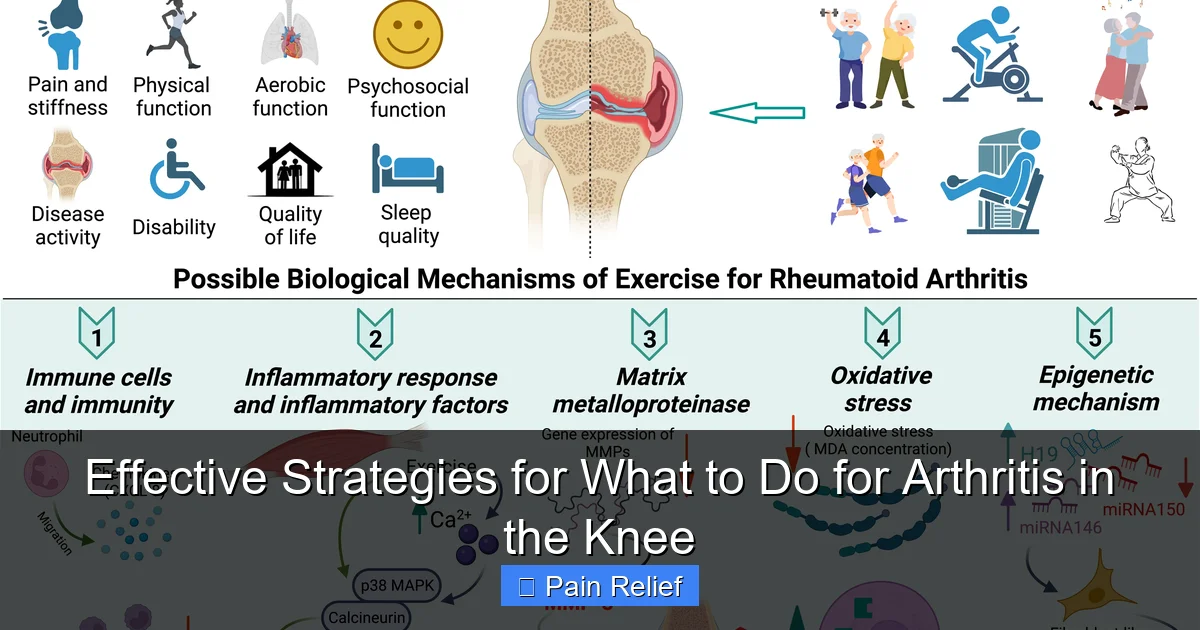
Visual guide about Effective Strategies for What to Do for Arthritis in the Knee
Image source: frontiersin.org
Tips for Weight Loss
- Balanced Diet: Focus on a diet rich in fruits, vegetables, whole grains, and lean proteins. Limit processed foods and sugars.
- Portion Control: Monitor your portion sizes to avoid overeating.
- Stay Hydrated: Drink plenty of water to support your overall health and help control hunger.
Physical Therapy
Physical therapists can provide tailored exercise programs that address your specific needs. They can also teach you techniques to manage pain and improve mobility.
What to Expect
- Assessment of your condition and movement patterns.
- Guidance on appropriate exercises and techniques.
- Education on body mechanics to protect your knees during daily activities.
Medications for Pain Relief
Over-the-counter (OTC) and prescription medications can be effective in managing knee arthritis pain. Always consult with your healthcare provider before starting any medication.
OTC Options
- Non-Steroidal Anti-Inflammatory Drugs (NSAIDs): Medications like ibuprofen and naproxen can help reduce pain and inflammation.
- Acetaminophen: This pain reliever can be effective for mild to moderate pain.
Prescription Medications
- Corticosteroids: These can help reduce inflammation in the joint.
- Disease-Modifying Antirheumatic Drugs (DMARDs): These are commonly used for rheumatoid arthritis to slow disease progression.
Alternative Treatments
In addition to traditional treatments, many people find relief through alternative therapies. Here are some options to consider:
Acupuncture
This ancient practice involves inserting thin needles into specific points on the body. Some studies suggest that acupuncture can help reduce arthritis pain.
Massage Therapy
Massage can help relieve tension and improve circulation in the affected area. It’s best to seek a therapist experienced in treating arthritis patients.
Dietary Supplements
- Glucosamine and Chondroitin: Some studies suggest these supplements may help reduce pain in some individuals.
- Omega-3 Fatty Acids: Found in fish oil, these may help decrease inflammation.
Seek Support
Living with knee arthritis can be challenging, both physically and emotionally. Consider seeking support from various sources:
Support Groups
Joining a support group can provide a community of individuals who understand your struggles. Sharing experiences can be comforting and provide useful tips.
Professional Guidance
Don’t hesitate to reach out to healthcare providers for advice and treatment options. They can help you manage your condition and improve your quality of life.
Troubleshooting Common Issues
While managing knee arthritis, you may encounter some common challenges:
Persistent Pain
If your pain persists despite following your management plan, consult your healthcare provider. They may adjust your treatment or explore other options.
Difficulty with Exercises
If certain exercises cause pain, modify them or consult a physical therapist for alternatives that are easier on your knees.
Weight Loss Plateaus
If you’re struggling to lose weight, consider speaking with a nutritionist for personalized advice and support.
Conclusion
Managing arthritis in the knee can be challenging, but with the right strategies, you can significantly improve your quality of life. By understanding your condition, staying active, maintaining a healthy weight, and exploring various treatment options, you can effectively manage your symptoms. Remember, you don’t have to face this journey alone—seek support and guidance to help you every step of the way.
🎥 Related Video: Knee Arthritis Exercises To AVOID
📺 El Paso Manual Physical Therapy
Leg extensions, wall sits, quad sets, & pistol squats all are TERRIBLE exercises for knee osteoarthritis!!! Focus on doing glute …