Arthritis in the knee can be painful and limiting, but natural treatments can help manage symptoms effectively. This guide covers lifestyle changes, exercises, diet tips, and home remedies to reduce inflammation and improve joint function—without relying solely on medication.
Key Takeaways
- Stay active with low-impact exercises: Gentle movements like swimming, walking, or cycling help maintain joint flexibility and reduce stiffness.
- Maintain a healthy weight: Extra pounds put added pressure on knee joints, so losing even a few pounds can significantly reduce pain.
- Use heat and cold therapy: Apply ice to reduce swelling after activity and heat to relax tight muscles before movement.
- Eat an anti-inflammatory diet: Focus on omega-3-rich foods, fruits, vegetables, and whole grains to help calm joint inflammation.
- Try natural supplements: Glucosamine, chondroitin, turmeric, and fish oil may support joint health when used consistently.
- Practice good posture and joint protection: Avoid prolonged standing or kneeling, and use supportive footwear to reduce strain.
- Consider physical therapy: A trained therapist can design a personalized exercise plan to strengthen muscles around the knee and improve stability.
How to Treat Arthritis in Knee Naturally and Effectively
If you’re dealing with knee arthritis, you’re not alone. Millions of people experience stiffness, swelling, and pain in their knees due to this common joint condition. The good news? You don’t have to rely only on painkillers or surgery. With the right natural strategies, you can reduce discomfort, improve mobility, and enjoy a more active life.
This guide walks you through practical, science-backed methods to treat arthritis in the knee naturally and effectively. From daily exercises to dietary changes and home remedies, you’ll learn how to support your joints and regain control over your mobility.
Step 1: Stay Active with Low-Impact Exercise
One of the most effective ways to manage knee arthritis is to keep moving. While it may seem counterintuitive, regular exercise helps reduce stiffness, strengthens muscles around the joint, and improves flexibility.
Choose the Right Activities
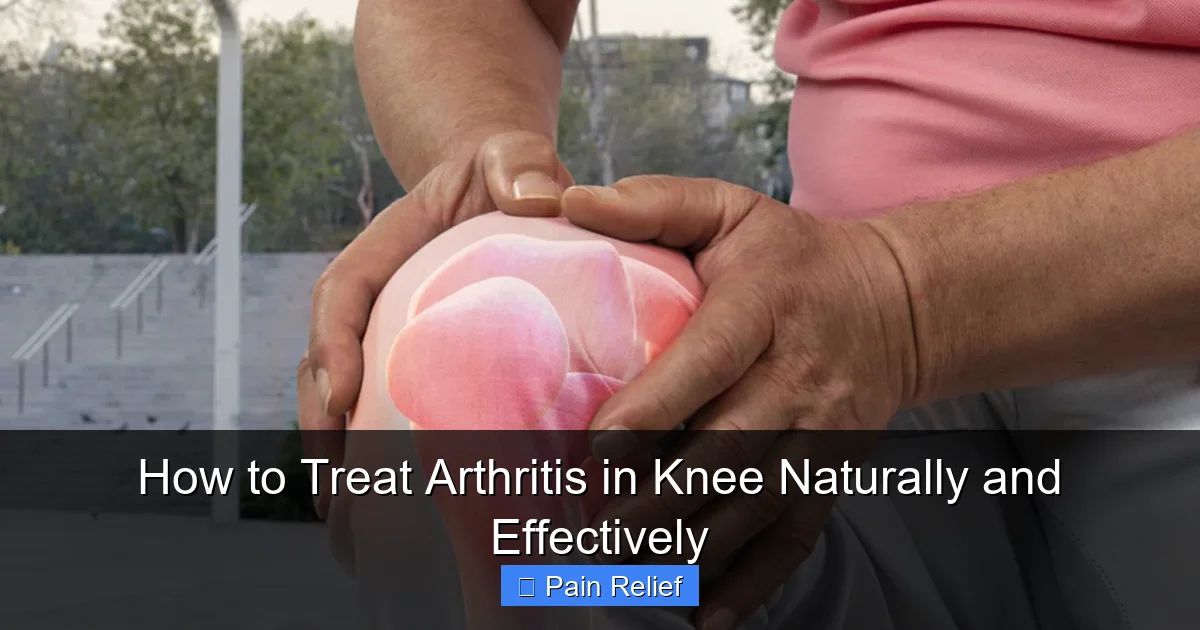
Opt for low-impact exercises that don’t put excessive stress on your knees. Great options include:
Visual guide about How to Treat Arthritis in Knee Naturally and Effectively
Image source: advancedrejuv.com
- Walking (on flat, even surfaces)
- Swimming or water aerobics
- Cycling (stationary or outdoor)
- Yoga or tai chi
Start Slowly and Build Up
Begin with just 10–15 minutes a day and gradually increase as your strength and endurance improve. Listen to your body—some discomfort is normal, but sharp pain means you should stop.
Stretch Daily
Incorporate gentle stretching into your routine, especially before and after activity. Focus on your hamstrings, calves, and quadriceps to support knee function.
Step 2: Maintain a Healthy Weight
Carrying extra weight increases the load on your knee joints—every pound adds about four pounds of pressure when walking. Losing even 5–10 pounds can make a noticeable difference in pain levels.
Focus on Sustainable Changes
Instead of crash diets, aim for gradual weight loss through balanced eating and regular activity. Small, consistent changes lead to long-term success.
Visual guide about How to Treat Arthritis in Knee Naturally and Effectively
Image source: m4lpt.com
Track Your Progress
Use a journal or app to monitor your food intake and physical activity. Celebrate non-scale victories like improved energy or easier movement.
Step 3: Use Heat and Cold Therapy
Heat and cold are simple, drug-free tools to manage knee pain and inflammation.
When to Use Ice
Apply an ice pack (wrapped in a towel) for 15–20 minutes after activity or when your knee is swollen. This helps reduce inflammation and numbs sharp pain.
When to Use Heat
Use a heating pad or warm towel before exercise or in the morning to loosen stiff joints. Heat improves blood flow and relaxes tight muscles.
Alternate for Best Results
Some people find relief by alternating between heat and cold—try 10 minutes of heat, 10 minutes of ice, and repeat.
Step 4: Eat an Anti-Inflammatory Diet
What you eat plays a big role in joint health. An anti-inflammatory diet can help reduce swelling and slow arthritis progression.
Load Up on These Foods
- Fatty fish (salmon, mackerel, sardines) – rich in omega-3s
- Leafy greens (spinach, kale) – packed with antioxidants
- Berries (blueberries, strawberries) – high in anti-inflammatory compounds
- Nuts and seeds (walnuts, chia, flax) – good fats and fiber
- Olive oil – contains oleocanthal, a natural anti-inflammatory
Avoid Inflammatory Triggers
Limit processed foods, sugary drinks, fried foods, and refined carbs like white bread and pastries. These can worsen inflammation and joint pain.
Stay Hydrated
Water helps lubricate joints and supports cartilage health. Aim for at least 8 cups a day, more if you’re active.
Step 5: Try Natural Supplements
While not a cure, certain supplements may support joint health when used alongside lifestyle changes.
Glucosamine and Chondroitin
These compounds are building blocks of cartilage. Studies show mixed results, but many people report reduced pain and improved function with daily use (typically 1,500 mg glucosamine and 1,200 mg chondroitin).
Turmeric (Curcumin)
Turmeric contains curcumin, a powerful anti-inflammatory. Look for supplements with black pepper (piperine) to boost absorption. Typical dose: 500 mg twice daily.
Fish Oil
Rich in omega-3 fatty acids, fish oil can reduce joint stiffness and swelling. Aim for 1,000–3,000 mg of EPA and DHA daily.
Consult Your Doctor First
Always talk to your healthcare provider before starting supplements, especially if you’re on medication or have other health conditions.
Step 6: Protect Your Joints
Simple daily habits can reduce strain on your knees and prevent further damage.
Wear Supportive Shoes
Choose shoes with good arch support and cushioning. Avoid high heels or flat shoes with no support. Orthotic inserts can also help.
Use Assistive Devices When Needed
A cane, knee brace, or walker can take pressure off your knee during flare-ups or long walks.
Modify Daily Activities
Avoid squatting, kneeling, or climbing stairs for long periods. Use a stool to sit while cooking or showering to reduce knee strain.
Step 7: Consider Physical Therapy
A physical therapist can create a personalized plan to strengthen the muscles around your knee, improve range of motion, and reduce pain.
What to Expect
Your therapist may use exercises, manual therapy, ultrasound, or electrical stimulation. Most programs last 4–8 weeks with regular sessions.
Do Your Homework
Therapy works best when you do prescribed exercises at home. Consistency is key to long-term improvement.
Troubleshooting Common Challenges
“I’m in too much pain to exercise.”
Start with gentle range-of-motion exercises, like ankle pumps or heel slides, while seated. Even small movements help.
“I don’t have time for meal prep.”
Try batch cooking on weekends or use frozen vegetables and pre-cooked grains to save time. Smoothies with spinach, berries, and protein powder are quick and nutritious.
“Supplements aren’t working.”
It can take 4–8 weeks to notice benefits. Stick with them consistently and ensure you’re taking high-quality products.
Conclusion
Treating arthritis in the knee naturally doesn’t happen overnight, but with patience and consistency, you can reduce pain, improve mobility, and enhance your quality of life. By combining gentle exercise, a healthy diet, joint protection, and supportive therapies, you’re giving your knees the best chance to heal and function well.
Remember, small changes add up. Start with one or two strategies—like walking daily and eating more anti-inflammatory foods—and build from there. Always consult your doctor before making major changes, especially if you have other health concerns.
With the right approach, you can manage knee arthritis effectively—naturally and on your terms.
🎥 Related Video: How to Relieve Knee Arthritis Pain in 30 SECONDS
📺 SpineCare Decompression and Chiropractic Center
Dr. Rowe shows how to quickly relieve arthritic knee pain at home. Osteoarthritis (or wear and tear arthritis) of the knee tends to …