This guide provides an effective roadmap for managing sciatica pain, offering practical strategies for lasting relief. Learn about self-care techniques, gentle exercises, and crucial lifestyle adjustments to alleviate discomfort and prevent recurrence. Empower yourself with knowledge to take control of your sciatica pain and improve your overall well-being.
Effective Sciatica Pain Management Guide for Lasting Relief
If you’ve ever experienced sciatica, you know the radiating pain can be debilitating. It’s not just a backache; it’s a sharp, burning, or tingling sensation that often travels from your lower back, down through your buttock, and into one leg. This isn’t just uncomfortable; it can severely impact your daily life, making simple tasks like walking, sitting, or even sleeping a challenge.
The good news is that for most people, effective sciatica pain management is possible without surgery. This comprehensive guide is designed to empower you with the knowledge and practical steps needed to understand, manage, and ultimately find lasting relief from sciatica pain. We’ll walk you through everything from immediate self-care strategies and gentle exercises to crucial lifestyle adjustments and knowing when to seek professional help. By the end of this guide, you’ll have a clear roadmap to take control of your sciatica and improve your quality of life.
Key Takeaways
- Understand Sciatica: Sciatica refers to pain radiating along the sciatic nerve, often caused by nerve compression from herniated discs, bone spurs, or piriformis syndrome.
- Start with Immediate Relief: Utilize acute strategies like controlled rest, alternating hot and cold therapy, and over-the-counter pain relievers to calm initial flare-ups.
- Embrace Gentle Movement: Regular, gentle stretches and exercises (e.g., knee-to-chest, piriformis stretch) are crucial for improving flexibility, strengthening supporting muscles, and reducing nerve compression.
- Implement Lifestyle Adjustments: Maintain good posture, optimize ergonomics at work, manage weight, and practice stress reduction to prevent future sciatica episodes.
- Know When to Seek Professional Help: Consult a doctor or physical therapist if pain is severe, persistent, accompanied by numbness, weakness, or loss of bowel/bladder control.
- Consistency is Key: Long-term sciatica pain management relies on consistent adherence to exercises, lifestyle changes, and proactive self-care.
- Listen to Your Body: Always modify or stop any activity that increases your sciatica pain, and progress gradually with exercises.
Step 1: Understand Sciatica – Your Nerve, Your Pain
Before you can effectively manage sciatica pain, it’s important to understand what it is and what causes it. Knowledge is your first step toward relief.
What is Sciatica?
Sciatica isn’t a condition in itself; it’s a symptom of an underlying problem affecting the sciatic nerve. The sciatic nerve is the longest and thickest nerve in your body, originating from several spinal nerves in your lower back, extending through your buttocks, and branching down both legs to your feet. When this nerve gets compressed or irritated, it results in sciatica pain.
Common Causes of Sciatica
Several factors can lead to sciatica. Identifying the root cause is often key to effective sciatica pain management.
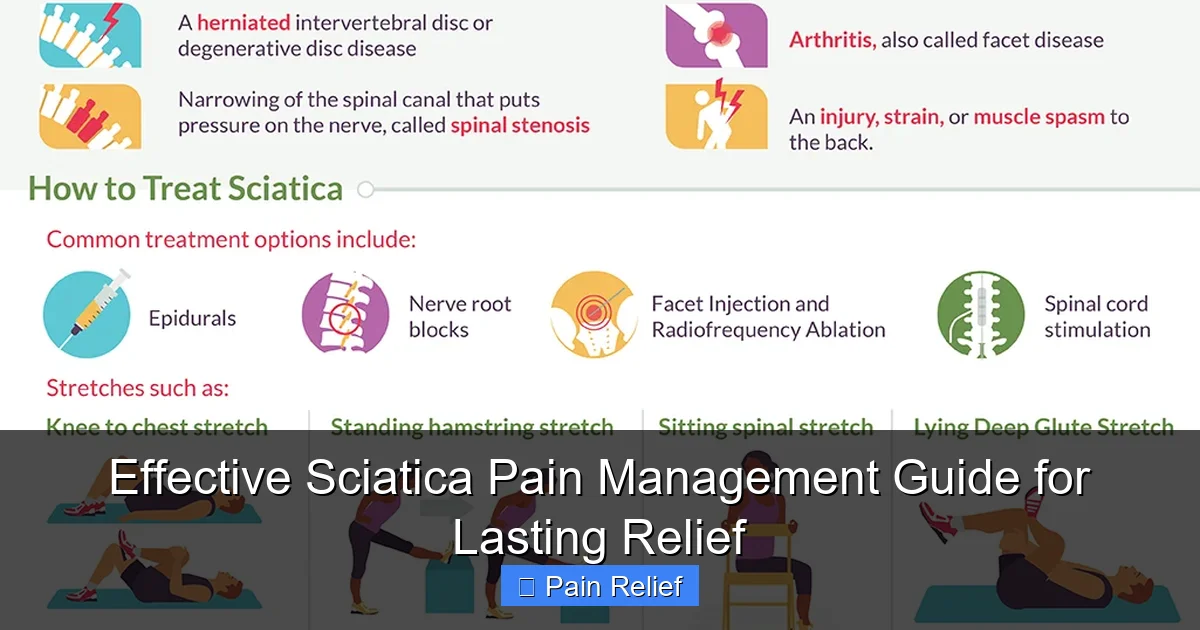
- Herniated or Slipped Disc: This is the most common cause. When the soft inner material of a spinal disc pushes out through a tear in its outer layer, it can press directly on the sciatic nerve root.
- Spinal Stenosis: A narrowing of the spinal canal in the lower back, which can put pressure on the spinal cord and sciatic nerves.
- Piriformis Syndrome: The piriformis muscle is a small muscle located deep in the buttock, connecting the lower spine to the top of the thigh bone. If it spasms or becomes tight, it can compress the sciatic nerve that runs either through or under it.
- Spondylolisthesis: A condition where one vertebra slips forward over another, potentially pinching the sciatic nerve.
- Degenerative Disc Disease: Natural wear and tear on the spinal discs can lead to bone spurs or disc deterioration that irritates the nerve.
Recognizing the Symptoms of Sciatica
While the pain pattern can vary, typical sciatica symptoms include:
- Pain that radiates from your lower back down your buttock and into one leg.
- A burning, shooting, or sharp pain.
- Numbness or tingling sensation in the affected leg or foot.
- Weakness in the affected leg or foot.
- Pain that worsens with prolonged sitting, standing, or coughing/sneezing.
- Difficulty moving the affected leg or foot.
Step 2: Immediate Relief – Calming the Acute Flare-Up
When sciatica pain strikes, your first priority is often to find immediate relief. These strategies can help calm the initial discomfort and reduce inflammation.
Visual guide about Effective Sciatica Pain Management Guide for Lasting Relief
Image source: sciaticapainguide.com
Rest, But Not Too Much
While a day or two of rest can be helpful during an acute flare-up, prolonged bed rest is generally not recommended. Inactivity can actually worsen sciatica by making muscles stiff and weak. Aim for controlled rest, meaning short periods of lying down (30-60 minutes at a time) followed by gentle movement.
Hot and Cold Therapy
Alternating hot and cold applications can be very effective for sciatica pain management.
- Cold Pack: Apply an ice pack (wrapped in a cloth) to the painful area (lower back or buttock) for 15-20 minutes, several times a day, especially during the first 48-72 hours. This helps reduce inflammation and numb the pain.
- Heat Pack: After the initial acute phase (or if cold doesn’t provide relief), switch to a heat pack, heating pad, or a warm bath. Heat helps relax tight muscles and improves blood flow. Apply for 15-20 minutes.
Over-the-Counter (OTC) Pain Relievers
Nonsteroidal anti-inflammatory drugs (NSAIDs) like ibuprofen (Advil, Motrin) or naproxen (Aleve) can help reduce inflammation and pain. Acetaminophen (Tylenol) can also help with pain, but it doesn’t reduce inflammation. Always follow dosage instructions and consult your doctor if you have underlying health conditions or are taking other medications.
Gentle Positioning
Finding a comfortable position can significantly alleviate immediate sciatica pain.
- Lying Down: Try lying on your back with a pillow under your knees, or on your side with a pillow between your knees.
- Sitting: If sitting is unavoidable, choose a firm chair, sit up straight, and place a small pillow or rolled towel behind the curve of your lower back for lumbar support. Avoid soft, sinking couches.
Step 3: Embrace Movement – Gentle Stretches and Exercises
Once the acute pain subsides, movement becomes your ally. Gentle stretches and exercises are critical for long-term sciatica pain management. They help decompress the nerve, strengthen supporting muscles, and improve flexibility. Always listen to your body and stop any exercise that increases your pain.
Visual guide about Effective Sciatica Pain Management Guide for Lasting Relief
Image source: paininjuryrelief.com
Prioritize Proper Form
Correct form is more important than how far you can stretch. Move slowly and deliberately. If you’re unsure, consult a physical therapist.
Gentle Back Stretches
These stretches help create space in the spine and relieve pressure on the nerve roots.
- Knee-to-Chest Stretch:
- Lie on your back with both knees bent, feet flat on the floor.
- Gently pull one knee towards your chest with both hands.
- Hold for 20-30 seconds, feeling a gentle stretch in your lower back and buttock.
- Release and repeat 2-3 times on each side.
- Pelvic Tilt:
- Lie on your back with knees bent, feet flat on the floor.
- Flatten your lower back against the floor by tightening your abdominal muscles and tilting your pelvis up slightly.
- Hold for 5-10 seconds, then release.
- Repeat 8-12 times. This helps strengthen core muscles without straining your back.
Piriformis Stretch
Since piriformis syndrome is a common cause of sciatica, stretching this muscle is often highly beneficial.
- Supine Piriformis Stretch (Figure-4 Stretch):
- Lie on your back with both knees bent, feet flat on the floor.
- Cross the ankle of your affected leg over the knee of your unaffected leg (forming a “figure 4”).
- Gently pull your unaffected knee towards your chest until you feel a stretch in your buttock and hip of the affected side.
- Hold for 20-30 seconds. Repeat 2-3 times on each side.
Hamstring Stretches
Tight hamstrings can pull on the pelvis and increase stress on the lower back, contributing to sciatica pain.
- Towel Hamstring Stretch:
- Lie on your back with legs extended.
- Loop a towel around the ball of one foot.
- Keeping your leg straight (but not locked), gently pull the towel towards you, lifting your leg until you feel a stretch in the back of your thigh.
- Hold for 20-30 seconds. Repeat 2-3 times on each side.
Core Strengthening (Once Acute Pain Subsides)
A strong core (abdominal and back muscles) provides better support for your spine, reducing the likelihood of nerve compression. Start with very gentle exercises like pelvic tilts and gradually progress to exercises like bird-dog or modified planks under guidance.
Step 4: Lifestyle Adjustments – Preventing Future Episodes
While stretches and exercises address current pain, certain lifestyle changes are crucial for long-term sciatica pain management and prevention of recurrence.
Maintain Good Posture
Poor posture is a major contributor to back problems. Be mindful of your posture throughout the day.
- Standing: Stand tall with shoulders back, stomach tucked in, and weight evenly distributed on both feet.
- Sitting: Keep your feet flat on the floor, knees at a 90-degree angle, and your back supported against the chair. Use a lumbar support pillow if needed.
Ergonomics at Work and Home
Optimize your workspace and daily environment to minimize strain on your back.
- Computer Setup: Ensure your monitor is at eye level, keyboard and mouse are within easy reach, and your chair provides good lumbar support.
- Lifting: Always lift with your legs, not your back. Bend your knees, keep the object close to your body, and keep your back straight.
- Regular Movement: If you have a sedentary job, take frequent breaks to stand, walk, and stretch.
Sleep Posture
Your sleep position can significantly impact your spine. For sciatica relief:
- Side Sleepers: Place a pillow between your knees to keep your hips, pelvis, and spine aligned.
- Back Sleepers: Place a pillow under your knees to maintain the natural curve of your lower back.
- Mattress: Invest in a mattress that provides adequate support – neither too soft nor too firm.
Weight Management
Excess body weight, especially around the abdomen, can put extra strain on your lower back and exacerbate sciatica pain. Maintaining a healthy weight reduces stress on your spine and discs.
Hydration and Anti-Inflammatory Diet
Staying well-hydrated helps maintain the health and flexibility of your spinal discs. An anti-inflammatory diet, rich in fruits, vegetables, lean proteins, and healthy fats (like omega-3s), can also help reduce systemic inflammation that may contribute to pain.
Quit Smoking
Smoking can reduce blood flow to the spinal discs, accelerating their degeneration and making them more susceptible to injury. Quitting smoking is a vital step for overall spinal health.
Step 5: When to Seek Professional Help
While many cases of sciatica respond well to self-care, there are times when professional medical attention is necessary. Knowing when to consult a doctor is crucial for effective sciatica pain management.
Red Flag Symptoms
Seek immediate medical attention if you experience any of the following:
- Sudden, severe pain in your lower back or leg.
- Muscle weakness or numbness in the affected leg that worsens or spreads.
- Loss of bowel or bladder control (cauda equina syndrome – a medical emergency).
- Sciatica pain that occurs after a violent injury (e.g., car accident).
- Pain that makes it impossible to move.
Persistent or Worsening Pain
If your sciatica pain doesn’t improve after a few weeks of self-care, or if it worsens, it’s time to see your doctor. They can accurately diagnose the cause and recommend a tailored treatment plan.
Multidisciplinary Approach
Often, the best sciatica pain management involves a team approach. Your doctor might recommend a physical therapist, chiropractor, or pain management specialist.
Step 6: Exploring Advanced Treatment Options
When self-care and initial medical interventions aren’t enough, other options may be considered for sciatica pain management.
Physical Therapy
A physical therapist is invaluable. They can teach you specific exercises, stretches, and techniques to improve posture, strengthen your core, and restore proper movement patterns. They can also use modalities like ultrasound, electrical stimulation, or manual therapy.
Medication (Prescription)
If OTC options aren’t sufficient, your doctor might prescribe stronger medications:
- Muscle Relaxants: To relieve muscle spasms.
- Oral Corticosteroids: To reduce inflammation around the nerve.
- Antidepressants: Certain antidepressants, particularly tricyclics, can help with chronic pain by affecting neurotransmitters.
- Anti-Seizure Medications: Drugs like gabapentin or pregabalin can be effective for nerve pain.
Injections
Epidural steroid injections deliver corticosteroids directly into the area around the spinal nerves. They can provide significant but often temporary relief by reducing inflammation and pain. These are usually done under imaging guidance.
Surgery (Last Resort)
Surgery is typically considered only when conservative treatments have failed after several months, or if there are severe progressive neurological deficits (e.g., worsening weakness, bowel/bladder issues). Common surgical procedures include:
- Microdiscectomy: Removing the portion of a herniated disc that is pressing on the nerve.
- Laminectomy: Removing part of the lamina (bone over the spinal canal) to decompress the spinal cord and nerves.
Step 7: Long-Term Management and Prevention
Achieving lasting relief from sciatica isn’t a one-time fix; it’s an ongoing commitment to your spinal health. Here’s how to maintain progress and prevent future episodes.
Consistency is Key
The exercises and lifestyle changes you adopt aren’t just for when you’re in pain. Make them a regular part of your routine. Consistent stretching, strengthening, and mindful posture will build resilience and keep your sciatic nerve happy.
Stress Management
Stress can exacerbate pain by increasing muscle tension and inflammation. Incorporate stress-reduction techniques into your daily life, such as:
- Meditation or mindfulness.
- Deep breathing exercises.
- Yoga (gentle and modified).
- Spending time in nature.
Listen to Your Body
Learn to recognize the early warning signs of a potential sciatica flare-up. If you feel a familiar twinge or increased discomfort, address it promptly with rest, gentle stretches, or hot/cold therapy before it escalates into full-blown pain. Don’t push through pain during activities or exercise.
Troubleshooting Your Sciatica Pain Management Efforts
Even with the best intentions, you might encounter challenges. Here are some common issues and how to address them:
Pain Worsens During Exercise
This is a critical sign to pay attention to. If any stretch or exercise increases your sciatica pain, stop immediately. You might be performing it incorrectly, or that specific movement might not be suitable for your particular cause of sciatica. Re-evaluate your form, try a less intense version, or consult a physical therapist for guidance.
No Relief from Self-Care
If after a few weeks of consistent self-care (rest, hot/cold, OTC meds, gentle stretches) you find no improvement, or your pain is getting worse, it’s time to see a doctor. There might be an underlying issue that requires medical intervention beyond what self-care can provide.
Difficulty with Daily Activities
If sciatica pain significantly limits your ability to perform everyday tasks – walking, dressing, sitting for short periods – don’t delay seeking professional help. Persistent limitation indicates a need for a more structured sciatica pain management plan.
Conclusion
Sciatica pain can be a challenging journey, but with the right approach to sciatica pain management, lasting relief is well within reach. By understanding its causes, implementing immediate relief strategies, embracing gentle movement, making thoughtful lifestyle adjustments, and knowing when to seek professional help, you can significantly reduce your discomfort and improve your overall quality of life.
Remember, consistency and patience are your greatest allies. Healing takes time, and proactive self-care is essential for preventing future episodes. Don’t let sciatica control your life; take these steps, listen to your body, and reclaim your comfort and mobility. Your path to effective sciatica pain management starts now.
🎥 Related Video: 4 Stretches For Sciatic Nerve Pain Relief! [Stop Sciatica Fast!]
📺 Tone and Tighten
SEE FULL VIDEO HERE: https://youtu.be/jNS_mK-NeM8 Four of the best stretches you can do at home for sciatic nerve pain relief …