Quick answer: The best pill for headache is the one that treats your pain fast, safely, and fits your health needs.
I have lived with headaches and helped friends pick the right remedies. Picture this: it’s a busy morning, you have a meeting in an hour, and a dull, growing ache sits behind your eyes. You reach into your cabinet and ask: which pill will stop this fast with the least fuss? I write from experience. I test options, note side effects, and match pills to needs. Below I lay out clear picks and practical advice to help you grab the best pill for headache with confidence.

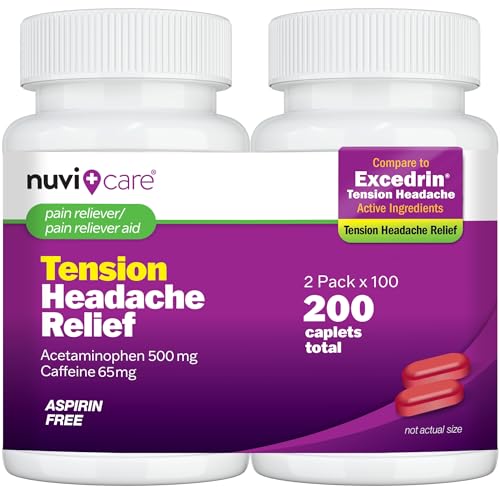

Extra Strength Acetaminophen Rapid Relief

Acetaminophen is a go-to for many. I keep a bottle in my bag for sudden headaches. It eases pain and lowers fever. The extra strength version works faster for moderate pain.
This pill is gentle on the stomach compared to NSAIDs. I always check dosing and avoid doubling up with other acetaminophen products. It’s wise to watch total daily dose to protect the liver.
Pros:
- Fast relief for mild to moderate pain
- Gentle on the stomach
- No aspirin-related bleeding risk
- Easy dosing and wide availability
- Good for people who can’t take NSAIDs
Cons:
- Risk of liver harm if overused
- Not anti-inflammatory
- Careful with combination medicines
My Recommendation
I recommend this extra strength acetaminophen if you want a stomach-friendly option. It is ideal for people with sensitive stomachs or who take blood thinners. I use it when inflammation is not the main cause. The pill is quick and quiet. For many, this is the best pill for headache when bleeding risk matters.
| Best for | Why |
|---|---|
| Stomach-sensitive users | Less gastric irritation than NSAIDs |
| Short-term relief | Works quickly for mild pain |
| People on anticoagulants | Lower bleeding risk than aspirin |
Fast-Acting Ibuprofen Pain Reliever

Ibuprofen targets pain and inflammation. I find fast-acting forms reduce throbbing headaches quickly. It is my choice when I suspect muscle tension or sinus pressure. Dosing is usually every 4–6 hours as needed.
It can upset the stomach for some. I take it with food when I can. I avoid alcohol at the same time. For inflammatory headaches, ibuprofen often outperforms basic painkillers.
Pros:
- Reduces inflammation and pain
- Works well for tension and sinus headaches
- Available in fast-release formulas
- Affordable and widely stocked
- Flexible dosing for many scenarios
Cons:
- May cause stomach upset
- Not safe for everyone (kidney or ulcer risks)
- Should be used short-term in most cases
My Recommendation
If your headache links to inflammation, I favor fast-acting ibuprofen. I recommend it for tension and sinus-type pain. If you have stomach issues or kidney disease, check with your clinician first. For many, this is the best pill for headache when swelling is a factor.
| Best for | Why |
|---|---|
| Tension headaches | Reduces muscle inflammation and pain |
| Sinus pressure | Anti-inflammatory action eases pressure |
| Short flare-ups | Fast-release options act quickly |
Aspirin Plus Caffeine Headache Aid

Aspirin plus caffeine is a classic mix. I notice faster relief during severe headaches. Caffeine tightens blood vessels and boosts pain relief. The combo works well for some migraine-type headaches.
Use caution with stomach sensitivity. Aspirin can thin the blood. I avoid it before surgery or if I’m on blood thinners. For many, the added caffeine gives a reliable lift when needed.
Pros:
- Enhanced pain relief with caffeine
- Often effective for migraine pain
- Fast onset when taken early
- Convenient single-dose tablets
- Trusted, well-studied formula
Cons:
- Can irritate the stomach
- Not ideal for anyone on blood thinners
- Caffeine may cause jitteriness
My Recommendation
I pick aspirin plus caffeine when a strong single-dose relief is needed. I find it useful for morning migraines that respond to caffeine. If you take blood thinners or have ulcers, avoid it. For those who tolerate aspirin, this combo can be the best pill for headache in acute attacks.
| Best for | Why |
|---|---|
| Migraines with nausea | Caffeine can boost absorption and relief |
| Morning headaches | Caffeine jump-starts symptom relief |
| Single-dose needs | Convenient, potent formula |
Excedrin Migraine-Style Fast Tabs

Excedrin mixes acetaminophen, aspirin, and caffeine. I rely on it when single-ingredient options fail. It often stops migraine pain when taken early. The combined action hits pain multiple ways.
Watch the dose and daily limits. The mix is powerful but can stress the stomach and liver if abused. I recommend it for people without contraindications who need a strong OTC option.
Pros:
- Triple-action formula for tough headaches
- Fast and reliable for many migraine sufferers
- Single tablet with multi-mechanism relief
- Well-known and widely available
- Works best when taken early in an attack
Cons:
- Higher risk of stomach upset
- Not safe with certain medications
- Overuse can cause rebound headaches
My Recommendation
I recommend Excedrin-style tablets to people who need a strong OTC option. I find it most helpful early in a migraine or severe tension attack. If you have liver, stomach, or bleeding issues, choose a safer alternative. For many, this mix becomes the best pill for headache when standard pills fail.
| Best for | Why |
|---|---|
| Severe migraines | Triple-action approach targets pain fast |
| Late-night attacks | Strong single-dose relief |
| Quick action | Works well when taken at onset |
Naproxen Sodium 12-Hour Relief

Naproxen gives long-lasting relief. I use it when I need coverage for several hours. It is stronger on inflammation than basic ibuprofen in my experience. A 12-hour option reduces dosing frequency.
This makes naproxen a good choice for busy days or night-time relief. I take it with food. I avoid long-term use without medical advice. For prolonged pain, naproxen often keeps symptoms down longer.
Pros:
- Long-lasting 8–12 hour relief
- Strong anti-inflammatory effect
- Reduces need for repeated dosing
- Good for long headaches and flare-ups
- Often effective for menstrual headaches
Cons:
- Higher GI risk for some users
- Not ideal for kidney problems
- Some drug interactions possible
My Recommendation
I recommend naproxen when you need longer coverage. I find it perfect for day-long work or overnight relief. If you have ulcers or kidney issues, speak to your provider first. For many people, naproxen is the best pill for headache when they want fewer doses and steady control.
| Best for | Why |
|---|---|
| All-day relief | Long action reduces dosing |
| Inflammation-related pain | Stronger anti-inflammatory effects |
| Busy schedules | Fewer pills needed |
Acetaminophen Chewable Quick Dose

Chewable acetaminophen is handy on the go. I find it dissolves quickly and starts to work fast. It’s great when water is scarce. The chewable form is also a good backup when I travel.
Be mindful of dose size per chewable tablet. I count tablets carefully to avoid overdosing. For patients who dislike swallowing pills, these are a practical pick. The fast uptake helps when pain hits suddenly.
Pros:
- Easy to take without water
- Fast absorption in many cases
- Good travel or on-the-go option
- Gentle on the stomach
- Flexible dosing for adults and kids (check label)
Cons:
- Smaller tablets mean multiple pieces per dose
- Risk of accidental overdosing if not careful
- May contain flavoring agents
My Recommendation
I like chewable acetaminophen for quick, convenient relief. I keep some in my bag for sudden headaches when I can’t drink water. It’s a practical contender for the best pill for headache while traveling. Always check the label for milligrams per tablet and total daily limits.
| Best for | Why |
|---|---|
| Travelers | No water needed for dosing |
| People who dislike pills | Chewable form is easy to swallow |
| Quick onset | Fast uptake in the mouth |
Herbal Feverfew Headache Support

Feverfew is an herbal supplement I have tried for migraine prevention. It is not an immediate pain pill. Instead, it can lower the frequency of attacks when taken regularly. I recommend it as a preventive option, not an acute rescue.
Herbal products can vary in quality. I choose brands with clear dosing and third-party testing. If you are pregnant, nursing, or on blood thinners, consult a clinician first. For preventive strategies, feverfew may add value over time.
Pros:
- May reduce migraine frequency over weeks
- Non-pharmaceutical preventive option
- Simple daily dosing
- Fewer acute side effects for some users
- Complementary to other lifestyle changes
Cons:
- Not for immediate headache relief
- Quality varies across brands
- Potential interactions with blood thinners
My Recommendation
I suggest feverfew to people seeking preventive options. I use it as part of a broader plan that includes sleep, hydration, and stress control. It is not an emergency pill, but it may reduce headaches over months. For those seeking fewer attacks, feverfew could be part of the best pill for headache prevention plan.
| Best for | Why |
|---|---|
| Migraine prevention | May reduce attack frequency over time |
| Those avoiding daily meds | Herbal option with simple dosing |
| Complementary care | Works with lifestyle changes |
Low-Dose Ibuprofen Gentle Formula

Low-dose ibuprofen offers pain relief with milder side effects for some. I use it when I want anti-inflammatory benefits but with smaller doses. It’s handy for mild tension and when I need frequent dosing at lower amounts. It balances effectiveness and tolerability.
Small doses often reduce stomach irritation. I still take with food when possible. I monitor total daily NSAID exposure. For many who need gentle control, low-dose ibuprofen is a sensible pick.
Pros:
- Anti-inflammatory at lower side-effect risk
- Good for mild or recurring pain
- Easier on the stomach than higher doses
- Flexible for day-to-day use
- Commonly available and affordable
Cons:
- May be inadequate for severe pain
- Not suitable for all medical conditions
- Requires attention to total daily intake
My Recommendation
I recommend low-dose ibuprofen for everyday headaches that need steady control. I find it perfect for those who want inflammation control without strong side effects. If you have chronic pain, discuss long-term NSAID use with your clinician. For many, this is a practical best pill for headache to keep on hand for mild flares.
| Best for | Why |
|---|---|
| Mild recurring pain | Lower doses can be taken more often |
| Those sensitive to stronger NSAIDs | Gentler on the stomach |
| Daily low-level control | Works well for frequent headaches |
Combination Acetaminophen/Ibuprofen Pack

Some users alternate acetaminophen and ibuprofen for stronger control. I’ve used a planned alternation to ease severe headaches when single pills were not enough. This method can maintain relief while reducing total dosing of each class. It requires careful timing and tracking.
I only advise this with clear guidance. I plan doses so overlaps do not exceed safe limits. I write times down during flare-ups to avoid mistakes. When done correctly, this approach can be powerful and safe for short-term use.
Pros:
- Combines two mechanisms for better control
- Helps when one drug alone fails
- Can reduce need for higher single doses
- Flexible for complex headache patterns
- Useful for severe or persistent pain
Cons:
- Requires careful dosing and timing
- Risk of accidental overdose if mismanaged
- Not for long-term unsupervised use
My Recommendation
I recommend the acetaminophen/ibuprofen alternation only if you can track timing carefully. I use it sometimes for severe attacks that won’t stop with a single pill. If you have liver, kidney, or stomach issues, avoid this strategy unless your clinician okays it. Done right, it can be the best pill for headache strategy for hard-to-treat pain.
| Best for | Why |
|---|---|
| Severe flare-ups | Two mechanisms give stronger relief |
| Short-term control | Can avoid higher single doses |
| Well-organized users | Works if you time doses precisely |
Mini Doses Quick Dissolve Tabs

Quick-dissolve tablets are perfect for sudden attacks. I pop one and it melts on my tongue. They act fast for many users. This is great when water isn’t handy or nausea makes swallowing hard.
They come in small doses, so I watch the number of tablets per dose. I recommend them for commuters or desk workers who get sudden headaches. Fast uptake helps reduce time in pain.
Pros:
- Rapid onset via oral mucosa absorption
- Easy to take without water
- Good for nausea or swallowing problems
- Convenient single-dose packets
- Portable for on-the-go use
Cons:
- Smaller doses may need repeating
- Flavoring can be unpleasant to some
- Watch total daily mg counts
My Recommendation
Quick-dissolve tabs are my pick for fast, fuss-free relief. I use them during commutes or when I can’t drink water. For many who face sudden headaches, they rank as the best pill for headache for speed and convenience. Keep track of dose sizes and total daily intake for safety.
| Best for | Why |
|---|---|
| Commuters | No water needed, fast relief |
| Nausea-prone users | Easy to take when swallowing is hard |
| Quick fixes | Rapid absorption reduces pain fast |
FAQs Of best pill for headache
What is the safest over-the-counter option?
Acetaminophen is often safest for stomach and bleeding risks. I advise following dose limits and checking interactions. People with liver disease should avoid or consult a clinician. For many, acetaminophen is the best pill for headache when safety is a priority.
Can I take more than one type of pill at once?
Combining classes can help but needs care. I sometimes alternate acetaminophen and ibuprofen with a clear schedule. Avoid doubling up on the same active ingredient. If unsure, ask a clinician before mixing medicines.
What should I avoid if I have frequent headaches?
Avoid chronic overuse of pain pills to prevent rebound headaches. I keep a headache diary and seek clinical advice if attacks come often. Consider preventive strategies like sleep, hydration, stress control, and medical options. Long-term medication decisions deserve professional input.
Are herbal remedies effective?
Some herbs, like feverfew, may reduce migraine frequency over time. I view them as preventive, not acute, tools. Quality and dosing vary by brand. Discuss herbal use with a clinician, especially if you take other meds.
When should I see a doctor?
See a clinician for new, severe, or changing headaches. I recommend immediate care for sudden severe pain, neurological signs, fever, or persistent worsening. Professional evaluation helps identify the right medication or tests and avoids missing dangerous causes.
Final Verdict: Which Should You Buy?
Pick the best pill for headache that matches your cause, health profile, and timing needs. For quick stomach-friendly relief choose acetaminophen; for inflammation choose ibuprofen or naproxen; for stronger OTC action consider combination formulas.
I recommend starting with a safe option and consulting a clinician for frequent or severe headaches. The right pill stops pain and fits your life. Choose wisely for the best peace of mind and relief.